Last updated: November 05, 2026
Senior Soft-Diet Protein Meals are the right choice when chewing is hard, appetite is smaller, or swallowing needs extra caution — but the food still has to supply protein, not just be easy to mash. Quick answer: for many older adults, a practical soft-diet protein meal centers on one moist protein, one soft starch, and one soft produce item, and the exact plan should be checked with a qualified clinician or dietitian. Because this is a health topic, consult a qualified clinician or dietitian about your own situation, especially if there is weight loss, kidney disease, diabetes, dehydration, or a swallowing problem. For general background, the National Institute on Aging and the Academy of Nutrition and Dietetics both emphasize individualized nutrition care for older adults.
I write about nutrition and health guidance for readers who need food advice that is specific, not vague. The question here is not “what is soft food?” It is: how does a senior get enough protein from a texture that is gentle on the mouth and throat?
Key takeaways
- Soft-diet meals can be protein-rich without being dry, stringy, or hard to swallow.
- The right choices are often moist foods that can be mashed with a fork or blended smooth, depending on the texture needed.
- Protein matters in older adults because smaller appetites can make every bite count, but the right amount varies by person and medical condition.
- Many “soft” meals fail because they are soft but not substantial: pudding, toast without moisture, plain soup, and watery purées often miss the protein target.
- A practical plate usually combines one soft protein, one soft starch, and one moist vegetable or fruit.
- Texture needs and protein goals can conflict, so a dietitian or speech-language pathologist is the right professional to involve when swallowing is part of the problem.
What makes a soft-diet protein meal different from an ordinary soft meal?
A soft-diet protein meal is different because it is built around texture plus protein, not texture alone. A bowl of applesauce or mashed potatoes may be easy to eat, but it does little if the meal has almost no protein.
The distinction matters most for older adults who eat less at once. If a senior only manages a small plate, that plate needs concentrated nutrition. Protein supports muscle maintenance and recovery, but the exact amount a person needs varies by age, body size, activity, kidney function, and overall health. Clinical guidance from organizations such as the National Institute on Aging and the Academy of Nutrition and Dietetics consistently treats individualized assessment as the right approach rather than one universal target.
Soft-diet protein meals also need to match the reason for the soft diet. A “soft” meal for sore gums is not the same as a soft meal for dysphagia. For dental discomfort, a food may only need to be tender and moist. For swallowing difficulty, the texture may need to be minced, mashed, or puréed, depending on the swallowing plan set by a clinician.
A generic article often misses this difference and gives food lists that look safe but are useless in practice: scrambled eggs without moisture, chicken breast served plain, or crackers with cheese. Those foods can be fine in some situations and wrong in others.
The simplest rule is this: every soft meal should answer two questions at once — can it be chewed or swallowed comfortably, and does it contain a meaningful protein source?
How much protein should be in each meal?
The amount should be set with a clinician or dietitian, not guessed, because “enough” depends on the person. For many older adults, protein needs are higher than they were earlier in life, but the right intake can change with illness, poor appetite, weight loss, pressure injury risk, kidney concerns, and whether the person is recovering from surgery or illness. When recovery is part of the picture, the meal plan often needs more protein density, not just softer texture.
That said, the structure of the meal matters even before the exact target is known. A protein-forward soft meal usually includes one clear protein anchor, such as:
- eggs
- yogurt or skyr
- cottage cheese or ricotta
- tofu
- fish that flakes easily
- ground meats cooked very tender
- beans or lentils cooked until soft
- milk-based foods
- protein-enriched soups, custards, or puddings
The mistake is relying on texture alone. A meal of mashed vegetables and broth may be easy to swallow but still leave the person short on protein. The opposite mistake is protein without moisture: dry chicken, chewy steak, or crusty sandwiches that turn soft only after a struggle.
A practical plate often works better than a precise gram count for home cooking: one protein source, one soft carbohydrate, and one soft produce item. For example, scrambled eggs with moist cottage cheese and soft cooked spinach; mashed beans with rice and avocado; or baked fish with mashed sweet potato and tender carrots.
Older adults with poor appetite often do better with smaller portions more often rather than one large plate. That is a common clinical approach, but it should be adapted to the person’s medical plan. A small plate can still work if it is concentrated. A small plate with 20 to 30 grams of protein is more useful than a larger plate that is mostly starch.
What foods usually work best for senior soft-diet protein meals?
The most useful foods are moist, tender, and naturally protein-dense, but “best” still depends on the person’s chewing ability, swallowing plan, and appetite. The strongest options usually fall into a few groups.
1) Eggs and egg dishes
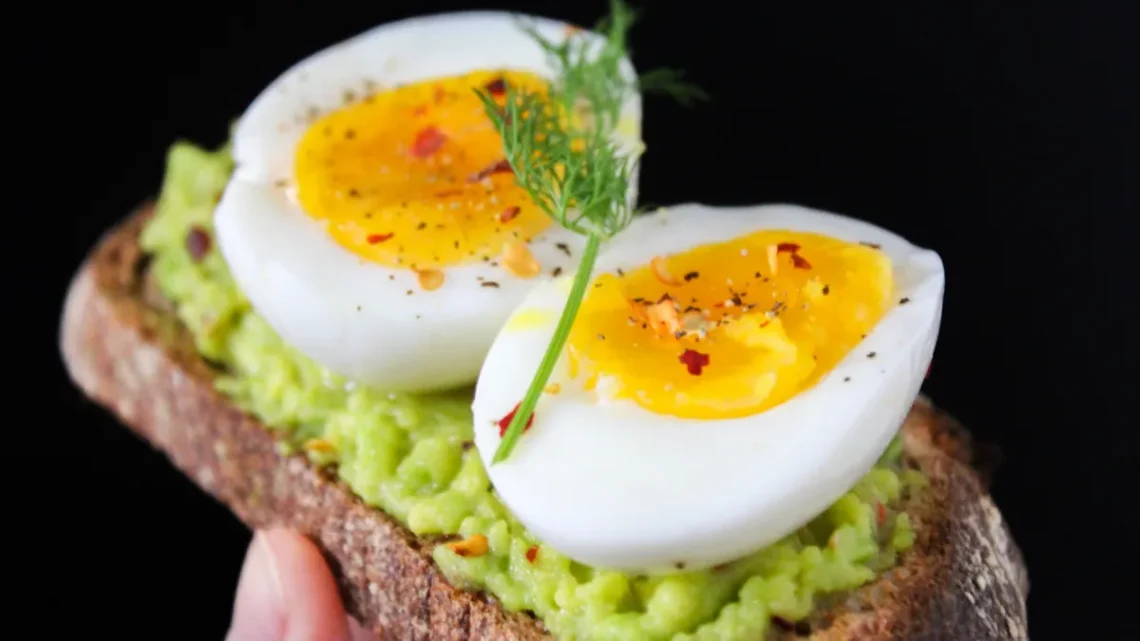
Scrambled eggs, soft omelets, and egg salads made with enough moisture are classic soft-diet proteins. Eggs are useful because they are mild in flavor, quick to prepare, and easy to shape into a soft texture. The drawback is that eggs become rubbery if overcooked, and rubbery texture is exactly what a soft diet should avoid.
2) Dairy foods
Greek yogurt, skyr, cottage cheese, ricotta, milk, and custard-style desserts can all fit a soft diet. These are especially useful when chewing is tiring. A practical reason they appear so often in meal plans is that many of them can be served in small portions yet still contribute meaningful protein. The trade-off is lactose tolerance and sodium content in some prepared products. Sweetened yogurt can also add more sugar than a reader expects.
3) Fish and very tender meats
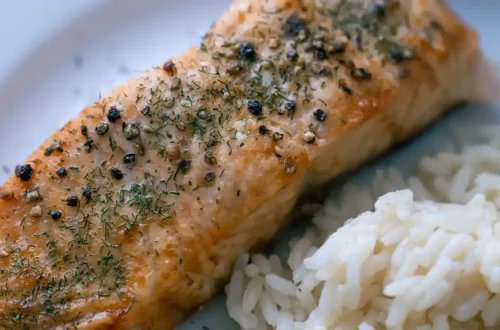
Fish that flakes easily, such as salmon, cod, or tilapia, often works well when baked or poached and kept moist with sauce. Very tender ground meats, meatballs cooked in sauce, or shredded meats can also fit if they are soft enough for the person’s chewing or swallowing plan. Dryness is the main problem. Even a good protein source becomes poor soft-diet food if it is served plain and overcooked.
4) Beans, lentils, tofu, and soy foods
These are valuable when a plant-based option is preferred or needed. Well-cooked lentils, mashed beans, tofu, and soy yogurt can deliver protein in a soft texture. The weak point is that beans can cause gas for some people, and texture varies widely by preparation. A canned bean that is simply warmed is not the same as a smooth purée.
5) Enriched soups and blended meals
Soup becomes much more useful when it contains a clear protein source: puréed beans, blended chicken, silken tofu, yogurt stirred in after cooking, or milk-based additions. A thin broth by itself is not a protein meal. A blended soup can be a full meal only when the protein is built into the bowl.
A generic list usually stops here. The more useful point is that the protein has to survive the cooking method. A steak can be “softened” by chopping, but it is still often too dry or fibrous. A good soft-diet protein meal is intentionally moist from the start. In practice, that often means adding sauce, gravy, broth, or a milk-based ingredient before serving.
Which soft proteins are easiest for chewing problems, and which are easier for swallowing problems?
For chewing problems, soft whole foods win. For swallowing problems, texture control matters more than food type.
If the problem is chewing only — missing teeth, dentures that slip, sore gums, jaw fatigue — then foods that are tender and easy to break apart are usually the best fit. Eggs, flaky fish, soft casseroles, moist ground meat, pasta with soft sauce, and well-cooked vegetables can all work. The food can still have some body. In that kind of situation, a fork-test is often practical: if the food can be pressed apart easily, it may be suitable.
If the problem is swallowing — especially clinically evaluated dysphagia — the safest choice may be a more specific texture level, often described by a clinician using standardized language. In that case, a food that is “soft enough” for chewing may still be unsafe because it crumbles, separates, or leaves residue. Dry rice, mixed textures like soup with chunks, and sticky foods can be harder than they look.
That is where a generic article often goes wrong. It assumes all “soft” diets are the same. They are not.
Here is the practical distinction:
- Chewing difficulty: prioritize tenderness, moisture, and easy chewing.
- Swallowing difficulty: prioritize a prescribed texture, controlled consistency, and guidance from a speech-language pathologist or dietitian.
This is not a place for self-diagnosis. If swallowing is part of the issue, professional assessment matters because the wrong texture can increase risk. That is why the safest recommendation is not a recipe list by itself; it is a texture plan.
The honest side-by-side
The table below compares two common soft-diet protein approaches: whole soft foods and puréed soft foods. Both can be appropriate, but they solve different problems.
| Criteria | Whole soft foods | Puréed soft foods | Winner for [condition] |
|---|---|---|---|
| Chewing effort | Low to moderate; foods stay recognizable | Very low; chewing may be minimal | Puréed foods for severe chewing fatigue |
| Protein variety | Wide: eggs, fish, dairy, tofu, tender meats | Also wide, but some proteins need blending or enrichment | Whole soft foods for broader menu options |
| Texture predictability | Can vary by cook and portion | More consistent if prepared carefully | Puréed foods when consistency matters most |
| Risk of dryness | Higher with meat and eggs if overcooked | Lower if enough liquid is used | Puréed foods for very dry mouths |
| Food enjoyment | Usually closer to normal eating | Some people find it less satisfying | Whole soft foods for appetite and morale |
| Need for kitchen skill | Moderate | Higher; texture must be blended smoothly | Whole soft foods for simpler home cooking |
| Use with swallowing plans | May fit some plans, but not all | More likely to match a prescribed texture level | Puréed foods when a clinician recommends them |
| Risk of hidden gaps in protein | Medium; easy to serve “soft” but low-protein meals | Medium; volume may look substantial but still be light on protein | Neither — both need protein planning |
The practical winner for most seniors with mild chewing trouble is whole soft foods, because they are easier to live with and easier to enjoy. Puréed foods win when chewing is too difficult or swallowing guidance calls for it. Neither option solves the protein problem automatically.
What should a real meal look like?
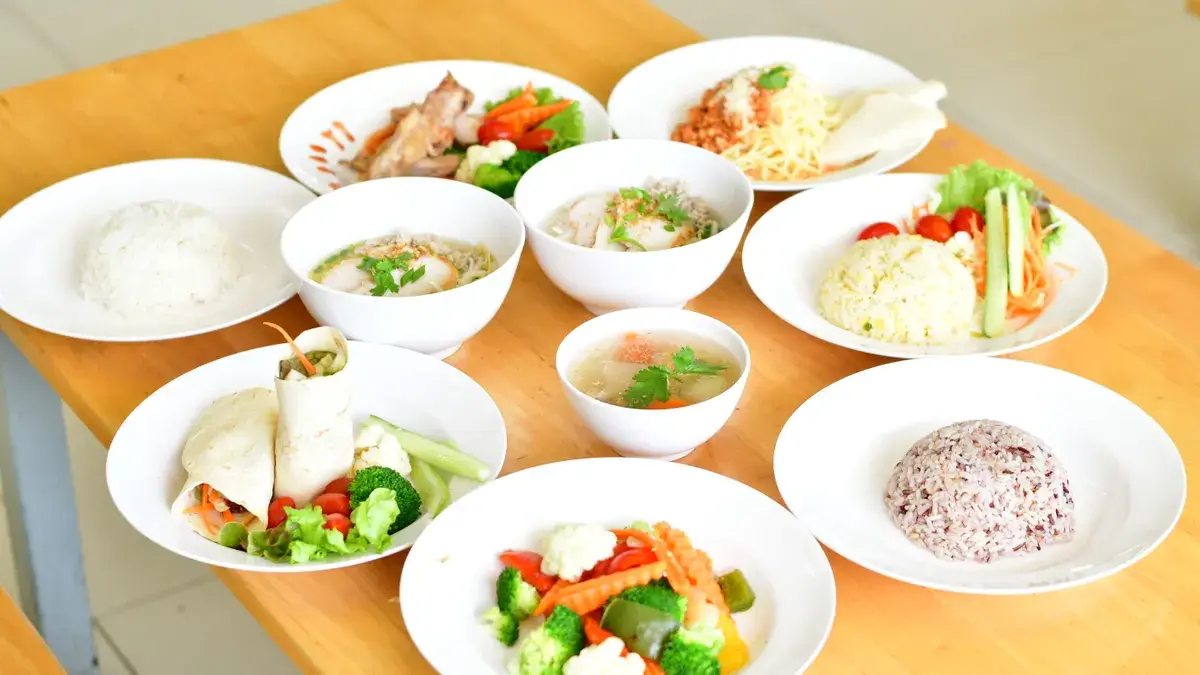
A good meal should look like food, not like a nutrition homework assignment. The goal is a plate that is soft, moist, and protein-centered.
Here are realistic combinations:
- Breakfast: scrambled eggs, soft oatmeal made with milk, and mashed banana
- Lunch: tuna or salmon salad made moist enough to be easy to chew, soft avocado, and well-cooked vegetables
- Dinner: ground turkey in gravy, mashed potatoes, and soft carrots
- Plant-based meal: mashed lentils, soft rice, and cooked spinach with olive oil
- Snack: Greek yogurt, ricotta with fruit purée, or a milk-based smoothie if liquids are appropriate for the person’s swallowing plan
The most useful meals share three features:
- Moisture — sauce, gravy, yogurt, broth, or puree keeps food from drying out.
- Uniform texture — fewer surprises in every bite.
- Enough protein density — the plate includes a real protein source, not just soft starch.
A generic article would list “soft foods” without showing the plate structure. That leaves a caregiver with no way to build a full meal. The plate method is the useful part.
One more caution: some foods are soft but do not belong in every soft diet. Sticky peanut butter, mixed textures, tough bread, dry casserole tops, and crumbly crackers may be fine in one home and not at all appropriate in another. If swallowing is an issue, texture advice from a clinician overrides any online list.
When does a soft-diet protein plan need to change completely?
It needs to change when the problem is no longer just food preference or chewing comfort. The overall verdict flips in a few specific situations.
1) If swallowing is unsafe or uncertain
This is the biggest exception. If the person coughs at meals, feels food sticking, has a wet voice after swallowing, or has had a swallow evaluation, the right plan may require a prescribed texture rather than a simple “soft” diet. In that case, generic soft foods can be the wrong tool.
2) If weight loss is the main concern
A soft diet can accidentally become a low-calorie, low-protein diet if the meals are too small or too watery. If weight loss is already happening, the food plan needs review by a clinician or dietitian. The answer may be energy-dense soft foods, fortified foods, or a different meal structure.
3) If kidney disease changes protein goals
Some people with kidney disease need individualized protein guidance. That does not mean protein should be ignored; it means the right amount needs professional oversight. A one-size-fits-all senior protein plan can be wrong here.
4) If denture pain or mouth sores are temporary
If the issue is short-term, the best solution may be a temporary soft menu rather than a permanent pattern. The target is comfort while healing, not redesigning the diet forever. Once the mouth heals, texture and protein goals can be reassessed.
These exceptions matter because “soft and high-protein” is not always the final answer. Sometimes the right answer is “soft, supervised, and adjusted.”
The verdict: which soft-diet protein approach should you choose?
Choose whole soft foods if chewing is the main problem, swallowing is not a known issue, and the goal is to keep meals familiar and protein-rich. Choose puréed soft foods if chewing is no longer practical, a clinician has recommended a texture-controlled plan, or moisture and consistency matter more than food shape. Neither if the person is losing weight, coughing at meals, or has kidney disease that needs individualized protein guidance without professional input.
The plain truth is that the best senior soft-diet protein meal is not the softest meal. It is the meal the person can eat safely, enough of, and often enough to matter. That usually means a moist protein source, a manageable texture, and a plan matched to the reason the soft diet exists in the first place.
For many older adults, that is the difference between “soft food” and a meal that actually supports health.
Drafted with AI; not yet reviewed by a person.