Last updated: November 20, 2026
Quick answer: In about 30 minutes, you can batch prep heart-healthy breakfast ingredients by washing fruit, portioning oats, cooking a few grains, hard-boiling eggs, and keeping dry mix ready so a fast breakfast takes minutes instead of a full morning. That is the point of breakfast batch prep: not cooking every meal ahead, but setting up the parts so you can assemble breakfast quickly on busy mornings. This article explains how to batch prep heart-healthy breakfast ingredients for busy mornings without turning breakfast into a full meal-prep project.
Key takeaways
- Keep the prep simple: fruit, oats, eggs, and a dry mix cover most fast breakfasts.
- Use containers that match real portions, such as 1-cup / 240 mL and 2-cup / 480 mL containers.
- Wash and dry berries before they go into the fridge so they last better and are ready to use.
- Store dry ingredients and wet ingredients separately so oats, pancake mix, and grains stay useful for longer.
- Leave out anything that depends on a long cook time or a delicate texture; this method is for speed, not full meal prep.
What should I batch prep first?
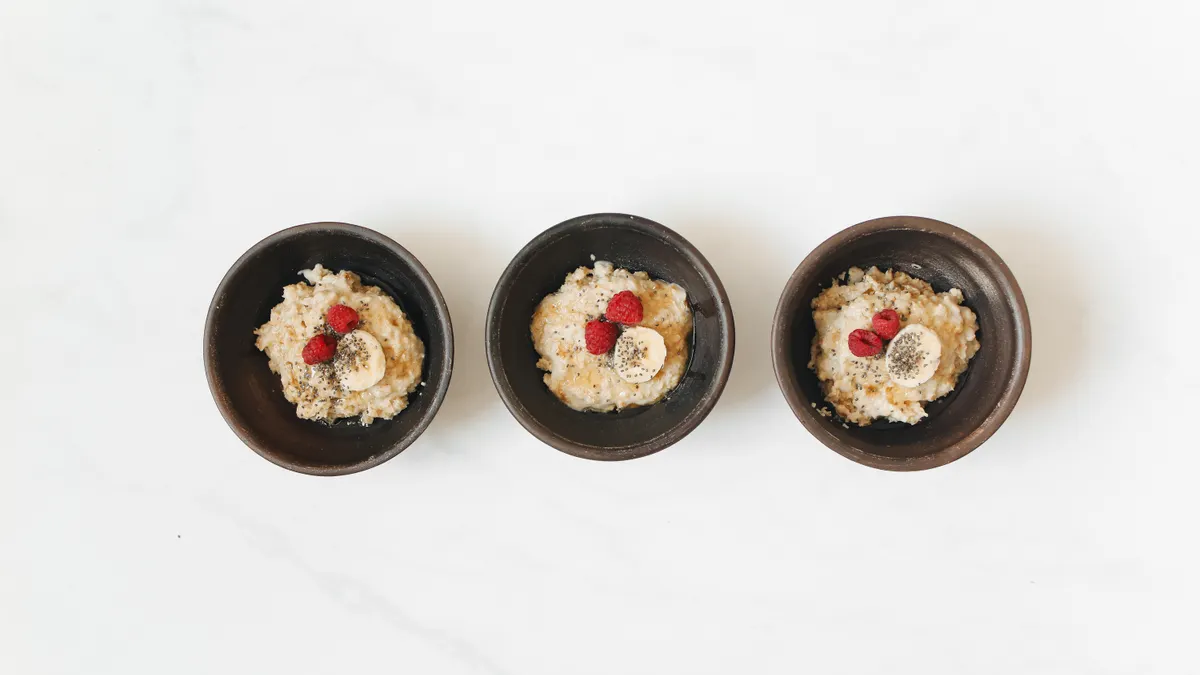
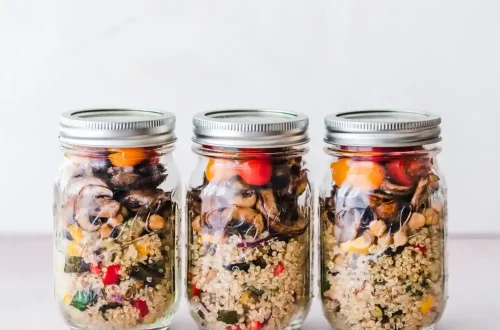
Batch prep breakfast ingredients first with the items that are easiest to use all week: rolled oats, washed berries, pre-chopped fruit, dry pancake mix, hard-boiled eggs, and one cooked grain such as brown rice or quinoa. Those ingredients cover oatmeal bowls, yogurt bowls, quick pancakes, and egg-and-fruit breakfasts without much extra work.
A good place to start is with ingredients that need the same setup each time. For example, a 1-pound / 454 g bag of rolled oats can be portioned into jars or containers, berries can be rinsed and dried in one pass, and hard-boiled eggs can sit ready in the fridge for several days. If your mornings are rushed, this approach beats making a full recipe that has to be reheated or assembled in a certain order.
This method is not for someone who wants a full week of complete breakfasts already plated. It is for the reader who wants fewer decisions and fewer dirty bowls. For that job, the ingredient-level approach works better than a stack of finished meals.
For a broader shopping and storage plan, this page fits under the hub on Heart-Healthy Breakfast Ingredients and Pantry Building for Seniors — The Complete Guide. That hub covers the pantry picture; this page stays on prep.
How do you batch prep breakfast ingredients step by step?
Batch prep breakfast ingredients by washing, portioning, cooking, and labeling them in one 30-minute session, then storing them in the fridge at 40°F / 4°C or below. Start with the least messy task and end with the cooked items so the counter stays clear.
-
Set out 4 to 6 containers, a colander, a sheet pan, and a marker before you start. Clear tools make the rest of the prep faster and keep wet fruit away from dry ingredients.
-
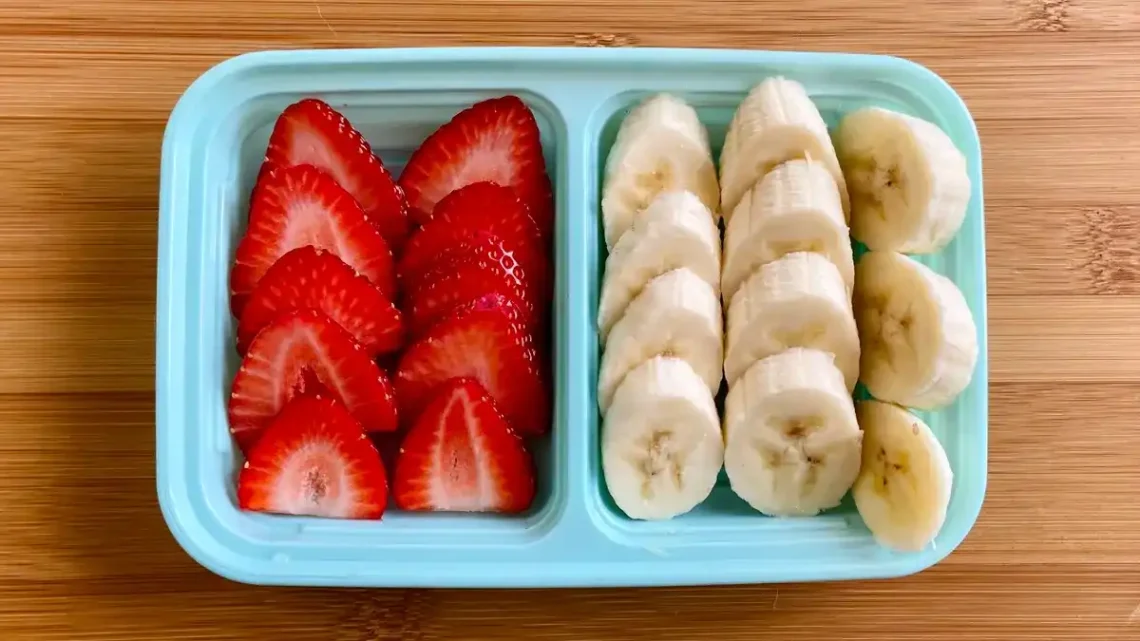
Rinse berries in the colander under cool running water, then spread them on a towel or paper towels until dry. Dry berries last better than damp ones and are easier to portion into 1-cup / 240 mL containers.
-
Chop firmer fruit such as melon, pineapple, or apples into bite-size pieces, then store them in a covered container. Pre-chopped fruit saves knife work in the morning and turns into a quick topping for oats or yogurt.
-
Measure rolled oats into single-serving containers or jars, about 1/2 cup / 40 to 50 g per container if that is the amount you usually use. Portioning now means a bowl can be made with hot water, milk, or a plain yogurt base without measuring at breakfast time.
-
Mix dry pancake mix in a bowl if your mix needs added dry ingredients such as cinnamon or baking powder, then store it in a labeled container. Keep the mix dry and separate from liquid so it stays ready for the next 1 to 2 weeks, or according to the package date if that is shorter.
-
Cook hard-boiled eggs in a pot, then chill them in cold water and refrigerate them in the shell. They are useful for a fast breakfast plate, but they are not the right choice for someone who has trouble peeling eggs or chewing firmer foods.
-
Cook one batch of grains such as brown rice or quinoa if you want a base for savory breakfast bowls. A cooked grain adds flexibility, but it is optional if your mornings are already crowded with enough prep.
-
Label each container with the date before you put it away. Clear labels prevent guesswork later, which matters most when the fridge is full and breakfast has to happen fast.
A simple Food Safety and Inspection Service guide from the U.S. Department of Agriculture is useful for safe handling and cold storage: https://www.fsis.usda.gov/food-safety/safe-food-handling-and-preparation/food-safety-basics. The American Heart Association also has practical heart-healthy eating guidance at https://www.heart.org/en/healthy-living/healthy-eating.
How do you portion ingredients for the week?
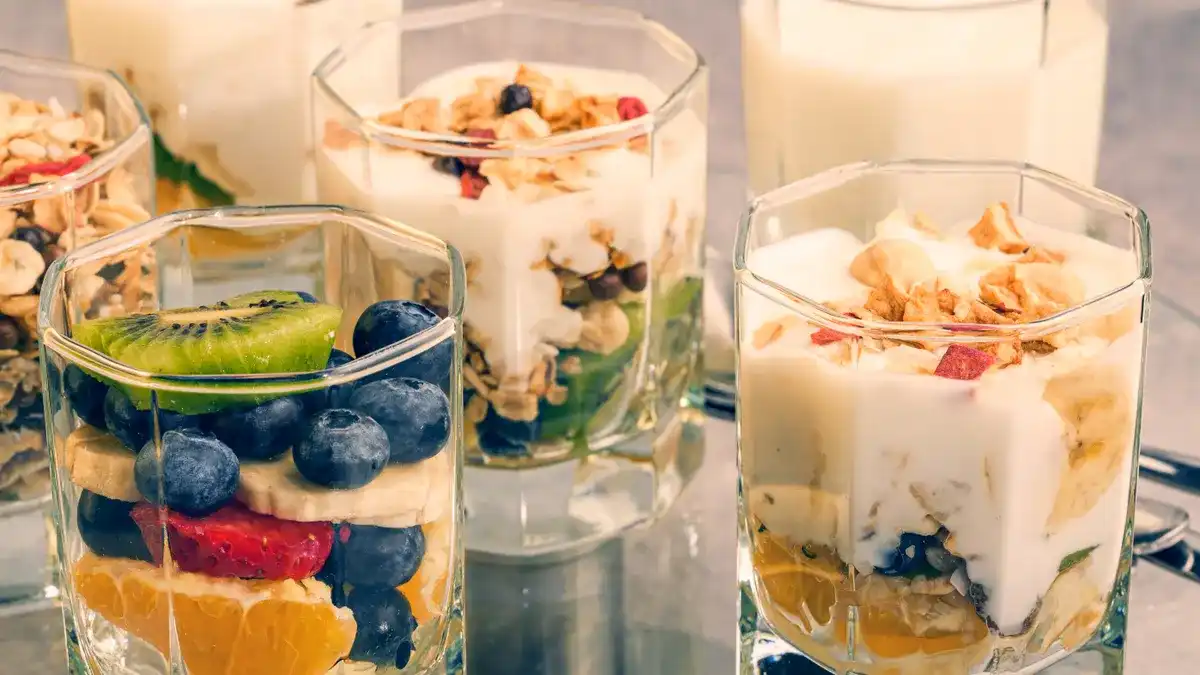
Portion ingredients for the week by matching each container to one breakfast use, not by filling one giant bin and hoping for the best. A 1-cup / 240 mL container works well for berries or cut fruit, while a 2-cup / 480 mL container can hold a larger fruit mix or a cooked grain base.
This part matters because portions control waste. A bag of berries can spoil faster if it gets opened and closed every morning, and a large tub of oats can get damp if a wet spoon goes in. Smaller containers also make the fridge easier to scan on a Monday morning when the goal is speed.
Do the same with dry ingredients. Keep pancake mix in a sealed jar or box, and use a second container for toppings such as chopped nuts if you use them. Nuts are a common allergen, so keep them out of shared containers and use a separate scoop if another person in the house has an allergy.
Portioning also helps if someone in the house eats less at breakfast. A smaller container means less waste and fewer leftovers that sit too long in the fridge. The trade-off is that you need more containers up front, so this method works best if you already have enough storage space and a stack of lids that match.
Which ingredients keep the best?
For safe, practical prep, the dry or low-moisture ingredients are usually the easiest to hold for the week: rolled oats, dry pancake mix, and hard-boiled eggs in the shell. Washed berries, pre-chopped fruit, and cooked grains are still useful, but they need tighter storage and earlier use.
Here is the practical difference: if you are unsure how long something should keep, follow the package date, use your own judgment, and when in doubt check with a food safety professional or a trusted source such as the USDA Food Safety and Inspection Service.
| Ingredient | Keeps better when | Main drawback | Best use |
|---|---|---|---|
| Rolled oats | Stored dry in sealed containers | Can clump if moisture gets in | Oat bowls, overnight-style prep |
| Dry pancake mix | Kept sealed and dry | Needs extra ingredients later | Fast pancake mornings |
| Hard-boiled eggs | Left in shell in the fridge | Firmer texture, peeling takes time | Quick protein on the side |
| Washed berries | Dried well before storage | Can soften or mold if damp | Topping for oats or yogurt |
| Pre-chopped fruit | Stored in a covered container | Some fruit browns or softens | Fruit bowls and toppings |
| Cooked grains | Cooled and chilled quickly | Shorter fridge life than dry items | Savory or grain-based bowls |
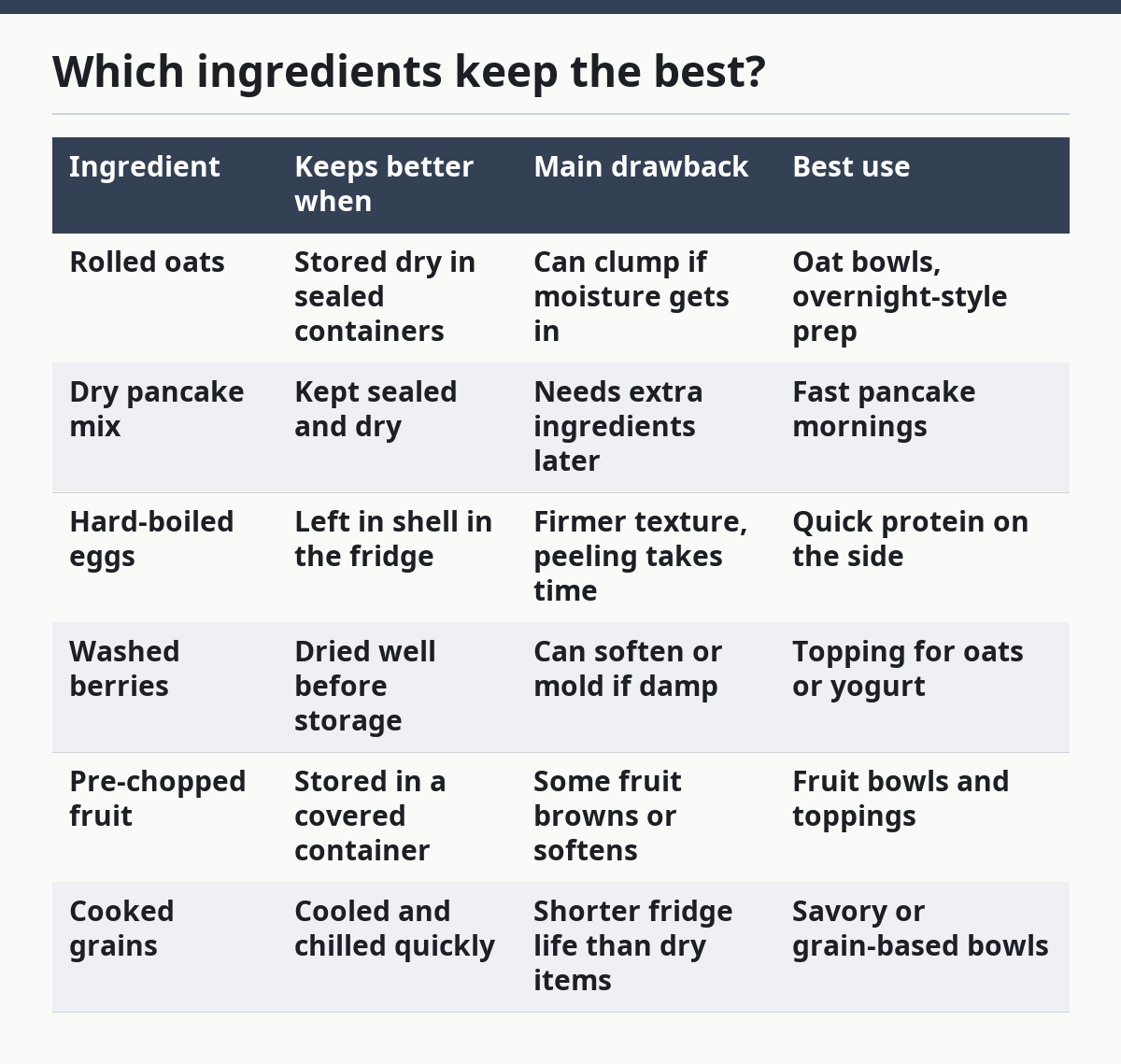
The common mistake is treating every ingredient the same. Wet fruit does not belong in the same container as dry oats, and a hot grain should not go into the fridge while it is still steaming. That mistake costs texture and shelf life. Keep wet and dry separate, cool cooked items before chilling, and use the most delicate items first.
If a recipe depends on walnuts, peanuts, or another tree nut, note that clearly on the container. Nuts add crunch and healthy fats, but they are not safe for every household.
What storage mistakes waste the most time?
The storage mistakes that waste the most time are skipping labels, mixing wet and dry ingredients, and making too much of one item for the week. Those mistakes turn a 15-minute breakfast into a cleanup job.
A label with the prep date takes only a few seconds to write, but it saves you from opening every container to figure out what is still usable. This matters most for pre-chopped fruit and cooked grains, which are less forgiving than dry oats. It also helps if more than one person uses the fridge.
Another mistake is putting everything into one large container. That looks efficient, but it slows down breakfast because you still have to measure and sort in the morning. Use separate containers for the pieces you reach for most often: oats in one bin, fruit in another, eggs in a tray or carton, and pancake mix in a sealed jar.
There is also a limit to what batch prep can do. If someone wants a hot, freshly cooked breakfast every day, this system will feel too plain. It works best for people who value speed, consistency, and less cleanup.
How does this fit a heart-healthy morning?
This fits a heart-healthy morning by making it easier to choose breakfast ingredients that are simple, less processed, and easy to combine without extra salt. A prepared bowl of oats with fruit, a few eggs with berries, or a quick pancake mix with fruit can all start from the same prep session.
The value here is consistency. When the right ingredients are already washed, portioned, and labeled, breakfast is less likely to turn into packaged snacks or skipped meals. That matters for busy mornings, especially when the person cooking does not want a long cleanup or a complicated recipe.
This is also why the method stays at the ingredient level instead of turning into a full make-ahead meal plan. Once breakfast becomes a full casserole, muffin tray, or reheated dish, the prep gets longer and the cleanup grows. For a reader who wants the shortest path from fridge to table, ingredient prep is the better fit.
For a simple standard, the USDA MyPlate framework is a useful reference point for building a balanced plate, and the American Heart Association remains a reliable source for heart-healthy eating guidance. The practical goal is not perfection; it is a breakfast setup that is fast enough to repeat.
What breakfast ingredients can be prepped ahead?
Rolled oats, washed berries, pre-chopped fruit, dry pancake mix, hard-boiled eggs, and cooked grains can all be prepped ahead. Those ingredients hold up better than finished breakfasts because they can be stored separately and assembled in different ways.
The key is to prep the parts that save the most time. A fruit bowl, an oat bowl, or a quick egg-and-grain plate all start with the same few items, so one prep session can support several breakfasts.
How do seniors prep breakfast ingredients for the week?
Seniors prep breakfast ingredients for the week by choosing a small set of foods, portioning them into easy-to-open containers, and keeping the fridge organized by use. A 30-minute session once a week is often enough for oats, fruit, eggs, and one cooked grain.
The safest method is simple: wash fruit, dry it well, cook eggs, cool grains before storing, and keep everything labeled with the date. The result is less morning work without depending on a complicated recipe or a big batch of finished food.
What can be batch prepared for faster morning meals?
Dry mix, fruit, oats, eggs, and grains can all be batch prepared for faster morning meals. That gives you building blocks for bowls, plates, and quick pancakes without making the same breakfast every day.
The smartest way to use the prep is to keep choices flexible. One day can be oats and berries, another can be eggs and fruit, and another can be a grain bowl with a quick breakfast side.
Drafted with AI; not yet reviewed by a person.