Last updated: November 19, 2026
In short: store heart-healthy breakfast ingredients in clear, airtight containers, keep dairy and cut fruit at 40°F (4°C) or colder, freeze anything you will not use within a few days, and place the most-used items at eye level so breakfast is easy to build. Breakfast ingredient storage works best when each food has one home in the fridge, pantry, or freezer, not when everything gets stacked into one bin.
Key takeaways
- Keep chilled breakfast foods at 40°F (4°C) or colder and frozen foods at 0°F (-18°C).
- Use airtight containers, mason jars, resealable bags, refrigerator drawers, and freezer bins to separate foods by use and by freshness.
- Put fragile foods like berries, yogurt, and cut fruit where you can see them first, or they get forgotten.
- Store dry staples in the pantry only if they stay dry, sealed, and away from heat.
- If a food will not be eaten within the week, move it to the freezer or leave it out of the shopping plan.
What does breakfast ingredient storage mean?
Breakfast ingredient storage means keeping each breakfast food in the right place so it stays safe, easy to reach, and ready to use during the week. For a heart-healthy breakfast, that usually means oats, nuts, seeds, fruit, yogurt, eggs, and whole-grain add-ins stored in separate zones, not all in one mixed container.
That matters because breakfast ingredients spoil at different speeds. Fresh berries last far less time than rolled oats, and yogurt has a different limit from dry cereal or nut butter. The goal is not fancy prep; it is clean separation, clear labels, and smart placement.
For this page, the best model is simple: pantry for dry goods, refrigerator for chilled foods, freezer for backup stock. The FDA and USDA both keep food safety guidance around those temperature ranges, and the USDA FoodKeeper tool is a useful reference if a reader wants a quick check on how long a food usually keeps: USDA FoodKeeper.
How should I store breakfast ingredients for the week?
Store breakfast ingredients by food type first, then by how soon you will use them. Start with the foods that need the coldest, most stable spot and end with dry staples that can sit in a cabinet for several days or longer.
- Set containers and sort foods into three groups: pantry, fridge, freezer. Put oats, chia seeds, and nut butter in the pantry; yogurt, milk, and cut fruit in the fridge; extra berries or bread in the freezer.
- Label jars with the day or use-by note before you fill them. A simple “Mon–Wed” label keeps older food from hiding behind newer food.
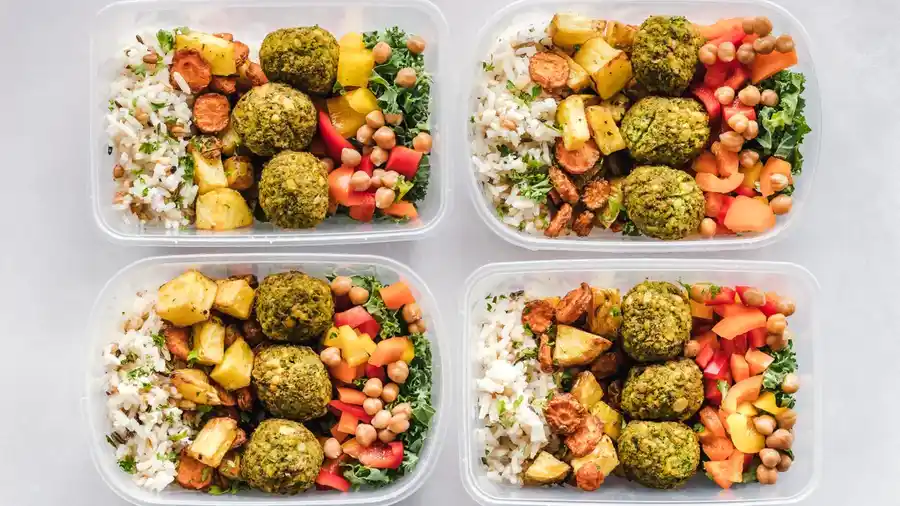
- Pack airtight containers with single-use portions for fruit, yogurt toppings, or oats so you open one container at breakfast instead of five.
- Place refrigerator drawers with ready-to-eat items in front, not behind leftovers. Put berries, washed greens, and prepped fruit where they are visible at eye level.
- Move freezer bins to the top or front for backups like frozen fruit or sliced bread so they do not get buried under dinner food.
- Check the pantry for heat and moisture. Keep dry breakfast foods away from the stove, sink, and sunlight so packages do not soften or clump.
This method suits older adults who want breakfast to feel easy, not technical. It is less useful for someone who cooks fresh every morning and buys only one or two days at a time.
Which breakfast foods go in the fridge, pantry, or freezer?
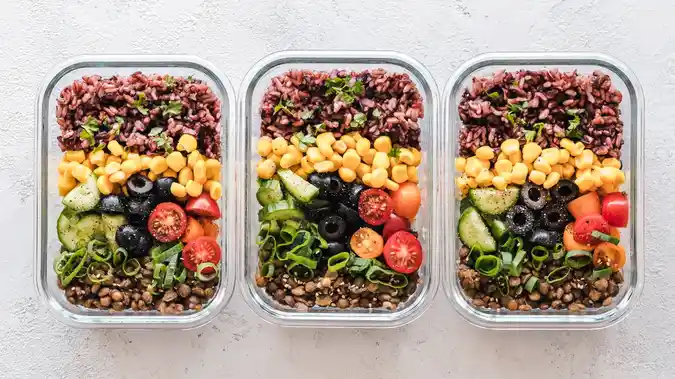
The right storage spot depends on moisture, fat, and how fast the food wilts or turns. A dry oat container belongs in the pantry, while a half-used carton of yogurt belongs in the refrigerator even if it still looks fine.
| Breakfast ingredient | Best storage spot | Container or bag | Notes |
|---|---|---|---|
| Rolled oats | Pantry | Airtight container | Keep dry and sealed |
| Chia seeds | Pantry | Airtight container | Protect from moisture |
| Unsalted nuts | Pantry or fridge | Airtight container | Fridge helps slow rancidity |
| Nut butter | Pantry or fridge | Original jar or airtight container | Stir if oil separates |
| Fresh berries | Fridge | Shallow container | Keep dry, do not wash until needed if moisture is a problem |
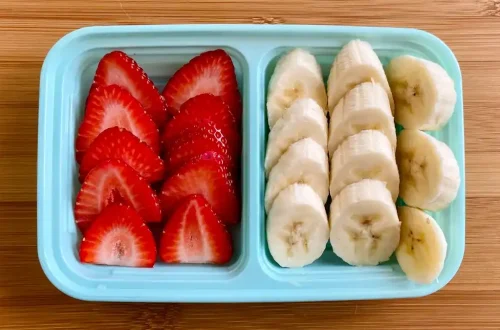
| Cut fruit | Fridge | Airtight container | Use sooner than whole fruit |
| Yogurt | Fridge | Original tub or mason jar | Keep lid closed tightly |
| Milk | Fridge | Original carton | Do not store in the door if there is room on the shelf |
| Whole-grain bread | Pantry or freezer | Bread bag or freezer bag | Freeze if it will not be used soon |
| Eggs | Fridge | Carton | Keep in the main fridge area |
| Frozen fruit | Freezer | Freezer bag or bin | Best for smoothies and oatmeal |
Common allergens show up fast in breakfast foods. Nuts, dairy, eggs, and wheat are the main ones to watch. A simple swap helps: use sunflower seed butter for nut butter, fortified soy or oat yogurt for dairy yogurt, and gluten-free oats if wheat is a concern.
Where in the fridge do breakfast foods last longest?
The coldest, steadiest spots in the fridge are the back shelves and the lower drawers, not the door. The fridge door warms each time it opens, so milk, yogurt, and cut fruit last better on a shelf than in a door bin.
Use refrigerator drawers for foods that spoil quickly and need to stay visible. One drawer can hold washed berries in a breathable container, another can hold sliced melon, grapes, or chopped apples in a sealed box. If the drawer is too deep, put a shallow tray inside so small containers do not disappear.
Keep ready-to-eat breakfast foods in front of leftovers. If a yogurt tub gets pushed behind last night’s casserole, it may be forgotten for 5 to 7 days, then wasted. A clear container and a front-row spot solve more spoilage than any special gadget.
The FDA’s food storage advice points to keeping the refrigerator at 40°F (4°C) or below, which is the number that matters most for breakfast dairy and cut fruit: FDA refrigerator food safety.
How do I batch prep without making breakfast soggy?
Batch prep works best when wet foods and dry foods stay separate until serving. That means oats, seeds, and nuts go in one container, while yogurt, milk, and fruit go in another, or in a layered jar only if the wet layer sits away from the crunchy part.
A good weekly setup is three parts: one dry base, one cold protein or dairy item, and one fresh fruit. For example, oats can sit in a mason jar, yogurt can stay in a smaller jar, and berries can stay in a separate airtight container. Mix them only when you are ready to eat.
Avoid pre-mixing crunchy toppings for the full week. Nuts, granola, and toasted seeds lose texture after a day or two in a moist fridge. Keep them in a resealable bag or small jar in the pantry, then add them at breakfast.
This is the part many generic guides miss: batch prep should reduce work, not create one big texture problem. A soggy oat cup is still food, but it is not the easy breakfast most people want to repeat.
What mistakes waste breakfast ingredients fastest?
The fastest way to waste breakfast ingredients is to store them by shape instead of by spoilage rate. A mixed bin of fruit, yogurt, and dry toppings looks tidy, but it hides the foods that need attention first.
The most common mistake is washing every berry at once. Moisture speeds soft spots and mold, so washed berries often last fewer days than berries kept dry until use. Another mistake is putting milk or yogurt in the door, where temperature changes each time the fridge opens.
A third mistake is leaving nuts or seed blends in a warm pantry near the stove. Heat does not ruin them overnight, but it shortens their useful life and can make them taste stale sooner. If the kitchen runs warm, move those items into the fridge in an airtight container.
Do not overpack the fridge drawers. Air needs room to move around the containers, and a stuffed drawer makes it harder to see what needs using first. Clear bins help, but only if the bins stay visible and not buried under larger packages.
The trade-off is simple: the more you pre-portion, the more convenience you get, but the less flexible the week becomes. This system is wrong for someone who changes breakfast plans every morning and does not mind extra prep time.
Which containers make weekly storage easier?
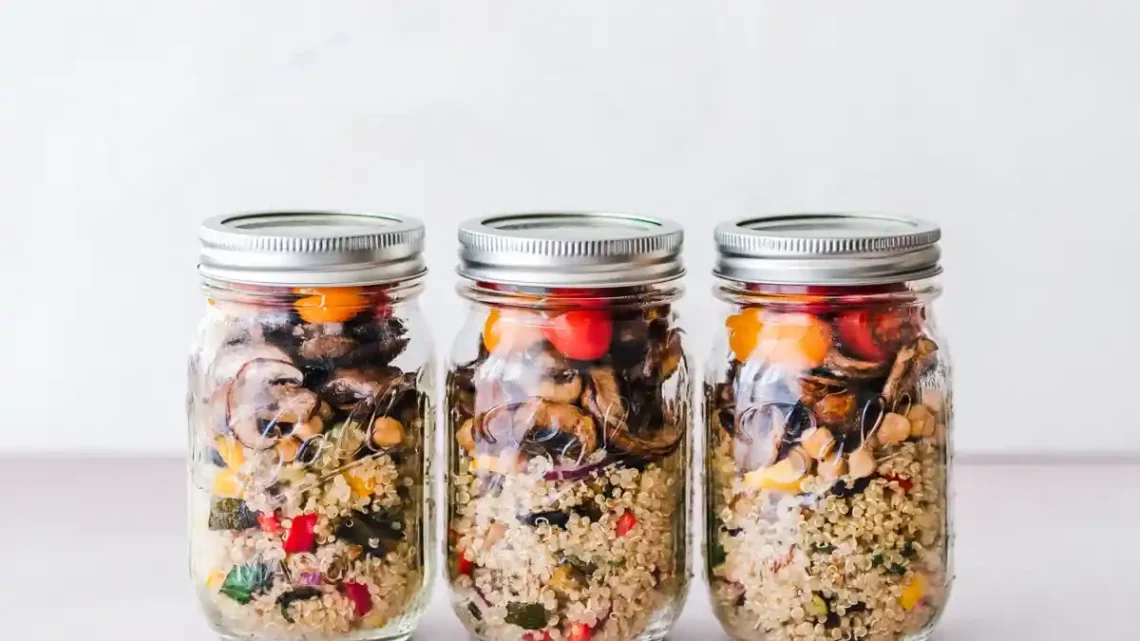
The easiest containers are the ones that let you see the food, seal it well, and open it with one hand. Clear airtight containers work well for cut fruit, oats, and toppings, while mason jars are useful for layered breakfasts and small portions.
Resealable bags are best for freezer storage and for dry toppings that will be used in a few days. They save space, but they are not as sturdy as hard-sided containers, so they work better for backup stock than for foods that get opened often. Use freezer bins to group like items together, such as frozen fruit, bread, or extra whole-grain muffins.
Choose one container style for each job. If every item has a different box, breakfast turns into a hunt. If too many foods go into one large tub, the oldest item gets pushed to the back and forgotten.
A simple set is enough for most kitchens: a few airtight containers, a few mason jars, a box of resealable bags, and one or two freezer bins. That is enough to keep a week of breakfast ingredients organized without filling the fridge with plastic.
For a fuller pantry plan that supports this storage system, see the hub on Heart-Healthy Breakfast Ingredients and Pantry Building for Seniors — The Complete Guide.
How should seniors store breakfast ingredients for the week?
Seniors should store breakfast ingredients by temperature and by how often they use each item. Keep dry oats, seeds, and unopened nut butter in the pantry; keep yogurt, milk, cut fruit, and eggs in the fridge; keep extra bread or fruit in the freezer if it will not be used within a few days.
Clear labels help a lot. A front-row shelf and a dated jar can prevent forgotten food and make breakfast faster.
What keeps fruit and dairy fresh longer?
Cold, dry storage keeps fruit and dairy fresh longer. Put yogurt and milk in the main fridge, not the door, and keep berries or sliced fruit in shallow airtight containers so they are easy to see and do not get crushed.
Do not wash berries until you are ready to use them if moisture is a problem. That small step often matters more than buying special containers.
How do you organize breakfast ingredients in the fridge?
Organize breakfast ingredients in the fridge by use, not by package size. Place the most perishable foods in front and in the back of the coldest shelf, and keep grab-and-go items in a refrigerator drawer or clear bin.
A tidy layout makes it easier to eat the food before it spoils. If you can reach yogurt, fruit, and eggs without moving leftovers, breakfast stays simpler all week.
Drafted with AI; not yet reviewed by a person.