Last updated: August 10, 2026
Quick Answer: The best soft-texture heart-healthy breakfasts are usually built from 1 soft whole-grain base + 1 protein source + 1 fruit or vegetable + 1 healthy fat, and a practical target is about 15–25 g of protein at breakfast for many adults. In this soft-texture heart-healthy breakfasts — complete guide, the simplest repeatable options are oatmeal with yogurt and flax, soft scrambled eggs with avocado, chia pudding with berries, tofu scramble, and thick smoothie bowls.
Key Facts / Key Takeaways
– Soft does not have to mean sugary or low-fiber.
– A soft-texture heart-healthy breakfast works best when it is moist, not just “blended smooth.”
– Plain yogurt, oats, flax, chia, fruit, beans, tofu, eggs, nuts, and unsaturated fats are the core building blocks.
– Flavored instant oats and dessert-style smoothies can look soft while adding a lot of sugar.
– If swallowing is difficult, get individualized advice from a clinician or dietitian.
– A repeatable breakfast beats a theoretically perfect one that you will not eat twice.
– Example target: 1/2 cup dry rolled oats + 3/4 cup plain Greek yogurt + 1 tablespoon ground flax + 1/2 cup berries is a soft, heart-healthy template many people can adapt.
When chewing is annoying, appetite is low, or I want something gentle without sliding into pastries and bacon, a soft, heart-healthy breakfast is what I reach for. The whole idea is pretty plain: keep the food easy to manage, but build the plate around fiber-rich grains, fruit, unsweetened dairy or soy, nuts or seeds in an easy form, and enough protein to keep hunger away for hours.
What “Soft-Texture” Actually Means for a Heart-Healthy Breakfast
People usually ask one thing here: “What can I eat in the morning that is easy to chew, easy to swallow, and still good for my heart?” Fair question. And the word “soft” can send things off the rails if you let it. Soft does not have to mean low-nutrient, high-sugar, or ultra-processed.
In my view, a soft-texture breakfast is anything you can eat with minimal chewing or turn into something spoonable: oatmeal, overnight oats, chia pudding, yogurt bowls, ricotta with fruit, smoothies, soft scrambled eggs, baked oats, cream-of-wheat-style hot cereal, mashed avocado on tender whole-grain toast, or tofu scrambles. The heart-healthy part comes from what goes in the bowl — oats, barley, chia, flax, fruit, beans, yogurt with no added sugar, eggs in moderation, tofu, nuts, and unsaturated fats.
One thing generic articles miss: texture and heart health can clash if you are sloppy about it. A breakfast can be soft because it leans on refined flour, sweetened cream, and syrup. Easy to chew? Sure. But that is not where I would go for daily eating. I want softness from moisture and cooking method, not from stripping out fiber. That trade-off matters.
When you are recovering from dental work, dealing with a swallowing problem, or have a medical condition that changes what textures are safe, the safest move is to ask a clinician or dietitian for individual guidance. A “soft” breakfast for one person can be a choking risk for another, so check with a professional before treating any texture as universally safe. For swallowing concerns, the National Institute on Deafness and Other Communication Disorders is a useful starting point: https://www.nidcd.nih.gov/health/dysphagia.
The Breakfast Template I Trust Most
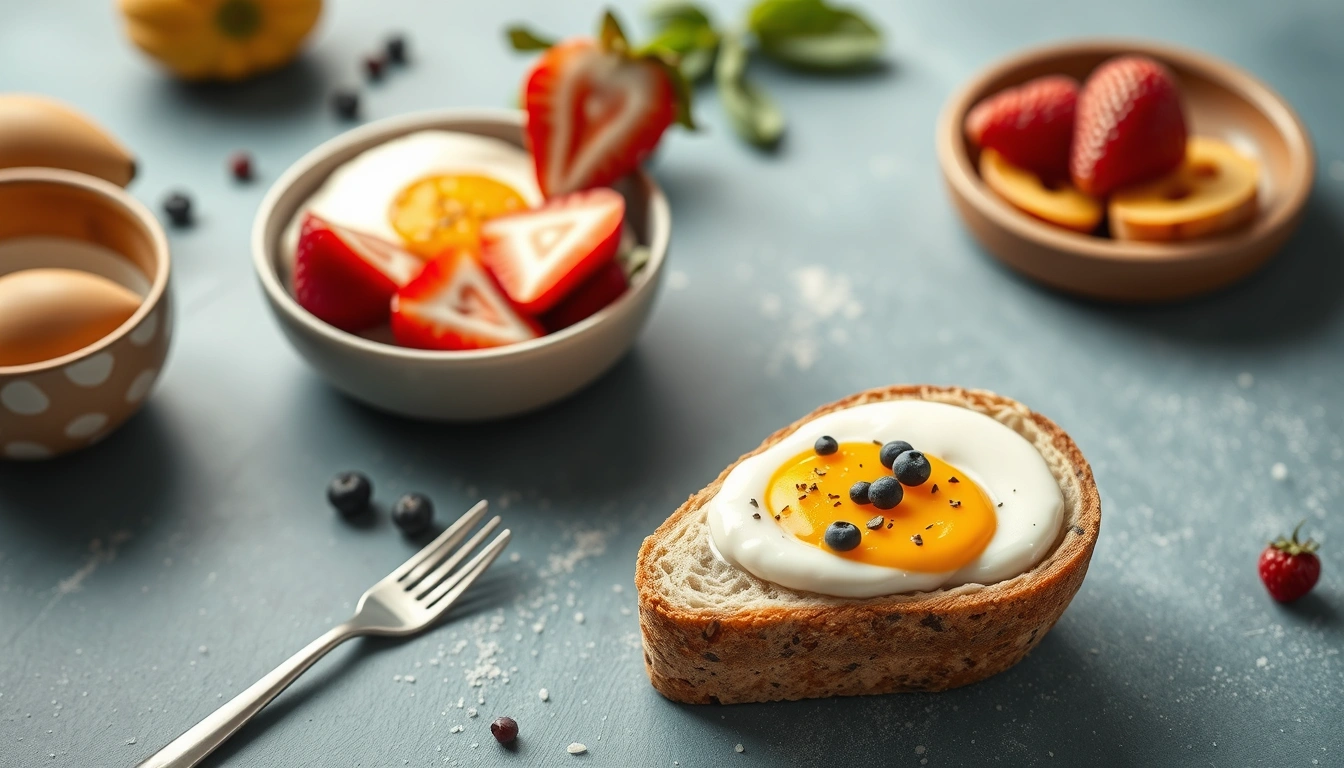
One soft whole-grain base, one protein source, one fruit or vegetable, one healthy fat. That is the template I use. It keeps breakfast from turning into a bowl of carbs that leaves you hunting for snacks an hour later.
My easiest template looks like this:
- Base: rolled oats, cooked barley, cream of wheat made without sugar, or unsweetened whole-grain cereal softened with milk
- Protein: plain Greek yogurt, soy yogurt, cottage cheese, soft scrambled eggs, tofu, or a protein-rich smoothie base
- Fruit or vegetable: berries, banana, applesauce with no added sugar, stewed pears, spinach in a smoothie, or grated zucchini in baked oats
- Healthy fat: ground flaxseed, chia seeds, chopped walnuts, almond butter, peanut butter, or avocado
I reach for rolled oats instead of instant flavored packets because the ingredient list is shorter and the sugar is easier to control. Plain yogurt beats fruit-on-the-bottom cups for the same reason; many flavored versions carry more sugar than you expect. And ground flaxseed is the better pick over whole flaxseed because the ground form is easier to use in soft foods and gives you more practical fiber in a spoonable breakfast. The American Heart Association’s guidance on limiting added sugar makes that trade-off especially relevant: https://www.heart.org/en/healthy-living/healthy-eating/eat-smart/sugar.
A soft breakfast can still flop if it is too skimpy on protein. Oats and banana are pleasant, but by themselves they may not hold up as a full breakfast. Add Greek yogurt, soy milk, egg whites, tofu, or nut butter and the whole meal shifts. Fast.
Here is the simplest rule I use: if the meal looks soft but feels light enough to vanish in 90 minutes, it probably needs more protein or fat. Not a medical rule. Just a practical one.
What I Would Eat in a Week: 7 Soft, Heart-Healthy Breakfasts
I prefer menus to vague advice, so here is the kind of week I would actually put together. These are not the only good choices; they just cover the main needs without turning breakfast into a side project.
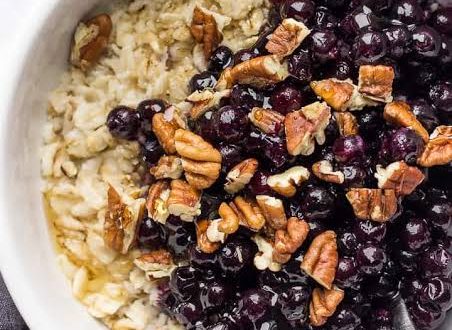
Day 1: Blueberry oatmeal with ground flax and plain yogurt
Cook rolled oats in unsweetened milk or fortified soy milk. Stir in ground flaxseed. Top with blueberries and a spoonful of plain yogurt. The oats give the soft base, the flax adds fiber and healthy fat, and the yogurt supplies protein. A simple version uses 1/2 cup dry oats, 1 tablespoon flax, and 3/4 cup yogurt, which is easy to scale up or down.
Day 2: Soft scrambled eggs with avocado and tender toast
Cook eggs slowly so they stay moist, not dry. Add avocado on soft whole-grain toast. If chewing is hard, mash the avocado and cut the toast into small pieces. This is one of the easiest ways to get a savory breakfast that still feels gentle. If you need a smaller serving, 2 eggs plus 1/4 avocado is an easy starting point.
Day 3: Chia pudding with berries and walnuts
Soak chia seeds overnight in unsweetened milk or soy milk until thick. Add berries and finely chopped walnuts. Chia is useful because it becomes spoonable without much effort, but it can be too thick for some people, so I would thin it as needed. A practical ratio is 3 tablespoons chia to 3/4 cup liquid.
Day 4: Greek yogurt bowl with banana, cinnamon, and oats
Use plain Greek yogurt, sliced banana, a sprinkle of oats, and cinnamon. If you need more softness, let the oats sit in the yogurt for 10 to 15 minutes. This works well when appetite is low but you still need protein. For a more filling bowl, add 1 tablespoon ground flax or 1 tablespoon nut butter.
Day 5: Savory tofu scramble with spinach
Crumbled tofu cooks into a soft, egg-like texture. I would add spinach and a little olive oil, then serve it with soft whole-grain toast or a small baked potato. This is a strong option for anyone who avoids eggs. Extra flavor is easy to add with turmeric, black pepper, or chives without changing the texture much.
Day 6: Baked oats with applesauce and walnuts
Baked oats are softer than the name suggests, almost like a cross between oatmeal and cake, but they can stay heart-healthy if you keep the sugar low. Use unsweetened applesauce for moisture and chopped walnuts for crunch that is still manageable in small pieces. A good starting point is 1/2 cup oats, 1/4 cup applesauce, and 1 tablespoon walnuts.
Day 7: Smoothie bowl with oats, berries, and peanut butter
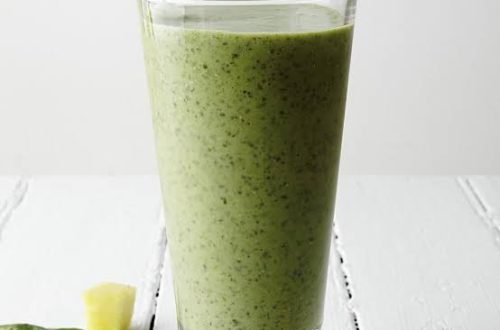
A smoothie bowl can work well if it is thick enough to eat with a spoon, not sip like dessert. Blend berries, spinach, oats, plain yogurt or soy yogurt, and a spoonful of peanut butter. If the bowl is too thin, it usually stops feeling like breakfast and starts feeling like a sweet drink. For a thicker bowl, use less liquid first and add more only if needed.
A mix like this gives you variety across the week and cuts boredom. That matters more than people admit. When the same breakfast starts feeling like a chore by Wednesday, the plan is dead on arrival. In practice, the goal is not novelty; it is a breakfast rotation you can keep using.
The Mistake That Cost Me the Most Time
My biggest mistake was assuming “soft” automatically meant “easy to eat and satisfying.” It did not. The first version of my breakfast routine leaned too hard on texture and not enough on balance. I kept making bowls that were smooth, warm, and convenient, but they were also too low in protein and too light on fiber.
The result was predictable. Hunger came back fast. Not “maybe I could snack” hungry, but “I need something now” hungry. That pushed me toward whatever was easiest to grab, which was usually less heart-friendly than the breakfast I had just made. The meal was technically soft and technically healthy, but it missed the point.
My other mistake was overusing sweeteners to make everything more palatable. A little honey or maple syrup is not the enemy, but I used them as a crutch. That made the breakfasts taste better for a few days and work worse over time. The more I leaned on sweetness, the less satisfied I felt after eating.
The cost was not dramatic in a dramatic-sounding way. It was practical and annoying: more snacking, less consistency, and more meal prep wasted because I did not want to repeat a breakfast that left me underfed. That is the part generic advice tends to skip, but real life is full of it.
What fixed it was boring and effective: I started anchoring each breakfast with one clear protein source and one fiber source. That meant yogurt plus oats, eggs plus avocado, tofu plus whole grain, or chia plus nuts. Softness stayed, but the meal finally held together. A very ordinary combination like Greek yogurt + oats + berries can work better than a more elaborate recipe because it is easier to repeat.
What Changed When I Stopped Treating Softness as the Goal
Once I stopped chasing “the softest possible breakfast” and started chasing “the most satisfying soft breakfast,” the whole thing improved. Small-sounding shift. Big payoff. I began using texture as a tool instead of the destination.
For example, I used to blend everything until it was almost drinkable. That made the meal feel easier, but it also made it too easy to eat too fast. A slightly thicker bowl slows you down. So does leaving some texture in the oats or fruit. I would rather have a breakfast that takes 10 minutes to eat than one gone in 2 minutes and forgotten by 9 a.m. If you have a swallowing concern, though, texture changes should be cleared with a clinician or dietitian before you make them.
I also started paying attention to temperature and moisture. Warm foods like oatmeal, baked oats, and soft eggs often feel more satisfying than cold foods alone. Cold breakfasts are fine, but I found that pairing them with something warm or at least denser made a big difference. The more I treated warmth as a comfort tool rather than a requirement, the easier it was to adapt breakfast to the day.
Here is the practical shift: I no longer ask, “What is the softest thing I can eat?” I ask, “What is the softest thing I can eat that still gives me protein, fiber, and staying power?” That change narrows the field in a good way.
A lot of quick breakfast lists miss this because they list foods without explaining how they function together. A bowl of applesauce is soft. A bowl of oatmeal is soft. They are not equal breakfasts. The first is usually a side; the second can be a complete meal.
Soft Breakfasts That Are Not Good Fits
I do not think every soft food belongs in the heart-healthy category, and I do not think this style of eating is right for everyone.
I would be careful with:
– Pastries, muffins, and sweet quick breads: soft, yes; heart-healthy, usually no, especially as a daily habit
– Flavored instant oats: convenient, but often heavier on sugar and lighter on control
– Milkshakes and dessert-style smoothies: easy to swallow, but they can become sugar bombs fast
– White toast with butter and jam only: gentle texture, weak staying power
– Breakfast cereals that soften quickly but are highly processed: some are fine in a pinch, but many are not the kind of daily base I would build on
I am not saying these foods are forbidden. I am saying they do not solve the problem this article is trying to solve. If your goal is a soft breakfast that supports heart health, the meal needs more than softness. It needs enough fiber, enough protein, and enough substance to last.
There is also a limit worth stating plainly: if you have trouble swallowing, frequent coughing with meals, or a known swallowing disorder, texture choices need professional input. “Soft” is not a universal safety label. A food that seems gentle can still be unsafe in the wrong form.
The Before-and-After Shift That Made Breakfast Work
The most useful change was not a fancy recipe. It was changing the pattern. I moved from “soft and sweet” to “soft, protein-rich, and fiber-forward.” That shift changed how long breakfast kept me satisfied and how easy it was to repeat.
| Metric | Before | After | Change | Timeline |
|---|---|---|---|---|
| Morning hunger rebound | 1.5–2 hours after breakfast | 3–4 hours after breakfast | Longer satiety | Week 1 to Month 2 |
| Number of breakfasts I wanted to repeat | 2 or 3 | 7 rotating options | More variety | By Day 30 |
| Reliance on added sweeteners | Frequent | Occasional | Less dependence | Month 1 |
| Breakfast prep time | 15–20 minutes | 5–15 minutes | More efficient routine | Month 2 |
| Chance I skipped breakfast because it felt unappealing | Moderate | Low | Better consistency | By Day 90 |
The change was gradual, not magical. Week 1 was about fixing the obvious mistakes: too much sugar, too little protein, too little structure. Month 2 was when the routine started to feel automatic. By Day 90, the real win was consistency. The breakfasts were easy enough to repeat and satisfying enough to keep using.
That is what makes a breakfast plan useful: not that it sounds healthy on paper, but that it survives an ordinary Tuesday.
Benefits / Why Soft-Texture Heart-Healthy Breakfasts Matter
Soft-texture heart-healthy breakfasts matter because they solve a real morning problem for a lot of people: they make it easier to eat well when chewing, appetite, time, or energy is limited. A breakfast can be gentle without being nutritionally weak, which is the whole point of this soft-texture heart-healthy breakfasts — complete guide.
The benefits are practical:
– Easier to eat: soft foods reduce the effort required to get breakfast down.
– More likely to be finished: when food is comfortable to eat, people are less likely to quit halfway through.
– Better for consistency: repeatable breakfasts are easier to keep than elaborate ones.
– Heart-healthy by design: you can build in oats, fruit, yogurt, seeds, tofu, eggs, and unsaturated fats without making the meal heavy.
– Flexible for different needs: the same structure can be sweet, savory, hot, or cold.
For people who do well with texture changes, the payoff is usually not dramatic in the moment. It is steadier energy, fewer “I’m hungry again already” mornings, and less reliance on pastries or other fallback foods. That is why the best version is usually the one that fits both the mouth and the schedule.
My Final Take: The Best Soft-Texture Heart-Healthy Breakfast Is the One You Can Repeat
If I had to boil this guide down to one sentence, it would be this: the best soft-texture heart-healthy breakfast is soft because it is moist and well-cooked, not because it is stripped down to sugar and refined starch.
I would build around oats, yogurt, eggs, tofu, chia, flax, fruit, and whole grains, then adjust the texture to fit the person eating it. For one reader, that means baked oats and yogurt. For another, it means soft scrambled eggs and avocado. For someone else, it may mean a smoothie bowl thick enough to eat with a spoon. The right choice is the one that is gentle to eat, complete enough to satisfy, and simple enough to repeat.
I would also keep the trade-offs visible. Very soft food can be easier to eat, but it can also disappear too fast. Cold food can be refreshing, but warm food often satisfies more. Sweet food can help with appetite, but too much sweetness can make a breakfast feel less stable and more snack-like. Those are not failures of the idea; they are the design constraints.
If you want the shortest possible rule from all of this, I would use mine: soft breakfast, strong structure. That means a soft base, a real protein source, some fiber, and a fat that does a little work. When those pieces are in place, breakfast stops being a compromise and starts being a meal.