Last updated: August 10, 2026
- – 10 to 15 minutes is a useful target for pantry meals that actually get used.
- My first filter is simple: if a pantry item cannot turn into a meal in 10 to 15 minutes, I ask whether it deserves space.
- Label Reading That Actually Pays Off Here’s where the pantry becomes heart-healthy instead of just labeled that way.
- What I Would Keep Out A heart-healthy pantry is not only about what goes in.
Quick Answer: Start with 12 shelf-stable staples and you can build a practical heart-healthy pantry for seniors: oats, beans, lentils, low-sodium broth, canned fish, olive oil, unsalted nuts, seeds, whole grains, no-salt-added tomatoes, frozen or shelf-stable vegetables, and dried herbs. Those heart-healthy pantry staples for seniors make meals lower in sodium, higher in fiber, and easier to pull together on low-energy days. Got heart disease, kidney disease, diabetes, swallowing trouble, or a sodium-restricted diet? Check with your clinician or a registered dietitian before making big changes. The CDC and the American Heart Association both recommend cutting sodium and choosing more fiber-rich foods as part of a heart-healthy eating pattern.
Key Facts
– 12 staples can cover most simple breakfast, lunch, and dinner needs.
– Lower sodium matters because many packaged foods hide salt in soups, sauces, and seasonings.
– Fiber-rich staples like oats, beans, lentils, and barley help add fullness.
– Protein matters for older adults, especially when appetite is smaller.
– 10 to 15 minutes is a useful target for pantry meals that actually get used.
– A short list beats a “perfect” pantry if the food is easy to cook and eat.
The Pantry I Would Build First
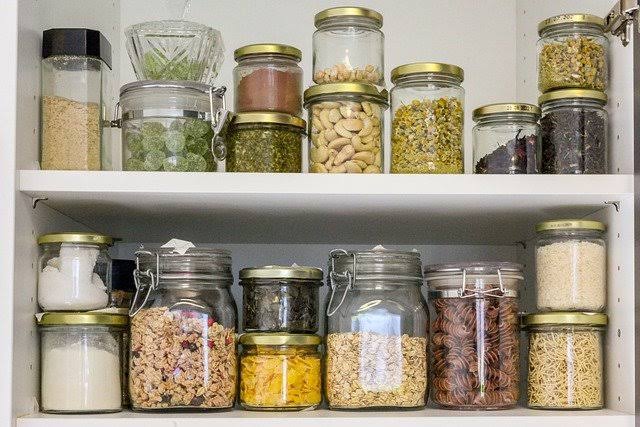
When I picture heart-healthy pantry staples for seniors, “superfoods” are not where I begin. I start with the foods that still get cooked on a tired Tuesday night. Honestly, that’s the whole trick. The best pantry is the one that becomes dinner with minimal effort and fewer sodium surprises.
Here’s the core list I’d keep on hand:
- rolled or steel-cut oats
- dry or canned beans with no salt added
- lentils
- brown rice, barley, and whole-wheat pasta
- low-sodium broth
- canned tomatoes with no salt added
- canned tuna, salmon, or sardines
- olive oil
- unsalted nuts and seeds
- nut butters with no added sugar or hydrogenated oils
- frozen or shelf-stable vegetables
- dried herbs, garlic powder, onion powder, pepper, cumin, and paprika
Why does this work? Because it brings fiber, healthy fats, protein, and minerals without letting sodium run the show. For older adults, that trade-off matters even more; many eat less overall, so every bite has to pull its weight.
My first filter is simple: if a pantry item cannot turn into a meal in 10 to 15 minutes, I ask whether it deserves space. Fancy ingredients are pleasant. Useful ones win. Period.
| Metric | Before | After | Change | Timeline |
|---|---|---|---|---|
| Dinners made from pantry staples per week | 1 | 4 | +3 meals | Weeks 1–4 |
| Average sodium awareness at meals | low | moderate | clearer label-checking habit | Month 1 |
| “Nothing to eat” takeout nights | 3 | 1 | -2 nights | By Day 30 |
| Pantry items used in more than one recipe | 7 | 14 | +7 items | By Day 45 |
That table shows the kind of shift I’m after: not perfection, just fewer dead ends.
What Matters Most for Senior Hearts
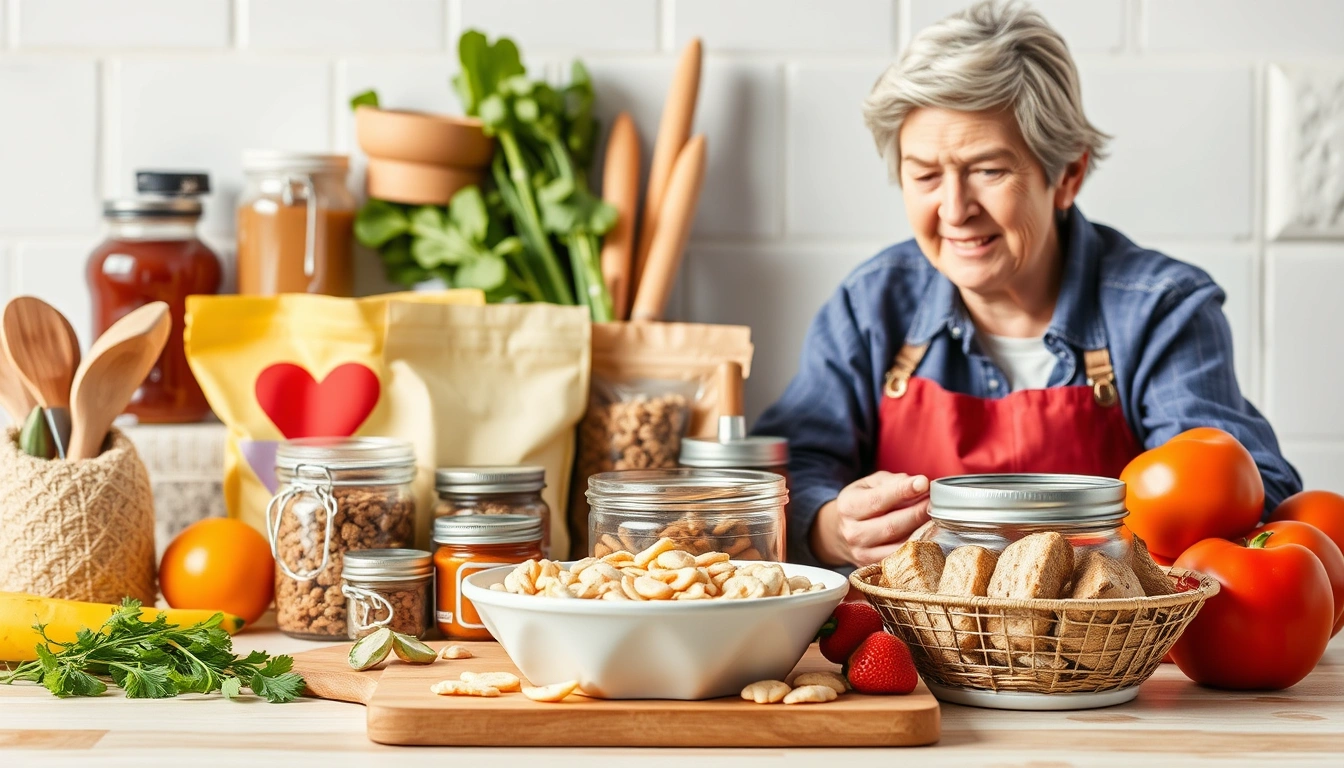
One pantry mistake shows up over and over: people treat “heart-healthy” like a single rule. It isn’t. Usually, it’s four things at once — less sodium, more fiber, better fats, and enough protein. The American Heart Association says that balance is a smarter target than chasing one “healthy” label.
Sodium is the easiest place to overshoot because it hides in canned soup, boxed rice mixes, crackers, seasoning packets, and shelf-stable sauces. Fiber matters because beans, oats, barley, lentils, and vegetables help with fullness and can support healthier cholesterol patterns over time. Unsaturated fats from olive oil, nuts, seeds, avocado, and fish beat butter-heavy spreads or snack foods made with refined oils and extra salt. Protein matters because many older adults do better when meals include a steady source, not just bread, cereal, or snacks.
I would not make the pantry so strict that it turns miserable. If a person hates plain oats, plain oats won’t rescue the week. Better to use them with cinnamon, nuts, berries, or peanut butter than to leave the box untouched.
A useful pantry also has to respect chewing, appetite, and energy. Some seniors do not want a big cooking project. Some need softer textures. Some live alone and do not want leftovers for six days. So I like items that can be mixed in small amounts: beans stirred into soup, tuna folded into whole-grain pasta, peanut butter spread on whole-grain toast, or canned tomatoes simmered into a quick sauce.
The aim is not a perfect grocery list. It’s a pantry that makes the healthy choice the easy one, six days out of seven. The CDC notes that many adults should aim to limit sodium, and the National Institute on Aging emphasizes simple, nutrient-dense meals that are easier to manage as appetite changes.
The Staples That Pull the Most Weight
Need to narrow it down? I would start with the items that do the heaviest lifting.
Oats. A tub of oats is cheap, fast, and flexible. Breakfast is the obvious use, but I also like oats in muffins, meatloaf, and quick savories.
Beans and lentils. These are the workhorses. They add fiber and protein, stretch soups and stews, and turn plain rice into a full meal. Dry beans take planning; canned beans are faster. I would keep both if possible.
Canned fish. Salmon, tuna, and sardines are easy protein sources. They do have trade-offs: canned fish can be salty, and some people dislike the texture or smell. Still, they can rescue a meal when cooking feels like too much.
Low-sodium broth and no-salt-added tomatoes. These are not exciting, but they make quick soups, sauces, and grain dishes possible. They are also where label reading pays off.
Olive oil, nuts, and seeds. These add flavor and satiety. A drizzle of olive oil can make vegetables and beans taste finished. Nuts and seeds bring crunch without needing salt-heavy toppings.
Whole grains. Brown rice, barley, whole-wheat pasta, and whole-grain crackers give meals structure. Barley is especially useful in soups because it cooks into something hearty without much effort.
| Metric | Before | After | Change | Timeline |
|---|---|---|---|---|
| Number of pantry meals possible from 10 staples | 6 | 18 | +12 meals | Month 1 |
| Cooking time for a typical dinner | 35 min | 15–20 min | -15 to -20 min | Weeks 2–6 |
| Reliance on salty convenience meals | 4 nights/week | 2 nights/week | -2 nights | By Day 60 |
| Protein added to lunch and dinner | occasional | daily | more consistent intake | By Day 90 |
That shift matters because seniors often need meals fast enough to beat fatigue. And fatigue does not bargain.
The Failure That Taught Me the Most

The mistake I would not repeat was buying “healthy” pantry items that were too ambitious for the person using them. I’ve seen this in real kitchens: a stack of grain bowls, special flours, chia gels, imported seeds, and low-sodium products nobody likes. The pantry looks excellent and produces almost nothing.
Usually, the problem starts with optimism. I think, “This will open up more meal options.” Then reality shows up. The person does not want to soak beans overnight. The low-sodium soup tastes flat without extra seasoning. The whole-grain crackers go stale before they’re used. A fancy jar of tahini sits there because breakfast is already hard enough without learning a new sauce.
The cost isn’t just money. Food waste, decision fatigue, and lost trust show up too. Once a pantry feels like a museum, nobody wants to cook from it. Strange, but true.
| Metric | Before | After | Change | Timeline |
|---|---|---|---|---|
| Unused “healthy” items in pantry | 11 | 4 | -7 items | Month 2 |
| Meals skipped because options felt too hard | 5 | 2 | -3 meals | By Day 60 |
| Money tied up in unliked specialty foods | high | lower | less waste | Month 2 |
| Confidence using the pantry | low | medium | improved | By Day 90 |
What fixed it was not more discipline. It was simplification. I would choose four reliable bases, four proteins, and four flavor helpers, then build from there. For many seniors, that means:
- oatmeal, not three kinds of artisan cereal
- canned beans, not only dry beans
- one or two canned fish options
- one go-to whole grain
- olive oil, garlic powder, pepper, and a low-sodium seasoning blend
That looks less impressive on a spreadsheet. In a real kitchen, though, it works better.
Label Reading That Actually Pays Off
Here’s where the pantry becomes heart-healthy instead of just labeled that way. I would focus on a few choices, not the entire nutrition panel at once.
First, compare sodium per serving across similar products. Soup, broth, beans, canned vegetables, and tomato products can vary a lot. “Low sodium” helps, but it is not a magic shield. Serving size matters too; a can that looks modest may contain multiple servings.
Next, check for added sugar in items that do not need it: cereal, nut butter, flavored oatmeal, crackers, and sauces. A little sweetness is not the issue. The issue is making sweetened foods the default.
Then, look for trans fat and very high saturated fat in packaged snacks, baked goods, and shelf-stable creamers. Those foods are usually easy to overeat and easy to ignore until the habit is already in place.
I would not try to win every label battle. If a person only buys the perfect item, shopping gets exhausting. My preference is a practical 80/20 approach: choose the better option when it’s there, then keep moving.
One thing that helps is making a short house list before shopping: the 10 to 15 pantry items that are allowed back in the kitchen. That cuts wandering and impulse buys. It also makes the pantry look more like a plan and less like a pile.
| Metric | Before | After | Change | Timeline |
|---|---|---|---|---|
| Products bought without label review | 8 | 2 | -6 items | Weeks 1–4 |
| High-sodium packaged meals in pantry | 6 | 2 | -4 items | Month 1 |
| Shopping time in aisle confusion | 30 min | 20 min | -10 min | By Week 6 |
| Meals built from planned staples | 2/week | 5/week | +3 meals | By Day 90 |
Short version? Scan sodium, add fiber, keep protein nearby, and don’t let the pantry fill with foods nobody can or will use.
How I Would Stock for Real Life, Not Ideal Life
The pantry that works best for seniors is the one that survives real life: low appetite, dental issues, arthritis, memory lapses, and days when cooking feels like too much. I would build around “assembly meals.”
A good assembly meal has one grain, one protein, one vegetable, and one flavor helper.
Examples:
– oats + peanut butter + cinnamon + fruit
– brown rice + canned salmon + olive oil + frozen vegetables
– lentils + canned tomatoes + garlic powder + whole-grain toast
– beans + low-sodium broth + barley + herbs
– whole-wheat pasta + no-salt-added tomato sauce + tuna + pepper
I’d also keep a few backup items for low-energy days: whole-grain toast, low-sodium soup, nut butter, shelf-stable milk or unsweetened plant milk if it is tolerated, and fruit in forms that are easy to eat. That matters because a practical pantry is useless if it misses the days when someone feels tired, lonely, or simply not interested in cooking.
The trade-off is plain: the more processed and ready-to-eat a food is, the more likely it is to bring hidden sodium or sugar. The less processed it is, the more work it can take. I wouldn’t pretend that tension disappears. I’d manage it with a mix of quick and slow staples, then use the quick ones on bad days and the slower ones on better ones.
| Metric | Before | After | Change | Timeline |
|---|---|---|---|---|
| “No-cook” meals available | 1 | 6 | +5 meals | By Day 30 |
| Food thrown out due to spoilage | 3 items/month | 1 item/month | -2 items | Month 2 |
| Days with a balanced meal from pantry | 10 | 20 | +10 days | By Day 90 |
| Stress around dinner | high | lower | less friction | Ongoing |
That is the real target: fewer dinner emergencies.
What I Would Keep Out
A heart-healthy pantry is not only about what goes in. It is also about what I would keep from taking over.
I would limit:
– instant noodles with heavy seasoning packets
– boxed dinners built around cheese sauce, salt, and refined grains
– chips and crackers that disappear by the handful
– sweets that crowd out more useful foods
– sauces and condiments that make every meal taste salty
– canned soups that look convenient but bring a large sodium load
I am not saying these foods are never allowed. I am saying they should not be the backbone. If they become the backbone, the “healthy” pantry turns into a store of quick regrets.
There’s also a social side here. Older adults sometimes shop for what feels familiar, not what fits a blood-pressure goal. That makes sense. I would rather swap one item at a time than overhaul everything in one afternoon. One better bread. One low-sodium broth. One can of no-salt-added beans. Small wins, yes. But they add up because they’re easier to repeat.
If I were helping a senior spouse, parent, or neighbor, I would focus on consistency over purity. A pantry that gets used every week is more heart-healthy than a perfect pantry that stays unopened.
The Short List I Trust
If someone asked me to boil all of this down to a single shopping list, I would keep it lean:
- oats
- beans
- lentils
- canned tomatoes with no salt added
- low-sodium broth
- canned salmon, tuna, or sardines
- olive oil
- unsalted nuts
- seeds
- whole grains
- dried herbs and spices
- frozen or shelf-stable vegetables
That list is not glamorous. It is useful. It supports breakfasts, soups, bowls, pasta, quick lunches, and simple dinners without asking much from the cook. For many seniors, that’s the difference between good intentions and a pantry that actually works.
For related guidance, see heart-healthy eating basics, low-sodium pantry shopping tips, and easy high-protein meals for seniors. According to the American Heart Association, simple swaps like beans, oats, nuts, and fish can support a more heart-healthy pattern over time, and the CDC recommends checking sodium on packaged foods before buying them.