Last updated: August 10, 2026
- Full meal prep can work, but the texture usually holds up better when components stay separate.
- A week of soft, low-sodium meals does not start with a fancy recipe.
- To be fair, I prefer the second option for most people.
- That gives you better texture and tighter sodium control.
Quick Answer: For how meal prep low-sodium soft meals week, the most practical approach is usually mix-and-match prep: cook 2 bases, 2 proteins, 3 vegetables, and 1–2 sauces and keep them separate for 5 days. Need the fastest grab-and-go setup? Full meal prep can work, but the texture usually holds up better when components stay separate.
A week of soft, low-sodium meals does not start with a fancy recipe. It starts with one neutral base, a few gentle add-ons, and a decision: keep everything together, or keep the parts apart? To be fair, I prefer the second option for most people. I write about food and home cooking for readers who need practical, repeatable meals, and how meal prep low-sodium soft meals week is one of those topics where the method matters more than the recipe. According to the American Heart Association, adults should aim for no more than 2,300 mg of sodium a day, and many people are advised to stay closer to 1,500 mg if medically directed. American Heart Association
The real question is not “what sounds healthy.” It is “which prep style will still taste good on day four without turning mushy, bland, or too salty.” I would go with soft, batch-cooked meals built around grains, eggs, legumes, fish, tofu, or very tender poultry, then keep sauces separate until serving. Clean control. That gives you better texture and tighter sodium control.
The Real Difference Between Full Meal Prep and Mix-and-Match Prep
Therefore, full meal prep wins if your week is packed and you want containers ready to grab. Mix-and-match prep wins if your appetite shifts, your chewing tolerance changes, or you are tired of eating the same bowl every day.
Full-prep means you assemble complete meals on prep day: protein, starch, and vegetables all portioned together. That can be the quickest grab-and-go setup, and it can work well for low-sodium eating because you measure the salt once, keep it modest, and stop there. The downside shows up fast. Soft foods can go over the edge. Rice goes gummy, potatoes dry out, and fish turns dull if it sits in sauce too long.
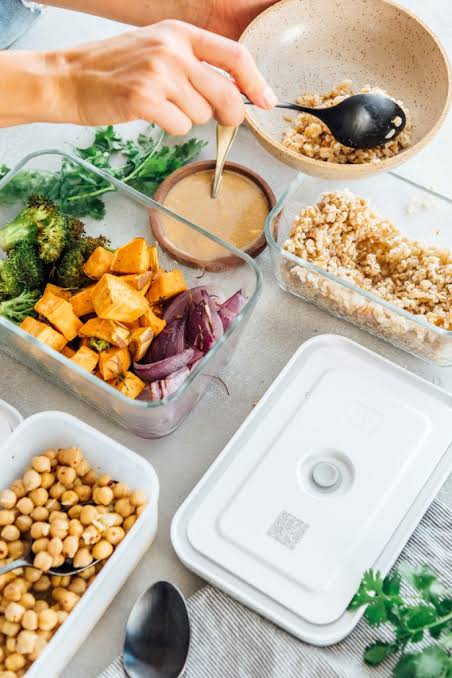
Meanwhile, mix-and-match prep means you cook components separately. I prefer that for many people who need soft meals, because it protects texture. You can keep mashed sweet potatoes in one container, shredded chicken or lentils in another, and a simple gravy or yogurt sauce in a third. Then you combine what you want each day. The trade-off is a little more container space and a little more planning.
Here is the rule I would use in practice: if you are cooking for work lunches and do not want decisions during the week, do full prep. When you need the food to stay pleasant for five days, pick the component-by-component approach. Soft food punishes overcooking, so separation is not fussy—it is insurance.
Low-Sodium Soft Meals: Who Should Actually Use This (and Who Shouldn’t)
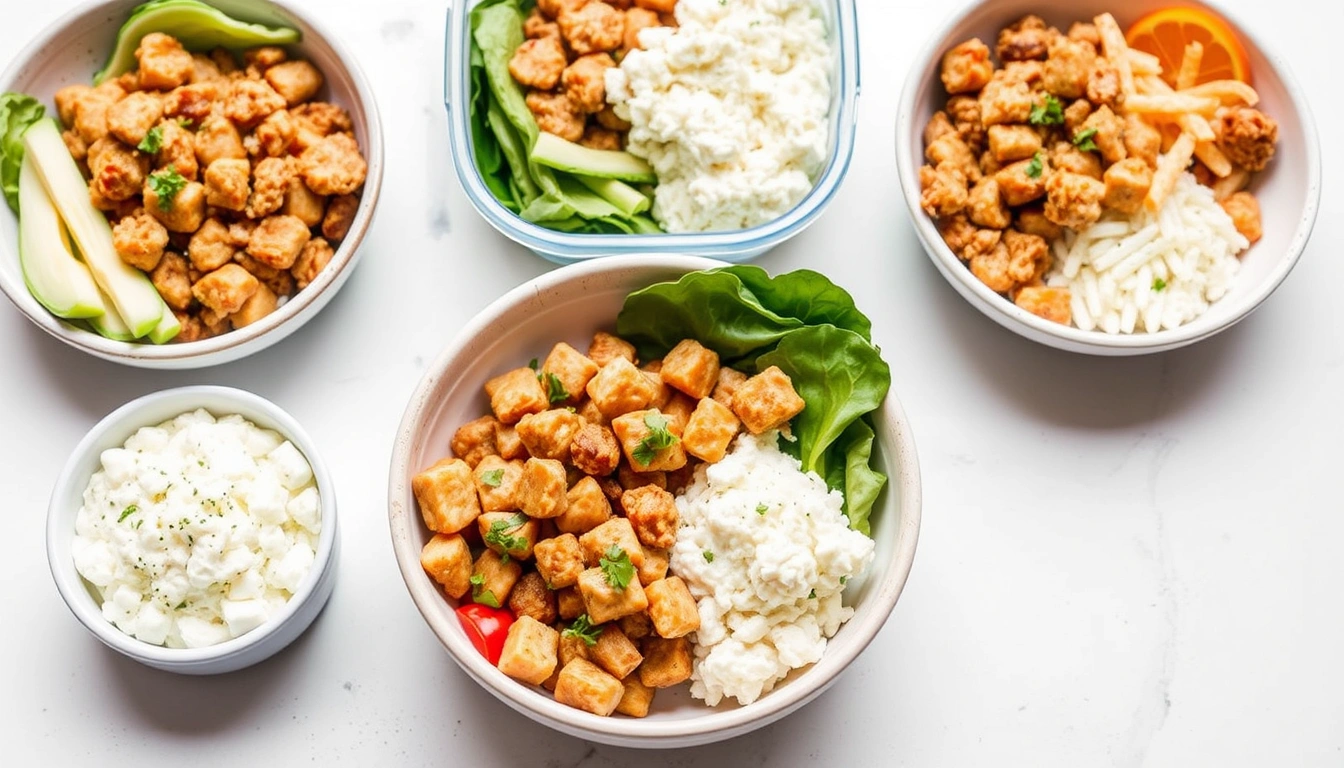
Because soft meals are easier to batch-cook safely, this method suits people who need easy-chew meals and cannot rely on takeout or heavily seasoned convenience foods. That includes anyone recovering from dental work, dealing with jaw fatigue, or trying to keep sodium lower without giving up warm, comforting food. It also suits older adults who do better with tender textures and simple flavors.
Why does it work? Soup, stew, porridge, egg dishes, mashed vegetables, and slow-cooked proteins all scale well. They also handle freezer storage better than crisp foods. For example, a batch of soup can be portioned into 5 or 6 servings and frozen for later use.
I would not recommend this approach as-is if you need high-crunch, high-fiber meals to feel satisfied. Soft meals can get monotonous. They can also run too low in protein if you lean only on potatoes, white rice, and broth-based soups. If you are managing a medical condition that requires sodium restriction, check with your clinician or dietitian about your target, because the right sodium level depends on your diagnosis and overall nutrition needs.
Common strengths:
– Easy to swallow or chew
– Easy to portion ahead
– Easier to keep sodium controlled than restaurant food
– Usually gentle on the stomach when meals are simple
If you are building low-sodium meals, read labels and treat packaged seasoning as part of the sodium budget, and consult a clinician or dietitian if you need a medical sodium target. The FDA notes that Nutrition Facts labels can help you compare sodium per serving across products, and the American Heart Association recommends using them to reduce sodium intake. FDA Nutrition Facts Label American Heart Association
Common weaknesses:
– Texture can fail by day three if everything is cooked together
– Soft meals can taste flat if you do not use acid, herbs, or aromatics
– Some high-sodium shortcuts hide in canned broth, cheese, pickles, and sauces
If your meals need to stay interesting, this is still a good system—but only if you treat seasoning as a separate step, not an afterthought.
The Specific Situations Where Mix-and-Match Wins
Specifically, mix-and-match wins for many people who want the best texture over the longest week. I would choose it for soft meals that will be eaten from Monday through Friday, because separate components hold up better than a fully assembled bowl.
A strong example is a bowl built from mashed cauliflower, soft-cooked carrots, shredded chicken, and a low-sodium pan sauce. Pack everything together, and the carrots bleed into the mash while the chicken dries out. Keep the parts separate, and the meal still tastes deliberate on day four. That difference is not subtle.
This approach is also better if you have different needs at different meals. Maybe breakfast needs to be very soft, lunch only moderately soft, and dinner just tender. Separate components let you vary the final plate without cooking three different meals.
The trade-off is container count. You need more fridge space, more labels, and a little more discipline. It is not as convenient as a single lidded bowl. But if the goal is to avoid soggy food, mix-and-match is the cleaner system.
I also like this format for low-sodium cooking because it lets you season in layers without overdoing salt. A little garlic in the vegetables, a little lemon in the sauce, and a little pepper in the protein give the food shape. You are not chasing saltiness; you are building flavor.
The Honest Side-by-Side

This is the decision table I would use before cooking.
| Criteria | Full Meal Prep | Mix-and-Match Prep | Winner for [condition] |
|---|---|---|---|
| Texture by day 4 or 5 | More likely to soften or blend together | Components stay distinct longer | Mix-and-Match for meals stored most of the week |
| Convenience on busy mornings | Grab and go | Requires assembly | Full Meal Prep for no-thought lunches |
| Flavor control without added sodium | Harder to adjust after packing | Easier to finish with herbs, acid, or sauce | Mix-and-Match for picky eaters |
| Risk of mushy vegetables | Higher | Lower | Mix-and-Match for tender vegetables |
| Fridge space needed | Usually less | Usually more | Full Meal Prep for small fridges when space is limited |
| Ease of portioning | Very easy once assembled | Needs more measuring | Full Meal Prep for strict routines |
| Works with soups, stews, oatmeal, mashed vegetables | Excellent | Good, but less ideal for all-in-one soups | Full Meal Prep for spoonable meals |
| Helps avoid boredom | Weaker unless sauces change daily | Stronger because you can mix portions differently | Mix-and-Match for long weeks |
| Best for very low sodium | Works well if recipes are simple | Works well and gives more control at serving | Mix-and-Match for many people |
Our Verdict: Which One to Choose and Why
Therefore, choose mix-and-match prep if you need soft meals for most of the week and you care about taste past day two. Choose full meal prep if your top priority is convenience and you are fine with some texture loss. Neither works if you cannot store food safely or if your meals need to be made fresh for medical reasons.
That is the blunt answer. I would choose mix-and-match for many people trying to eat low-sodium soft meals for several days, because it gives you the best chance of keeping the food tender, varied, and not bland. Full meal prep is the better call only when the real problem is decision fatigue, not texture.
The main advantage of mix-and-match is control. Low-sodium cooking needs more than “less salt.” It needs a way to add flavor without leaning on salty shortcuts. Separating sauce from base lets you do that. You can finish one bowl with lemon and dill, another with thyme and olive oil, and another with a spoon of unsalted yogurt if dairy works for you.
The weak point is obvious: it takes more effort. If you are already exhausted, that extra step may be enough to make you stop meal prepping at all. In that case, full prep is better than no prep.
Exception Scenarios: When I Would Flip the Recommendation
However, there are a few cases where I would change the answer.
First, if you have only one lunch break and no time to assemble food, full meal prep wins. A ready-made container is better than a perfect plan you never use.
Second, if your soft meals are mostly soups, congee, oatmeal, or stews, full prep is the simpler path. Those foods are already designed to be spoonable, and they travel well in one container.
Third, if you are feeding someone with very specific swallowing guidance from a clinician, follow that plan first. Texture rules matter more than convenience in that setting.
Fourth, if your fridge is tiny and shelf space is tight, full meal prep may be the most realistic option. A system that needs six containers but has nowhere to live will fail in the real kitchen.
How to Build the Week Without Ending Up With Bland Mush
Next, start with two bases, not five recipes. I would use one grain or starch base and one protein base, then rotate sauces and vegetables. For a low-sodium soft week, that might mean oatmeal or rice porridge at breakfast, then mashed potatoes, soft rice, or polenta for lunch and dinner.
Good soft, low-sodium building blocks:
– Oats cooked until creamy
– Rice cooked soft, not dry
– Mashed sweet potatoes or potatoes
– Lentils cooked until tender
– Eggs, especially scrambled or baked
– Tofu, gently simmered or baked until soft
– Shredded chicken or turkey cooked in unsalted liquid
– Flaky fish cooked carefully so it stays moist
– Well-cooked carrots, zucchini, squash, or spinach
Season with garlic, onion, ginger, pepper, lemon, vinegar, parsley, dill, cumin, paprika, or no-salt herb blends. Use a little olive oil, butter, or tahini if those fit your diet. Fat carries flavor and keeps soft foods from tasting thin.
A simple weekly rhythm helps:
1. Cook the starch.
2. Cook the protein.
3. Roast, steam, or simmer the vegetables until very tender.
4. Make one simple sauce or dressing.
5. Pack components separately.
6. Add sauce only when reheating or serving.
For food safety, cool leftovers quickly and refrigerate them promptly in shallow containers. Reheat until steaming hot. If a food feels dry after reheating, add a spoonful of water, broth with no salt added, or sauce before warming.
A Practical 5-Day Example That Actually Holds Up
Then, here is a setup I would trust more than a one-bowl casserole:
- Base: soft rice or mashed potatoes
- Protein: shredded chicken, soft tofu, or lentils
- Vegetable: cooked carrots and zucchini
- Sauce: unsalted herb gravy, lemon-yogurt sauce, or olive oil with garlic and parsley
Day 1: rice, chicken, carrots, herb sauce
Day 2: mashed potatoes, tofu, zucchini, lemon sauce
Day 3: rice, lentils, carrots, olive oil and dill
Day 4: mashed potatoes, chicken, zucchini, mild gravy
Day 5: rice, tofu, carrots, herb sauce
That rotation keeps the food soft without making every container taste identical. If dairy is an issue, skip yogurt and use tahini thinned with water or a simple olive-oil dressing instead. If nuts are an allergen, avoid nut-based sauces and use seed or dairy options instead.
What Generic Meal-Prep Advice Gets Wrong
Because most meal-prep advice assumes crunch is the goal, or it ignores sodium entirely, it starts from the wrong place here. Soft meals need tighter moisture control, and low-sodium meals need more flavor layering. If you cook as if both problems do not exist, the result is usually either bland or soggy.
The other common mistake is putting “healthy” foods in the container without checking the sodium hidden in them. Bread, cheese, bottled sauces, deli meats, canned soups, and seasoned convenience proteins can all push sodium up fast. If you are building low-sodium meals, read labels and treat packaged seasoning as part of the sodium budget. The FDA has a practical sodium guide for comparing packaged foods, and its label guidance can help you spot higher-sodium options quickly. FDA Sodium in Your Diet
I would keep the system simple:
– Pick two proteins
– Pick two starches
– Pick three tender vegetables
– Pick one or two sauces
– Keep salt light, not absent
That is enough to carry a week without making the food feel punishing. The USDA also recommends using MyPlate-style planning to balance the plate across food groups rather than relying on one large starchy base. USDA MyPlate
The Bottom Line
Overall, for low-sodium soft meals, I would choose mix-and-match prep unless convenience is your only priority. It keeps texture better, gives you more flavor control, and makes the food easier to eat on day four than a fully assembled container does. Full meal prep still has a place, but it is the backup plan for people who need everything ready in one step.