Last updated: August 10, 2026
Quick Answer: Low-sodium soup recipes for seniors can work well at about 140 mg of sodium or less per serving when you rely on no-salt-added broth, herbs, vegetables, and a finishing acid. Not bland. Just careful. The real trick is building a bowl with broth, herbs, acid, vegetables, and a few smart shortcuts so it still tastes like dinner. Want comfort without a heavy sodium load? Soup can carry a lot of that weight.
Key Facts / Key Takeaways
– 140 mg sodium per serving is a common “low-sodium” target.
– 1 bowl can be enough when you add beans, lentils, chicken, or yogurt.
– 2–4 meals often come from one pot.
– 3 starter flavors do most of the work: onion, garlic, and leeks.
– 4 smart finishers brighten soup fast: lemon, vinegar, herbs, and yogurt.
What I Mean by “Low-Sodium” for Senior Soup
“Low-sodium” can mean a few different things once you’re actually standing in a kitchen. In low-sodium soup recipes for seniors, I usually build from broth with no salt added, plain vegetables, and herbs—not canned soups, bouillon cubes, or salty sausage. That does not make the bowl sodium-free. It makes it manageable.
I think about the eater, too. Some seniors need softer textures because of dental issues, dry mouth, or trouble swallowing. Others need more protein because they are eating less overall. And some need potassium awareness because of kidney disease or certain medicines. I would not treat one soup recipe as a one-size-fits-all answer; if kidney disease, heart failure, or swallowing trouble is part of the picture, consult a clinician or dietitian. The USDA defines “low sodium” as 140 mg or less per serving on a Nutrition Facts label.
Simple test: if the recipe leans on ham, bacon, boxed stock, instant ramen seasoning, or canned cream soup, it probably is not a good low-sodium default.
| Metric | Before | After | Change | Timeline |
|---|---|---|---|---|
| Main salt source | Bouillon cube + canned soup | Broth with no salt added + herbs | Salt-heavy to salt-light base | Week 1 |
| Texture | Chunky and inconsistent | Soft, spoon-tender vegetables | Easier to chew | Month 1 |
| Flavor | Salty first, everything else second | Herb, garlic, onion, lemon, pepper | More layered taste | By Day 30 |
| Protein | Often missing | Beans, chicken, lentils, or yogurt finish | More filling | Month 2 |
| Leftovers | 1 meal then stale | 2–4 meals from one pot | Less waste | By Day 90 |
The Base Formula I Rely On Every Time

What changed my approach most was stopping the “recipe” mindset and working from a formula instead. My starting point is usually:
- Onion, garlic, or leek for the first layer of flavor
- One or two vegetables that soften well, like carrot, celery, zucchini, cauliflower, or squash
- Broth with no salt added, water, or both
- Herbs and spices that do not depend on salt
- A finishing acid, like lemon juice or vinegar
- A protein if the soup is meant to be a full meal
That structure matters because senior appetites are often smaller. A soup has to do more than taste fine; it has to bring enough nutrition into one bowl.
For flavor, I lean on parsley, dill, thyme, bay leaf, black pepper, cumin, smoked paprika, ginger, and rosemary. Acid gets more use than people expect. A squeeze of lemon at the end can make a low-sodium soup taste brighter without adding salt. A spoon of plain yogurt can do the same for creamy soups. If the soup tastes flat, I usually reach for acid or herbs before I touch the salt shaker.
And I do not recommend overcompensating with fat. Butter and cream can make soup feel richer, sure, but they can also crowd out the vegetables and protein. That matters if the goal is a bowl that fits daily eating, not just a special meal. Funny thing: richness can become a decoy fast.
Six Senior-Friendly Soup Recipes I Would Put on Repeat
These are the recipes I would keep in rotation because they are soft, simple, and easy to adapt.
1. Chicken and Vegetable Soup
Broth with no salt added, shredded cooked chicken, diced carrots, celery, onion, and zucchini works well here. Season with thyme, bay leaf, garlic, and parsley. Finish with lemon juice. This is the most flexible soup for a weeknight.
2. Lentil and Carrot Soup
Cook lentils with onion, carrot, celery, garlic, cumin, and a little smoked paprika. Lentils bring protein and fiber, which helps when appetite is low. If digestion is sensitive, cook the lentils until very soft.
3. Tomato and White Bean Soup
Use no-salt-added crushed tomatoes, rinsed low-sodium or no-salt-added white beans, onion, garlic, basil, and a small splash of vinegar. Blend part of it for a smoother texture.
4. Butternut Squash Soup
Simmer squash with onion, garlic, a bit of ginger, and broth with no salt added. Blend until smooth. I like adding a spoon of plain Greek yogurt or unsalted pumpkin seeds on top for extra protein or crunch, depending on chewing ability.
5. Mushroom Barley Soup
Sauté mushrooms, onion, and garlic, then add barley and broth. Use thyme and black pepper. This one is hearty, but barley may need long cooking time, so it is better for a day when I can simmer patiently.
6. Split Pea Soup
Cook split peas with onion, carrot, celery, bay leaf, and garlic. Skip the ham. The soup still turns thick and filling on its own. If needed, blend part of it for a smoother mouthfeel.
| Metric | Before | After | Change | Timeline |
|---|---|---|---|---|
| Number of repeatable recipes | 0 | 6 | Clear weekly rotation | Week 1 |
| Protein options per bowl | 1 or 2 | 4 or 5 | More variety | Month 1 |
| Soft-texture choices | Limited | 4 soups blend well | Easier for chewing issues | By Day 30 |
| Ingredient overlap | Random shopping | Shared staples | Less waste, simpler prep | Month 2 |
| Dinner fatigue | High | Lower because flavors vary | More likely to keep eating soup | By Day 90 |
The Mistake That Cost Me the Most Flavor
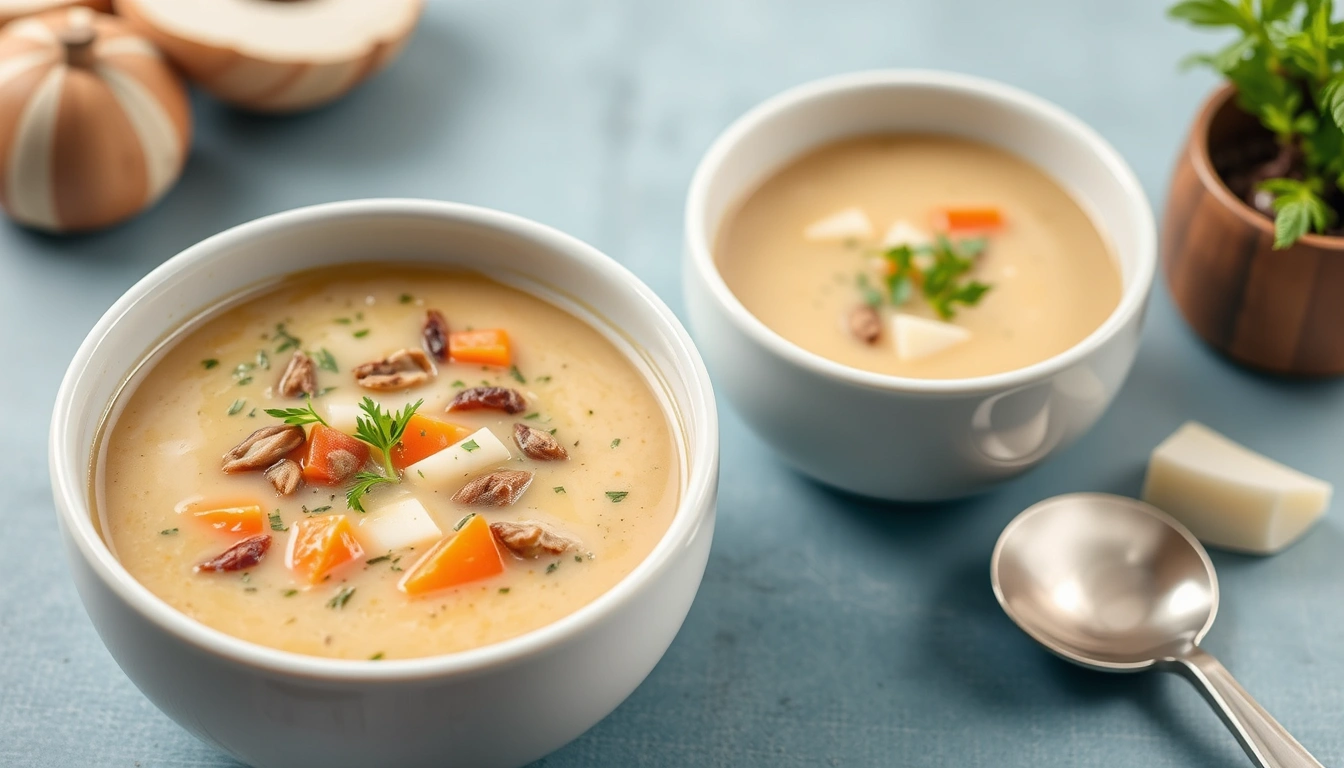
My biggest miss was trying to make low-sodium soup feel “complete” with herbs alone. I made a vegetable pot that looked right, smelled fine, and still tasted thin. I had used broth with no salt added, carrots, celery, onion, and thyme, but I skipped acid and I did not brown the vegetables enough. Polite. Not satisfying.
That pot taught me something useful: low sodium does not mean low technique. It means every other flavor has to work harder.
What it cost was not money so much as time and appetite. The soup needed a second round of repairs: more garlic, a splash of lemon, and a few minutes of reduction. Even then, it was only acceptable. I ended up freezing two portions because nobody wanted a second bowl right away.
Texture got my attention after that. One batch had carrots cut too large for an older eater with weaker chewing. The taste was fine, but the mouthfeel was wrong. That matters more than people think. Seniors often decide within a few spoonfuls whether a soup feels like comfort or work. One spoon can tell the whole story.
| Metric | Before | After | Change | Timeline |
|---|---|---|---|---|
| Flavor depth | Flat | Brighter after lemon and browning | Noticeable improvement | Same day |
| Prep time | Short, but disappointing | Longer by about one step | Better result for the extra effort | Week 2 |
| Waste | 2 portions left uneaten | 2 portions frozen and reused | Less immediate loss, but not ideal | Month 1 |
| Texture fit | Too chunky | Softer after smaller cuts | Better for seniors | Week 3 |
| Confidence | High at start | Lower after first batch | More careful afterward | Month 1 |
How I Make Soup Easier for Seniors to Eat
Here is where a generic article usually falls apart. It gives a recipe and walks away. Real kitchens need adjustments.
If chewing is hard, I cut vegetables smaller than I would for myself, or I cook them longer and blend part of the pot. When appetite is low, I make the soup thicker and more nutrient-dense with beans, lentils, shredded chicken, or plain yogurt. If someone needs finger foods because a spoon is hard to manage, I serve soup with soft toast strips or crackers only if sodium is still under control.
Heat matters, too. Older adults can be more sensitive to very hot soup, and mouth discomfort can make them eat less. Letting the bowl rest for a few minutes sounds minor, but it changes the meal.
Another practical detail: I usually portion soup into small containers after cooking. That makes reheating easier and reduces the chance that a big pot sits in the fridge until it tastes tired. For an older adult living alone, one-cup or two-cup servings are often more realistic than a giant family-style pot.
What I Would Skip, Even If a Recipe Says It’s Healthy
Skip most canned “healthy” soups unless they are specifically low-sodium. They sound right and feel convenient, but the sodium can climb quickly because the flavor base is already built in.
I would also skip heavy reliance on salt substitutes without checking with a clinician. Some potassium-based substitutes are not a good choice for people with kidney disease or certain heart medicines. That is one of those safety issues that deserves a real conversation, not a guess.
The same caution applies to salt-free recipes that are secretly hard to eat. A soup can be low in sodium and still be a poor fit if it is too spicy, too fibrous, too thin, or too hard to chew. “Healthy” does not matter if the person leaves half the bowl untouched.
Practical rule: if a soup recipe solves sodium but ignores appetite, chewing, or protein, it is only half a solution.
My Best Weekly Soup Plan for a Senior Kitchen
If I were setting up a simple routine for an older adult, I would not try to cook seven different soups in a week. I would rotate three.
- Early week: chicken and vegetable soup
- Midweek: lentil or split pea soup
- End of week: squash, tomato-bean, or mushroom barley soup
That rotation covers protein, fiber, soft texture, and variety without making the kitchen feel like a full-time job. It also keeps shopping manageable. A single trip can cover onions, carrots, celery, garlic, broth, beans, lentils, and one or two seasonal vegetables.
I would keep one bright finishing ingredient on hand at all times: lemons, vinegar, or plain yogurt. That one item does more for low-sodium soup than people expect. The goal is a simple system, not a perfect one. Good enough, honestly, is the point.
| Metric | Before | After | Change | Timeline |
|---|---|---|---|---|
| Soup variety | 1 repeated meal | 3-6 rotating options | Less boredom | Week 1 to Month 2 |
| Grocery complexity | Daily improvising | Short staple list | Easier shopping | Month 1 |
| Protein consistency | Uneven | Planned in 2-3 soups | Better satiety | By Day 90 |
| Likelihood of sticking with it | Low | Higher with rotation | More sustainable | By Day 90 |
| Overall meal quality | Mixed | More reliable | Better everyday fit | 3 months |
Low-sodium soup works for seniors when it is built with intention, not apology. I would rather serve one bowl with good broth, soft vegetables, enough protein, and a bright finish than chase a fake “healthy” label. The bowl does not need to be loud. It needs to be satisfying, easy to eat, and safe for the person in front of it.