Last updated: August 10, 2026
- – Smart swaps are most useful when one ingredient is missing or a budget needs stretching.
- Smart swaps win when the problem is a specific ingredient or habit.
- Without it, meal planning turns into a shopping chore and smart swaps become improvisation under pressure.
- I’d use smart swaps in four common situations: You’re missing one ingredient.
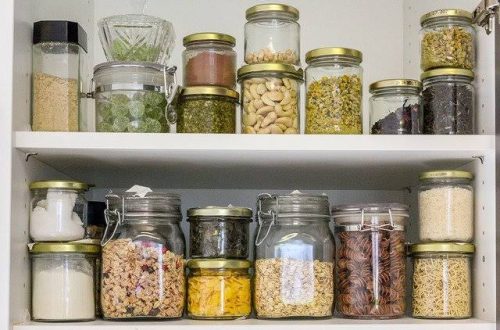
A pantry with 12 to 15 staples can change a weeknight fast. I’m Maya Ellis, and I write about home cooking for readers who want fewer emergency grocery runs and fewer sad dinners. This smart swaps, meal planning, pantry basics — complete guide is for kitchens that feel chaotic, because the fix is not “cook more.” Build a small pantry. Add a few smart swaps. Then plan meals around what you already buy well.
Quick Answer: For most home cooks, smart swaps, meal planning, and pantry basics work best together, and the simplest starting point is a pantry of about 12 to 15 dependable staples.
Key Facts:
– A starter pantry can be kept to 12 to 15 staples, not dozens.
– Smart swaps are most useful when one ingredient is missing or a budget needs stretching.
– Meal planning works best when it uses 3 to 5 repeatable meal templates.
– A pantry makes planning easier because it creates repeatable ingredients.
– For dietary changes, check a tested recipe or a qualified professional when needed. NIH ODS USDA
The Real Difference Between Smart Swaps and Meal Planning
One solves a single snag; the other handles the whole week. Smart swaps win when the problem is a specific ingredient or habit. Meal planning wins when the problem is the whole week. I would reach for smart swaps first if you keep getting stuck on one missing item, one pricey ingredient, or one recipe that derails dinner. Meal planning makes more sense if the issue is repeat takeout, wasted groceries, and that end-of-week feeling that nothing in the fridge matches anything.
A generic article often treats these as the same thing, but a home cook may want to check a trusted source or a qualified professional if a substitution is tied to allergies, medical needs, or another health concern. A smart swap is tactical. It replaces one item with another that does nearly the same job, but costs less, stores longer, or fits more meals. Meal planning is structural. It decides in advance what you’re going to cook, which means you buy with purpose instead of hope. USDA MyPlate Academy of Nutrition and Dietetics
The pantry piece sits in the middle. A basic pantry makes both systems work. Without it, meal planning turns into a shopping chore and smart swaps become improvisation under pressure. With it, both get easier because you already have the building blocks: pasta, rice, beans, canned tomatoes, broth, oil, onions, garlic, peanut butter, flour, and a few spices that actually get used. Twelve staples and 3 to 5 seasonings can go a long way. Honestly, that’s the whole trick.
My recommendation is simple: start with pantry basics, then add smart swaps, then build meal planning around those staples. That order matters. Start with a rigid meal plan before your pantry is stable, and you’ll abandon it. Start with swaps without any plan, and you still end up buying a lot of one-off ingredients.
Pantry Basics: Who Should Actually Use This (and Who Shouldn’t)
Pantry basics are the right starting point for people who want easier weeknight cooking without living in the kitchen. If you’re juggling work, kids, shift changes, or a small budget, a dependable pantry is the most useful thing you can build. It lowers decision fatigue because dinner can start with what you already have. It also reduces waste, since shelf-stable foods can wait while fresh food can’t. A pantry that holds 12 to 15 core items is often enough for many weeknight meals.
Anyone who panic-buys, forgets what’s already at home, or keeps tossing produce should pay attention here. A good pantry gives you repeatable options. You can turn rice and beans into bowls, soup, fried rice, stuffed peppers, or tacos. Canned tomatoes can become sauce, chili, shakshuka, or a quick stew base. That kind of flexibility beats fancy ingredients. By a mile.
The drawback is plain: a pantry does not cook for you. If you stock only shelf-stable food and never buy fresh produce, dairy, or herbs, meals can start to feel heavy and repetitive. Pantry cooking also depends on your willingness to season well and combine textures. Beans, grains, and canned goods are practical, but they can be bland if you treat them like a complete meal on their own. A registered dietitian or other qualified professional can help if you are building a pantry around health limits or nutritional goals. NIH ODS
Pantry basics are not for people who want to cook one highly specific cuisine every night and don’t want to keep core staples on hand. They are also not a cure for disorganization by themselves. If your shelves are packed with duplicate condiments and expired grains, “stocking the pantry” becomes another form of clutter. A pantry audit once a month can help keep the system usable.
My position: start here if you want a kitchen that works on ordinary nights, not just on your best-cooking days.
Smart Swaps: The Specific Situations Where It Wins
Smart swaps win in the real world because they rescue meals without forcing a full reshop. That makes them ideal for households that run out of things at the wrong time, shop once a week, or need to stretch ingredients without making dinner feel like punishment. A single swap can save a 20-minute dinner from turning into a store run. Nice and tidy.
I’d use smart swaps in four common situations:
-
You’re missing one ingredient.
This is the cleanest use case. If a recipe calls for buttermilk, you may be able to use milk plus acid. If you’re out of fresh herbs, dried versions can still carry a sauce or stew. If you lack a particular bean, another bean often fills the same role in a soup or salad. -
You want lower cost without changing the meal too much.
Smart swaps help you keep the same general dinner format. Ground turkey can stand in for ground beef in some dishes. Frozen vegetables can replace fresh in stir-fries, casseroles, and soups when texture is not the main event. -
You need longer shelf life.
Pantry and freezer substitutions reduce spoilage. Canned tomatoes, canned fish, pasta, rice, lentils, and frozen vegetables survive schedule chaos better than delicate produce. -
You need a meal to fit dietary needs.
Substitutions can matter for lactose-free, vegetarian, gluten-free, or lower-sodium cooking, although they are not always one-to-one. Some swaps change texture, salt level, or protein content, so you need to taste and adjust.
The honest downside is that smart swaps can turn into a trap if you use them to dodge basic cooking structure. Some substitutions work beautifully. Others change the dish enough that you end up disappointed and unsure why. That’s why I prefer swaps that preserve function: fat for fat, acid for acid, starch for starch, protein for protein. Crossing categories usually creates problems.
Smart swaps are best for practical cooks, not perfectionists. If you need every recipe to match the original exactly, you will resent substitutions. If you want dinner to happen with less waste and less stress, smart swaps are one of the highest-value habits you can build.
The Honest Side-by-Side
Below is the comparison I wish more articles gave plainly. Pantry basics and smart swaps are not rivals, but if you are deciding where to put your effort first, this table makes the call easier.
| Criteria | Pantry Basics | Smart Swaps | Winner for [condition] |
|---|---|---|---|
| Best starting point | Builds the foundation for many meals | Solves one missing ingredient or problem at a time | Pantry Basics for beginners |
| Helps on busy nights | Yes, if stocked well | Yes, when a recipe is already in motion | Pantry Basics for empty-fridge nights |
| Reduces grocery waste | Strong effect over time | Moderate effect by using what you have | Pantry Basics for long-term waste reduction |
| Supports budget cooking | Very strong when staples are chosen well | Helpful, but depends on the original ingredient | Pantry Basics for consistent savings behavior |
| Flexibility in recipes | Good, because staples combine in many ways | Excellent for adapting recipes in the moment | Smart Swaps for last-minute changes |
| Risk of mistakes | Low if you keep the list simple | Higher if you swap across categories | Pantry Basics for new cooks |
| Upfront thought required | Moderate planning at shopping time | High judgment in the middle of cooking | Pantry Basics for lower-stress routines |
| Best for dietary adaptation | Good for broad patterns | Best for recipe-by-recipe changes | Smart Swaps for special restrictions |
| Best for meal planning | Excellent because it creates repeatable meal templates | Useful as backup, not the core plan | Pantry Basics for planning from what you own |
What this table leaves out on purpose is fantasy efficiency. A pantry does not eliminate work. It simply moves the work to the front end, where you can think once and cook many times. Smart swaps do not magically fix a missing meal plan. They keep dinner from collapsing when real life interrupts your plan. A 10-minute pantry check can prevent a 30-minute store trip.
My view is that pantry basics deserve first attention because they create the conditions for better swaps and better planning. If you only learn substitutions, you are still dependent on luck. If you stock a pantry well, you gain options before the recipe starts.
Pantry Basics: The Real Strengths and the Real Weaknesses
Pantry basics are strongest when you build them around meals, not products. That means thinking in combinations. A can of beans by itself is not dinner. Beans plus rice plus onion plus spice plus a little fat becomes a bowl, a soup, a filling, or a side dish. The pantry wins because it gives you building blocks with long shelf life and wide use. A shelf-stable staple can often carry 2 or 3 meals.
The best pantry staples are the ones that solve more than one problem. Rice, pasta, oats, flour, lentils, canned tomatoes, canned beans, broth, oil, vinegar, peanut butter, and a few seasonings can cover breakfasts, lunches, and dinners. Frozen vegetables deserve a place too; they often function better than people give them credit for because they are ready to use and don’t go limp in the crisper drawer. A bag of frozen vegetables can save 1 grocery trip and 1 meal.
Pantry cooking can also get dull if you never refresh it. A survival pantry is not automatically an enjoyable one. You still need some fresh foods, some acid, and some texture. A little lemon, yogurt, herbs, cabbage, or carrot can keep a meal from tasting flat. The pantry also takes discipline. If you keep buying more jars, more sauces, and more specialty items, you end up with clutter instead of utility.
Who should skip a maximal pantry? Someone who cooks very little and eats most meals out may not benefit from storing a large amount of staple food. Someone with very limited storage space should keep only the staples they truly use. A tiny, honest pantry beats an overstuffed shelf of “maybe later” items.
I’d say pantry basics are best for households that cook three to five times a week, or for anyone who wants the option to cook without an extra store trip. In a lot of homes, 12 staples do more work than 30 random items.
Smart Swaps: The Real Strengths and the Real Weaknesses
Smart swaps are strongest when they protect the shape of the meal. Dinner still looks like dinner. Soup still tastes like soup. Salad still has crunch. That matters because people do not usually need a totally new recipe; they need the recipe they had in mind to survive the fact that the fridge is not cooperating. One good swap can keep a 4-person dinner on track.
The best swaps are boring in the best way. Different pasta shapes can often stand in for one another. Frozen vegetables can replace fresh when they are going into a sauce, a soup, or a bake. Yogurt can sometimes provide the same tangy role as sour cream. Bread crumbs, crackers, or oats can all help bind a mixture if used carefully. These aren’t glamorous tricks. They are the ones that quietly save the night.
The weakness is that bad swaps create hidden failure. A substitute may look similar but behave differently in heat, moisture, or seasoning. Some swaps water down flavor. Some make a dish denser or drier. Others change cooking times. That means smart swapping requires a little judgment. If you are willing to taste, adjust, and accept small differences in the result, the method works much better.
Smart swaps are not the best choice for cooks who want strict repeatability or who dislike improvising. They are also not ideal when a recipe depends on one ingredient for structure, like certain baked goods or emulsified sauces. In those cases, I would rather recommend following a tested formula than trying to substitute on the fly.
My honest take: smart swaps are a rescue tool, not a license to wing everything. Use them to protect dinner, not to make every recipe a guess. A swap should save time, not add a new round of troubleshooting.
Meal Planning: The Specific Situations Where It Wins
Meal planning wins when the real issue is decision overload, food waste, or repeated spending on convenience meals. If you stand in front of the fridge at 6 p.m. and feel defeated before cooking starts, planning is the tool that changes the week. It removes the daily question of “What’s for dinner?” and replaces it with a short list of answers you already accepted earlier. A simple plan can cut decision-making from 7 nights to 1 planning session.
I would use meal planning in three kinds of households:
-
Busy households with fixed schedules.
When your week has predictable pressure points, planning lets you place easy meals on hard days and more involved meals on calmer days. -
Budget-focused households.
Planning helps you buy ingredients with a purpose. That cuts down on accidental extras and duplicate purchases. -
People who waste food because they shop without a map.
If produce goes bad before you use it, a plan gives those ingredients a job.
The best meal plans are not fancy calendars. They are repeatable templates. Think pasta night, grain bowl night, soup night, sheet-pan night, leftovers night. Templates reduce choice without locking you into boredom. A lot of people fail at meal planning because they create seven unique dinners for a week when they really need only three or four patterns repeated in different ways. Three templates can cover most weeknights.
The weakness is rigidity. If every meal has to happen exactly as written, one missed grocery item can wreck the whole system. That is why I would never separate meal planning from pantry basics or smart swaps. Planning works best when it includes fallback meals and flexible ingredients.
If you have a chaotic schedule but like making decisions once instead of every night, meal planning deserves priority.
Our Verdict: Which One to Choose and Why
Choose pantry basics if you want the most reliable improvement with the least mental strain. Choose smart swaps if your main problem is rescuing recipes and adapting what you already have. Neither if your kitchen is full of food you do not eat, your storage is too small for staples, or you are expecting this system to replace all planning on its own.
That is my direct call: pantry basics first, smart swaps second, meal planning built on top of both.
Why this order? Because pantry basics create the raw material for almost everything else. Once you have a dependable core, smart swaps become easier to judge and meal planning becomes less fragile. A pantry helps you say, “I can make something,” while smart swaps help you say, “I can make this work.” Meal planning turns both into a routine. A 12-item pantry can support several different meal templates.
If you can only tackle one part this month, I would pick pantry basics. It gives the fastest broad payoff. You can cook more meals from scratch, save more leftovers, and stop relying on panic shopping. Smart swaps are powerful, but they assume you already have enough cooking confidence to judge what can replace what.
The biggest mistake I see is trying to overhaul the whole kitchen at once. That usually ends in a drawer of unused containers, five new sauces, and no actual dinner plan. Start smaller. Build a pantry that supports two or three dinner patterns. Then learn the substitutions those patterns need. Then make a weekly plan around both.
When to Reconsider This Choice Entirely
There are a few situations where the whole pantry-plus-swaps-plus-planning approach should be reconsidered or scaled way down.
-
You cook rarely and eat out most of the time.
In that case, a large pantry can become clutter. Keep only a few essentials you genuinely use. -
Your storage space is tiny.
A good system needs room to breathe. If your kitchen can’t hold bulk staples or backup ingredients, cut the list to the smallest useful set. -
You follow a highly specific diet that depends on exact ingredients.
Some meals don’t tolerate casual substitution. If medical or dietary needs are involved, talk with a qualified professional before changing ingredients in a major way. A professional can help you avoid a mistake that a generic swap might cause. -
You hate leftovers and repeated ingredients.
Meal planning often works by reusing components across the week. If that feels unbearable, your plan