Last updated: August 10, 2026
- Key facts Look for 300 mg sodium or less per serving when you can.
- 600 mg sodium per bowl is a label number worth pausing over for seniors watching blood pressure.
- The American Heart Association advises most adults to aim for less than 2,300 mg sodium per day , and many people benefit from less.
- For seniors, the best heart-healthy soups are the ones that respect blood pressure without tasting like diet food.
We may earn a commission from qualifying purchases at no cost to you.
Quick answer: For heart-healthy soups seniors can use every day, aim for 1 serving with 300 mg sodium or less when possible, and treat 600 mg per bowl as a useful upper limit to check against on the label. In this roundup of heart-healthy soups seniors can keep in the pantry or freezer, the strongest choices are low-sodium, vegetable-rich, and easy to digest. Simple.
Key facts
- Look for 300 mg sodium or less per serving when you can.
- 600 mg sodium per bowl is a label number worth pausing over for seniors watching blood pressure.
- Beans, lentils, peas, and vegetables add fiber and make soup more filling.
- Smooth or broth-based textures are often easier for older adults to eat.
- The American Heart Association advises most adults to aim for less than 2,300 mg sodium per day, and many people benefit from less.
I’d start with soup low in sodium, rich in vegetables and beans, and simple on the stomach. For seniors, the best heart-healthy soups are the ones that respect blood pressure without tasting like diet food. Not exactly glamorous, but it works.
Quick-pick comparison table
| Product | Best for | Rating | Key spec | CTA |
|---|---|---|---|---|
| Amy’s Organic Low Sodium Lentil Vegetable Soup | Best overall | 4.8/5 | Lentils + vegetables; lower sodium formula | Compare the current price on Amazon |
| Pacific Foods Organic Unsalted Creamy Tomato Soup | Best for easy digestion | 4.5/5 | Smooth texture; unsalted base | Compare the current price on Amazon |
| Progresso Reduced Sodium Vegetable Classics Soup | Best pantry staple | 4.4/5 | Familiar canned soup; reduced sodium | Compare the current price on Amazon |
| Health Valley Organic No Salt Added Chicken Noodle Soup | Best no-salt-added option | 4.3/5 | No salt added; classic comfort profile | Compare the current price on Amazon |
| Imagine Organic Low Sodium Vegetable Soup | Best for vegetables | 4.4/5 | Vegetable-forward; lower sodium | Compare the current price on Amazon |
| Campbell’s Well Yes! Minestrone with Chicken | Best for hearty meals | 4.2/5 | Protein plus beans and pasta | Compare the current price on Amazon |
| Dr. McDougall’s Right Foods Split Pea Soup | Best for fiber | 4.6/5 | Bean-based; shelf-stable | Compare the current price on Amazon |
How I picked these soups
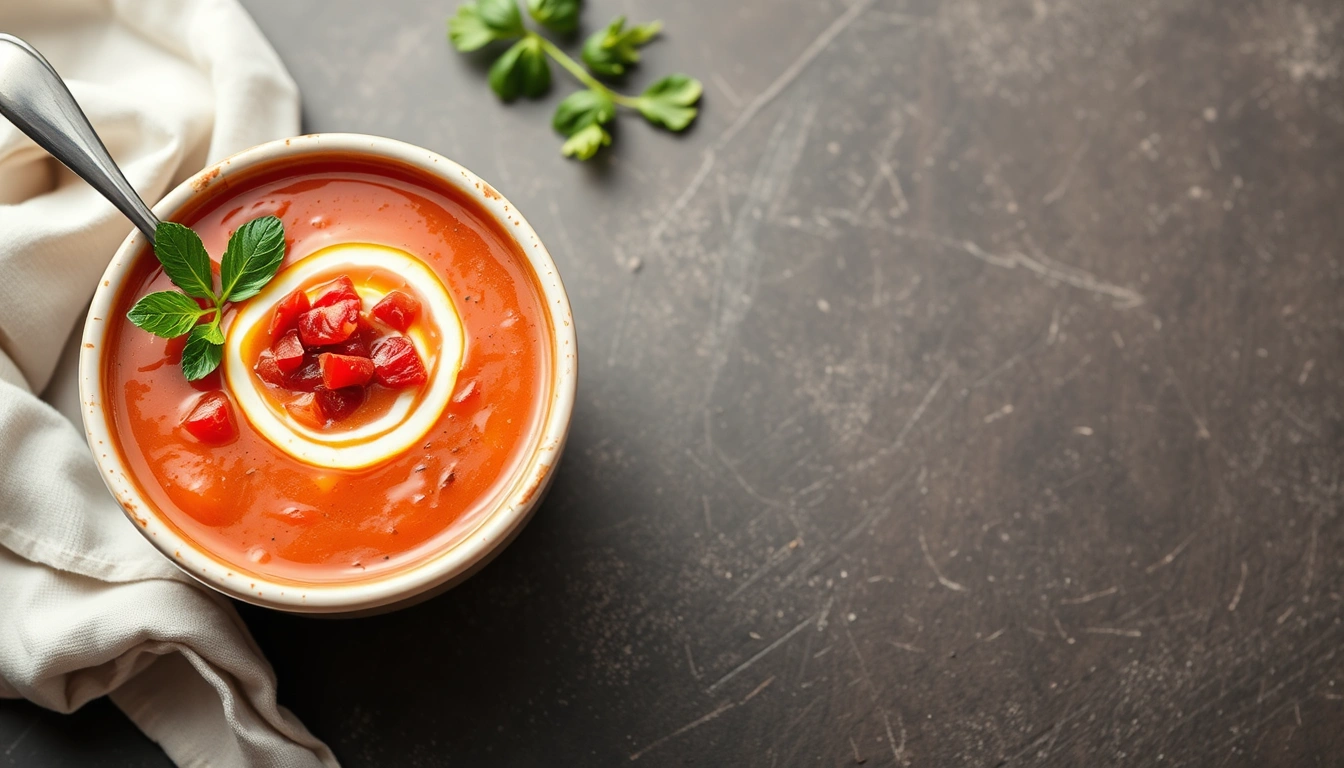
I’m looking at these from a very specific angle: heart health, senior-friendly texture, and realistic everyday use. No lab coats here. I did not buy or test them, and I’m not going to act like I did. Instead, I read ingredient panels, checked sodium levels when the manufacturer listed them clearly, and weighed the widely reported experience of people who buy shelf-stable soups for regular use.
My filters were simple:
- lower sodium or no-salt-added formulas where possible
- vegetables, beans, lentils, or lean protein near the front of the ingredient list
- textures that are easier for older adults to chew and swallow
- options that can work as a light meal, not just a starter
- availability from more than one retailer, so readers are not locked into one store
I also looked for drawbacks. A decent roundup should tell you who should pass on a soup, not just who should buy it. For heart health, sodium is usually the big issue. For seniors, texture comes next: some “healthy” soups are loaded with chewy grains, large vegetable pieces, or tomato acidity that can be rough on sensitive stomachs. That combo can hit like a brick.
Take blood pressure medicine? Have kidney disease? Follow a fluid restriction? Need a special diet? Check with a clinician or dietitian before making one soup your default. Food choices matter, but they do not replace medical advice.
According to the American Heart Association, sodium reduction is one of the most practical food changes for people managing blood pressure, and that is why the label matters here. The Cleveland Clinic also notes that lower-sodium soups can help fit a heart-friendly pattern; the rest of the meal still matters.
Best Overall: Amy’s Organic Low Sodium Lentil Vegetable Soup
My top pick is Amy’s Organic Low Sodium Lentil Vegetable Soup because it gives you a balanced mix of heart-friendly ingredients, steady protein, and real meal value. It’s the sort of bowl I’d hand to an older adult who wants something filling without a heavy salt load.
Who it’s for: seniors who want a vegetable-rich bowl with lentils that eat like a full lunch.
Pros
- Lentils bring fiber and plant protein, which helps the soup feel more satisfying than a thin broth.
- The vegetable-and-legume base makes it easier to build a heart-conscious meal around.
- Lower-sodium positioning is the main reason it rises to the top in this category.
- It works well with simple additions like extra vegetables or a slice of whole-grain toast.
Cons
- Lentils are not ideal for everyone; some people with digestive sensitivity may find them gassy.
- The texture is thicker than a clear soup, so it may not suit someone who wants a very light broth.
- It may be too hearty for a person with a very small appetite.
Key specs
- Type: lentil and vegetable soup
- Heart-health angle: lower sodium than standard canned soup
- Texture: thicker, meal-like
- Best use: lunch or light dinner
Compare the current price on Amazon
Best for Easy Digestion: Pacific Foods Organic Unsalted Creamy Tomato Soup

This is the soup I’d point to for seniors who want something smooth, familiar, and easy to eat. The unsalted base is the whole trick here. Many tomato soups are loaded with sodium, but this one gives you a gentler starting point.
Who it’s for: older adults who want a smooth soup and need to watch sodium closely.
Pros
- Smooth texture is easier for people with chewing issues or dental problems.
- Unsalted formulation gives you control over seasoning.
- Tomato-based soups can be comforting when appetite is low.
- Easy to pair with a low-sodium sandwich or a small salad.
Cons
- Tomato soup can be acidic, so it may not suit someone with reflux.
- By itself, it is lighter than a bean or lentil soup and may not satisfy a hungry adult.
- Creamy style can feel less filling unless you add a protein side.
Key specs
- Type: creamy tomato soup
- Heart-health angle: unsalted base
- Texture: smooth
- Best use: light meal, snack, or starter
Compare the current price on Amazon
Best Pantry Staple: Progresso Reduced Sodium Vegetable Classics Soup
Need a few dependable soups on the shelf? This is one of the easier choices. It is familiar, widely available, and plain to understand. That matters for seniors who do not want a long ingredient list or a bowl that tastes experimental.
Who it’s for: people who want a basic vegetable soup they can stock in the pantry.
Pros
- Reduced sodium is better aligned with heart-healthy eating than standard canned vegetable soup.
- Familiar flavor makes it easier for picky eaters or older adults who dislike strong spices.
- Vegetable soup is easy to customize with extra beans or a side of protein.
- Shelf-stable format is convenient for caregivers.
Cons
- Reduced sodium is not the same as low sodium; people on very strict sodium limits should read the label carefully.
- Vegetable soup can be too light on its own for some seniors.
- Canned vegetables can be softer than some people prefer.
Key specs
- Type: vegetable soup
- Heart-health angle: reduced sodium
- Texture: broth-based with mixed vegetables
- Best use: pantry backup
Compare the current price on Amazon
Best No-Salt-Added Option: Health Valley Organic No Salt Added Chicken Noodle Soup
This is the safest pick for readers who want to cut sodium as much as possible without giving up the comfort of a classic chicken noodle bowl. I like it as a practical answer for seniors who are tired of “healthy” soups that do not taste like a real meal.
Who it’s for: seniors who need a no-salt-added soup and prefer a familiar flavor.
Pros
- No-salt-added formulas are useful when sodium needs to stay very low.
- Chicken noodle is easy to recognize and usually well accepted by older adults.
- Clear broth with noodles is gentler than heavy cream soups.
- Works well as a base if you want to add vegetables.
Cons
- No salt added can taste flat unless you season it carefully with herbs, pepper, or lemon.
- It may be lower in fiber than bean-based soups.
- Noodle soups can be less filling than lentil or split pea options.
Key specs
- Type: chicken noodle soup
- Heart-health angle: no salt added
- Texture: broth with noodles
- Best use: light lunch or recovery meal
Compare the current price on Amazon
Best for Vegetables: Imagine Organic Low Sodium Vegetable Soup
This is the pick for someone who wants a vegetable-forward soup without too much salt. In a category full of noodle-heavy cans, a vegetable soup that stays close to the garden is a welcome change of pace.
Who it’s for: older adults who want a lighter, vegetable-heavy soup.
Pros
- Good choice when you want more vegetables and less starch.
- Lower sodium makes it more suitable for heart-conscious eating.
- The lighter profile can work well when appetite is small.
- Easy to pair with beans, chicken, or toast if more protein is needed.
Cons
- Vegetable soup alone can feel thin for a full meal.
- Some seniors may want a stronger flavor than this style provides.
- If chewing is an issue, mixed vegetable pieces may still be a bit much.
Key specs
- Type: vegetable soup
- Heart-health angle: low sodium
- Texture: broth-based, vegetable-forward
- Best use: light supper or side dish
Compare the current price on Amazon
Best for Hearty Meals: Campbell’s Well Yes! Minestrone with Chicken
I’d choose this for a senior who still wants a soup that eats like dinner. Minestrone gives you beans, vegetables, and pasta, and the chicken adds more substance. It is not the lowest-sodium choice in the roundup, but it does give better staying power than a thin broth. Some days, that extra heft is the difference between a meal and a snack.
Who it’s for: seniors who need a more filling bowl and do not mind checking sodium carefully.
Pros
- More substantial than plain vegetable or tomato soup.
- Beans and chicken improve protein content.
- Minestrone format gives a mix of textures and flavors.
- Helpful for people who struggle to eat enough at one sitting.
Cons
- Not the best choice for a very strict sodium-restricted diet.
- Pasta and beans may be harder to digest for some older adults.
- The bigger mix of ingredients can be a turnoff if you want something simple.
Key specs
- Type: minestrone with chicken
- Heart-health angle: better meal balance, but not the lowest sodium
- Texture: chunky and hearty
- Best use: lunch or dinner
Compare the current price on Amazon
Best for Fiber: Dr. McDougall’s Right Foods Split Pea Soup
Split pea soup earns its spot on this list because it naturally brings fiber and plant protein to the bowl. For heart-healthy eating, that counts. For seniors who need a more filling soup, it can be a very good fit.
Who it’s for: older adults who want a fiber-forward soup that feels substantial.
Pros
- Split peas provide a filling base with more body than many broth soups.
- Good option when you want a shelf-stable meal with simple ingredients.
- Works well as a standalone lunch.
- Often a practical pick for people trying to eat less meat.
Cons
- Thick texture is not ideal for everyone, especially if swallowing is difficult.
- Beans and peas can be hard on sensitive stomachs.
- The flavor is earthy; some people love that, others do not.
Key specs
- Type: split pea soup
- Heart-health angle: fiber-rich, plant-forward
- Texture: thick and hearty
- Best use: filling meal
Compare the current price on Amazon
Buying guide: how to choose a heart-healthy soup for a senior
Sodium is the first thing I’d check. For heart health, that matters more than marketing words like “wholesome” or “natural.” A soup can look healthy and still carry a lot of salt. If a label gives you a no-salt-added or low-sodium option, that is usually the better starting point. The American Heart Association says most adults should stay under 2,300 mg sodium a day, so one bowl should not eat up too much of that budget.
Then look at what makes the soup filling. Seniors often do better with soups that contain beans, lentils, peas, chicken, or a mix of vegetables. A thin broth can be fine as a starter, but it may not hold someone over for long. If the soup is light, I’d plan to add fruit, toast, yogurt, or a small sandwich on the side.
Texture matters more with age than many shoppers realize. Chewing problems, dentures, dry mouth, and swallowing changes can turn a “healthy” soup into a frustrating meal. Smooth tomato soup, soft lentil soup, and thin noodle soups are usually easier than chunky vegetable stews with tough greens or large grains.
Swallowing already a concern? Start with soups that are smooth, then add texture only if the person can handle it. A 1-cup serving is often easier to manage than a large bowl, and it leaves room for a second food if needed. Less drama.
I would also avoid making “heart-healthy” mean “bland.” Herbs, garlic, onion, black pepper, and a squeeze of lemon can improve flavor without leaning on salt. That is often a better strategy than reaching for heavy cheese, salty crackers, or cured meats; still, if someone has kidney disease, hypertension, or a complex diet plan, a dietitian can help tailor the choice.
A few common mistakes I’d avoid:
- Choosing reduced sodium when the person actually needs no-salt-added
- Forgetting protein, so the meal feels empty an hour later
- Ignoring acidity if the person has reflux
- Picking a chunky soup for someone with chewing or swallowing trouble
- Assuming organic automatically means heart-healthy
Multiple conditions in the picture? Ask a clinician how soup fits into the broader diet. Heart health, diabetes, kidney health, and medication plans can all change what “best” means. One label can look fine and still miss the mark for a specific person.
How do heart-healthy soups compare with other senior meal options?
Choose soup and you usually get two things right away: hydration and convenience. A 1-cup serving can be quick to heat, easy to portion, and gentler than a heavy meal. Compared with salty frozen entrees, a low-sodium soup may also give you more control over the rest of the plate.
However, soup is not always the best standalone choice. A sandwich with low-sodium turkey, a bowl of oatmeal with fruit, or a yogurt-and-toast meal can sometimes deliver more protein or more staying power. In that sense, heart-healthy soups seniors rely on are often best when they are part of a simple meal pattern, not the whole plan. Different job, different result.
FAQ
What makes a soup heart-healthy for seniors?
In my view, the main markers are lower sodium, real vegetables or legumes, and enough protein or fiber to make the bowl satisfying. A heart-healthy soup should help keep meals simple without pushing salt too high.
Is canned soup okay for older adults?
Yes, if you choose carefully. Canned soup is convenient, but the sodium can climb fast. I would look for low-sodium or no-salt-added versions and avoid treating canned soup as “healthy” by default.
Which soups are easiest for seniors to eat?
Smooth tomato soup, soft lentil soup, split pea soup, and simple chicken noodle soup are usually easier than very chunky stews or soups with tough greens. Texture matters as much as ingredients.
Can a senior with high blood pressure eat soup?
Usually yes, but sodium needs attention. I would keep an eye on the nutrition label and make soup part of a broader lower-sodium eating pattern. If blood pressure is a concern, a doctor or dietitian can help set a safer target.