Last updated: August 10, 2026
- What Changed by Week 1, Month 2, and Day 90 The biggest change over time was not the recipes themselves.
- By Day 90, I had a consistent prep routine: cook soft, blend long, strain when needed, then adjust at the end.
- For fibrous vegetables, a fine-mesh sieve can remove skins, strings, and seed bits that a blender may miss.
- The Question I’d Answer First: What Makes a Vegetable Puree Safe Enough?
Quick Answer: 4 Safe Vegetable Puree Recipes for Seniors with Swallowing Concerns
A spoonful can tell you a lot. When swallowing is difficult, the safest vegetable puree is the one that stays smooth, moist, and matched to the person’s prescribed texture level. In many seniors with swallowing concerns, that means very soft-cooked vegetables, blended with a small amount of liquid, then strained if needed. Not just soft. Predictable.
Key Facts
- Vegetable puree recipes for seniors with swallowing concerns should match the texture level recommended by a speech-language pathologist or doctor.
- A practical base formula is 2 cups cooked vegetables plus 2 to 6 tablespoons of warm liquid, adjusted teaspoon by teaspoon.
- For fibrous vegetables, a fine-mesh sieve can remove skins, strings, and seed bits that a blender may miss.
- Reheated puree often thickens, so it should be checked and loosened before serving.
- If there is coughing, choking, or an untreated swallowing disorder, get medical guidance before serving purees regularly.
- The recipes below use common vegetables and can be adapted for people following dysphagia diet guidance or IDDSI texture standards.
Texture comes first here. I’d start with mild vegetables, cook them until they are very soft, blend in a little liquid, and strain away any skins or fibers that linger. The point is not “soft food.” It is food that moves cleanly and does not leave lumps, strings, or dry edges behind.
The Question I’d Answer First: What Makes a Vegetable Puree Safe Enough?
For a senior with swallowing concerns, flavor is secondary. Control is the issue. A puree can look fine and still be risky if it is too thin, too sticky, or full of tiny particles that catch in the throat. I’d treat every vegetable puree recipe as a texture job first and a recipe second, and I’d follow the person’s care plan or ask a speech-language pathologist if the right level is unclear.
Three rules guide these recipes. Cook the vegetables until they break apart with almost no resistance. Blend longer than feels necessary. Then adjust the finished puree with the smallest amount of liquid needed to reach the prescribed consistency. If a speech-language pathologist or doctor has already recommended a specific texture, follow that advice before any recipe. For more on swallowing guidance, see the NHS dysphagia overview and ASHA’s Adult Dysphagia page.
One caution sits in the background: not every puree fits every swallowing issue. Some people need thicker, spoon-holding textures. Others handle thin liquids better than dense purees. Spinach can turn stringy without straining. Pea puree may leave skins behind if the blender is weak. Carrot puree can get too thick once it cools. Sneaky little trap, really. Those details matter more than the ingredient list.
My Base Formula for Vegetable Purees That Hold Together
For most vegetable puree recipes, I use the same base method because technique shapes consistency as much as ingredients do. My basic structure is simple: 2 cups of cooked vegetables, 2 to 6 tablespoons of warm liquid, 1 teaspoon of fat if needed for mouthfeel, and salt only if the person’s diet allows it. The liquid can be low-sodium broth, cooking water, or milk if dairy is tolerated.
Tools matter too. A high-speed blender gives the smoothest finish, but an immersion blender can work if the vegetables are very soft. A fine-mesh sieve is the backup step I would not skip for fibrous vegetables. A rubber spatula helps push every bit through the sieve, which matters when the goal is a uniform texture rather than waste. If I were making purees regularly, I’d keep the blender, sieve, and silicone spatula together. For practical kitchen safety, Mayo Clinic’s swallowing problems resource is a useful reference.
Texture control is where most generic recipes fall apart. Too thick, and the puree can be tiring to swallow. Too thin, and it spreads too fast in the mouth. Something that sits in the fridge overnight often thickens, so I’d loosen it with a teaspoon at a time before serving. Warm, not hot, is the safer bet; heat can make swallowing harder for some people and hide texture problems.
| Metric | Before | After | Change | Timeline |
|---|---|---|---|---|
| Texture consistency | Uneven, lumpy, variable | Smooth, spoonable puree | More predictable mouthfeel | Week 1 |
| Straining step | Skipped | Used for fibrous vegetables | Fewer stringy bits | Week 1 |
| Reheating adjustment | None | 1–3 tsp warm liquid added | Better serving texture | Month 1 |
| Recipe repeatability | Guesswork | Measured base formula | More consistent batches | By Day 30 |
Four Vegetable Puree Recipes I Would Actually Rotate
I prefer food that tastes like food. Not like baby food with the volume turned down. These four are mild, practical, and easy to keep smooth.
1) Carrot and Sweet Potato Puree
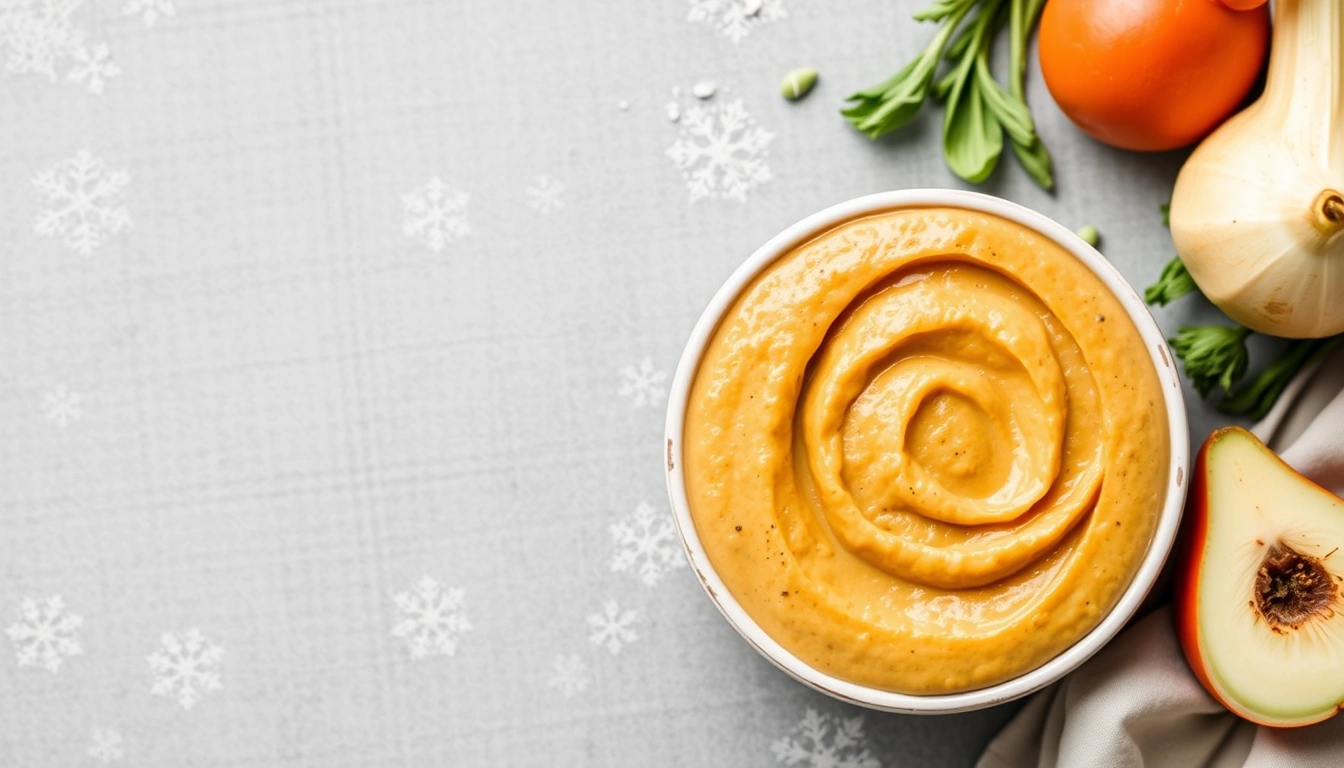
This is the easiest place to begin. Peel and cube 3 medium carrots and 1 medium sweet potato, then steam them until they collapse under a fork. Blend with 3 to 5 tablespoons of warm low-sodium broth and 1 teaspoon of olive oil. If the puree feels dense, add liquid one teaspoon at a time. A pinch of ginger can help, but only if the person likes it and tolerates it.
2) Cauliflower and Potato Puree
This one tastes softer and more neutral. Steam 2 cups cauliflower florets and 1 peeled potato until very soft. Blend with warm milk or broth until smooth. Cauliflower can taste flat if underseasoned, so I’d usually add a small amount of butter or olive oil. If the person avoids dairy, broth plus oil still works well.
3) Butternut Squash Puree
Butternut squash already has a creamy texture, which makes it useful when chewing is tiring. Roast or steam peeled cubes until tender, then blend with a little broth. This puree can become too thick as it cools, so I’d keep extra warm liquid nearby. It works well with a tiny amount of sage or cinnamon, but I’d keep seasoning light.
4) Pea and Mint Puree
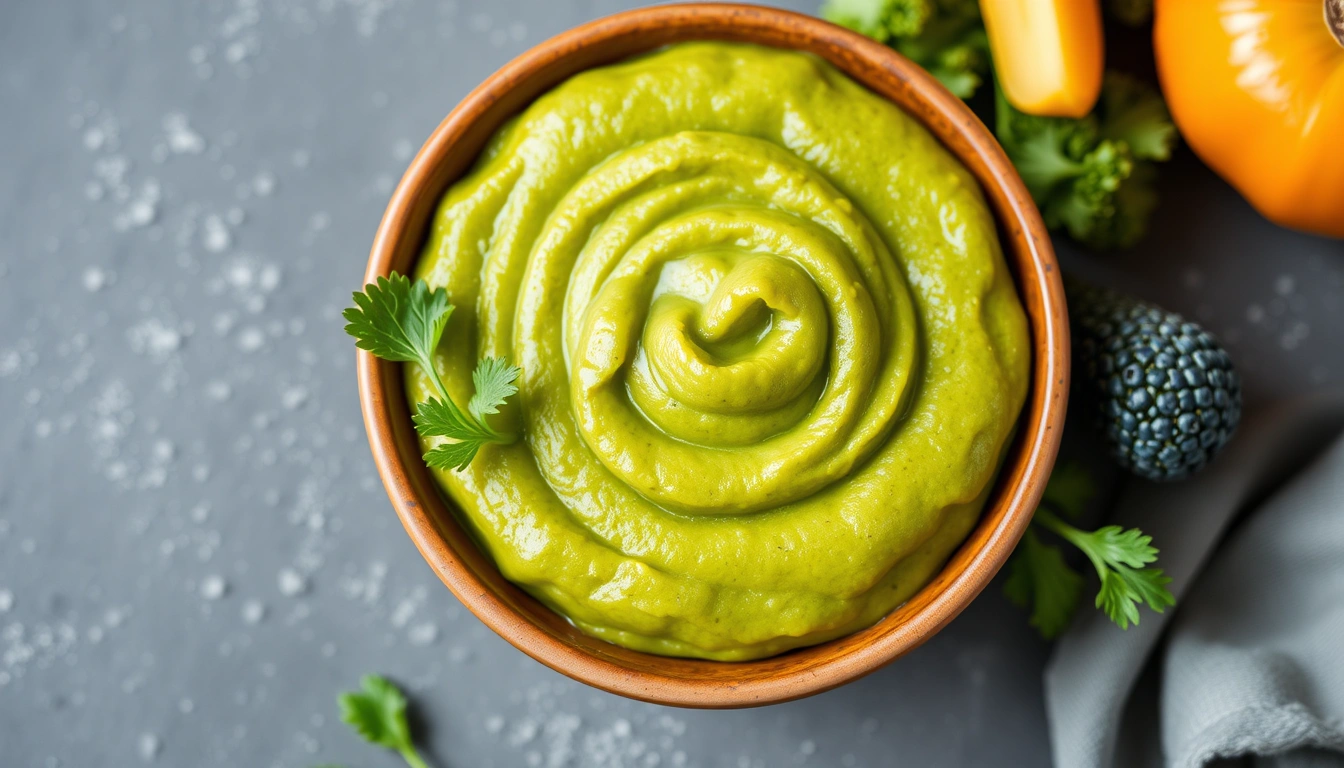
Peas bring a brighter flavor, but they also bring skins. Cook them until they are very soft, then blend thoroughly and strain if needed. A small amount of mint can lift the flavor, though too much can dominate the dish. If the blender is weak, I would not use this recipe as-is for someone with a strict swallowing plan.
| Recipe | Main Strength | Main Risk | Best Fix | Timeline |
|---|---|---|---|---|
| Carrot and sweet potato | Mild, sweet, smooth | Too thick when cooled | Add warm broth | Week 1 |
| Cauliflower and potato | Neutral, creamy | Can taste bland | Use a little butter or oil | Week 2 |
| Butternut squash | Naturally velvety | Over-thickens fast | Thin before serving | Week 2 |
| Pea and mint | Fresh flavor | Skins and grit | Blend longer, then strain | Month 1 |
The Mistake That Cost Me the Most Trust in the Recipe
The biggest failure came from assuming “smooth in the blender” meant “safe on the spoon.” It didn’t. I made a batch of pea puree that looked finished after about 45 seconds of blending, but the first spoonful still had tiny skins and a slightly rough finish. Visually, it passed. In the mouth, not so much.
That mistake cost me a full batch, plus the time it took to re-cook and reprocess the peas. It also changed how I handle every puree with skins, seeds, or fibers. Now I check two things before serving: whether the puree smears cleanly on the back of a spoon, and whether it stays uniform after sitting for 5 minutes. If I see separation or grit, I do not serve it yet.
A second problem followed. I added too much liquid trying to fix the texture quickly, and the puree became thin enough that it no longer felt stable. I had to thicken it again with more cooked potato, which made the flavor duller. That round trip taught me that small adjustments are safer than rescue attempts. Add 1 teaspoon at a time. Wait. Recheck. Repeat.
This is the part generic articles leave out: texture mistakes are not just annoying. They waste food, time, and confidence. For a senior who is already nervous about eating, one unpleasant spoonful can make the next meal harder.
What Changed by Week 1, Month 2, and Day 90
The biggest change over time was not the recipes themselves. It was the process. By Week 1, I had stopped guessing at liquid amounts and began writing them down. By Month 2, I had a short rotation of vegetables that blended cleanly without much straining. By Day 90, I had a consistent prep routine: cook soft, blend long, strain when needed, then adjust at the end.
I’d be honest about what did not change. These recipes do not solve swallowing problems on their own. They support safe eating when the texture is right, but the person still needs individualized guidance if dysphagia is part of the picture. That matters. A puree that works for one senior may be wrong for another.
The practical upside was simpler meals with fewer surprises. The food was easier to portion, easier to rewarm, and easier to keep consistent from one batch to the next. Leftovers need a quick texture check before serving again, because refrigeration changes the feel. See also the IDDSI framework and NIDCD’s swallowing disorders page.
| Metric | Before | After | Change | Timeline |
|---|---|---|---|---|
| Liquid guesswork | 3–6 tablespoons added blindly | Measured in teaspoons at the end | Fewer over-thinned batches | Week 1 |
| Recipe rotation | 1–2 vegetables | 4 dependable options | More variety | Month 2 |
| Straining use | Rare | Routine for fibrous blends | Smoother finish | Month 2 |
| Leftover texture | Unchecked | Rechecked and loosened | Better repeat servings | By Day 90 |
The One Thing That Made the Biggest Difference
Not a fancy appliance. That was never it. Cooking the vegetables softer than I thought necessary made the biggest difference. Most problems disappeared when I stopped aiming for “tender” and started aiming for “collapse easily with a fork.” That extra softness made blending faster, reduced grit, and cut down on the amount of liquid needed.
I also found that a fine-mesh sieve was worth the extra minute for vegetables with skins or fibers. It was especially useful for peas, spinach, and anything with small seeds or threads. A blender can create the illusion of smoothness; a sieve checks it. Dull, yes. Useful, absolutely.
The second change that helped was keeping flavors simple. Seniors with swallowing concerns often do better when the food is familiar and not overloaded with herbs, garlic, or pepper. A puree does not need to be exciting to be comforting. It needs to be steady, warm, and easy to manage.
I would still choose variety where possible, because monotony can kill appetite. But I’d rather rotate four simple purees than push one complicated recipe that breaks texture every other batch.
Vegetable Puree Recipes for Seniors with Swallowing Concerns: Alternatives and vs.
Since vegetable puree recipes for seniors with swallowing concerns are only one option, I would compare them with mashed vegetables, soups, and commercial texture-modified foods before deciding what to serve. Mashed vegetables may work for people who can handle a thicker, less uniform texture, while soups may suit people who do better with thinner liquids and a separate thickener plan. Commercial products can be convenient when consistency matters, but they may cost more and still need a label check for the right level. I would compare them against texture-modified diets and, if needed, ask a clinician which option fits the swallowing plan best.
These recipes are for seniors who need soft, smooth vegetable dishes and who can swallow the prescribed texture safely. They are not for anyone with an untreated swallowing disorder, frequent coughing during meals, or a recent choking episode without medical guidance. If there is any doubt, I’d talk with a doctor or speech-language pathologist before serving purees regularly, and I’d use sources such as ASHA or the NHS to confirm the next step.
They are also not ideal for every vegetable. Celery, asparagus, corn, and other fibrous or seedy vegetables often need more straining and more patience than a simple recipe suggests. Strong seasoning can also be a problem if it irritates the mouth or overwhelms someone with reduced appetite.
What I like about these recipes is that they are practical, not precious. They use common vegetables, ordinary kitchen tools, and a method that can be repeated on a weekday evening. That matters when the real goal is getting nourishing food onto the spoon without a fight.