Last updated: August 10, 2026
- – Texture can change after resting for 1 to 3 minutes.
- Texture can change after resting for 1 to 3 minutes.
- For a medical soft diet, consult a doctor, speech-language pathologist, or registered dietitian first.
- – Small batches blend more evenly than full containers.
Quick Answer: How to puree foods safely for a soft diet: cook food until very soft, puree it in small batches, and recheck the texture after 1 to 3 minutes. For a medical soft diet, consult a doctor, speech-language pathologist, or registered dietitian first.
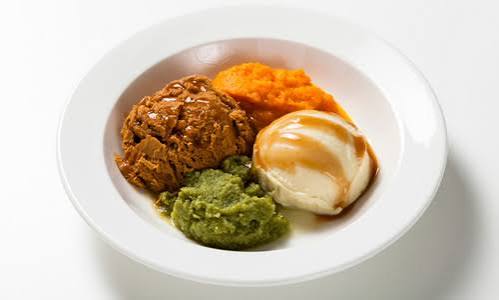
Pureeing food for a soft diet — or how puree foods safely soft diet preparation — is really about three things: a texture that goes down safely, enough moisture to keep it workable, and a result that still fits the person eating it. When a medical soft diet is involved, a clinician should set the texture target; not guesswork, not a “close enough” approach. So consult a doctor, speech-language pathologist, or registered dietitian before changing textures, especially for swallowing trouble, recent surgery, cancer treatment, neurologic disease, or frailty. The IDDSI framework is the standard reference many clinicians use for texture levels, including pureed foods and thickened liquids. Short version. Follow the plan.
Key Facts
– A puree can look smooth and still be unsafe if it is lumpy, sticky, dry, or separating.
– Texture can change after resting for 1 to 3 minutes.
– Small batches blend more evenly than full containers.
– Add liquid slowly: too little leaves food chalky; too much makes it soupy.
– When someone coughs during meals, wets their voice after swallowing, loses weight unintentionally, avoids food because it is hard to manage, or has a history of choking, consult a professional.
– Pureed meals can support calorie and protein needs, but a dietitian can help balance them.
What “Safe” Actually Means When You Puree Food
“Safe” is not the same thing as “blended.” A puree can still be unsafe if it is lumpy, sticky, dry, stringy, or separates into liquid and solids after sitting. In a soft diet, the target is usually smooth, cohesive, and easy to manage with minimal chewing. In dysphagia care, texture guidance often depends on the person’s swallowing plan, so I would not treat one puree standard as right for everyone; consult a speech-language pathologist or other qualified clinician for that plan.
What do I check first? Spoon test, then rest test. Does the food hold together on a spoon, slide off cleanly, and stay smooth after resting? Otherwise, it usually needs more liquid, more blending time, or straining. Foods that fibrously “rope,” like celery, pineapple, or some meats, are much harder to make safe without a very good processor and careful handling. That texture can go sideways fast.
Here is the simplest rule I would use: cook the food until it is very soft, puree it with added liquid, then check the texture again after it sits for a minute. That last check matters because some purees look smooth at first and then turn grainy or separate.
What I Start With: The Right Foods, Cooked the Right Way

Cooked foods that already break down cleanly are the easiest to puree well. I would start with vegetables like carrots, squash, sweet potato, cauliflower, or peas; tender fruits like peaches or pears; oatmeal; yogurt; cottage cheese if it is appropriate for the diet; and tender proteins that have been cooked until they shred easily. When meats are the focus, a moist braise, stew, or poached preparation usually purees better than grilled or roasted cuts that have dried out.
Cooking comes first. Pureeing raw produce or dry proteins usually creates a gritty texture and raises the chance of failure. Steam, boil, braise, poach, or slow-cook until the food gives easily under a fork. Remove bones, skins, seeds, gristle, and tough membranes. I would also trim visible fat from meats if the puree is separating badly, since excess fat can make the final texture greasy and unstable.
Some foods just refuse to cooperate. Cooked corn, coconut, leafy greens with tough stems, and stringy meats can remain problematic no matter how long they are blended. If a food keeps turning fibrous or wet in one place and dry in another, I would choose a different base rather than fight it. No point wrestling a bad candidate.
The Basic Method I Would Use in a Home Kitchen
A reliable puree starts with a small batch. Overfilling the blender is one of the easiest ways to get uneven texture. I would cut food into uniform pieces, add a modest amount of hot cooking liquid, broth, milk, or another appropriate liquid, then blend in short bursts before running the machine longer. A high-speed blender, food processor, or immersion blender can all work; the main difference is how fine and uniform the result becomes.
Liquid matters just as much as the machine. Add too little and the puree stays thick, dry, or chalky. Add too much and it becomes soupy and may separate on the plate. When the food is for someone who needs a prescribed swallowing texture, the target texture should come from that plan, not from guesswork.
I would also puree hot foods while they are still warm, not scalding, because heat often helps the blend move more evenly. Then I would taste and check the texture, adding more liquid in tiny amounts. If the puree is still grainy, I would blend longer. If it is too loose, I would return it to a saucepan and reduce it carefully, or thicken it with a suitable ingredient if that fits the meal plan. Honestly, that step saves headaches later.
A useful habit: puree one ingredient or one main dish at a time before combining them. Mixed textures can hide lumps.
The Mistake That Cost the Most Time: Rushing the Texture Check

My biggest caution is simple: never assume a puree is smooth just because it looks smooth in the blender. Texture can change after resting for 1 to 3 minutes. Air bubbles collapse, starches thicken, and stringy bits rise or sink. A batch that looked fine at first can reveal small chunks once you spoon it out.
The mistake I would avoid most is using a blender until the food is “mostly smooth” and stopping there. That leaves fragments that may be harmless for some people and unsafe for others. When the puree is meant for a soft diet related to swallowing difficulty, the standard needs to be stricter. I would check with a spoon against a white bowl, because visual contrast makes small lumps easier to spot.
Another common failure is forgetting about the edges of the container. Blenders and food processors often leave a ring of untouched material near the sides or under the blade. Scrape down the bowl, blend again, and check once more. That extra minute often matters more than adding another splash of liquid. Small detail. Big difference.
| Metric | Before | After | Change | Timeline |
|---|---|---|---|---|
| Texture smoothness | Mixed, with small lumps | Even, spoonable puree | Better consistency | Week 1 |
| Batch reliability | Inconsistent from bowl to bowl | More uniform across servings | Fewer failed batches | Month 1 |
| Need to rework food | Frequent extra blending | Occasional brief re-blend | Less correction time | Month 2 |
| Confidence serving it safely | Uncertain | More deliberate and repeatable | Clearer process | By Day 30 |
That table reflects the reality of the method, not a miracle outcome: the process gets easier when the habit gets stricter.
How I Keep Purees Moist, Nutritious, and Actually Edible
A soft diet can fail on flavor long before it fails on texture. Pureed food that is technically safe but tastes flat is hard to keep up with. I would build in moisture and seasoning at the cooking stage instead of trying to rescue a bland puree at the end. Savory foods can benefit from herbs, low-sodium broth, onions, garlic, or mild sauces that fit the diet. Sweet foods can use fruit, yogurt, cinnamon, or a little applesauce to help.
Protein is where things get finicky. Pureed meats can turn pasty or dry. A small amount of broth, gravy, sauce, or cooking liquid often improves both texture and palatability. Some people also do better with moist protein foods like scrambled eggs, smooth yogurt, tofu, or puréed legumes, depending on what their care plan allows.
I would think about nutrition at every meal. Pureed vegetables alone may not give enough protein or calories for someone recovering from illness or with a poor appetite. For example, a person who eats only vegetable puree at lunch may miss the protein they need to recover well. A dietitian can help balance meals so the texture is appropriate and the food still meets the person’s needs. That matters especially when appetite is low, chewing is tiring, or the soft diet is expected to last more than a few days.
One trade-off is obvious: the smoother you make food, the more you can lose the original texture and sometimes the original appeal. The payoff is that meals are easier to eat and often easier to finish. My view is that a modestly seasoned, well-moistened puree is far better than a bland one that gets refused. Bland food falls flat. Every time.
How I Store, Reheat, and Serve It Without Ruining the Texture
Purees are most reliable when they are served soon after making them, but leftovers can still work if handled carefully. I would cool food promptly, store it in clean containers, and reheat it until it is evenly hot without scorching. Uneven heating creates hot spots and can also dry out the edges, which changes the texture.
When reheating, I would add a small amount of liquid if the puree has thickened too much in the refrigerator. Starch-heavy purees, like potato or squash, often stiffen after chilling. Soups and thinner blends can separate, so stirring well after reheating matters. If a puree becomes watery, I would qualify the fix: rather than stirring harder and hoping, I would adjust the starting liquid or thickening method next time.
Serving matters too. I would avoid dry crumbly sides, mixed textures on the same plate, or foods that require biting and tearing if the diet is meant to stay soft. In the case of people with swallowing risk, the simplest plate is often the most practical one: a smooth main dish, a smooth side, and a smooth drink only if the swallowing plan allows it. A clinician can advise whether thin liquids, thickened liquids, or no specific liquid texture is appropriate, because that varies a lot from person to person. Safe, not fancy.
The Part Most Generic Advice Leaves Out: Who This Is Not For
Pureeing food at home is not a substitute for swallowing guidance when swallowing itself is the problem. When someone coughs during meals, wets their voice after swallowing, loses weight unintentionally, avoids food because it is hard to manage, or has a history of choking, I would not treat kitchen technique as the whole answer. Those are reasons to seek a professional assessment from a doctor, speech-language pathologist, or registered dietitian.
This approach is also not ideal for every soft diet label. “Soft diet” can mean different things in different settings. One person may need simply tender foods that are easy to chew. Another may need fully smooth purees. The difference matters. I would not assume that what is safe for one person is safe for another.
A final honest limitation: home pureeing takes time, attention, and a willingness to discard batches that do not meet the texture you need. It is not the fastest way to feed someone, and it is not the right answer if you need a highly specific texture prescription without error. Still, for many families and caregivers, a careful method can make soft meals more manageable, more consistent, and less stressful. That is the trade-off.
| Metric | Before | After | Change | Timeline |
|---|---|---|---|---|
| Meal texture consistency | Variable | More predictable | Better control | Week 2 |
| Food acceptance | Low with bland batches | Improved with seasoning and moisture | More palatable meals | Month 1 |
| Leftover usability | Often poor | More usable when stored and reheated well | Less waste | Month 2 |
| Need for professional review | Unclear | Clearer when symptoms or medical need exist | Safer decision-making | Ongoing |
If you want one practical takeaway, I would make it this: cook until very soft, blend in small batches, add liquid slowly, recheck after resting, and get professional guidance when the soft diet is tied to swallowing, surgery, or any medical condition. That is the safest way to puree food without turning the kitchen into a guessing game.