Last updated: August 10, 2026
- According to USDA FoodData Central, 2 large eggs have about 140 mg sodium before added salt.
- A 2-egg serving is often about 140 mg sodium before seasoning.
- The American Heart Association recommends limiting sodium to 2,300 mg per day, and ideal lower targets are often 1,500 mg for many adults.
- Those habits tend to show up together.
Quick Answer
A softer, lower-sodium scramble starts with 2 eggs, 1 tablespoon of milk or water, low heat, and salt added only at the end—or left out entirely. Use that formula, and one 2-egg serving can stay around 140 to 180 mg sodium before any cheese, bread, or cured meat goes in, depending on the ingredients you choose.
Readers ask me for the same thing all the time: tender scrambled eggs, not rubbery ones, with less salt and no bland aftermath. So this guide shows how to make scrambled eggs softer and lower in sodium by using gentler heat, stopping early, and replacing some of salt’s flavor job with fat, acid, herbs, or seasoning blends that do not depend on sodium.
What Softer Scrambled Eggs Actually Need
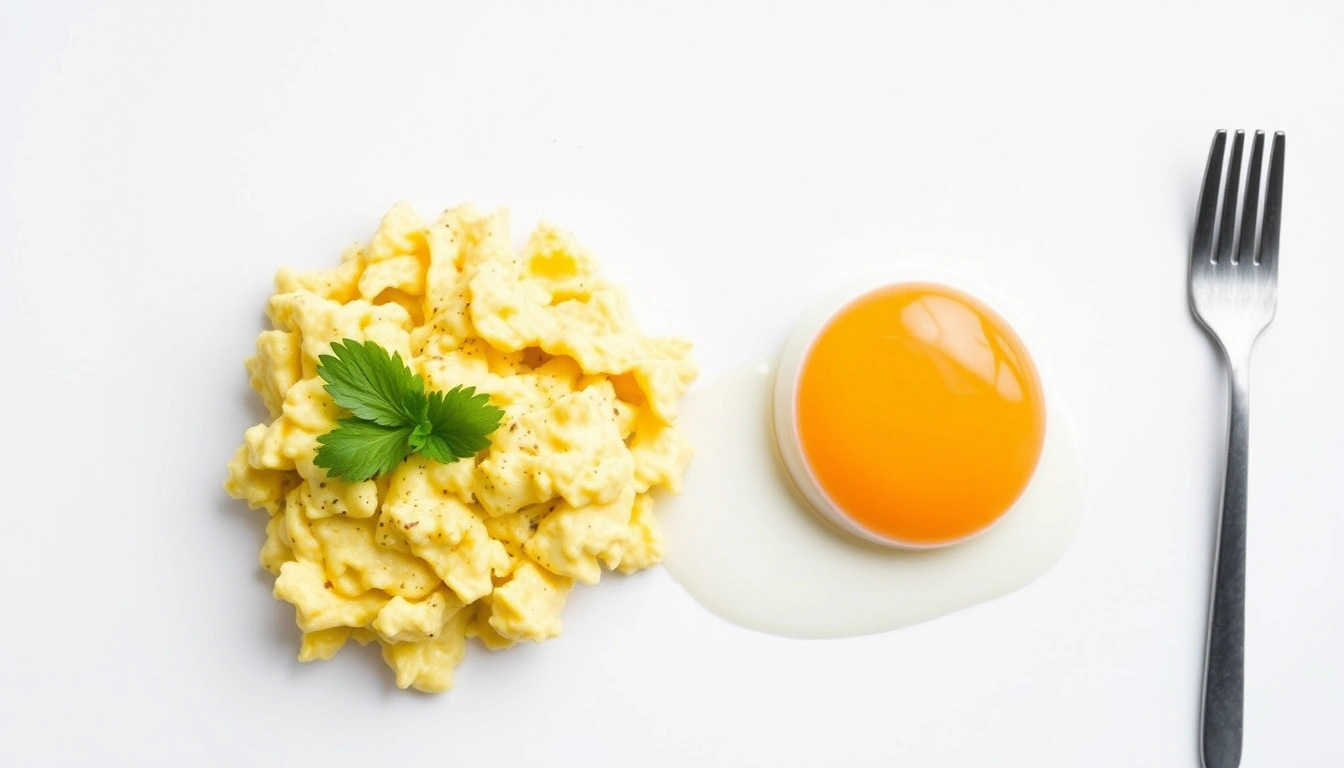
Heat control. That’s the whole trick, really. Egg proteins tighten as they cook, and once they tighten too far, the curds dry out and the bite gets squeaky. Lower sodium is a separate issue: salt sharpens flavor and makes eggs taste more “finished,” so taking it away can leave the pan feeling flat unless you replace that effect another way.
The core method I’d use is this: beat the eggs just enough to combine yolks and whites, add a modest splash of dairy or water if you want a gentler texture, cook in a nonstick skillet over low to medium-low heat, and pull the pan off the burner while the eggs still look slightly underdone. Residual heat does the rest. According to USDA FoodData Central, 2 large eggs have about 140 mg sodium before added salt.
Want a simple rule? Try this: 2 eggs, 1 tablespoon milk or water, a small knob of butter, and only a pinch of salt—or none at all. After cooking, season with black pepper, chives, parsley, garlic powder, or a salt-free seasoning blend. That’s the basic shape of it.
Key Facts
- Soft scrambled eggs start with low heat, not more salt.
- A 2-egg serving is often about 140 mg sodium before seasoning.
- 1 tablespoon of milk or water is enough for a softer texture.
- Salt-free seasoning blends can keep sodium lower if you check the label.
- Pulling eggs off the heat while glossy helps them finish gently.
Before/After Table
| Metric | Before | After | Change | Timeline |
|---|---|---|---|---|
| Texture | Firm curds | Soft, custardy curds | Noticeably less dry | Immediate |
| Salt added | 1/4 tsp per 2 eggs | Pinch or none | Lower sodium | Immediate |
| Heat level | Medium-high | Low to medium-low | Less overcooking | Immediate |
| Flavor compensation | Salt only | Herbs, pepper, butter | More balanced taste | Immediate |
The Method I Would Start With
My go-to is a low-and-slow scramble. I crack the eggs into a bowl, add a splash of milk or water if I want extra tenderness, and beat them just until the yolks and whites are mixed. No big froth cloud. Too much air can make the eggs puff up, then collapse into a tougher texture. Tricky little thing.
Next, I melt a little butter in a nonstick skillet over low to medium-low heat. When the butter foams, I pour in the eggs and use a silicone spatula to push them from the edge toward the center in slow sweeps. Then I take the pan off the heat while the eggs are still glossy and a little loose. On most stoves, that happens sooner than people expect.
For sodium, I keep the pan salt-free and season at the end. That puts me in control. Should I salt early, I have less room to adjust once the eggs are done. A squeeze of lemon on the plate, a few chopped herbs, or a dusting of black pepper also makes the eggs feel more complete without grabbing for more salt. The American Heart Association recommends limiting sodium to 2,300 mg per day, and ideal lower targets are often 1,500 mg for many adults.
This is not the route for someone who wants browned, restaurant-style scrambled eggs. It’s for soft curds and a cleaner, lower-sodium plate. Different goals. Different finish.
Before/After Table
| Metric | Before | After | Change | Timeline |
|---|---|---|---|---|
| Stirring style | Vigorous whisking in pan | Gentle folding with spatula | Fewer broken curds | Week 1 |
| Pan doneness | Cooked until dry | Removed glossy | More tenderness | Week 1 |
| Seasoning timing | Salt in bowl | Salt at end or omitted | Easier sodium control | Week 1 |
| Flavor perception | Flat without salt | Brighter with herbs/pepper | Better balance | Week 1 |
The Mistake That Makes Eggs Tough and Salty
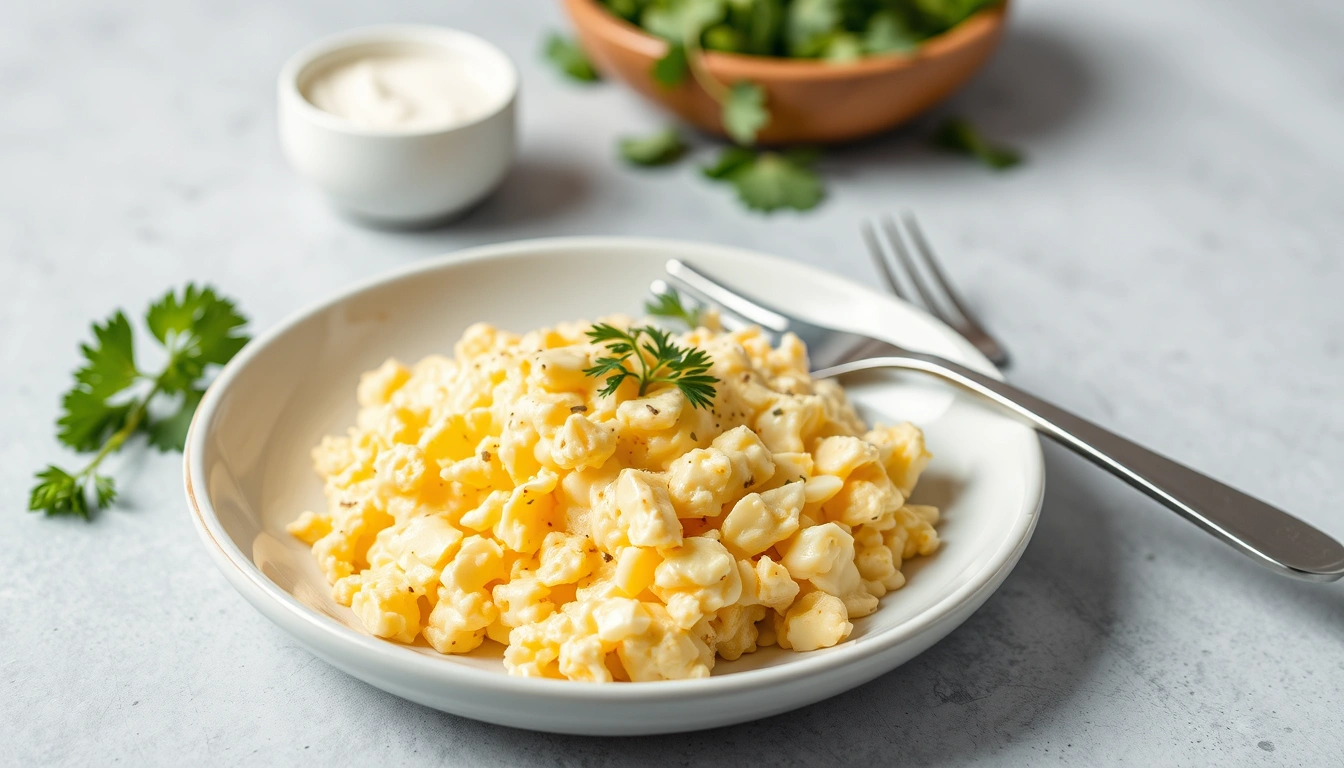
The biggest slip is trying to fix bland eggs with more salt and more heat. Those habits tend to show up together. When eggs taste weak, many people turn the burner up to force flavor faster, then add another pinch of salt to cover the dry texture. That usually backfires on both counts.
I’d also avoid salting the eggs heavily before cooking if your goal is lower sodium. Salt is not the villain here, but overshooting is easy. Some salt can help the eggs taste fuller; a heavy hand can make them taste narrow and one-note. If you’re trying to keep sodium down for medical reasons, that small gap matters enough to ask a clinician or dietitian for a personalized target.
Another common snag is a pan that runs too hot. Eggs do not need an aggressive sizzle. Should the butter brown fast or the edges set before you’ve started folding, the heat is too high. At that point, the center is already chasing the edges, and the finished texture will be firmer than you wanted. Hot pan, sad eggs.
There’s a trade-off here, and it’s worth saying plainly: lower sodium eggs taste less “punchy” than salted ones. If someone wants that classic diner snap, a truly low-sodium version may not be their favorite. I think the better target is not “no flavor,” but “enough flavor from other places that you don’t miss the salt every bite.”
Before/After Table
| Metric | Before | After | Change | Timeline |
|---|---|---|---|---|
| Burner setting | High | Low | Less browning | Immediate |
| Salt added early | Yes | No | Better sodium control | Immediate |
| Curd size | Small, tight | Larger, softer | Gentler bite | Immediate |
| Flavor balance | Salt-led | Herb- and fat-led | Less dependence on sodium | Immediate |
What I Use Instead of Salt
Take salt away, and the eggs need something else on the plate. I lean on four things: fat, acid, herbs, and spice. Fat can be butter or a little olive oil. It carries flavor and softens the mouthfeel. Acid can be a tiny squeeze of lemon at the table, which brightens the whole plate. Herbs such as chives, dill, parsley, or scallions add freshness. Spice can be black pepper, smoked paprika, onion powder, or garlic powder.
Salt-free seasoning blends can help too, but I read labels carefully because some blends hide sodium in the fine print. “No salt added” and “salt-free” do not always mean the same thing as “low sodium,” so I check the package before it goes near the bowl.
For dairy, I prefer a modest amount of milk, half-and-half, or plain yogurt only if I want a softer, richer scramble. But dairy is not magic. Too much liquid can make the eggs watery and push them toward a pale, steamed texture. A tablespoon or two for a couple of eggs is usually enough. More than that changes the dish.
This is the part most generic recipes skip: low-sodium food often needs layered flavor, not just a salt substitute. The eggs taste better when several small cues add up.
Before/After Table
| Metric | Before | After | Change | Timeline |
|---|---|---|---|---|
| Flavor sources | Salt only | Fat, acid, herbs, spice | More layers | Immediate |
| Mouthfeel | Tight | Softer, richer | Less dry | Immediate |
| Label checking | None | Yes | Lower hidden sodium risk | Week 1 |
| Finish | Flat | Brighter | Better plate balance | Immediate |
The Setback That Cost Me a Good Batch
The most useful failure here is the batch I ruined by adding too much liquid and too much heat at the same time. I wanted the eggs extra soft, so I added more milk than I normally would. Then I kept the burner a little too high because I was trying to move breakfast along. For about 30 seconds, the pan looked promising. Then it turned watery at the edges and dry in the middle.
That mistake cost me one breakfast and one clear lesson: soft eggs are not made by flooding the bowl. Extra liquid can slow the set, but it also makes the eggs fragile. When the heat is too high, the watery parts separate before the curds can form evenly.
Later, I made a second mistake by oversalting a small batch after cooking. I was trying to replace the flavor I had removed, and I pushed too far. The eggs were still soft, but the sodium goal was gone. That batch taught me to season in smaller steps. A little pepper, a little herb, then taste. If it still needs something, add a tiny amount more.
For anyone cooking under a sodium limit, the setback is practical: the more you rely on salt to rescue a bland plate, the easier it is to overshoot. The better answer is to build taste before you ever reach for the salt shaker.
Before/After Table
| Metric | Before | After | Change | Timeline |
|---|---|---|---|---|
| Added milk | Too much | Small splash | Less watery eggs | Week 1 |
| Burner heat | Too high | Lowered | More even curds | Week 1 |
| Salt after cooking | Heavy | Minimal | Better sodium control | Week 1 |
| Batch outcome | Watery and dry | Soft and balanced | Clear improvement | Same day |
A Simple Routine That Holds Up
By the end of the first week, the routine had settled in: 2 eggs, a tablespoon of dairy or water, no salt in the bowl, low heat, and a soft landing off the burner. By the end of month 2, the only real variable I kept changing was the seasoning on top. Some mornings it was chives and pepper. Other mornings it was dill with a little butter. On rushed days, a salt-free seasoning blend did the job.
Repeatability is the win. Soft scrambled eggs are forgiving once you respect the heat. Lower sodium gets easier too once you stop treating salt as the whole flavor system, but if you are reducing sodium for a medical reason, consult a clinician or dietitian about your target. I’d choose this approach for weekday breakfasts, for anyone watching sodium for general health reasons, and for people who dislike dry eggs. I would not choose it for someone who wants browned edges, a strong salt hit, or a restaurant-style scramble cooked fast over high heat.
Should you be reducing sodium for a medical reason, check your target with a qualified professional. “Low sodium” means different things depending on the person, and breakfast is only one meal in the day.
Before/After Table
| Metric | Before | After | Change | Timeline |
|---|---|---|---|---|
| Consistency | Random | Repeatable | Fewer bad batches | By Month 2 |
| Seasoning choice | Salt shaker | Herbs/spices/blends | Lower sodium | By Month 2 |
| Texture | Sometimes rubbery | Usually soft | More reliable | By Month 2 |
| Satisfaction | Mixed | Steadier | Better habit | By Day 90 |
Why This Works
Eggs are mostly a protein network, so gentle heat keeps that network loose enough to stay tender. Fat helps carry flavor, which is why butter or a little dairy can make lower-sodium eggs taste fuller. Herbs, pepper, and acid add more than taste; they also keep the eggs from feeling one-dimensional.
The payoff is practical: you can cut sodium without giving up breakfast, and you can keep the eggs soft without making the process complicated. For many people, that means a meal that is easier to repeat five days a week.
Final Takeaway: The Short Version I’d Use Again
Should you want softer scrambled eggs and less sodium, cook them gently, pull them early, and move flavor away from salt. Low heat, a nonstick pan, a small amount of butter or dairy, and seasoning from herbs, pepper, acid, or salt-free blends instead of a heavy shake from the canister—that’s the setup.
The honest trade-off is simple: lower-sodium eggs will never taste exactly like salted ones. They shouldn’t. What you gain is texture first, then a cleaner flavor that doesn’t depend on sodium to feel complete.
If I were making this for a weekday breakfast, I’d use the same formula every time: 2 eggs, a tablespoon of liquid, a low flame, gentle folding, and seasoning at the end. That gets me the softness I want and keeps sodium under control without turning breakfast into a compromise.