Last updated: August 10, 2026
Quick Answer: Most low-sodium lunch and dinner recipes work best when sodium stays under a specific mark — usually under 140 mg per serving for “low sodium” on labels — while flavor comes from acid, aromatics, browning, herbs, spice, and smart texture. This low-sodium lunch dinner recipes — complete guide shows how to make meals feel complete without leaning on salt alone.
Key Facts / Key Takeaways
– Low sodium on food labels means 140 mg or less per serving in the U.S.
– A meal usually tastes fuller when it includes 1 protein + 1 vegetable + 1 starch + 1 finish.
– Common sodium sources include bread, broth, canned beans, sauces, cheese, and cured meats.
– Bright acid, like lemon or vinegar, can help replace the “finished” taste salt often provides.
– If you have a medical condition that affects sodium needs, check with a clinician or dietitian before following any recipe plan.
Low-sodium lunch and dinner recipes work when the plate tastes finished without salt doing all the heavy lifting. Not subtraction. Construction. Acid, aromatics, browning, herbs, spice, and texture do the job salt usually handles, and they have to do it in concert if the meal is going to feel satisfying. Cooking for blood pressure, kidney care, heart health, or simple caution? Then this low-sodium lunch dinner recipes — complete guide shows what actually makes the food work. For general sodium guidance, see the American Heart Association and the FDA’s sodium labeling rules. American Heart Association FDA
How Low-Sodium Lunch and Dinner Recipes Actually Work (and Why Most People Miss It)
The biggest mistake I see is treating low-sodium cooking like subtraction. People yank out the salt, then expect the dish to stay loud, full, and comforting. It usually does not. Salt does three jobs at once: it seasons, it sharpens other flavors, and it keeps food from tasting flat. Remove it, and those jobs still need doing.
The key here is the flavor structure — a good low-sodium plate still has a clear “front note,” a middle, and a finish. A balanced meal is what separates it from bland vegetables sitting next to plain protein. Without that frame, the whole thing can feel a little dead on arrival.
A useful way to think about it is this:
| Flavor job | What salt usually does | What to use instead |
|---|---|---|
| Makes food taste vivid | Tightens and lifts flavors | Acid, herbs, browning, spices |
| Balances bitterness | Softens harsh edges | Sweet vegetables, caramelized onions, citrus |
| Creates “finished” taste | Gives the last clean note | Vinegar, lemon, toasted seeds, fresh herbs |
| Deepens savory flavor | Enhances umami and aroma | Mushrooms, tomato paste, garlic, browned meat, miso in small amounts if allowed by your sodium target |
One thing most generic recipes miss is that sodium shows up in the whole plate, not just the salt shaker. Bread, canned beans, broth, sauces, cheese, pickles, cured meat, and seasoning blends can quietly push a meal far beyond a low-sodium target, so it makes sense to check labels and, when needed, consult a clinician or dietitian about your personal sodium limit. I would not assume “healthy-looking” means low in sodium. The Cleveland Clinic notes that sodium can hide in many packaged foods, and the American Heart Association recommends watching servings as well as labels. Cleveland Clinic American Heart Association
Here is the practical rule: build each meal around one protein, one high-volume vegetable, one texture element, and one bright finish. Miss one, and the dish often tastes unfinished.
A quick visual check helps:
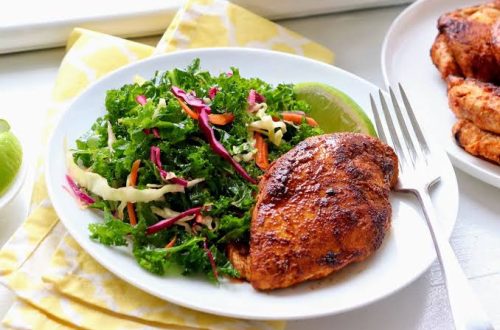
– Good: browned chicken, roasted broccoli, rice, and a lemon-herb drizzle.
– Weak: boiled chicken, steamed broccoli, plain rice, no sauce, no acid.
That second plate may technically be low in sodium, but it is not a lunch or dinner you will want again.
The Correct Way to Build a Low-Sodium Meal — Step by Step
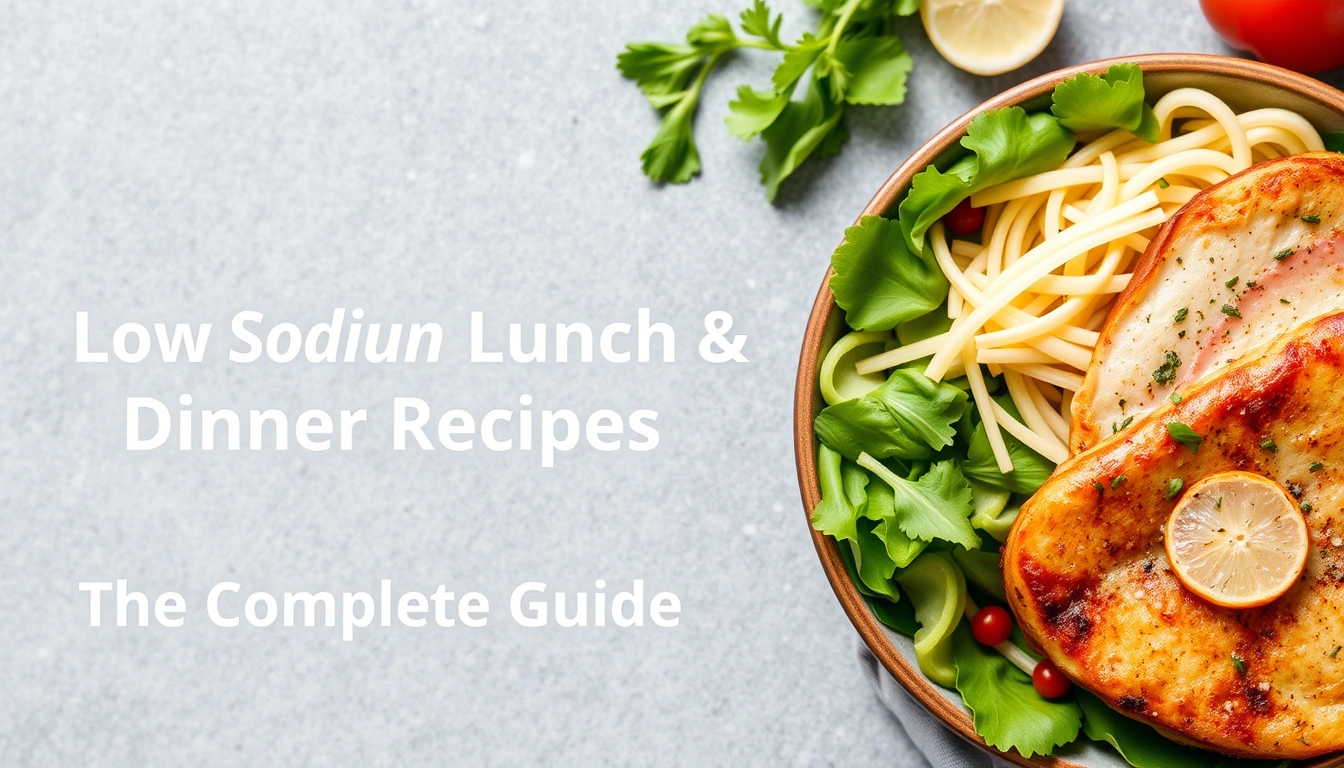
When I were teaching someone to cook this way, I would start with the assembly order, not the recipe title. Order matters. Each step adds flavor that salt would otherwise have carried.
-
Choose one main protein.
Check: chicken, fish, eggs, tofu, beans, lentils, turkey, lean beef, or tempeh can all work.
What not to do: do not pair two heavily processed proteins in the same meal, such as deli meat and packaged cheese. -
Season the protein early.
Check: use garlic, onion powder, paprika, cumin, pepper, chili flakes, citrus zest, or fresh herbs.
What not to do: do not wait until the end and hope a pinch of salt will fix a dull cooking method. -
Use a cooking method that builds browning.
Check: roast, sear, grill, air-fry, or sauté when possible.
What not to do: do not default to boiling every ingredient; boiling strips flavor and makes low-sodium meals taste thin. -
Cook one vegetable with real character.
Check: choose broccoli, cauliflower, Brussels sprouts, green beans, peppers, carrots, zucchini, kale, mushrooms, or cabbage.
What not to do: do not rely only on pale steamed vegetables if the rest of the plate is mild. -
Add a starch that carries flavor.
Check: rice, potatoes, sweet potatoes, quinoa, whole-grain pasta, couscous, or corn tortillas.
What not to do: do not choose an unseasoned starch and expect the protein to do all the work. -
Finish with acid and texture.
Check: lemon juice, lime, vinegar, yogurt-based sauce, fresh herbs, toasted nuts, seeds, or crisp onions.
What not to do: do not skip the final layer. A meal without a finish usually tastes like it needs something. -
Taste before serving and adjust with non-sodium tools first.
Check: ask, “Does it need brightness, heat, sweetness, or richness?”
What not to do: do not reach for more salt as the first correction. -
Pack or plate so textures survive.
Check: keep sauces separate when possible, and add crunchy toppings at the end.
What not to do: do not mix everything together hours ahead if the meal depends on crispness.
The visual sign of a solid low-sodium lunch or dinner is simple: contrast. If everything looks beige and soft, the flavor usually follows.
Before vs. After: What Good Low-Sodium Lunch and Dinner Recipes Actually Look Like
A weak low-sodium meal often fails in the details, not the headline ingredients. The “before” plate is usually pale, watery, and one-note. The “after” plate has browning, a sauce, and visible herbs or bright garnish. You can see the difference before you even taste it.
The key here is the finish — a good version has a glossy surface or a fresh topping, while the bad version looks dry or gray. It is what separates “healthy” from “I will eat this because I have to.” A little shine changes the whole mood.
| Element | Before: weak low-sodium meal | After: strong low-sodium meal |
|---|---|---|
| Protein | Plain baked chicken or tofu with no visible seasoning | Chicken with paprika, garlic, and browned edges |
| Vegetables | Soft, watery, steamed vegetables | Roasted vegetables with caramelized spots |
| Starch | Plain rice, pasta, or potato | Herb rice, lemon potato wedges, or seasoned quinoa |
| Sauce | None or a salty bottled sauce | Yogurt herb sauce, salsa, vinaigrette, or citrus drizzle |
| Finish | No garnish, no acid, no crunch | Parsley, scallions, sesame seeds, citrus zest, toasted nuts |
A lot of recipe websites stop at ingredient swaps. That is not enough. A low-sodium lunch can still be disappointing if the ingredients are “correct” but the structure is wrong. For example, a salad made from plain lettuce, plain chicken, and a low-sodium dressing can still feel empty if it lacks crunch, sweetness, and enough protein.
A good version looks like this in real life:
– A turkey lettuce wrap with avocado, tomato, cucumber, and mustard-yogurt sauce.
– A lentil bowl with roasted carrots, spinach, brown rice, and lemon.
– A salmon dinner with roasted asparagus, potatoes, and dill-caper yogurt.
A bad version looks like this:
– A dry sandwich made with low-sodium bread but no juicy filling.
– A pasta bowl with no vegetables and a weak tomato sauce.
– A “healthy” grain bowl where every element is soft and beige.
I also want to be honest about a trade-off: if you are used to heavily salted restaurant food, low-sodium meals can taste shy for a while. That is normal. Taste buds adjust, but the food still has to be built well from the start. Honestly, that adjustment period can feel awkward.
The Detail Everyone Gets Wrong: Sodium Hides in the Pantry
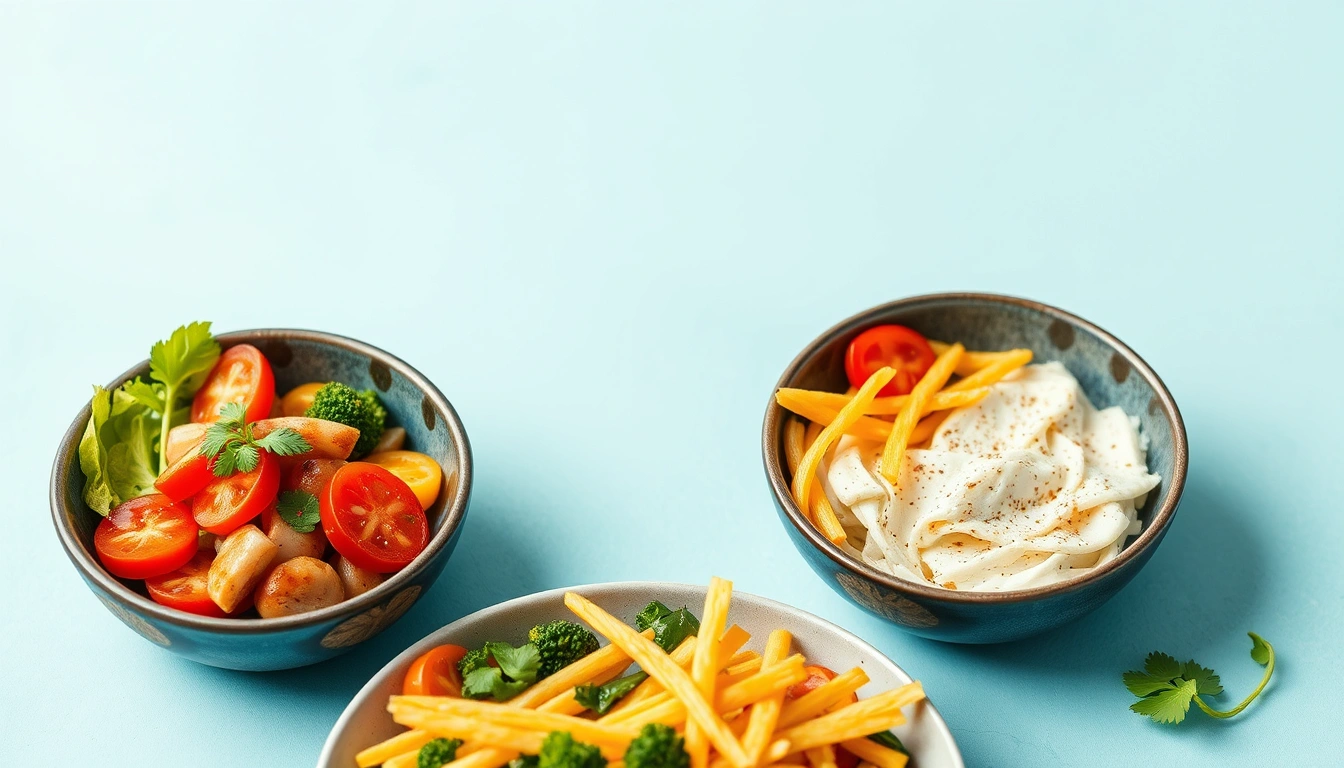
The detail most people miss is not the salt shaker. It is the pantry. When you use canned goods, condiments, cheese, breads, broths, seasoning packets, olives, pickles, deli meats, frozen entrées, and bottled sauces without checking labels, you can blow past your sodium goal before you even cook.
The key here is the label line — notice how the sodium number is often attached to a tiny serving size. A meal plan stays reasonable when you catch that detail; otherwise, you can end up with an accidental salt bomb. Tiny print, big consequence.
Use this table as a sorting tool:
| Pantry item | Common sodium risk | Better move |
|---|---|---|
| Broth and stock | Often very salty | Use low-sodium broth or dilute with water and extra aromatics |
| Canned beans | Brine adds sodium | Rinse well; choose no-salt-added when possible |
| Canned vegetables | Liquid can be salty | Drain and rinse, or buy no-salt-added |
| Soy sauce | Very concentrated sodium | Use a small amount with acid, ginger, and garlic; or choose reduced-sodium if it fits your plan |
| Cheese | Sodium varies a lot | Use a smaller amount of a stronger cheese, or skip and add flavor elsewhere |
| Deli meat | Usually high in sodium | Swap for roasted chicken, tuna, eggs, tofu, or leftover home-cooked protein |
| Spice blends | Hidden salt is common | Buy single spices or salt-free blends |
A useful label habit:
1. Check the serving size first.
2. Check the sodium per serving.
3. Ask how many servings you really eat.
4. Look at the first few ingredients if it is a sauce or seasoning mix.
5. Decide whether the item is a main flavor source or just one background note.
What not to do: do not trust the front of the package alone. Words like “light,” “natural,” or “made with vegetables” do not tell you much about sodium.
This is also the place to mention who low-sodium cooking is not for in a casual, do-it-yourself way. If you have kidney disease, heart failure, significant blood pressure issues, or another condition with specific sodium targets, please check with your clinician or dietitian before using any recipe plan, because daily limits can vary by diagnosis and medication. A general recipe cannot replace medical advice. The National Kidney Foundation and American Heart Association both advise individualized guidance for people with kidney or heart conditions. National Kidney Foundation American Heart Association
The Correct Way to Flavor Without Salt — Step by Step
Flavor is not one trick. It is a sequence. I would build it the same way every time: heat, aromatics, seasoning, acid, and finish. Skip one layer, and the result often tastes muted.
-
Start with heat that changes the ingredient.
Check: look for browning on onions, mushrooms, cauliflower, chicken, or tofu.
What not to do: do not keep everything pale. Pale food often tastes flat. -
Add aromatics early.
Check: garlic, onion, scallions, celery, fennel, ginger, or shallots should smell fragrant.
What not to do: do not burn garlic; bitterness is not a substitute for salt. -
Season in layers.
Check: use spices at the beginning and fresh herbs at the end.
What not to do: do not dump all seasoning in at one moment and hope it lands. -
Build a sauce or glaze.
Check: use tomato, yogurt, mustard, vinegar, citrus, tahini, or a small amount of reduced-sodium condiment.
What not to do: do not serve dry food unless the texture is deliberately crisp. -
Balance with acid.
Check: a squeeze of lemon can wake up beans, greens, fish, chicken, and grains.
What not to do: do not confuse “more salt” with “more flavor.” -
Add freshness at the end.
Check: parsley, cilantro, dill, basil, chives, mint, or scallions should stay bright.
What not to do: do not cook delicate herbs until they disappear. -
Finish with texture.
Check: toasted seeds, crushed nuts, crunchy cabbage, cucumber, radish, or croutons made from low-sodium bread.
What not to do: do not make every component soft. -
Taste, then correct one thing at a time.
Check: ask whether the meal needs brightness, heat, richness, sweetness, or crunch.
What not to do: do not keep adding random seasonings until the flavor turns muddy.
A good low-sodium bowl often has visible “anchors”: browned mushrooms, green herbs, a pale sauce, and a bright topping. The contrast is not decoration. It is the flavor map. Bluntly, that’s what keeps the bowl from tasting like cafeteria leftovers.
Lunch Recipes That Hold Up Well — What to Build for Workdays and Packable Meals
Lunch has a different job than dinner. It needs to survive sitting, traveling, reheating, and the part of the day when you do not want a project. A low-sodium lunch should be sturdy, not delicate.
The key here is the packability — notice how the good lunch has components that stay distinct. A lunch that still tastes alive at noon is what separates it from one that collapses into mush by the time you open it. Nobody wants sad lunch.
Here are the lunch formats I would reach for first:
| Lunch format | Why it works | Common mistake |
|---|---|---|
| Grain bowl | Easy to layer protein, vegetables, and sauce | Too much grain, not enough garnish |
| Wrap or pita | Portable and filling | Overstuffed with wet ingredients |
| Salad with substance | Crisp, cold, and fast | Lettuce-only bowl with no protein |
| Soup plus side | Hydrating and comforting | Relying on salty broth |
| Leftover dinner | Efficient and often better next day | Reheating without adding moisture or freshness |
A few lunch ideas that fit a low-sodium pattern:
– Chicken, cucumber, and avocado wrap with yogurt-dill sauce.
– Lentil and roasted vegetable bowl with lemon and parsley.
– Tuna or salmon salad made with plain yogurt, celery, onion, and pepper, served over greens or on low-sodium bread.
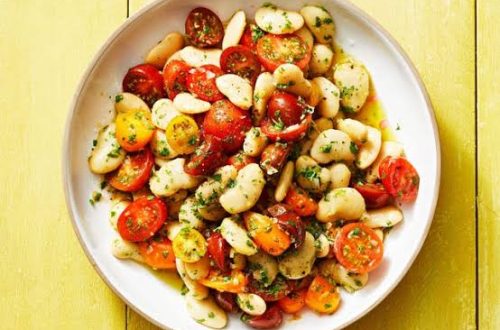
– Quinoa bowl with roasted sweet potato, black beans, corn, lime, and cilantro.
– Egg salad lettuce cups with mustard, herbs, and chopped celery.
The practical difference between a good lunch and a forgettable one is often moisture management. Keep sauces separate if you can. Put crunchy ingredients on top. Use sturdy greens like romaine, cabbage, or kale when you need a salad that will last. And if you reheat grains or proteins, add a fresh element afterward so the meal does not taste cooked twice.
Dinner Recipes That Feel Like a Meal — The Correct Plate Formula
Dinner is where low-sodium cooking either wins the week or gets abandoned. At night, people want comfort, not a lecture. The meal should feel substantial enough that nobody starts hunting for crackers, extra cheese, or the salt shaker.
The key here is the plate formula — notice how a strong dinner often has a clear anchor, a side with color, and a starch that carries sauce. A real dinner usually is what separates a pile of healthy components from an actual meal. In practice, the plate should look intentional.
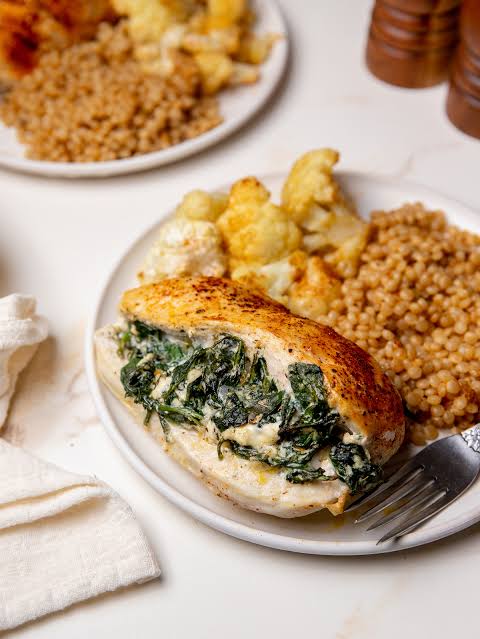
Use this plate structure:
- Protein: fish, chicken, turkey, tofu, tempeh, beans, lentils, eggs, or lean beef.
- Vegetable: roasted, sautéed, grilled, or steamed with a strong finish.
- Starch: rice, potatoes, pasta, whole grains, or tortillas.
- Sauce or finish: citrus, yogurt, salsa, chimichurri, vinaigrette, or herb oil.
Dinner ideas that usually work well:
– Sheet-pan salmon with asparagus and potatoes finished with lemon and dill.
– Turkey and vegetable skillet served over rice with paprika and tomato.
– Chickpea and spinach curry made with spices, tomatoes, and coconut milk, with careful attention to the sodium in canned ingredients.
– Stuffed peppers with rice, beans, vegetables, and herbs.
– Chicken fajita bowls with peppers, onions, rice, avocado, and lime.
Here is the honest trade-off: low-sodium dinners can taste less “instant” than high-sodium comfort food. You may need a little more chopping, a little more browning, and a little more attention to seasoning layers. The payoff is a meal that still tastes good after the first bite. Slow cooker? Not quite. Just more hands-on.
If dinner is falling flat, I would check three things before touching the salt:
– Is there enough browning?
– Is there a bright acid at the end?
– Is there one crunchy or fresh element?
If the answer to any of those is no, that is probably the problem.
The Detail Everyone Gets Wrong About Ingredients: Low-Sodium Does Not Mean Flavor-Free
A lot of people confuse “low-sodium” with “plain.” That leads to meals that are technically compliant but emotionally unappe