Last updated: August 10, 2026
Quick Answer
At about 1,500 to 2,300 mg sodium per day, a DASH diet meal plan for seniors is a practical, heart-healthy pattern that usually fits best — depending on medical advice. For most older adults, the safest first step is to use DASH as a starting point and review it with a clinician or registered dietitian, especially if they take blood pressure medicine, diabetes medicine, blood thinners, or have kidney disease.
Why does it work for so many people? Because the food list is plain and familiar: vegetables, fruit, beans, whole grains, fish, poultry, low-fat dairy, nuts, and less sodium. I’d still tell any older adult to check in with a qualified clinician or registered dietitian before making major changes, especially if they take blood pressure medicine, diabetes medicine, blood thinners, or have kidney disease. The National Heart, Lung, and Blood Institute says DASH has been studied for blood pressure support for more than 20 years, and the standard plan is built around 1,500 to 2,300 mg sodium per day.
Nutrition for older adults is rarely a neat little puzzle. The real question is not just “what is healthy?” but “what is healthy, easy to chew, affordable, and safe with the conditions and medicines this person already has?”
Key Facts / Key Takeaways
- A DASH diet meal plan for seniors usually targets 1,500 to 2,300 mg sodium per day.
- The DASH pattern emphasizes vegetables, fruit, beans, whole grains, fish, poultry, low-fat dairy, and nuts.
- Seniors often need softer textures, smaller portions, and enough protein to protect strength.
- The plan works best when food is familiar, affordable, and easy to repeat.
- Kidney disease, swallowing trouble, weight loss, dizziness, or medication changes mean the plan should be reviewed with a professional.
Table of Contents
- What a DASH Diet Meal Plan for Seniors Actually Is
- The Real Difference Between a Generic Healthy Diet and a Senior DASH Meal Plan
- DASH Diet Meal Plan for Seniors: Who Should Actually Use This (and Who Shouldn’t)
- The Specific Situations Where DASH Wins
- The Honest Side-by-Side
- Our Verdict: Which One to Choose and Why
- A Practical 3-Day Senior DASH Meal Plan
- When to Reconsider This Choice Entirely
What a DASH Diet Meal Plan for Seniors Actually Is
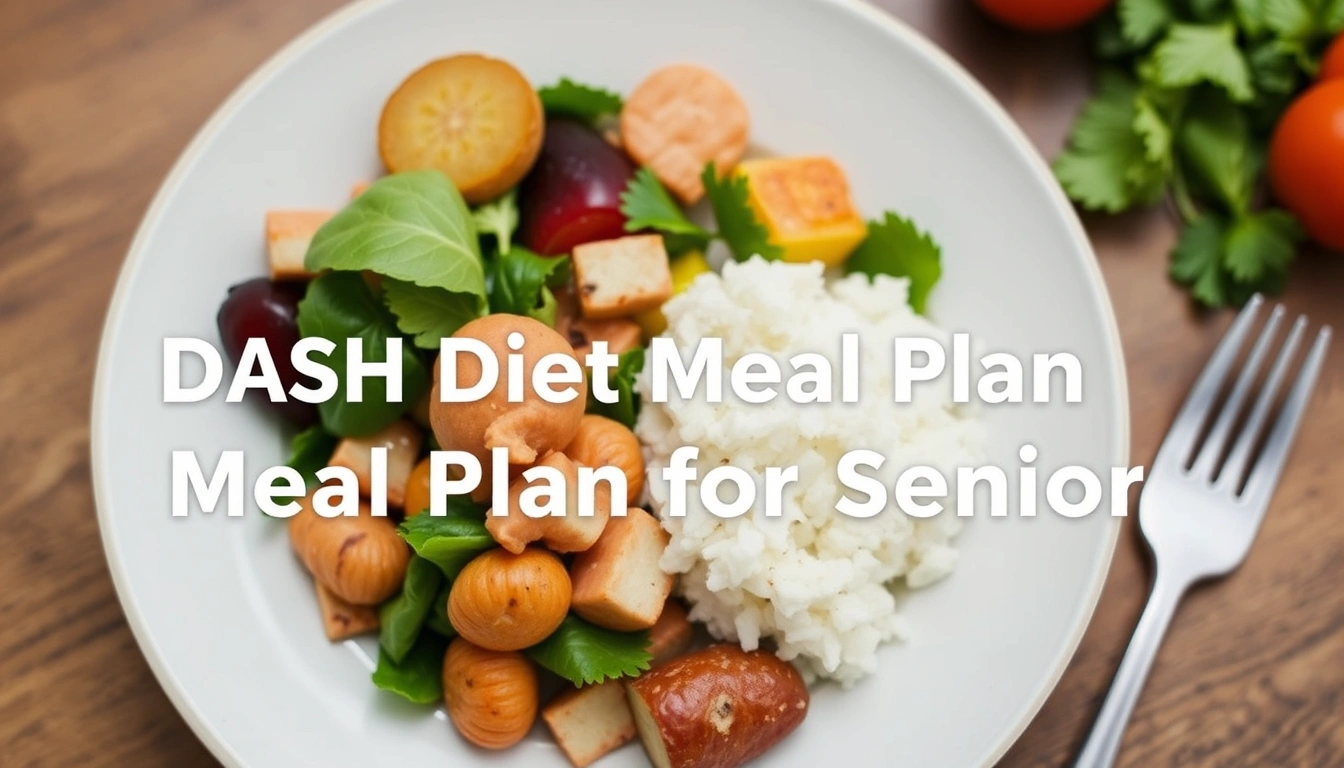
A DASH meal plan for seniors is not some rigid, one-size-fits-all menu. Instead, it’s a pattern centered on foods that research has linked with better blood-pressure support, while still leaving room for aging appetites, dentures, slower digestion, and smaller meal sizes.
More whole foods. Less sodium. Fewer heavily processed items. Enough protein to help maintain strength. That last part matters more with age than many generic diet articles admit. Older adults often need meals that are not just “heart healthy,” but also easy to eat and satisfying enough to keep skipped meals from becoming the norm.
A good senior-friendly DASH plan usually includes:
– soft or easy-to-chew proteins like eggs, yogurt, fish, tofu, beans, and tender poultry
– cooked vegetables as often as raw ones
– fruit that is easy to bite or cut
– whole grains that are gentle, like oatmeal or soft brown rice
– lower-sodium soups, stews, and leftovers made at home
– dairy or fortified alternatives if tolerated
What it should not look like is a plate of dry salad and plain chicken breast. That version falls apart in real life. Seniors need flavor, texture, and convenience. No one sticks with food that feels like punishment.
The other big piece is sodium awareness. Many seniors eat less food overall, so each bite matters more. Packaged soups, deli meats, frozen meals, canned vegetables, and sauces can quietly push intake up. DASH does not demand perfection, but it does require label reading and a willingness to cook more often or choose better packaged options.
The Real Difference Between a Generic Healthy Diet and a Senior DASH Meal Plan
A generic healthy diet often misses the main problem older adults face: not enough calories, not enough protein, and not enough food enjoyment. A senior DASH meal plan works better because it can be shaped for small appetites, dental limits, and chronic conditions without losing the blood-pressure-friendly structure.
Practicality is the real split. Generic advice says “eat more vegetables.” Senior DASH says “eat vegetables you can actually chew, season them without relying on salt, and pair them with protein so the meal holds you.” That difference is not cosmetic; it decides whether the plan survives past week one.
DASH also has an edge over many popular diets because it does not ask for extreme restriction. No entire food groups get banned. For older adults who already have enough to manage, that matters. It also adapts more easily to family meals, which helps when one person is cooking for more than one eater.
The downside? DASH can taste bland if the cook leans too hard on “healthy” and forgets flavor. Plain and simple. Seniors should not be expected to eat unseasoned food just because sodium matters. Herbs, citrus, garlic, onion, vinegar, pepper, and salt-free seasoning blends help keep the plan livable.
A second drawback: some seniors need medical diet changes that conflict with a standard DASH pattern. Kidney disease, swallowing problems, or certain heart conditions may call for more specific guidance than a general meal plan can provide. That is why I’d treat DASH as a starting point, not a prescription, and review it with a clinician or registered dietitian. The National Heart, Lung, and Blood Institute says DASH should be tailored to the person, especially when medical conditions change the plan.
DASH Diet Meal Plan for Seniors: Who Should Actually Use This (and Who Shouldn’t)
DASH works best for seniors who want a steady, realistic eating pattern that supports heart health without making meals complicated. It is a strong match for older adults with high blood pressure, borderline blood pressure, or a general desire to eat better in a way that still feels normal.
It also fits well for seniors who:
– cook at home some of the time
– can chew most foods, or can handle soft textures
– want meals built from ordinary grocery-store ingredients
– need structure more than novelty
– live with a spouse, adult child, or caregiver who helps with shopping or cooking
Consistency is the strength here. The foods are familiar. The rules are clear enough to follow without counting every bite. That lowers friction, which is often the real reason diets fail in older adults.
But I wouldn’t push a standard DASH meal plan on every senior. For someone with a poor appetite and unintentional weight loss, “healthy eating” can accidentally turn into “too little eating.” It is also not the right starting point for someone with advanced kidney disease without medical guidance, since potassium, phosphorus, protein, and fluid needs may differ.
It can also frustrate seniors who live on convenience foods and do not cook. DASH asks for more planning than the average frozen-meal routine. Not a moral failing. Just the trade-off. If someone will not cook or cannot shop, the plan needs adaptation, not guilt.
For many older adults, though, this is a practical place to begin because it feels like food, not a program.
The Specific Situations Where DASH Wins
DASH wins when the goal is better day-to-day eating without making life harder. I’d choose it for a senior who wants a sensible routine, especially if blood pressure support is part of the picture.
It is especially useful when meals need to be soft, simple, and repeatable. Think oatmeal with fruit, yogurt with nuts if chewing is fine, bean soup, baked fish, scrambled eggs, cooked greens, cottage cheese, whole-grain toast, and fruit cups without heavy syrup. Those foods fit the pattern and are easy to scale up or down depending on appetite.
DASH also works well when family members are helping with food. It gives caregivers a framework without forcing separate “patient food.” That matters because compliance tends to improve when the food on the table looks like normal family food.
Another strength: it encourages potassium-rich foods like fruits and vegetables, which research has linked with blood-pressure support in many contexts. Still, that benefit is not universal, and people with kidney disease or certain medicines may need limits. This is where professional advice matters.
DASH is also a better fit than trendy diets for seniors who need variety. Many meal plans wear people down because they are too narrow. DASH leaves room for culturally familiar foods, and that is a real advantage. A bowl of beans and rice, a vegetable soup, salmon with potatoes, or oatmeal with cinnamon can all belong.
The weak spot is sodium control. If a person relies heavily on packaged food, the plan gets harder fast. That is the point where grocery strategy, not willpower, becomes the issue. The math stops working quickly.
The Honest Side-by-Side
| Criteria | Senior DASH Meal Plan | Generic “Healthy Eating” Plan | Winner for this condition |
|---|---|---|---|
| Blood-pressure focus | Built for sodium reduction and overall heart-friendly eating | May or may not address sodium at all | DASH, when blood pressure is a concern |
| Ease of starting | Clear food pattern, easy to explain | Often vague and inconsistent | DASH |
| Fit for small appetites | Can work well if meals include enough protein and energy | Often underbuilt for older adults | DASH, if adapted thoughtfully |
| Chewing and texture needs | Adaptable to soft foods | May rely too much on raw produce and salads | DASH |
| Convenience-food dependence | Harder, because sodium control takes effort | Usually less specific and easier to wing | Generic plan, for highly packaged-food households |
| Medication or disease complexity | Needs tailoring for kidney disease and some drug regimens | Usually too vague to be useful | Neither without professional guidance |
| Family-meal compatibility | Strong; foods are ordinary and flexible | Depends on the version | DASH |
| Risk of boredom | Moderate if poorly seasoned | High if it is just “eat better” with no structure | DASH, with seasoning and variety |
| Long-term sustainability | Good when meal prep is realistic | Unclear because it lacks rules | DASH |
The table makes the main point pretty plain: DASH is more useful because it gives structure. Generic healthy eating sounds simpler, but it often leaves seniors guessing. And guessing is how meals drift back toward salty packaged food and skipped proteins.
Our Verdict: Which One to Choose and Why
Choose a senior DASH meal plan if you want a clear, heart-friendly eating pattern that can be adjusted for soft textures, smaller meals, and normal family food. Choose a looser generic healthy-eating plan if the senior cannot manage label reading, food prep, or menu planning and needs only very simple first steps. Neither is the right answer if the senior has kidney disease, swallowing trouble, unexplained weight loss, or a complex medication plan that needs individualized nutrition advice.
That’s my direct call.
For most seniors, DASH is the stronger choice because it gives shape without being extreme. It is specific enough to guide grocery shopping and meal planning, but broad enough to live with. Honestly, that balance matters more with age than dramatic nutrition promises do.
I would not pick a trendy elimination diet, a very low-carb plan, or a vague “just eat clean” approach for most older adults. Those plans often create more friction than benefit. DASH is more boring — and that is exactly why it often works better.
The main condition for success is honest adaptation. A senior DASH plan should include enough protein, enough calories, and enough texture comfort to keep the person eating. If those pieces are missing, the plan fails even if every food on paper looks perfect.
A Practical 3-Day Senior DASH Meal Plan
I’d use a simple three-day rotation before trying anything fancy. Repetition helps seniors and caregivers shop, cook, and remember the plan.
Day 1
- Breakfast: oatmeal topped with sliced banana and cinnamon
- Lunch: low-sodium vegetable soup with a turkey sandwich on whole-grain bread
- Dinner: baked salmon, cooked green beans, and soft brown rice
- Snack: plain yogurt or a piece of fruit
Day 2
- Breakfast: scrambled eggs with sautéed spinach and whole-grain toast
- Lunch: bean soup with fruit on the side
- Dinner: roasted chicken, mashed sweet potato, and cooked carrots
- Snack: unsalted nuts if chewing is comfortable, or cottage cheese
Day 3
- Breakfast: yogurt with berries and oats
- Lunch: tuna salad on whole-grain bread with sliced tomatoes
- Dinner: tofu or chicken stir-fry with soft-cooked vegetables and rice
- Snack: applesauce or a sliced peach
This kind of rotation works because it is familiar. It also leaves room for substitutions if chewing, appetite, or budget changes. A senior who does not tolerate dairy can swap in another protein. A person who cannot handle nuts can use seeds, yogurt, or bean-based options instead.
The mistake I’d avoid is turning every meal into a “perfect” recipe. That mindset burns people out. A practical DASH plan is built from repeatable meals, not kitchen theatrics.
When to Reconsider This Choice Entirely
A senior DASH meal plan stops being the right tool when health needs become more specific than a general heart-healthy pattern.
Reconsider the plan if:
1. The person is losing weight without trying. In that case, “healthier” may be the wrong goal; preserving intake may matter more.
2. Kidney disease is part of the picture. Potassium, phosphorus, protein, and fluid needs may need individualized direction.
3. Swallowing is difficult. Texture changes should be guided by a clinician or speech-language professional, not guessed at.
4. Appetite is very low or meals are being skipped. A rigid plan can make under-eating worse.
This is also the point where caregiver capacity matters. If the person preparing food is overwhelmed, the best plan on paper is not the best plan in real life. A simpler menu with smarter packaged choices may work better than a perfect DASH template nobody follows.
I’d also step back if blood-pressure changes, dizziness, dehydration, or medication side effects show up after dietary changes. Those are signs to get professional help, not to push harder. The American Heart Association and the NHLBI both emphasize that nutrition changes should be individualized when medical conditions or medicines are involved.
A good senior meal plan should make eating easier, not more stressful. DASH often does that. When it doesn’t, the right move is to adjust the plan to the person, not the person to the plan.