Last updated: August 10, 2026
- – Rolled oats usually cook in 5 to 7 minutes; steel-cut oats take longer.
- So a “perfect” recipe can turn into a chore in 5 minutes.
- The American Heart Association recommends limiting sodium to 1,500 mg per day for many adults, and plain oats are naturally low in sodium.
- NIA I would also skip the pricey “low-sodium” specialty products that taste flat anyway.
Quick Answer: Low-sodium oatmeal recipes for seniors can be built in 5 minutes, with plain oats, fruit, spice, and unsalted add-ins; a typical serving starts at about 150 to 300 calories and can stay under 140 mg sodium when you skip flavored packets and salted toppings. The American Heart Association recommends limiting sodium to 1,500 mg per day for many adults, and plain oats are naturally low in sodium. AHA
Key Facts
– Plain oats usually provide little sodium on their own; the sodium problem usually comes from mix-ins.
– A soft bowl is often easier for older mouths, dentures, and dry mouth.
– Rolled oats usually cook in 5 to 7 minutes; steel-cut oats take longer.
– Flavored instant packets can raise sodium quickly, so label checks matter.
– If a senior has kidney disease, diabetes, heart failure, or swallowing concerns, ask a clinician or dietitian before making oatmeal a daily routine.
A plain bowl can still do real work. Low-sodium oatmeal recipes for seniors are filling, gentle, and quick—but only if the flavor comes from fruit, spice, and smart add-ins, not from salt. My view? Start with oats first; everything else is support.
Why I Would Start Here: Plain Oats, Not “Diet Food”
Cooking low-sodium oatmeal recipes for seniors, I would treat oatmeal as a base, not a penalty meal. And yes, I would still suggest checking with a registered dietitian or clinician when medical limits are in play. Oats are mild, inexpensive, and easy to soften. This matters when chewing slows down or dentures make texture a nuisance. The low-sodium part is the easy win: plain oats contain little or no sodium on their own, so the real risk usually comes from what gets mixed in. USDA FoodData Central
Read labels. That’s the habit. Flavored packets, instant oats, broth, and toppings can push sodium up fast, even before milk or fruit enters the picture. Seniors managing high blood pressure, heart failure, kidney disease, or fluid limits deserve a conversation with a clinician or dietitian before making big changes. The National Institute on Aging also notes that older adults may need extra attention to appetite, chewing, and texture. NIA
I would also skip the pricey “low-sodium” specialty products that taste flat anyway. Cinnamon, vanilla, berries, banana, applesauce, pumpkin, chia, flax, and unsalted nuts do the heavy lifting. Salt doesn’t.
Here is the basic shift I make:
| Metric | Before | After | Change | Timeline |
|---|---|---|---|---|
| Sodium source in breakfast | Flavored packet + salty add-ins | Plain oats + fruit + spice | Lower sodium load | Week 1 |
| Texture | Sometimes dry, lumpy, or hard to chew | Soft, spoonable, moist | Easier to eat | Week 1 |
| Flavor | Salt-forward or bland | Sweetness from fruit, warmth from spice | Better taste without salt | By Day 7 |
| Prep effort | Multiple packaged items | 1 pot or 1 bowl | Fewer steps | Month 1 |
One honest limitation: low-sodium oatmeal is not the right answer if someone dislikes soft textures or needs a very high-protein breakfast but cannot tolerate dairy, eggs, or nut products. In those cases, oatmeal can still sit on the plate. It just should not be the whole plate.
What I Put in the Bowl: Ingredients That Add Flavor Without Salt

Three parts. That’s the formula: oats, liquid, and flavor. I keep the last piece simple so breakfast stays realistic on tired mornings.
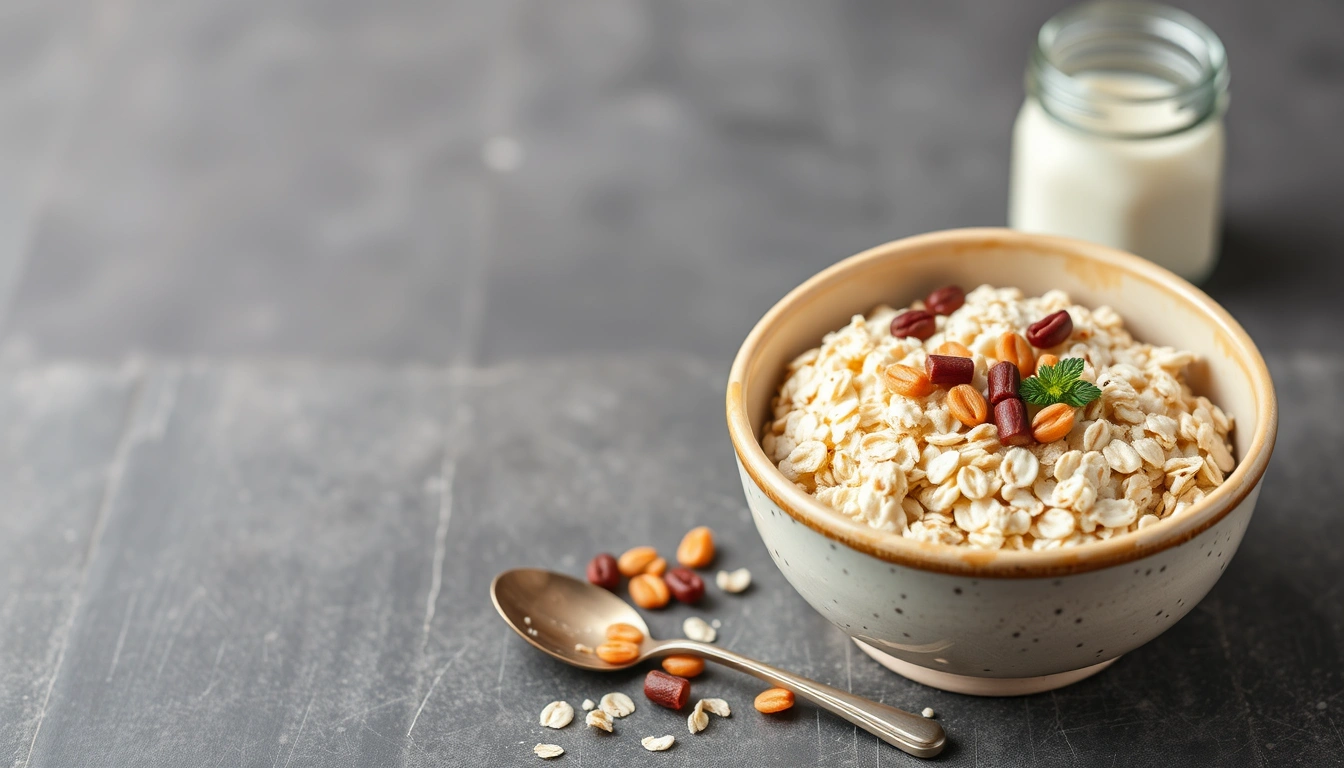
For the oat base, old-fashioned rolled oats are my first pick. They soften well without turning gummy as fast as instant oats. Quick oats work too if chewing is difficult. Steel-cut oats taste great, but they take longer and are less convenient for a senior who wants breakfast now, not later.
For liquid, I use water, unsweetened milk, or a low-sodium plant milk if it fits the person’s diet. “Non-dairy” is not a magic label; I check sodium and sugar. Some plant milks are light on protein, so if the goal is a more filling bowl, dairy milk or a protein-rich alternative can help.
For flavor, I lean on:
- Cinnamon
- Nutmeg
- Vanilla extract
- Mashed banana
- Unsweetened applesauce
- Blueberries or strawberries
- Raisins or chopped dates in small amounts
- Pumpkin puree
- Unsalted peanut butter or almond butter
- Chia seeds or ground flaxseed
Keep salt out unless a clinician has specifically said it is acceptable and needed. In practice, most bowls do not need it. Fruit and warm spice give enough contrast that the oats taste complete. One small bowl, real flavor.
A simple template I would actually use:
Basic soft oatmeal for one
– 1/2 cup rolled oats
– 1 cup water or unsweetened milk
– 1/2 banana, mashed
– 1/4 teaspoon cinnamon
– 1 teaspoon chia seeds or ground flaxseed
– Optional: 1 tablespoon unsalted nut butter
Cook on the stove for 5 to 7 minutes, or microwave in a large bowl in short bursts until soft. Stir once or twice so the texture stays even.
Month 1: The Recipes I Would Put on Repeat
I would not build a senior-friendly oatmeal routine around one recipe. Variety keeps people interested, and repetition makes it easy when energy is low. These are the versions I would keep in rotation because they stay low in sodium, use common pantry items, and do not require fancy equipment.
1. Cinnamon Banana Soft Oatmeal
Mash 1/2 banana into the oats before cooking. Add cinnamon and a splash of vanilla. The banana brings sweetness and body, so the bowl feels fuller without sugar.
2. Apple Pie Oatmeal
Cook oats with unsweetened applesauce and diced soft apple. Add cinnamon and nutmeg. If the apple is too firm, I would cook it with the oats longer until it softens.
3. Blueberry Almond Oatmeal
Stir in blueberries near the end of cooking, then top with sliced unsalted almonds or almond butter. This works best for seniors who want a little tartness.
4. Pumpkin Spice Oatmeal
Mix in pumpkin puree, cinnamon, nutmeg, and a little vanilla. Pumpkin gives a creamy texture and works well with rolled oats.
5. Peanut Butter Breakfast Oats
Stir in a spoonful of unsalted peanut butter after cooking. Add banana slices on top. This is one of the better choices when the goal is staying full longer.
6. Savory Soft Oatmeal
This is the one many people miss. Cook oats with water or low-sodium milk, then add a soft-cooked egg, chopped spinach, and black pepper. I would only choose this if the person likes savory breakfast food and can tolerate the texture.
Here is the practical comparison I would care about:
| Metric | Before | After | Change | Timeline |
|---|---|---|---|---|
| Recipe variety | 1 plain bowl | 6 repeatable options | More adherence | Month 1 |
| Breakfast boredom | High | Lower | Easier to keep eating oats | Month 1 |
| Added sodium risk | From packets or toppings | Mostly controlled | More consistent intake | By Day 30 |
| Cleanup | Several packaged products | One pot or bowl | Less work | Week 2 |
The Mistake That Cost Me the Best Batch
The easiest mistake is assuming “low sodium” means “more of everything else.” Nope. Dried fruit, flavored nut butter, granola, and packaged toppings can turn a good bowl into a sugar-heavy one or hide sodium where you least expect it.
The worst offender is instant flavored oatmeal. It looks convenient. It is. But the trade-off is blunt: the packets often taste sweet in a way that buries the grain, and the sodium can be higher than a person expects. A senior may eat it happily for a few days, then feel hungry again soon after because the bowl did not include enough protein or fat. Convenience can boomerang.
Texture is the other trap. I would not serve oats that are too thick. Older adults with dry mouth, dentures, or swallowing trouble may need a looser bowl. If oatmeal sits too long, it thickens fast. So a “perfect” recipe can turn into a chore in 5 minutes. Annoying. Really annoying.
Getting it wrong is not abstract. It can mean a skipped meal, a breakfast that leaves the person hungry, or a bowl nobody wants again. If a senior has swallowing problems, I would not improvise; I would ask a healthcare professional or speech-language pathologist for guidance.
Here is the failure table I would keep in mind:
| Metric | Before | After | Change | Timeline |
|---|---|---|---|---|
| Flavor approach | Packets and toppings | Fruit and spice | Better control | Week 2 |
| Sugar load | Often high | Usually lower | More balanced breakfast | Month 1 |
| Texture comfort | Can become too thick | Adjusted with extra liquid | Easier to swallow | Week 1 to Month 2 |
| Breakfast repeat rate | Drops quickly | More consistent | Better routine | By Day 90 |
The One Technique That Matters Most: Control the Texture
If there is one thing I would focus on, it is texture management. Seniors do not need oatmeal that is fancy; they need oatmeal that goes down easily and stays pleasant to eat.
Start with a little more liquid than the package suggests, especially for rolled oats. Then let the bowl rest for a minute, because oats keep absorbing liquid after cooking. Too thick? Loosen it with warm milk or water instead of using salt, syrup, or extra sugar to fake richness.
For a softer-chew diet, I would cook fruit into the oats instead of leaving it raw and firm. Apples should be finely diced or cooked down. Berries should be soft. Nuts should be ground or used as smooth nut butter instead of crunchy toppings.
For a more filling bowl, I would add protein without loading sodium: milk, plain Greek yogurt, peanut butter, chia seeds, flaxseed, or a soft-cooked egg on the side. That matters because a breakfast built only on oats and fruit can wear off fast.
If I had to rank the texture tools by usefulness, I would choose them in this order:
- Extra liquid
- Longer cooking time
- Mashed fruit
- Smooth nut butter
- Ground seeds
- Soft toppings instead of crunchy ones
Microwaves and instant pots can help here, not because they are magical, but because they make one-bowl cooking easier. A microwave-safe bowl, a spoon, and a timer are enough for many households.
Who This Is Not For
I would not recommend these recipes as a one-size-fits-all answer. They are not ideal for every senior.
They are a poor fit if the person:
– Needs a strict fluid restriction and cannot freely adjust liquid
– Has a medical nutrition plan that limits potassium, phosphorus, or fiber
– Cannot safely manage soft foods without professional swallowing guidance
– Wants a very high-protein breakfast but refuses dairy, eggs, soy, or nut products
– Hates sweet breakfasts and also dislikes savory oats
That does not mean oats are off the table. It means the recipe needs to match the medical situation, not just the pantry. Seniors with chronic kidney disease, diabetes, heart failure, or swallowing concerns should treat these recipes as a starting point and check with a clinician or registered dietitian before making them routine. The Academy of Nutrition and Dietetics recommends individualized medical nutrition therapy for many of these conditions. EatRight.org
The trade-off is clear: the more you customize for sodium, texture, and chronic disease needs, the less “one simple recipe” this becomes. That is the honest price of making breakfast actually usable.
My Practical Finish: The Short List I Would Keep on the Fridge
If I were writing a one-page handout for a caregiver, I would keep it brutally simple.
Use:
– Plain oats
– Fruit for sweetness
– Cinnamon or vanilla for flavor
– Unsalted nut butter or seeds for staying power
– More liquid for a softer bowl
– Low-sodium milk or plain water, depending on the person’s needs
Avoid:
– Flavored packets
– Salted nuts
– Sugary granola
– Heavy syrup
– Canned fruit in syrup
– Anything that makes the bowl thick, dry, or hard to chew
Here is the final comparison I would want a reader to see:
| Metric | Before | After | Change | Timeline |
|---|---|---|---|---|
| Breakfast ease | Packets, labels, guesswork | 5-ingredient routine | Simpler mornings | By Day 30 |
| Sodium control | Unclear | More predictable | Better consistency | By Day 7 |
| Texture comfort | Variable | Softer and adjustable | Less mealtime frustration | Week 1 to Month 2 |
| Senior acceptance | Depends on flavor | Better when fruit/spice are used | Higher repeat use | By Day 90 |
Low-sodium oatmeal works best when it respects the way older adults actually eat: slower, softer, and with less appetite for fuss. I would keep the bowls plain, warm, and flexible. That gives the recipe a better chance of becoming a habit instead of another breakfast experiment left in the pantry.