Last updated: August 10, 2026
Quick Answer: A dry, salt-heavy breast is not the move here. DASH diet chicken recipes can work very well for seniors, especially when they keep sodium lower and the chicken stays moist. In practice, the best fit is often 1 serving of chicken plus vegetables and a soft side. I’d talk with a qualified clinician or registered dietitian about your own sodium, protein, kidney, and swallowing needs before making this a daily plan. Short version: tailor it.
Key Facts / Key Takeaways
– DASH chicken works best when it stays lower sodium, moist, and easy to chew.
– A practical senior meal often uses 1 chicken portion, 1 vegetable, and 1 soft starch.
– Generic “healthy chicken” can still hide a lot of sodium in marinades, broth, and seasoning packets.
– For older adults, texture matters as much as ingredients: braises, soups, and shredded chicken are often easier than dry grilled pieces.
– The right target can vary by person, so consult a clinician or dietitian if you have kidney, swallowing, or other medical needs.
I write about senior nutrition and practical home cooking for readers who need meals that are realistic, not perfect. My view is blunt: chicken is one of the easiest DASH-friendly proteins to use, but the recipe matters more than the bird. Plain and simple.
The Real Difference Between DASH Diet Chicken Recipes and “Healthy” Chicken Recipes
DASH diet chicken wins when the goal is blood-pressure-friendly eating that still feels like a normal dinner. “Healthy chicken” can mean almost anything; DASH is tighter. It emphasizes lower sodium, plenty of vegetables, and lean protein, while keeping sauces and seasonings under control.
This distinction matters for seniors because older adults often run into two problems at once: meals need to stay flavorful enough to eat, and they need to avoid becoming salt bombs. A chicken breast with a heavy seasoning packet, bottled marinade, or canned soup sauce may look healthy on paper, but it can push sodium higher than many people want in a heart-conscious pattern. Studies and clinical guidance from major health organizations generally support lower-sodium eating patterns for blood-pressure management, though individual needs vary and your clinician should guide the target that fits you. For example, the American Heart Association recommends no more than 2,300 mg of sodium per day for most adults, and an ideal limit of 1,500 mg for many people with blood pressure concerns. You can read more in the AHA sodium guidance.
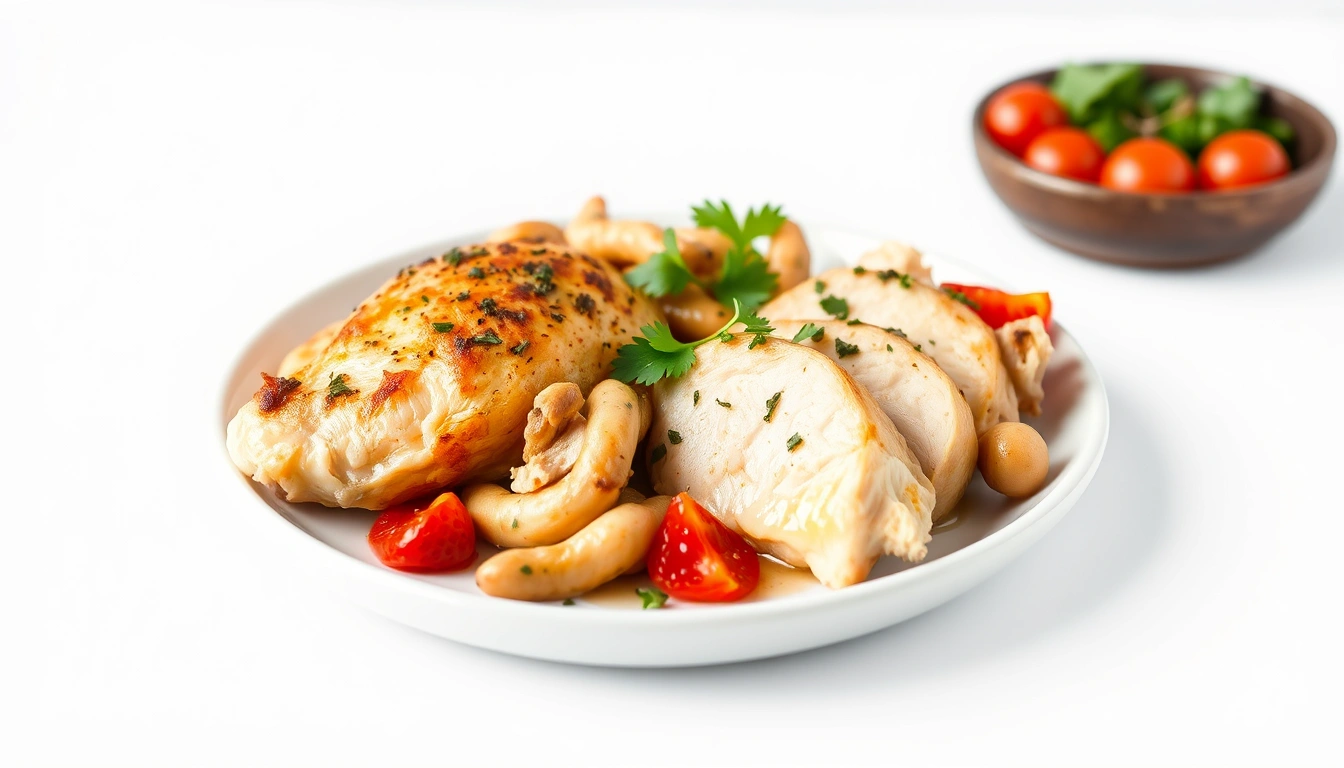
Here’s the bit generic articles skip: senior-friendly DASH cooking is not just about cutting salt. It is also about tenderness, moisture, and portion size. A chicken recipe can be technically “light” and still be a bad fit if it turns dry, chewy, or difficult to reheat. For many seniors, that means slow-cooked chicken, braises, soups, sheet-pan meals with a sauce, and chopped or shredded textures often beat dry grilled pieces. Crunchy on the outside? Nice in theory. Not always kind to a tired jaw.
I would choose DASH-style chicken over generic “healthy chicken” if the reader wants a repeatable meal plan, not just one dinner. The trade-off is real: you may need to cook more from scratch and season more thoughtfully. That takes a little more attention, but it pays off in a meal that actually gets eaten.
DASH Diet Chicken: Who Should Actually Use This (and Who Shouldn’t)
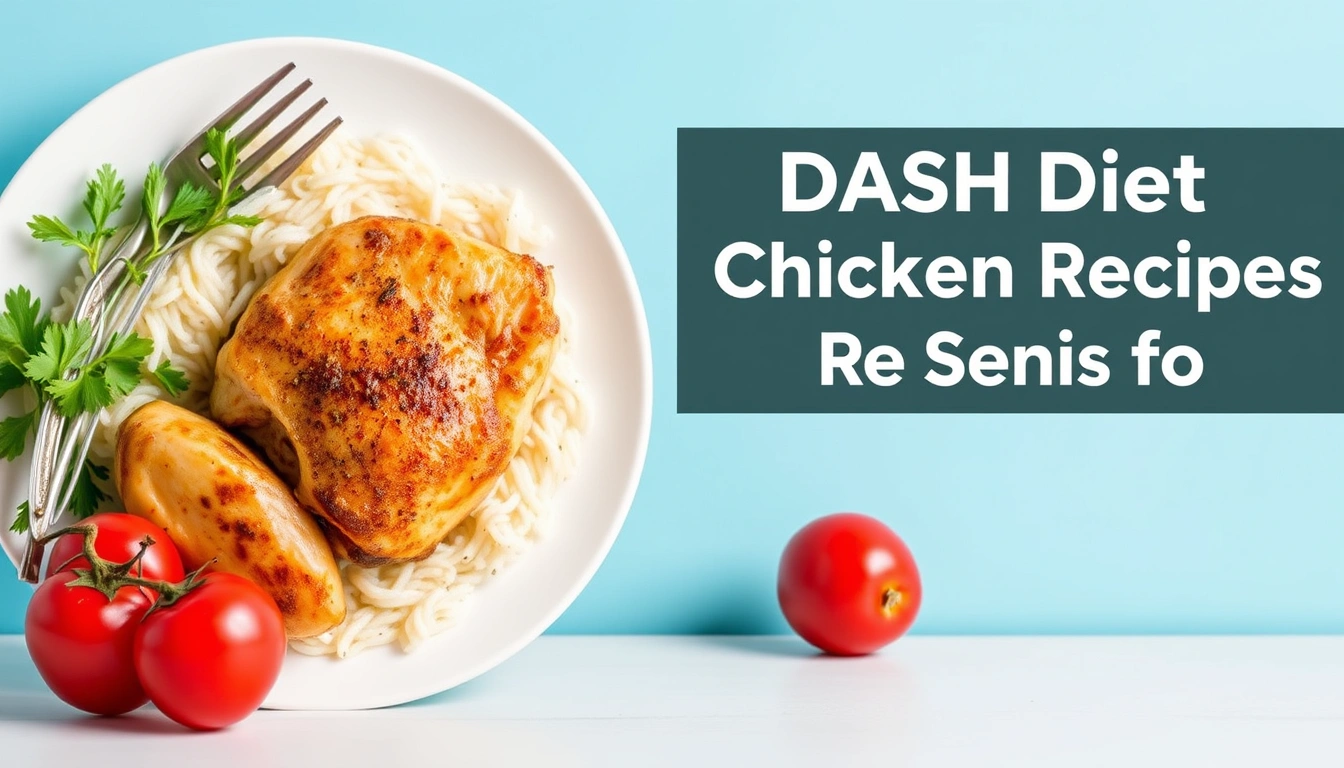
DASH-style chicken recipes are a strong fit for seniors who want meals that support a lower-sodium eating pattern without giving up protein. They work especially well for people who still cook at home, can chew ordinary tender chicken, and want familiar dishes like baked chicken with vegetables, chicken soup, skillet chicken, or shredded chicken bowls.
This approach also makes sense when appetite is smaller. Chicken can be easy to portion into smaller servings, and it pairs well with soft sides such as cooked vegetables, beans, brown rice, whole grains, or mashed sweet potatoes. That flexibility matters more with age than most recipe posts admit. Seniors often do better with meals that are simple to reheat and easy to combine from leftovers.
The weak point is just as real: many chicken recipes marketed as “light” are under-seasoned, overcooked, or too dry. Seniors who already struggle with dry mouth, chewing fatigue, or a reduced appetite may skip them. If that sounds familiar, a DASH recipe with sauce, broth, yogurt, citrus, or a vegetable-heavy braise is a better match than a plain baked breast.
I’d skip a lean, dry chicken recipe if the person is dealing with swallowing problems, chewing limitations, or a medical plan that requires strict individual sodium control. In those cases, texture and sodium targets should come from a clinician or dietitian, not a generic recipe blog. Chicken itself is not the issue; the way it is cooked is. The NIA guide to healthy eating as you age is a good starting point, and your care team can adjust it to the person.
My honest take: this style is best for seniors who want a practical heart-conscious default, not for someone who needs a medically customized meal plan. Fair trade. Sometimes convenience loses to individual needs.
The Specific Situations Where DASH Chicken Wins
DASH chicken wins in real kitchens where convenience and consistency matter. If I had to pick a single category of recipes for seniors to keep on rotation, I would choose moist, one-pan or one-pot chicken dishes first. They are easier to portion, easier to reheat, and easier to keep flavorful without leaning on salt.
The strongest use cases are these:
- Chicken and vegetable soups or stews, because broth, herbs, and slow simmering add flavor without demanding extra salt.
- Sheet-pan chicken with onions, peppers, carrots, or zucchini, because the vegetables help carry the meal and reduce how “plain” the chicken feels.
- Shredded chicken for bowls, wraps, or grain dishes, because it is easier to chew than thick slices.
- Chicken cooked with a yogurt, tomato, citrus, or herb-based sauce, because moisture helps keep leftovers edible.
The real advantage here is not that these dishes are fancy. It is that they survive the next day. Seniors often cook for one or two people, and leftovers matter. A recipe that tastes decent on day one but turns rubbery on day two is a poor choice.
The downside? You can get bored fast if you keep using the same seasoning pattern. Garlic, lemon, pepper, parsley, thyme, paprika, and onion work well, but they can start to taste samey. Also, if someone needs a very soft texture, not every baked chicken recipe will qualify. A breast with a crisp exterior may look appealing in a photo and still be hard to manage on the plate. According to USDA FoodKeeper guidance, cooked chicken is usually best used within 3 to 4 days in the refrigerator, so leftovers should be planned with that window in mind; see FoodKeeper.
I’d choose DASH chicken recipes when the goal is “eat this again tomorrow” rather than “impress guests.” That is usually the right trade for seniors who want less fuss and less sodium. Two days in a row? Still fine. Fancy plating? Not the point.
The Honest Side-by-Side
| Criteria | DASH Diet Chicken Recipes | Generic Healthy Chicken Recipes | Winner for senior use |
|---|---|---|---|
| Sodium control | Usually built around lower-sodium seasoning and homemade sauces | Can still hide a lot of sodium in marinades, broth, or packets | DASH Diet Chicken Recipes |
| Flavor without salt | Depends on herbs, acid, aromatics, and moisture | Often leans on “light” but bland seasoning | DASH Diet Chicken Recipes |
| Texture for older adults | Often better when braised, shredded, or sauced | May be dry or overly lean | DASH Diet Chicken Recipes |
| Ease of reheating | Better in soups, stews, and sauced dishes | Grilled or baked pieces can dry out fast | DASH Diet Chicken Recipes |
| Protein-forward meal structure | Usually balanced with vegetables and whole grains | Can be balanced, but often less intentional | DASH Diet Chicken Recipes |
| Cooking effort | Moderate, especially if made from scratch | Can be quicker if using shortcuts | Generic Healthy Chicken Recipes |
| Fit for chewing fatigue | Better when recipes are moist and chopped | Often worse if the chicken is dry | DASH Diet Chicken Recipes |
| Fit for special medical needs | Better starting point, but still needs individual review | Too vague to guide decisions well | DASH Diet Chicken Recipes |
| Risk of hidden salt | Lower if you cook from basic ingredients | Higher if you use packaged flavoring | DASH Diet Chicken Recipes |
The table is not saying DASH is magically better in every situation. It is saying DASH gives seniors a more useful framework. A “healthy chicken recipe” can be almost anything. A DASH chicken recipe has boundaries, and those boundaries usually help. Limits can be annoying. They also save you from guesswork.
What Do DASH Diet Chicken Recipes Cost?
DASH diet chicken recipes usually cost about the same as other home-cooked chicken meals, and sometimes less if you use pantry staples. In U.S. grocery stores, boneless chicken breast often costs about $3 to $6 per pound, while thighs are often cheaper, especially on sale. A simple senior-friendly dinner built from chicken, frozen vegetables, and rice can land in the $2.50 to $5 per serving range, depending on local prices and portion size.
Because of that, the price question is less about DASH itself and more about ingredients. Fresh herbs, low-sodium broth, yogurt, and citrus can raise the total a little. At the same time, a homemade DASH meal often avoids the cost of takeout and packaged prepared foods. If budget matters, look for budget-friendly meal planning tips and compare them with MyPlate protein guidance.
Our Verdict: Which One to Choose and Why
Choose DASH diet chicken recipes if the senior needs a dependable home-cooking pattern that keeps sodium in check, stays moist, and can be eaten more than once without turning unpleasant. Choose generic healthy chicken recipes if the main goal is speed and the person already knows how to adjust seasoning, moisture, and sodium on the fly. Neither if the person has swallowing trouble, kidney disease, a medically restricted diet, or another condition that makes one-size-fits-all recipes risky.
That is my call because seniors rarely need the fanciest chicken recipe. They need a recipe that works on Tuesday, still tastes acceptable on Wednesday, and does not depend on a heavy salt hand to be enjoyable. DASH chicken does that better than most “healthy” chicken content because it is naturally designed around lower sodium and meal balance. The National Institute on Aging also notes that older adults should keep meals nutrient-dense and easy to eat, which is why this style is often a good practical default; see NIA nutrition guidance.
My preferred direction is simple: use chicken thighs or breasts only if they stay tender in the finished dish, and favor braises, soups, skillet meals, and shredded preparations over dry high-heat cooking. A good DASH chicken recipe should give you a soft bite, a clear vegetable component, and a sauce or seasoning base that does not depend on salt.
The drawback is that the best DASH chicken recipes are not always the quickest or crispiest. If someone wants restaurant-style skin and strong seasoning, this style will feel restrained. That is the trade. For many seniors, it is the right one.
When to Reconsider This Choice Entirely
There are a few cases where I’d step back from DASH chicken as the default.
First, if the senior has trouble chewing or swallowing, texture comes first. A recipe that is “heart healthy” but hard to manage is not a good recipe for that person. Soft textures, chopped foods, and clinician guidance matter more than the label.
Second, if the person has kidney disease or another condition that changes protein, potassium, phosphorus, or sodium goals, a standard DASH recipe may not fit. DASH is a general eating pattern, not a personalized medical plan.
Third, if appetite is very low, an overly lean chicken recipe can backfire. Seniors sometimes need dishes that are more energy-dense or more appealing in small portions. A bland chicken breast with steamed vegetables may be technically sensible and still fail in practice.
Fourth, if the senior depends heavily on processed convenience foods, switching only the chicken recipe will not solve the larger sodium problem. Soup bases, canned goods, seasoning blends, and sides can undo the benefit fast.
So I would not treat DASH chicken as a cure-all. I would treat it as a strong default for older adults who want familiar food, better moisture, and a more sodium-aware way to cook chicken at home. For a personalized plan, consult a clinician or registered dietitian, especially if there is kidney disease, swallowing trouble, or another medical condition. That is a much more honest promise, and it is the one I trust.