Last updated: August 10, 2026
- Salt usually does 2 jobs: it seasons food and makes other flavors seem louder.
- Acid works best in small amounts near the end of cooking.
- Browning adds roasted, toasted, and caramelized notes that salt cannot create.
- Some common umami ingredients are high in sodium, so strict low-sodium cooking needs label checks.
- For medical sodium limits, a registered dietitian or clinician can help tailor choices safely.
A meal can taste flat without a salt shaker, but “bland and safer” is a false choice. Build it in layers instead: acid, aromatics, browning, herbs, spices, fat, and texture. I write about home cooking and recipe development; over the years, I’ve watched the same pattern show up again and again when sodium has to stay low for health or preference.
The Real Difference Between “No Salt” and “No Flavor”
“No salt” only becomes a problem when salt was doing all the work. When a dish seems dull, I usually do not blame the missing salt first. I look at the rest of the recipe. Most home cooks underuse 4 things that bring flavor naturally: browning, acid, herbs/spices, and umami-rich ingredients.
Here is the shift I recommend: stop thinking about what you are taking away and start thinking about what you are putting in for taste. Salt usually does two jobs at once. It seasons food and makes other flavors seem louder. Without it, the second job matters more than the first. Simple, but not easy.
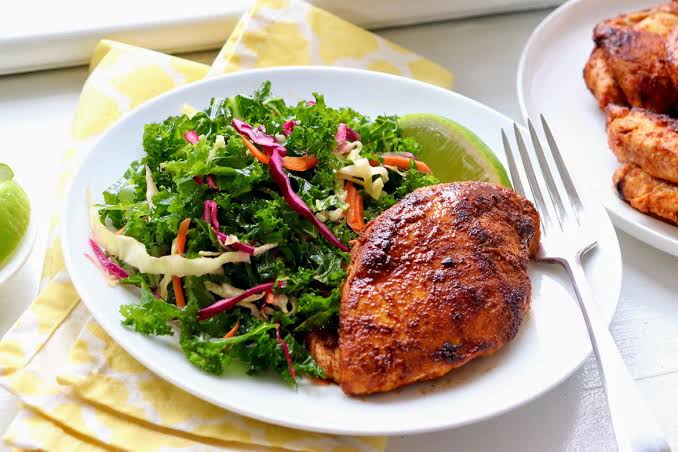
That means a chicken breast can taste dull if it is simply cooked plain in a pan. It can taste full and savory if you brown it well, finish it with lemon juice, and serve it with garlic, parsley, and a yogurt-herb sauce. The same idea works for vegetables, beans, grains, soups, and sauces. Same playbook; different players.
The real difference is not “salted versus unsalted.” It is “one-note versus layered.” A salty dish can still be boring. A salt-free dish can still be exciting if it has contrast: hot and cool, crisp and soft, rich and sharp, earthy and bright. That contrast is the trick.
What generic articles miss is this: flavor without salt is not one trick. It is a system. Extra herbs alone may leave food tasting dusty. Acid alone can make the result feel sharp and thin. I would treat flavor like a balance wheel, not a single switch, but if you have medical sodium restrictions, consult a clinician or registered dietitian before making major changes.
Acid and Aromatics: Who Should Actually Use This First, and Who Shouldn’t
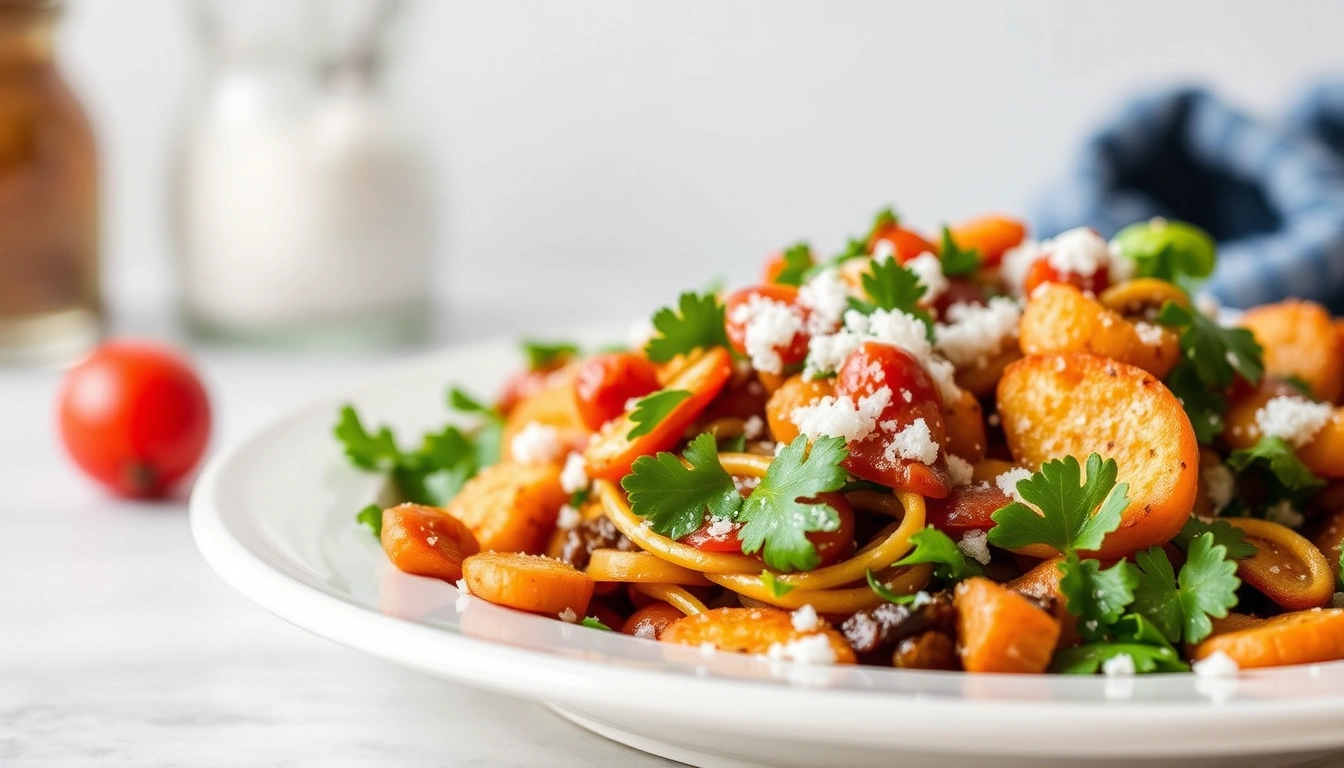
Start here for most meals. Acid and aromatics are the fastest way to make low-salt food taste alive, and if you can only make 2 changes, use onions/garlic and finish with lemon juice, vinegar, or another bright acid. Soups, beans, roasted vegetables, grain bowls, and pan sauces usually benefit right away.
Aromatics build the base. Onions, scallions, garlic, ginger, celery, fennel, and leeks taste different, yet they all add depth when cooked gently in fat. Rush them, and they can taste harsh. Cook them until soft and sweet, and the whole dish feels more complete. Garlic can burn quickly, so I add it later than onion. Ginger works well in stir-fries, soups, marinades, and dressings. If you use leeks or scallions, wash them carefully; grit can hide between layers. Nasty little surprise.
The bright finish comes from acid. Lemon, lime, orange juice, vinegars, tomatoes, yogurt, buttermilk, and even a splash of pickle brine can sharpen flavors and keep low-salt dishes from tasting heavy. The trade-off is obvious: too much acid can make food taste sour instead of fresh. Add it in small amounts near the end, then taste again after a minute. Heat changes it, too, so a dish that tastes balanced in the pan can seem flatter on the plate.
Who should use this first? Anyone cooking soups, stews, legumes, roasted vegetables, fish, chicken, rice, or pasta sauces without salt. Who should not rely on it alone? People who already dislike tangy flavors. In that case, lean harder on browned onions, mushrooms, toasted spices, and herbs instead of making lemon the main event.
For more on building flavor without heavy seasoning, see this overview of the flavor-building basics from the USDA FoodKeeper resources and the Harvard T.H. Chan School of Public Health’s advice on using herbs and spices in place of salt. USDA FoodKeeper and Harvard T.H. Chan School of Public Health are both useful starting points.
Browning, Fat, and Umami: The Specific Situations Where They Win
Browning and umami win when the goal is “savory” rather than “bright.” If a dish needs body, these are the tools I would reach for before extra herbs. Browning gives roasted, toasted, and caramelized notes. Umami gives that deep, rounded taste people often mistake for saltiness.
Vegetables, mushrooms, tomatoes, soy-free broths, bean dishes, and meat dishes are the best places to use them. Mushrooms are especially useful because they bring a meaty, earthy quality. Roast them hard enough to drive off water and the flavor tightens up fast. Tomatoes, especially when cooked down, add natural depth. Caramelized onions can do the same.
Fat matters because flavor molecules dissolve in it. Olive oil, butter, avocado, tahini, nut butters, coconut milk, and full-fat yogurt can help carry herbs and spices across the palate. The drawback is that fat can make a dish feel heavy if nothing bright cuts through it. A creamy soup with no acid and no herbs tastes flat even if it is rich. A roasted tray of vegetables with too much oil can taste greasy instead of savory. Too slick. No lift.
Umami-rich ingredients deserve a quick reality check. Soy sauce, miso, Parmesan, anchovies, fish sauce, Worcestershire, tomato paste, mushrooms, dried mushrooms, nutritional yeast, seaweed, and olives all bring strong savory notes. Some of these are high in sodium, so if your goal is strict sodium reduction, I would use them carefully or skip them. Others, like mushrooms, tomatoes, and nutritional yeast, are often easier to work into lower-sodium cooking. Common allergens matter here: fish sauce and anchovies are not for fish allergies; Parmesan and yogurt are not for dairy-free cooks; soy sauce and miso contain soy, and some soy sauces contain wheat.
Who should use this method: cooks who want dinners to taste “finished” and not just “seasoned.” Who should skip relying on fat alone: anyone trying to keep meals light, since richness without contrast gets dull fast.
The Honest Side-by-Side
If I had to choose between “acid + aromatics” and “browning + fat + umami” as the main path to flavorful low-salt cooking, I would not call one universally better. I would choose based on the dish and the eater. Acid and aromatics make food feel fresh and lively; browning, fat, and umami make it taste deep and comforting. Most strong salt-free cooking uses both.
| Criteria | Acid + Aromatics | Browning + Fat + Umami | Winner for [condition] |
|---|---|---|---|
| Fastest path to visible flavor | Brightens quickly with lemon, vinegar, onions, garlic | Needs heat and time to develop deeper notes | Acid + Aromatics for weeknight speed |
| Best for light dishes | Excellent for salads, fish, vegetables, grains | Can feel heavy if overused | Acid + Aromatics for lighter meals |
| Best for rich comfort food | Can taste thin if used alone | Excellent for stews, beans, roasted dishes, sauces | Browning + Fat + Umami for comfort food |
| Risk of overpowering | Too much acid can turn sour | Too much fat can turn greasy; umami can taste muddy | Tie, depending on hand |
| Works with delicate proteins | Very well with fish, chicken, tofu | Can mask delicate flavors if pushed too far | Acid + Aromatics for delicate proteins |
| Works with beans and lentils | Helpful at the finish | Very strong if built with onions, tomato paste, mushrooms | Browning + Fat + Umami for legumes |
| Best for no-salt cooking beginners | Easy to understand and adjust | Requires more judgment about heat and timing | Acid + Aromatics for beginners |
| Allergen concerns | Usually lower, though yogurt is dairy and some dressings contain mustard | Common issues include dairy, soy, fish, nuts | Acid + Aromatics for restricted diets |
| Long-cooked flavor payoff | Can fade if cooked too long | Builds especially well over time | Browning + Fat + Umami for soups and braises |
My read is simple: acid and aromatics are the safer default, while browning and umami are the stronger answer when a dish needs weight. A generic article would tell you to “use both.” True, but not especially helpful. The useful part is knowing which one to lead with.
Our Verdict: Which One to Choose and Why
Choose acid and aromatics if you are cooking quick meals, delicate proteins, salads, vegetables, or anything that should taste fresh and clean. Choose browning, fat, and umami if you want soups, stews, beans, roasted vegetables, or sauces to taste deep and satisfying. Neither if your food is already heavily processed, because then the problem is not a lack of cooking technique; it is the ingredient list.
That is the call I would make in my own kitchen. On a weeknight sheet pan dinner, I would start with garlic, onion, olive oil, pepper, paprika, and a squeeze of lemon at the end. For lentils, I would brown onion, carrot, celery, and tomato paste first, then build with mushrooms or dried mushrooms, and finish with vinegar once the pot is off the heat.
Why does this work? Each path handles a different gap left by salt. Acid and aromatics replace the “lift” that salt usually gives. Browning, fat, and umami replace the “body” and savory weight. You do not need one magic ingredient. You need a pattern.
A real limitation: if you are used to salty food, the first few low-sodium meals may taste oddly flat. That is normal. Palates adjust. I would not try to force the food into “salty” territory with excessive acid or spice. That usually backfires. Better to keep building strong flavor from the start and let your taste adapt.
For budget-conscious cooking, these flavor builders are usually inexpensive. An onion, a lemon, and a head of garlic often cost less than a packaged seasoning blend, and dried herbs usually stretch across 10 to 20 meals. If you buy olive oil, vinegar, and spices in small quantities, the per-meal cost stays low.
When to Reconsider This Choice Entirely
Reconsider the whole low-salt approach if you are trying to fix a heavily processed diet without changing the ingredients. A sauce packet, frozen entrée, or packaged soup can carry so much sodium that home flavor tricks will not solve the problem. In that case, the better move is to cook from basic ingredients more often.
Reconsider it if you have medical reasons for sodium restriction and are using salt substitutes without guidance. Some salt substitutes contain potassium chloride, which is not suitable for everyone, especially people with kidney disease or those taking certain medications. If that applies to you, talk with a clinician or registered dietitian before making changes.
Reconsider it if you dislike tangy, toasted, or earthy flavors. Some people do. For them, low-salt cooking will be easier if they lean on gentle sweetness from onions, carrots, and roasted squash instead of aggressive lemon or vinegar.
Reconsider it if the meal is supposed to be very simple, like plain rice or steamed fish, and you have not built a sauce, relish, chutney, or herb oil around it. Plain food can be honest, but without salt it often needs a companion. I would not expect a bare grain or vegetable to carry dinner on its own.
According to the Centers for Disease Control and Prevention, sodium reduction matters for blood pressure, and the American Heart Association recommends no more than 2,300 mg a day for most adults, with an ideal limit of 1,500 mg for many people. Those numbers are one reason this style of cooking is useful, but they are also a reminder to check with a professional when health conditions are involved. CDC sodium guidance and American Heart Association sodium recommendations are authoritative starting points.
Practical Flavor Moves I Would Use Tonight
If you want a starting point, I would build meals with this order: cook aromatics first, brown what should brown, add spices to warm them, use a fat that fits the dish, then finish with acid and fresh herbs. That order matters more than any single seasoning.
A few combinations I trust conceptually:
- Roasted cauliflower with olive oil, garlic, cumin, parsley, and lemon.
- Lentils cooked with onion, carrot, celery, tomato paste, thyme, and a splash of vinegar.
- Chicken or tofu with ginger, scallions, sesame oil, and lime.
- Mushrooms with butter or olive oil, black pepper, thyme, and a little balsamic vinegar.
- Beans with sautéed onion, garlic, paprika, bay leaf, and chopped herbs at the end.
If you are missing salt, taste for these four things instead: brightness, depth, aroma, and texture. Brightness comes from acid. Depth comes from browning and umami. Aroma comes from herbs and spices. Texture comes from crisp edges, creamy sauces, toasted nuts or seeds, and fresh garnish. If one is weak, the whole meal feels weaker.
So the real skill is not hiding the missing salt. It is building flavor so well that salt was never the only reason the food tasted good.