Last updated: November 05, 2026
Quick Answer: Heart-Healthy Soft Vegetables and Sides
The Quick Answer is that heart-healthy soft vegetables and sides work best when they stay low in sodium and saturated fat, use tender-cooking methods, and are easy to chew. This guide, Heart-Healthy Soft Vegetables and Sides — The Complete Guide, focuses on practical options that fit that pattern.
Soft vegetables and sides are the easiest place to make a heart-healthy meal feel normal again after illness, dental work, chewing trouble, or a plain stubborn weeknight. The right choices are tender, low in saturated fat, easy to season without heavy salt, and still satisfying enough to sit beside fish, chicken, beans, or tofu.
Key Takeaways
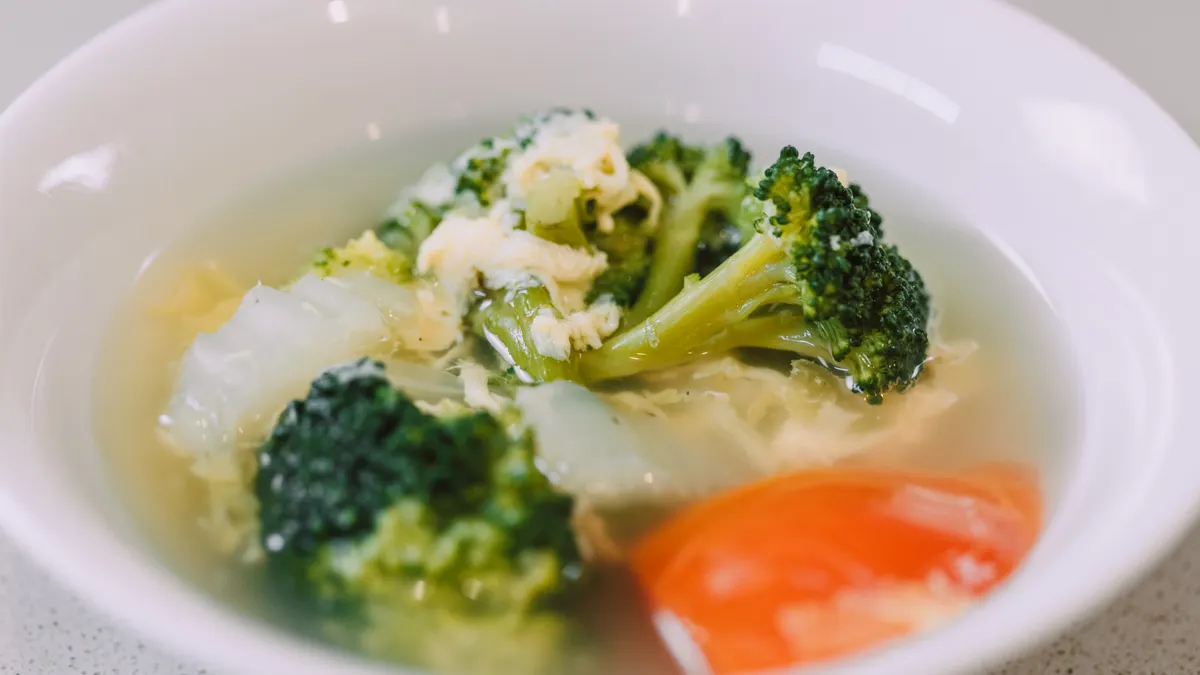
- Soft does not have to mean bland: texture can be tender without turning into soup.
- For heart health, the main levers are usually sodium, saturated fat, and portion size, not just whether a food is a vegetable.
- Steam, roast, braise, mash, and puree are the most useful cooking methods for this job.
- Acid, herbs, garlic, onion, citrus zest, and unsalted broth can replace much of the salt-heavy flavor people expect.
- A “soft side” can still be a smart choice if it keeps butter, cream, cheese, and processed sauces under control.
- This guide is best for people who need easy-to-chew sides and want practical heart-friendly options, not a gourmet vegetable project.
The best heart-healthy soft vegetables and sides are usually tender-cooked vegetables, mashed legumes, soft grains, and vegetable purées that stay low in sodium and saturated fat. That answer sounds simple because it is, but the details matter: a bowl of mashed potatoes can help one person and hurt another depending on the butter, salt, and portion size. The same is true for cauliflower mash, baked squash, and soups. A side dish becomes heart-friendly when the cooking method and the add-ins do the work, not when the name alone sounds virtuous.
For a broad medical reference on heart-healthy eating patterns, the American Heart Association’s dietary guidance is a useful starting point, and the U.S. National Heart, Lung, and Blood Institute also maintains practical heart-healthy eating advice. Those sources are not a substitute for personal medical advice, especially if someone is managing kidney disease, diabetes, swallowing problems, or a prescribed sodium limit. The AHA notes a sodium target of 1,500 mg a day for an ideal pattern, and the NHLBI emphasizes limiting saturated fat in the overall diet.
What makes a soft side heart-healthy?
A soft side is heart-healthy when it keeps sodium, saturated fat, and added sugar modest while still giving you fiber, potassium, and volume. That usually means vegetables cooked until tender, not drowned in cream or cheese, and sides built from whole foods rather than boxed mixes or salty frozen sauces.
The first thing to watch is sodium. Many soft sides get their flavor from salted butter, bouillon, packaged gravy, soy sauce, or canned soup, and those ingredients can push a meal in the wrong direction fast. A heart-friendly side does not need to be flavorless; it just needs a different flavor system. Garlic, onion, lemon juice, vinegar, dill, parsley, cumin, smoked paprika, ginger, and black pepper do a lot of work without relying on the salt shaker.
Texture matters too. If chewing is the issue, a side can be softened with cooking time, mashing, ricing, or blending. If swallowing is an issue, the texture must be chosen carefully and may need help from a clinician or speech-language pathologist. A puree that is safe for one person may be too thin or too lumpy for another. That is a medical and safety issue, not just a recipe preference.
The “soft” part also creates a trap: people often reach for refined starches because they are easy to chew. White bread, instant mashed potatoes, and creamy casseroles are soft, but they are not automatically heart-healthy. The better move is to keep the softness and improve the base. Mashed cauliflower, mashed sweet potato, pureed carrot, braised greens, soft lentils, and oatmeal-style savory grains are all better starting points than buttery casseroles made from canned soup.
A useful rule is simple: if the side needs a sauce to be edible, the sauce should be the light part, not the main event. Unsalted broth, olive oil in small amounts, yogurt where appropriate, or a spoon of pesto thinned with lemon can be enough. Heavy cream, bacon drippings, and large amounts of butter usually are not.
Which vegetables work best when you need them soft?
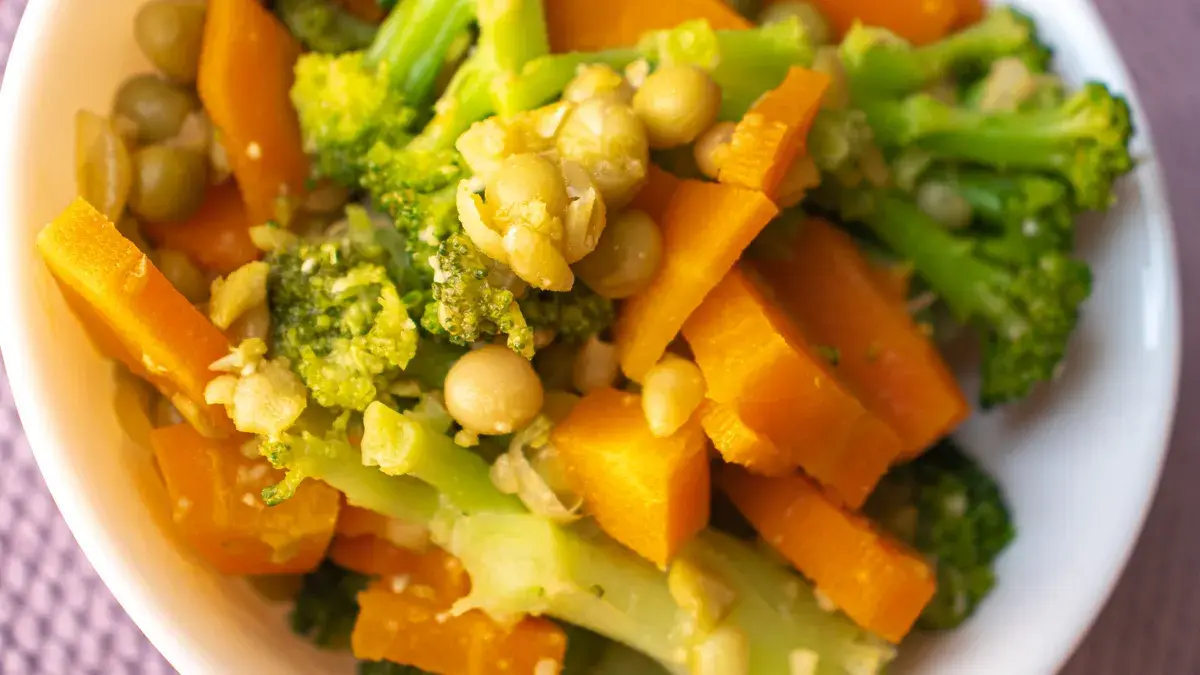
The vegetables that work best when you need them soft are carrots, squash, sweet potatoes, zucchini, green beans, peas, spinach, kale, cauliflower, broccoli florets, beets, and mushrooms. Each behaves differently when cooked, and that difference matters.
Carrots and squash are forgiving. They soften well in the oven, steam quickly, and mash smoothly if needed. Butternut squash, acorn squash, and carrots bring natural sweetness, which helps when salt is limited. Sweet potatoes deserve their place too, though they are starchier than many vegetables; because of that, it is wise to treat them as a side portion and check with a professional if sodium or carbohydrate limits are part of the plan. For a general reference on nutrient balance in heart-healthy eating, see the American Heart Association and NHLBI guidance. American Heart Association | NHLBI heart-healthy eating
Cauliflower is one of the most useful “soft side” vegetables because it can be steamed, roasted, mashed, or pureed. It takes flavor well and can stand in for part of a potato mash. The trade-off is that cauliflower can turn watery if overcooked, so the goal is tender, not disintegrated.
Green beans and zucchini are also useful, but both can become limp quickly. They work well when cooked just until tender and finished with olive oil, lemon, herbs, or toasted seeds. Overcooking them makes them less pleasant and does not improve their heart value.
Leafy greens such as spinach and kale are soft only after proper cooking. Wilted spinach is easy to chew and blends into soups or purées. Kale needs more time and usually a stripping of the tough stems. Collards and Swiss chard can become very tender, especially when braised with garlic and onion in a little low-sodium broth.
Beets are underrated in this category. Roasted beets become soft and sweet, and they can be sliced, diced, or puréed with a little yogurt or tahini if the dish needs richness. Mushrooms are soft after sautéing or braising, but they work best as part of a mixed side rather than a pure vegetable bowl.
If the goal is heart health, the vegetables that give the best payoff are usually the ones the person will actually finish without buttering them into submission. A plain steamed vegetable no one eats helps less than a lightly seasoned dish that gets used twice a week.
How do you cook soft vegetables without losing the heart-healthy part?
The simplest answer is to use methods that soften texture without adding much saturated fat or sodium: steaming, roasting, braising, simmering, pressure cooking, and microwaving with minimal added fat. The cooking method is often the difference between a genuinely heart-friendly side and a calorie-heavy imitation.
Steaming is the cleanest method when tenderness and simplicity matter. It works well for green beans, broccoli, cauliflower, carrots, and zucchini. Steam until a fork slides in with light resistance, then finish with a small amount of olive oil, lemon, herbs, or crushed garlic. A side like that can stay bright instead of flat.
Roasting gives vegetables more flavor without needing much fat. A sheet pan of carrots, squash, beets, or cauliflower tossed with a modest amount of oil and pepper can become soft in the center and caramelized on the edges. That contrast matters because food with real flavor often needs less salt. The drawback is that roasting takes longer than steaming and can dry out delicate vegetables if the heat runs too high.
Braising can be a good technique for soft greens, mushrooms, cabbage, and leeks. A small amount of olive oil, onion, garlic, and low-sodium broth can create a tender side with depth. Braising lets you build flavor in layers, which is useful when trying to avoid butter or cream.
Boiling is useful only when you plan to mash or puree afterward. Potatoes, sweet potatoes, carrots, and cauliflower all soften quickly in simmering water. The downside is that water can wash out some flavor, and overboiling makes the final texture watery. If the plan is mashed vegetables, drain well and let the vegetables steam dry for a minute or two before mashing.
Microwaving is underrated for weeknight cooking. It can soften broccoli, carrots, green beans, and cauliflower with little effort and little added fat. Cover the dish so the steam stays in, then finish with herbs, citrus, or a drizzle of olive oil. The result is not glamorous, but it is practical, and practicality is a big part of heart-healthy eating.
Pressure cooking is useful for roots and beans, but it can oversoften vegetables if the timing is careless. That is fine for a puree, not fine for a side where the vegetables should still hold shape. The method is excellent for someone making mashed sweet potatoes, bean mash, or thick vegetable soup.
Which sides are easiest to make repeatedly?
The easiest repeated sides are mashed cauliflower, mashed sweet potatoes, steamed green beans with lemon, roasted carrots, braised spinach, and soft lentil sides. These options cover different meals, different chewing needs, and different levels of effort.
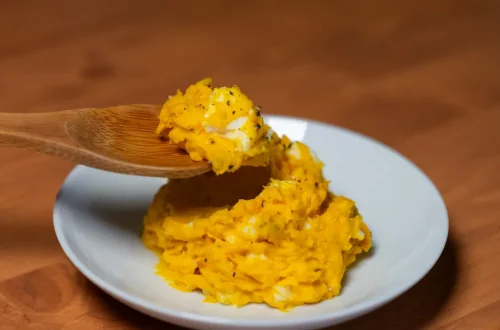
Mashed cauliflower is one of the most useful side dishes because it can stand in for mashed potatoes in many meals. Steam or boil the florets until very tender, drain them well, then mash with a small amount of olive oil, garlic, black pepper, and maybe a spoon of plain yogurt if dairy is tolerated. The main drawback is that cauliflower mash can become watery, especially if it is under-drained or overprocessed.
Mashed sweet potatoes are comforting and naturally sweet, which helps when someone is cutting back on salt. Keep the additions modest: a little olive oil, cinnamon, or nutmeg is usually enough. Heavy cream and marshmallow-style toppings turn the side into something else entirely. If the sweet potato is the only starchy side on the plate, portion size matters.
Steamed green beans with lemon and sliced almonds can work for a standard dinner plate, but the almonds should be finely chopped or omitted if chewing is limited. If nuts are not an option, the same dish can use a little olive oil and toasted sesame seeds. The key is to keep the beans tender and avoid drowning them in bacon or butter.
Roasted carrots are one of the easiest vegetable sides to batch-cook. They hold up well in the refrigerator and can be reheated without becoming miserable. Add thyme, dill, rosemary, or cumin depending on the main dish. They are especially good next to baked fish, roast chicken, or lentil loaf.
Braised spinach is fast, soft, and flexible. A pan of spinach wilts down to almost nothing, which sounds unhelpful until you want a side that disappears into the meal without demanding attention. Garlic, onion, and a squeeze of lemon are enough. If the spinach needs more substance, stir in white beans or cannellini beans for a softer, more filling side.
Soft lentils belong here because they fill the gap between vegetable and side dish. Lentils are not vegetables, but they are one of the most heart-friendly soft sides available when cooked until tender. They work with carrots, celery, onion, cumin, bay leaf, and a little olive oil. A lentil side can replace a heavier grain or potato dish and still feel complete.
What should you avoid if heart health is the goal?
You should avoid sides that rely on lots of butter, cream, cheese, bacon, processed gravy, or salty canned soup for their identity. Those ingredients can make a soft vegetable dish taste rich, but they also push the meal toward the wrong balance.
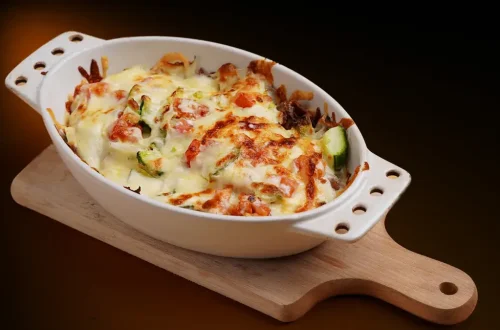
A common mistake is treating “vegetable” as the health guarantee. Green bean casserole, creamed spinach, cheesy broccoli bake, scalloped potatoes, and butter-heavy mashed vegetables are soft, but they are not automatically heart-healthy. They can fit occasionally, especially in small portions, but they are not the default if someone is trying to protect cardiovascular health.
The same warning applies to sodium-heavy shortcuts. Frozen vegetable sides with sauce packets, boxed stuffing mixes, and instant mashed potatoes can all be easy to chew, yet they often lean hard on salt. If a person has been told to limit sodium, those convenient options deserve a careful label check, not blind trust.
Coconut cream is another ingredient that gets mistaken for a healthy shortcut. It may be plant-based, but it is still rich and dense, and it can raise saturated fat sharply when used in quantity. That does not make it forbidden, only easy to overuse.
Fried vegetable sides belong in the “sometimes” column, not the “heart-healthy” column. Tempura vegetables, fried zucchini, and battered onion rings are soft enough to chew, but the frying oil and breading change the equation. Air-fried versions can still be salty or heavily breaded, so the process is not a free pass.
The honest limitation here is that some soft sides will always be more appetizing than the lowest-fat version. That is the trade-off. If someone wants the richness of cheese sauce or buttered potatoes every night, heart-healthy sides will feel less exciting. The point is not to mimic restaurant comfort food perfectly. The point is to create something sustainable enough that the person will keep eating it.
This guide is not for anyone who needs a texture-modified diet because of swallowing risk and is trying to improvise alone. A dysphagia plan should come from a qualified professional, because the difference between soft, minced, and pureed can matter for safety.
Can you still make soft sides taste good without salt and butter?
Yes, and the best way is to build flavor in layers instead of depending on one heavy ingredient. Acid, aromatics, herbs, browning, and umami-rich but modest add-ins can make a vegetable side taste complete without making it heavy.
Acid is the fastest fix. Lemon juice, lime juice, vinegar, and even a little pickle brine can brighten a soft vegetable dish. Acid makes roasted carrots pop, wakes up steamed green beans, and keeps mashed cauliflower from tasting dull. The trick is to add it at the end, then taste again before reaching for salt.
Aromatics do quiet work in the pan. Onion, shallot, garlic, celery, and ginger can be sautéed in a small amount of olive oil before the vegetables go in. That base creates flavor depth, which means the finished dish needs less butter or salt. Slow-cooked onion in particular gives a sweet, savory backbone to braised greens and soft root vegetables.
Herbs matter more than many home cooks think. Parsley, dill, basil, thyme, rosemary, oregano, and chives all pair well with soft sides. Use fresh herbs when possible, but dried herbs are fine if they are not ancient. A tired herb jar can make a dish taste like cardboard no matter how careful the rest of the cooking is.
A little umami helps when the dish feels thin. Tomato paste, miso in small amounts, nutritional yeast, parmesan in a light sprinkle, or a few chopped olives can deepen flavor. The key is restraint. A teaspoon or tablespoon can change the profile; a heavy hand turns the side into a sodium problem.
Texture contrast also matters. A soft side does not have to be uniformly smooth. Tender vegetables with a little bite, a sprinkle of chopped herbs, or a few toasted seeds can make the dish feel more alive. If chewing is very limited, that contrast may not be appropriate, but where it is allowed, it makes a big difference.
A practical plate plan for a heart-healthy soft dinner
A workable plate usually includes one soft vegetable side, one protein, and one starch or legume, with the vegetable doing the flavor work instead of the butter. That structure keeps dinner soft enough to chew while still supporting a heart-healthy pattern.
A simple example is baked salmon, mashed cauliflower, and braised spinach. The salmon provides protein and healthy fats, the cauliflower gives the comfort of a mash, and the spinach adds volume and micronutrients. If salmon is not on the menu, baked tofu, white beans, or skinless chicken can fill the same role.
Another useful combination is roasted carrots, soft lentils, and a small portion of brown rice or barley. That plate gives a mix of texture and fiber without leaning on a creamy casserole. If chewing is a concern, the rice or barley can be cooked a little longer so it stays soft.
For a vegetarian meal, a lentil bowl with pureed carrot soup on the side and steamed zucchini works well. The soup makes the meal easy to eat, while the lentils keep it from feeling empty. If the person needs even softer food, the lentils can be cooked longer or mashed lightly.
Breakfast can use the same logic. Savory oatmeal with sautéed spinach, soft tomatoes, and a small egg can serve as a heart-healthy soft side pattern, especially when bread is hard to chew. The point is not to force vegetables into every meal in the same form. The point is to keep the food tender, sensible, and consistent.
For people using these sides after dental work, during recovery, or during a period of reduced appetite, the most useful strategy is often repetition. Two or three reliable sides cooked the same way each week beat a grand plan that collapses after the first tired evening. The best heart-healthy side is the one that can appear on the plate without a fight.
Before-and-after comparison of common soft sides
The best version of a soft side uses a whole vegetable base, modest fat, and light seasoning; the weaker version uses butter, cream, cheese, or salty packaged sauce to cover the flavor gap. That difference shows up clearly when the side is compared side by side.
| Metric | Before | After | Change | Timeline |
|---|---|---|---|---|
| Cooking method | Butter-heavy casserole | Steamed, roasted, or braised vegetable | Less added fat and sodium | One meal prep change |
| Main flavor source | Cream, cheese, salted gravy | Lemon, herbs, garlic, onion | Flavor without the usual richness | Immediate |
| Texture goal | Soft because of heavy sauce | Soft because of proper cooking | Better chewability with less heaviness | Same day |
| Best use | Occasional comfort side | Regular dinner side | More suitable for routine meals | Ongoing |
| Who it suits | People chasing comfort first | People prioritizing heart health and easy chewing | Better fit for daily use | Ongoing |
This comparison is the real decision point. A side can be tender and still be a poor fit if the tenderness comes from cream, salt, or processed add-ins. It can also be tender and genuinely useful if the softness comes from the vegetable itself and the seasoning stays disciplined.
The best recommendation is to build a short rotation of four or five sides that can be made without much thinking: mashed cauliflower, roasted carrots, braised greens, steamed beans, and soft lentils. That rotation covers most dinners without pushing the cook toward a sauce packet. It also leaves room for exceptions, because no one eats perfectly every day.
The weakest move is to assume all soft food is safe food. It is not. The better move is to ask a simpler question before cooking: does this side help the heart by keeping salt and saturated fat modest while still being easy to eat? If the answer is yes, it belongs on the table.
Drafted with AI; not yet reviewed by a person.