Last updated: October 30, 2026
Key Takeaways
- You can make chicken soft for seniors by choosing a moist method, keeping pieces small, cooking just until done, and adding liquid before serving or reheating.
- Soft chicken dishes work best when the sauce keeps them moist, not just the pan.
- Soft chicken dishes often fail in the last 10 minutes, not at the start.
- The usual soft-chicken approach should change or stop when texture, safety, or medical context does not fit.
- What these recipes are for — and who should skip them
- How do you make chicken soft for seniors?
- Soft chicken dishes that stay tender after reheating
- What to check before you serve the chicken
- When should you avoid the usual approach?
- Common mistakes that make chicken hard to chew
- What changes when chewing difficulty is more than mild?
- The short version for getting dinner right
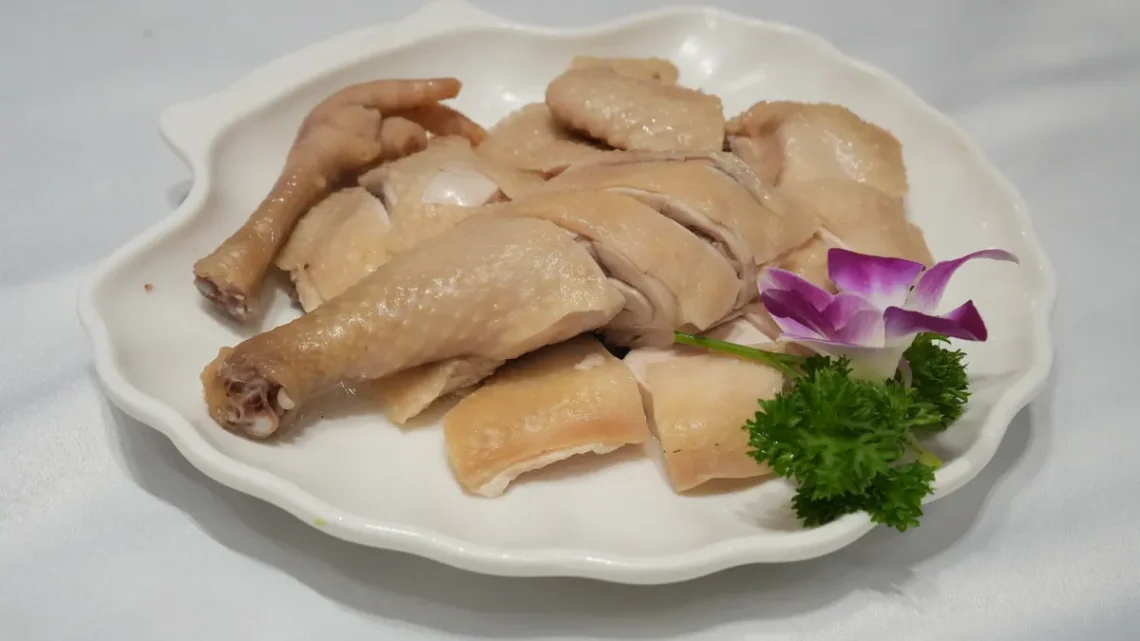
Soft Chicken Recipes for Seniors with Chewing Difficulty can work well when the meat stays moist, shreds or cuts easily, and is seasoned without relying on salt. If swallowing is also hard, or if meals regularly cause coughing, choking, or weight loss, speak with a qualified clinician or dietitian about the right texture level before trying new foods. PubMed shows 258 human records matching this wider subject for 2016–2026; the 100 most relevant were read and the figures below were computed from those records on 2026-10-22. For practical cooking, that means using soft chicken recipes for seniors with chewing difficulty that stay tender through serving and reheating.
What these recipes are for — and who should skip them
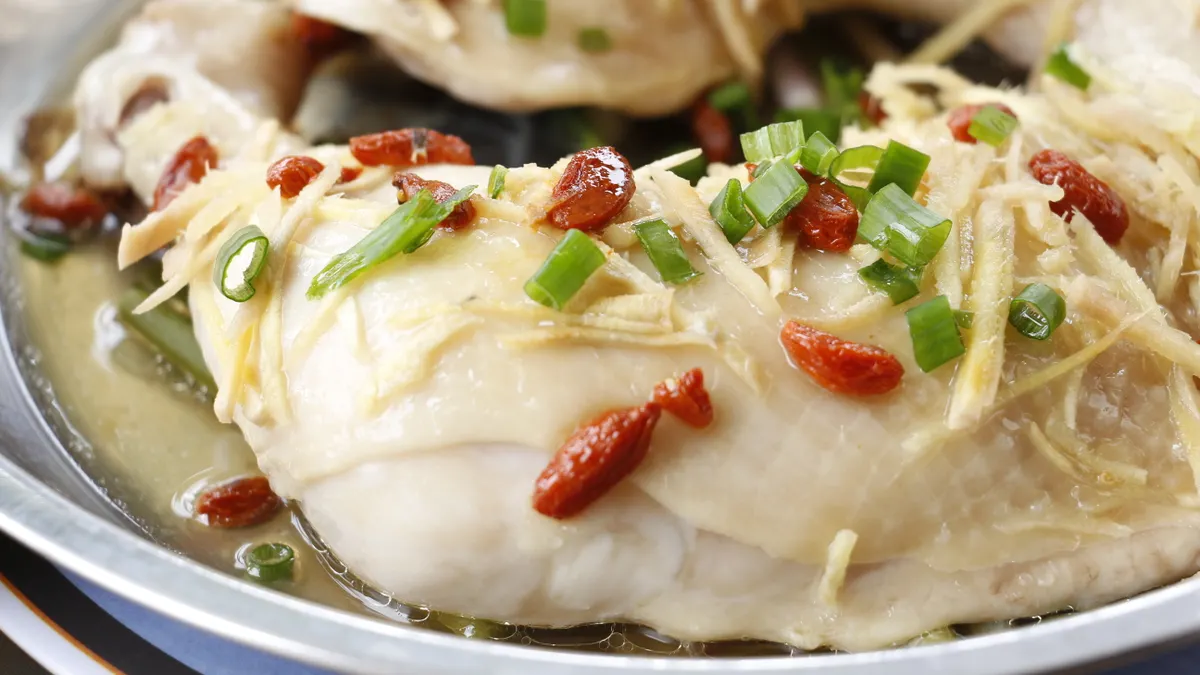
These recipes are for older adults who can eat chicken, but need it to stay soft enough to bite through with little jaw effort. They assume the reader already has basic kitchen tools, a way to cook chicken through safely, and the ability to check doneness without guessing.
They also assume the goal is tenderness, not just “healthy” food in the abstract. The right texture matters more than the recipe title. Chicken breast can turn dry if it is cooked too long, while chicken thigh usually stays more forgiving because it has more fat and connective tissue. For someone with chewing difficulty, that difference is not cosmetic. It changes whether the meat flakes apart with a fork or feels stringy and stubborn.
This page is not for someone who has trouble swallowing liquids, food that sticks in the throat, or frequent coughing at meals. Those signs can point to dysphagia, which needs individualized guidance from a qualified professional. It is also not the right page if the goal is a strict diet plan, a heart-healthy menu, or a meatloaf substitute; those belong elsewhere. The focus here is simple: soft chicken recipes for seniors with chewing difficulty that are easier to chew, easier to reheat, and easier to keep moist.
A useful benchmark is fork-tender chicken: the meat yields easily when pressed with a fork and separates without a long chewing workout. In kitchen terms, “fork-tender” is a texture goal, not a formal medical standard. If the chicken still resists a fork after cooking and resting, the texture is not ready.
PubMed records can help show why practical cooking guidance matters more than broad theory here. Of the 100 most relevant records, 12 were tagged Review, 3 Randomized Controlled Trial, 2 Systematic Review, and 1 Observational Study, all from PubMed (NCBI). That spread suggests the evidence base is wider than it is deep, so careful kitchen technique still carries a lot of the burden.
How do you make chicken soft for seniors?
You make chicken soft for seniors by choosing a moist method, keeping pieces small, cooking them just until done, and adding liquid back before serving or reheating. The most reliable pattern is gentle heat plus moisture: broth, covered cooking, and a resting period so juices stay in the meat.
-
Choose the cut with tenderness in mind. Use boneless chicken thigh for the most forgiving texture, or chicken breast only if you plan to slice it thin or shred it. Verify that the pieces are uniform, about 1 to 1½ inches thick, so they cook evenly. If one side is much thicker, the thin part dries before the center is done.
-
Cut the chicken before cooking when the goal is easy chewing. Slice into bite-size strips or 1-inch chunks rather than leaving large fillets whole. Verify that each piece can be pierced with a fork without sliding away. If the pieces are too large to manage comfortably with a spoon or fork, the serving size is too ambitious for a soft meal.
-
Use a gentle moist method. Braise in broth, simmer in a covered skillet, bake covered with broth, or poach at low heat. A covered pan with 1/4 to 1/2 cup broth is often enough for a small batch; the exact amount depends on pan size. Verify that the liquid is gently moving, not boiling hard. A hard boil tightens protein and can make chicken tougher.
-
Keep seasoning mild but not bland. Use olive oil, garlic, onion powder, black pepper if tolerated, herbs, lemon zest, or a small amount of salt-free seasoning blend. Plain yogurt can be used as a marinade for extra tenderness, especially for breast meat. Verify that the marinade coats the surface evenly. If it pools heavily or turns watery, it will not help texture much.
-
Cook to doneness, not beyond it. Use a food thermometer if available and remove chicken at a safe internal temperature of 165°F at the thickest point. Verify that the juices run clear and the center is no longer pink. If the chicken keeps cooking long after it is done, it will lose moisture fast.
-
Rest before cutting or shredding. Let the cooked chicken sit for about 5 to 10 minutes before serving. Verify that the meat feels settled and does not gush liquid when cut. Skipping this step can send the juices onto the plate instead of staying in the chicken.
-
Add moisture back for serving. Spoon warm broth, pan juices, or a mild sauce over the chicken before plating. Verify that the finished dish looks glossy, not dry. If the meat looks pale, tight, or wrinkled, it likely needs more moisture at serving.
-
Reheat slowly and covered. Reheat with a splash of broth and a lid, or in a covered dish at low oven heat. Verify that the chicken is steaming through, not sizzling dry. Reheating uncovered can dry out a soft dish and make it chewier.
A simple formula works well: chicken thigh or carefully handled chicken breast + broth + covered heat + rest + sauce. That combination is the backbone of many easy-to-chew protein meals, and it is the same basic pattern used in the senior soft-diet protein meals hub.
Soft chicken dishes that stay tender after reheating
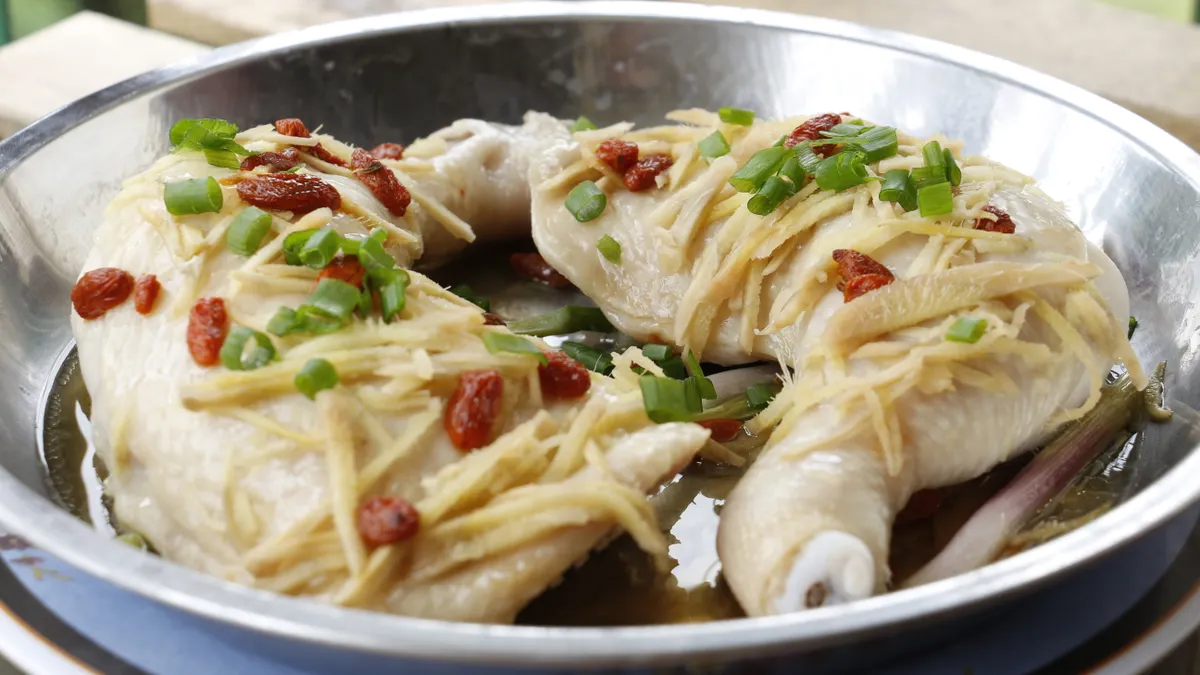
Soft chicken recipes for seniors with chewing difficulty stay tender after reheating when the sauce holds moisture around the meat. Reheating is where many recipes fail. A dish that tastes tender at 6 p.m. can feel dry at noon the next day if it has no liquid around it.
Chicken and gravy over mashed potatoes is one of the most forgiving options. Use diced chicken thigh simmered in low-sodium broth, then thicken the cooking liquid slightly so it clings to the meat. The gravy matters as much as the chicken because it protects the surface during reheating. If the gravy is too thick, it can become paste-like after cooling; if it is too thin, it will not coat.
Chicken and rice soup with shredded chicken works well when chewing is limited but appetite is low. Shred the chicken very fine and keep the broth rich enough to soften each bite. The rice should be fully cooked and soft, not separate and chewy. A common mistake is leaving the broth lean; that gives a “light” soup, but not a gentle one.
Braised chicken thighs with carrots and soft potatoes stay tender because the vegetables and chicken cook together in the same covered pot. The vegetables add moisture and make the dish easier to portion for someone who tires while chewing. The drawback is that everything can turn soft in the same way, so anyone who prefers more texture may find it too uniform.
Chicken in plain yogurt sauce can be a good choice when a smoother mouthfeel helps. The yogurt should be plain and used gently, often stirred in at the end off heat so it does not separate. This style is not right for someone who dislikes tangy flavors or needs a very savory profile.
Shredded chicken with soft cooked pasta is a practical reheating meal if the pasta is cooked well past al dente. The chicken should be chopped into small strands and mixed with sauce so the whole dish stays moist. The trade-off is that pasta can overcook quickly in leftovers, so the texture window is narrow.
Chicken pot pie filling without a hard crust is often better than the full pie for chewing difficulty. The filling can be spooned over mashed potatoes or soft biscuits instead of a flaky top crust. That avoids the dry, crumbly texture that often defeats an otherwise tender filling.
What to check before you serve the chicken
Soft chicken recipes for seniors with chewing difficulty still need a final check before serving. The chicken may be fully cooked but still be too dry, too stringy, or too hot to handle comfortably.
Check the grain of the meat first. Chicken muscle fibers run in one direction, and slicing across the grain shortens those fibers. That makes the bite easier to manage. If the chicken is sliced with the grain, it can feel stringy even when it is moist. This matters most with breast meat.
Check the sauce coverage next. Every serving should have visible moisture on the plate. A teaspoon or two of broth or pan juices can change the eating experience more than another pinch of seasoning. If the food sits on the plate without any shine, it is probably too dry for a chewing-difficulty meal.
Check the temperature before serving. Food that is too hot can be hard to handle safely, especially for someone with slower eating pace. Food that is lukewarm may be unappealing and get left unfinished. Warm, not scalding, is the useful target.
Check the portion size. Small portions of 3 to 4 ounces of chicken are often easier to manage than a full large breast. That is not a medical rule; it is a practical kitchen choice. Because of that, bigger portions cool unevenly and invite over-chewing.
Check the salt level by tasting the sauce, not just the chicken. Low-sodium seasoning still needs flavor from herbs, aromatics, acid, and fat. Olive oil adds body; broth adds moisture; plain yogurt adds softness and a little tang. If the dish tastes flat, many people compensate by overcooking it, which makes the texture worse.
When should you avoid the usual approach?
The usual soft-chicken approach should be changed or stopped when the texture, safety, or medical context does not fit. In these cases, the problem is not the recipe; it is the fit.
If chewing triggers coughing or choking: that can mean the issue is swallowing, not just chewing — get individualized advice before serving mixed textures like soup with chunks.
If the chicken comes out stringy even after gentle cooking: that usually means the breast was overcooked or sliced with the grain — switch to thigh meat or shred it finer.
If leftovers dry out after one reheat: the dish does not hold moisture well — serve it with extra broth, sauce, or gravy, or choose a soup-based recipe instead.
If the person cannot tolerate skin, cartilage, or small bones: bone-in cuts are the wrong tool — use boneless pieces only and trim carefully before cooking.
If seasoning depends on salt to taste good: the recipe is not a good fit for a low-sodium pattern — rebuild flavor with herbs, citrus zest, garlic, onion, or a yogurt-based sauce.
If a dish requires a crunchy topping or crust: that texture usually works against chewing difficulty — leave it off and serve the filling on its own or over a soft base.
Common mistakes that make chicken hard to chew
The most common mistakes are small, but the texture penalty is big. A dish can look soft and still be a poor fit once it reaches the mouth.
Cooking breast meat at high heat until it “looks done.” The consequence is dry, tight fibers that take more chewing. The better alternative is lower, covered heat with broth and a thermometer.
Leaving the chicken in large slabs. The consequence is a long chew cycle and a greater chance of dry edges. The better alternative is to slice, dice, or shred before serving.
Using only chicken breast when thigh would work better. The consequence is a less forgiving texture, especially after reheating. The better alternative is chicken thigh for recipes that need extra moisture retention.
Skipping sauce or broth. The consequence is a dry surface that feels harsh even when the center is moist. The better alternative is to finish the dish with a spoonable liquid.
Reheating uncovered in a microwave or oven. The consequence is moisture loss on the outside first, then around the edges. The better alternative is a covered dish with a small splash of broth.
Assuming soft means bland. The consequence is overcooking in an attempt to make the meal “gentle.” The better alternative is to season thoughtfully with herbs, plain yogurt, olive oil, and mild aromatics.
What changes when chewing difficulty is more than mild?
When chewing difficulty is more than mild, the recipe may need to move from “soft” to “nearly no-chew.” That usually means extra shredding, smaller pieces, and more sauce. It may also mean avoiding dry accompaniments like toast, crackers, and crisp toppings.
A spoonable texture is often easier than a forked one. Chicken mixed into soup, gravy, or a smooth sauce is simpler to manage than chicken served plain. The more the meal depends on one dry component, the more likely it is to fail. For many seniors, the dish works best when the chicken is only one part of a soft plate that also includes mashed vegetables, soft rice, or well-cooked pasta.
Because of that, a professional texture plan can matter. If someone has recent dental changes, a stroke history, Parkinson’s disease, or a new swallowing problem, the “soft chicken recipe” question may be only one piece of a much larger feeding issue. A clinician or dietitian can help decide whether normal soft food is appropriate or whether a modified texture is safer.
The short version for getting dinner right
Soft chicken dishes work best when they are moist, gentle, and finished with sauce or broth. Chicken thigh is usually easier to keep tender than chicken breast, but breast can still work if it is cut small, cooked carefully, and not reheated dry. The most useful rule is simple: if the chicken needs effort, the method needs changing.
For a senior with chewing difficulty, that means choosing recipes that stay soft after a second heating, not just recipes that sound healthy. The best results usually come from covered cooking, mild seasoning, and a plate that stays wet enough to glide instead of snag.
Drafted with AI; not yet reviewed by a person.