Last updated: October 22, 2026
Quick answer
Roasting vegetables without salt for senior meals usually takes about 15 to 35 minutes at 400°F to 425°F, depending on the vegetable and cut size. In How to Roast Vegetables Without Salt for Senior Meals, the key is to use a hot oven, enough oil, and even cutting so the vegetables brown instead of steam.
Roasted vegetables without salt can still taste rich, and they can stay tender enough for senior meals if you cut them right, season them well, and roast them at the right heat. The trick is to build flavor with browning, garlic, herbs, and enough oil to carry that flavor without drying the vegetables out.
What roasted vegetables need before they go in the oven
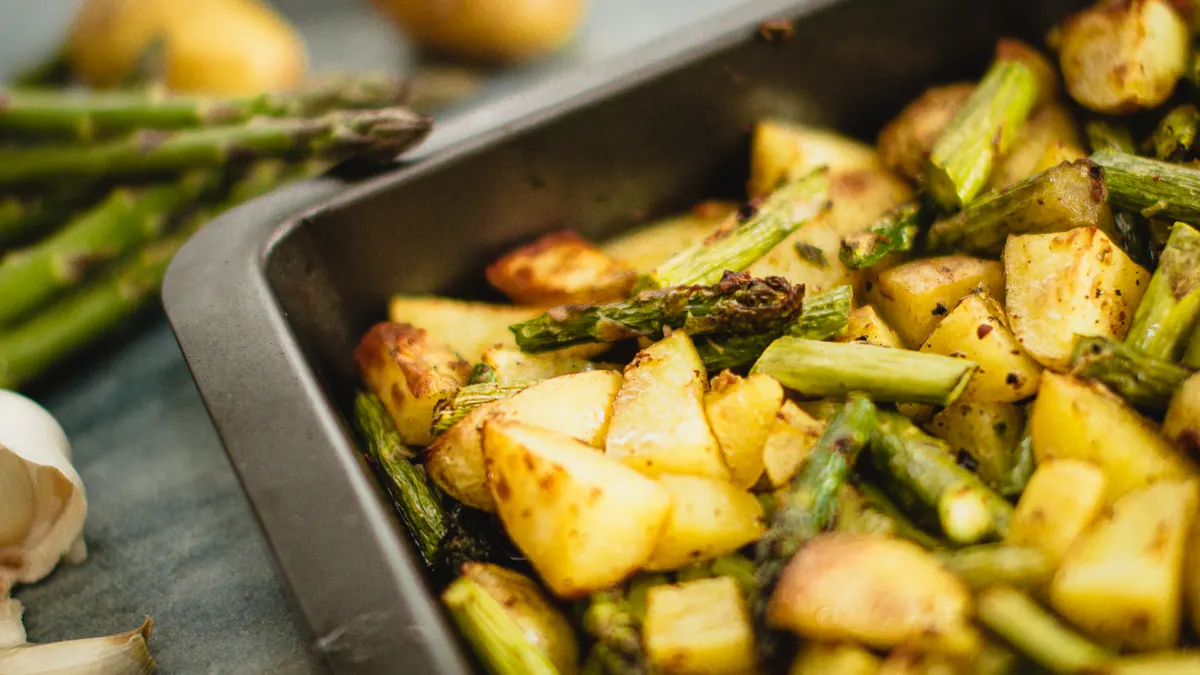
You need three things before you start: fresh vegetables, olive oil, and a hot oven. A sheet pan, parchment paper, and basic seasonings such as garlic, black pepper, rosemary, thyme, paprika, or lemon zest make the job easier, but the core method works with just oil and a few aromatics.
For senior meals, the texture matters as much as the flavor. Roasted vegetables should be browned on the edges and soft in the center, not crisp-hard. That means choosing vegetables that roast evenly and cutting them to a size that matches the time they need. Carrots and sweet potatoes need longer than zucchini, and broccoli sits somewhere in the middle.
Salt usually boosts flavor by making vegetables taste brighter and less flat. Without it, the pan has to do more work. Browning, caramelization, and a light sheen of oil are what make the difference. A dry tray and low heat produce bland vegetables fast; a hot oven and enough space between pieces produce better color and better taste.
This method fits the broader low-sodium cooking methods for seniors approach because it relies on technique instead of added salt. It is useful when the goal is a vegetable side that tastes complete on its own.
How do you roast vegetables without salt and still make them flavorful?
You roast them with high heat, enough oil, and strong but salt-free seasonings. The oven should be hot enough to brown the vegetables before they turn watery, usually around 400°F to 425°F. That temperature range helps build the savory edges that make roasted vegetables taste finished.
The flavor base can be simple:
- 1 to 2 tablespoons olive oil per sheet pan
- 1 to 2 cloves garlic, minced or grated
- 1 teaspoon dried herbs such as thyme or rosemary
- 1/2 teaspoon paprika, if you want warmth
- lemon zest or a squeeze of lemon after roasting
Garlic works best when it is mixed with oil rather than sprinkled dry, because it clings to the vegetables and cooks without burning as quickly. If you use fresh garlic, keep an eye on it; small bits can brown too fast at 425°F. Garlic powder is an easier choice for even coverage, though it gives a flatter flavor than fresh garlic.
Acid helps replace the lift that salt usually gives. A small squeeze of lemon over the finished vegetables can wake up carrots, broccoli, and zucchini. Vinegar also works, but use it lightly so the vegetables do not taste sharp. One teaspoon to one tablespoon is usually enough for a tray, depending on how bright you want the result.
Do not bury the vegetables under too many seasonings. Without salt, the goal is contrast: browned edges, soft centers, and a clean finish from herbs or citrus. Too much spice can muddy the flavor and make the dish taste busy instead of satisfying.
Roasted vegetables without salt: step-by-step method
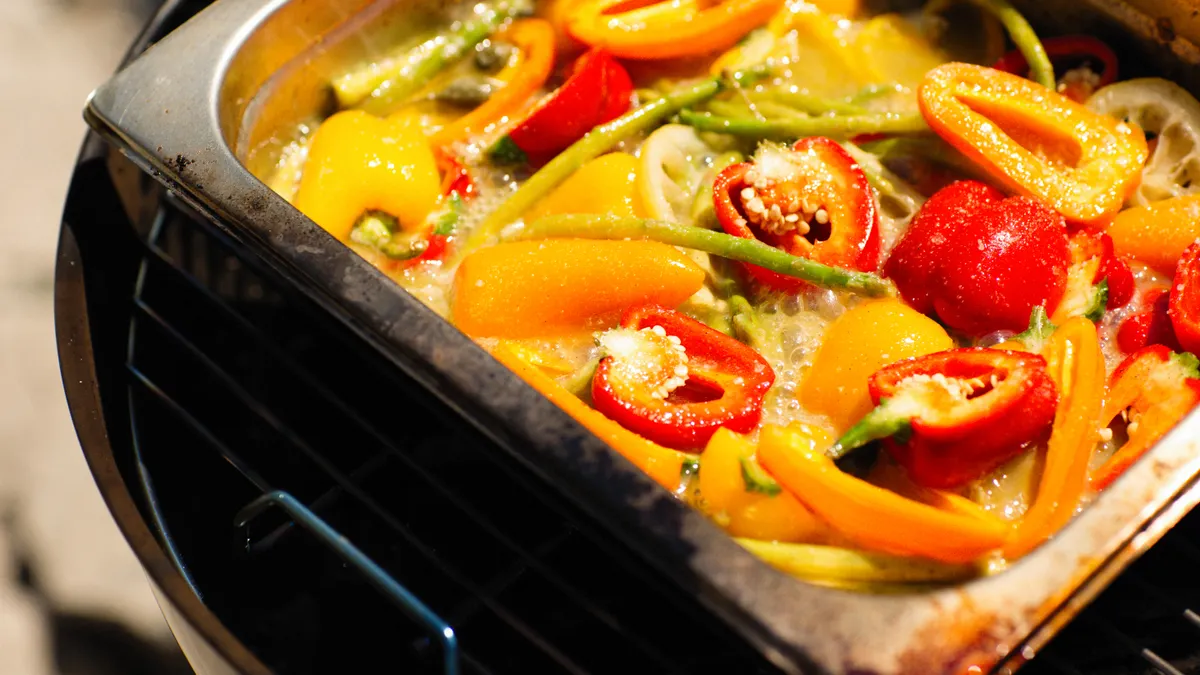
This method starts with a 400°F oven, a large sheet pan, and vegetables cut to even sizes so they cook at the same pace. The order matters, because dry, crowded vegetables will steam instead of roast.
- Heat the oven to 400°F or 425°F. A fully hot oven gives you browning before the vegetables collapse. If your oven runs hot, 400°F is often enough; if it runs cool, 425°F gives a better edge on carrots and broccoli.
- Line a sheet pan with parchment paper or leave it bare. Parchment helps with easy cleanup, while a bare pan can produce slightly deeper browning. Use a full-size half-sheet pan if you have one; crowding on a small pan leads to steaming.
- Wash, dry, and cut the vegetables into even pieces. Cut carrots into 1/2-inch coins or sticks, sweet potatoes into 3/4-inch cubes, zucchini into thick half-moons, and broccoli into medium florets. Even cutting means the tray finishes at the same time instead of leaving some pieces hard and others mushy.
- Toss the vegetables with olive oil and seasonings. Use enough oil to coat every piece lightly, not drench it. Add garlic, herbs, pepper, paprika, or citrus zest now so the seasoning sticks and browns a little in the oven.
- Leave visible space between pieces. A crowded pan traps steam, which gives you soft, pale vegetables instead of roasted ones.
- Roast until the edges brown and a fork slides in easily. Broccoli and zucchini may be ready in 15 to 20 minutes. Carrots and sweet potatoes usually need closer to 25 to 35 minutes, depending on size. Turn once halfway through if you want more even color.
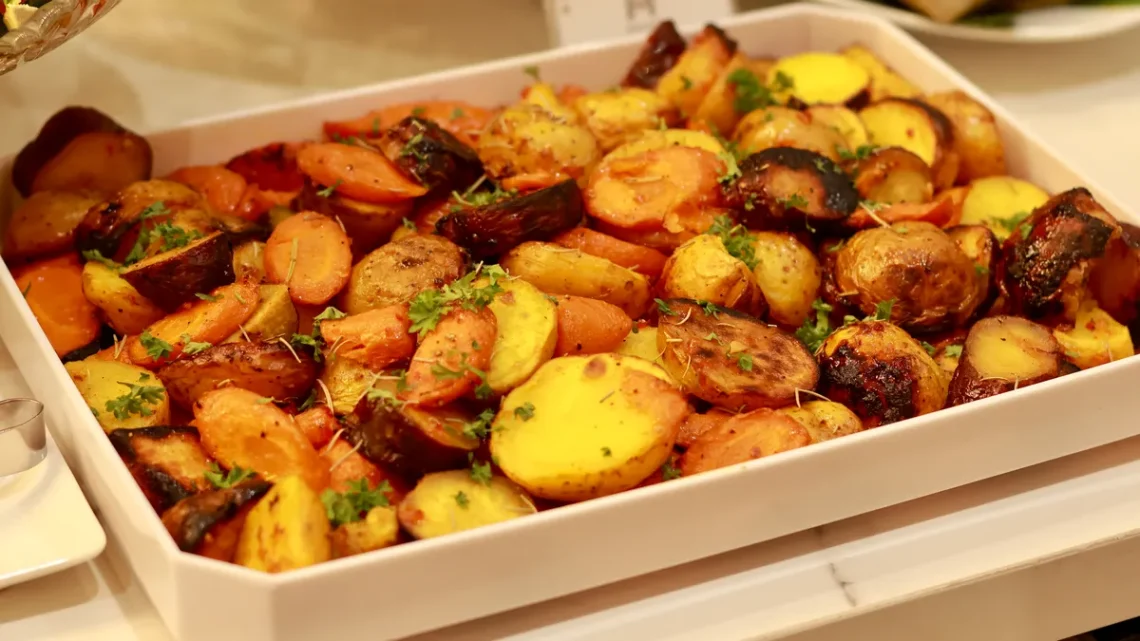
- Finish with a fresh flavor, not more salt. Add lemon juice, chopped parsley, or a little extra garlic oil after roasting. The vegetables should taste rounded, with browned spots and a tender bite.
If you want a softer result for senior meals, roast a little longer at the same temperature, but keep the pieces larger rather than tiny. Small pieces dry out quickly and can become leathery at the edges before the center softens.
Which vegetables roast best for seniors?
Carrots, sweet potatoes, zucchini, and broccoli are dependable choices because they roast well and can be kept tender with the right cut. They also accept garlic and herb seasoning without needing salt to taste complete.
Carrots are reliable because they sweeten as they cook. Cut them into coins or batons around 1/2 inch thick so they soften without turning limp. Sweet potatoes work well in 3/4-inch cubes or thick wedges. They become creamy inside and pair well with rosemary, paprika, and garlic.
Zucchini needs the most care. It has a high water content, so thin slices turn watery and collapse. Use thick half-moons or large chunks, and roast them on a hot pan so the surface dries before the inside turns to mush. Zucchini is better as a side when mixed with sturdier vegetables, not piled on its own.
Broccoli gives the strongest roasted flavor because the florets brown at the tips. Keep the florets medium-sized and dry them well after washing. If the pieces are wet, they steam before they color. The stems can be peeled and sliced too; they roast into a tender, mild bite instead of going to waste.
Other good choices include cauliflower, bell peppers, parsnips, and green beans, but the four listed above are the easiest starting point for senior meals. They give a mix of sweet, earthy, and savory flavors without requiring a salt-heavy sauce.
How to keep roasted vegetables soft enough for chewing difficulty
Roasted vegetables can be soft enough for chewing difficulty if you cut them larger, roast them a little longer, and stop before they dry out. This is a texture problem more than a flavor problem, so the goal is tender insides and browned surfaces, not crunch.
Start with vegetables that naturally soften well. Sweet potatoes and carrots are better than very crisp vegetables when the meal needs a softer bite. Zucchini can work too, but only when cut thick. Broccoli is useful if the florets are small enough to cook through without turning stringy.
Use a 400°F oven and check early. If the vegetables are soft enough to pierce with a fork but still hold their shape, they are ready. For a softer senior-meal texture, you can add 5 to 10 minutes of roasting time, then let the tray rest for 2 to 3 minutes before serving. That short rest allows the steam inside the vegetables to finish softening them.
Oil matters here. A thin coating keeps the surfaces from drying out before the centers are done. If the vegetables look dry halfway through roasting, a small extra drizzle of olive oil can help. Do not add water to the pan; it interrupts browning and makes the vegetables taste boiled.
The trade-off is clear: the softer you want the vegetables, the less crisp the edges will be. That is fine for a senior meal, but it is not the right method if you want a firm, crunchy tray of vegetables. This page is for tender roasted vegetables, not for crisp snack-style roasting.
Common mistakes that make salt-free roasted vegetables bland or tough
The biggest mistake is cutting every vegetable the same way. A 1/2-inch carrot coin and a thin zucchini slice do not finish at the same time. The carrot may still be hard when the zucchini has collapsed. Cut by cooking time, not by habit.
The second mistake is crowding the pan. When vegetables sit in a pile, moisture has nowhere to go, so the tray steams. You lose browning, and browning is where most of the flavor comes from when you are not using salt. If you need more vegetables, use two pans instead of one overloaded tray.
Another common problem is too little oil. Dry vegetables can still roast, but they usually taste flat and feel rough on the palate. You do not need a heavy coating, just enough for a light sheen. Olive oil is the most straightforward choice because it handles oven heat well and adds its own mild flavor.
Garlic can also go wrong. Finely minced garlic burns quickly at 425°F, especially on a hot pan. If you want a stronger garlic taste, mix it into the oil with the vegetables instead of sprinkling it over the top. Garlic powder is less risky, but it tastes less fresh.
Finally, do not expect salt-free vegetables to taste finished before they cool slightly. Hot roasted vegetables can seem muted right out of the oven. A squeeze of lemon, a pinch of herbs, or a few minutes of resting often brings the flavor forward. That finish step matters as much as the roast itself.
What to serve with salt-free roasted vegetables for a senior meal
Salt-free roasted vegetables work best next to a simple protein and a soft starch, not as a stand-alone pile on the plate. A balanced senior meal usually needs something tender, something filling, and something with enough moisture to make the whole plate easy to eat.
Good pairings include baked fish, roasted chicken, scrambled eggs, soft beans, rice, or mashed potatoes. If the vegetables are the main side, keep the rest of the plate plain enough that the seasoning in the tray does not fight with heavy sauces. Garlic roasted carrots and sweet potatoes pair well with mild chicken; broccoli and zucchini fit well beside fish or eggs.
A sauce is optional, but it can help if the diner prefers softer food. Plain yogurt with herbs, a little olive oil with lemon, or a mild no-salt vinaigrette can add moisture without turning the meal into something wet or soggy. Keep the sauce light so the roasted texture stays visible.
The cleanest approach is to roast one tray with two or three vegetables, then serve it warm, not scorching hot. At serving temperature, the flavors are easier to taste and the textures are easier to manage. That makes the tray useful for regular weeknight senior meals instead of just occasional side dishes.
Why this method is worth using for senior meals
Roasting without salt is worth doing because it keeps the vegetables flavorful while avoiding the sodium many senior meals try to limit. A hot oven creates browning, and browning gives roasted vegetables their depth even when the seasoning stays simple. It is a practical cooking method, not a special-occasion one, because the same tray can cover weeknight meals and batch cooking.
If swallowing concerns are part of the meal planning, this method is not the final answer. It improves tenderness, but it does not turn vegetables into puree or address dysphagia needs. For that, a different recipe format is the better fit.
Key Takeaways
- A hot oven, around 400°F to 425°F, does most of the flavor work when salt is off the table.
- Carrots, sweet potatoes, zucchini, and broccoli roast well, but each needs a different cut size.
- Olive oil, garlic, herbs, and a little lemon can replace the flatness people expect from salted vegetables.
- For senior meals, aim for tender centers and browned edges, not crunchy vegetables.
- If chewing is a concern, roast larger pieces a little longer and avoid crowding the pan.
Comparison table
| Vegetable | Best cut size | Typical roast time | Texture for senior meals | Seasoning that works well |
|---|---|---|---|---|
| Carrots | 1/2-inch coins or sticks | 25 to 35 minutes | Soft, sweet, tender | Garlic, rosemary, paprika |
| Sweet potatoes | 3/4-inch cubes or thick wedges | 25 to 35 minutes | Creamy inside, browned edges | Rosemary, garlic, paprika |
| Zucchini | Thick half-moons or large chunks | 15 to 20 minutes | Soft, mild, less crisp | Garlic, thyme, lemon zest |
| Broccoli | Medium florets | 15 to 20 minutes | Tender stems, browned tips | Garlic, black pepper, lemon |
How do you roast vegetables without salt and still make them flavorful?
Use high heat, enough olive oil, and seasonings that bring contrast, such as garlic, herbs, black pepper, and lemon. Browning is what gives roasted vegetables depth when salt is absent. A single hot sheet pan and a light oil coating usually do more for flavor than extra spices piled on top.
Which vegetables roast best for seniors?
Carrots, sweet potatoes, zucchini, and broccoli are among the easiest choices for senior meals. They can be cut to size, roasted until tender, and seasoned simply without salt. Carrots and sweet potatoes are especially forgiving because they soften well and keep a pleasant texture even after a longer roast.
Can roasted vegetables be soft enough for chewing difficulty?
Yes, if they are cut larger, roasted at 400°F to 425°F, and cooked until a fork slides in easily. Sweet potatoes and carrots are especially useful for softer textures. The trade-off is less crispness, so the vegetables will be tender and browned rather than crunchy.
What temperature should I use for salt-free roasting?
A hot oven around 400°F to 425°F usually works best. That range gives vegetables enough heat to brown before they turn watery. A lower temperature can leave them pale and soft instead of deeply roasted.
Do I need parchment paper?
No. Parchment paper makes cleanup easier, but a bare sheet pan can brown vegetables a little more deeply. Either works for How to Roast Vegetables Without Salt for Senior Meals.
Drafted with AI; not yet reviewed by a person.