Last updated: November 05, 2026
Quick Answer: Soft Fish Recipes for Seniors That Are Not Fried usually work best in 4 simple versions: baked lemon cod, foil salmon, poached tilapia, and white fish with a light sauce. For anyone with chewing or swallowing concerns, ask a qualified professional before changing textures.
Key Takeaways
- Soft fish dishes are cooked until they flake with a fork and stay moist, not crisped, breaded, or dried out.
- Cod, tilapia, and salmon are often the easiest tender fish choices because they cook quickly and stay forgiving when moist.
- Fish stays soft when it is cooked gently, kept covered or moistened, and removed from heat as soon as it flakes.
- Common not-fried soft fish recipes include baked lemon cod, foil salmon, poached tilapia, and fish baked with a light cream or broth sauce.
Soft fish recipes for seniors that are not fried are usually the easiest answer when chewing is tiring, teeth are sensitive, or a person wants protein without a hard crust. For anyone with swallowing trouble, jaw pain, or a medical soft-food plan, speak with a qualified professional about the right texture before trying new foods. The goal of Soft Fish Recipes for Seniors That Are Not Fried is simple: keep the fish moist, mild, and easy to manage.
What counts as soft fish, and who should skip it
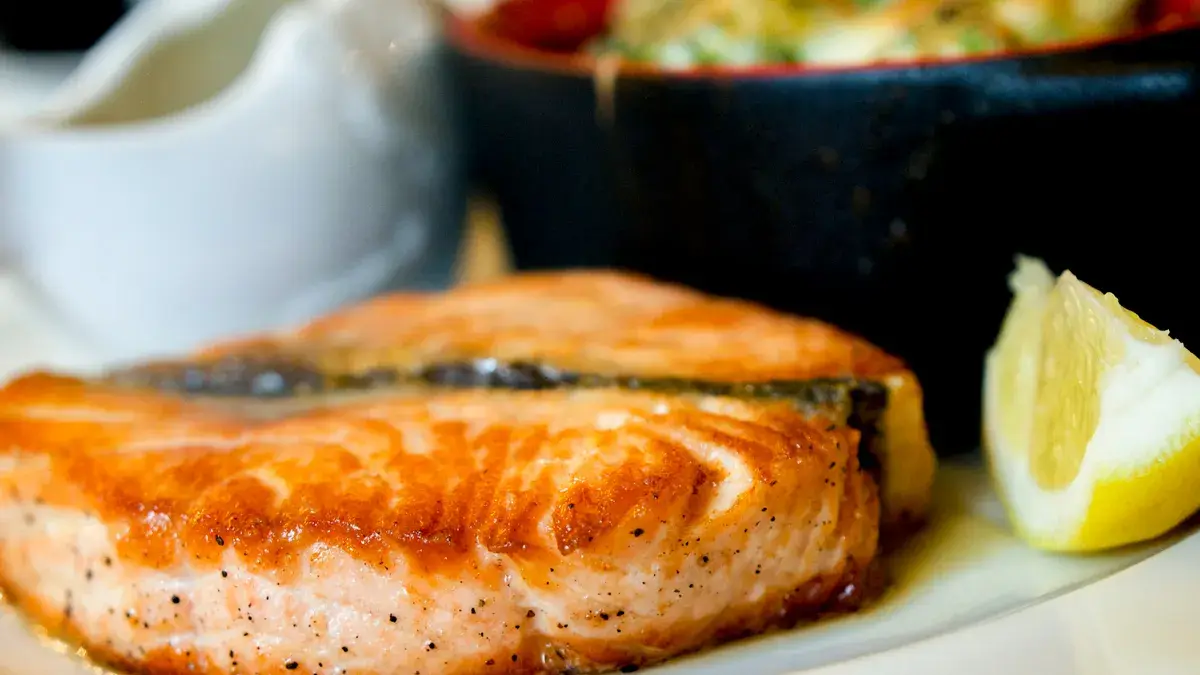
Soft fish dishes are fish cooked until they flake cleanly with a fork and stay moist, not fish that has been crisped, breaded, or dried out. That matters because texture is the whole job here: a 2-inch-thick salmon fillet cooked carefully can be easier to manage than a thin fried cutlet that turns tough at the edges.
This guide assumes the reader can use an oven, stovetop, or microwave-safe dish, and can handle simple prep like checking for pin bones. It also assumes the reader is looking for mild seasoning rather than spicy marinades. If there is trouble swallowing, frequent coughing at meals, unexplained weight loss, or a prescribed texture-modified diet, this is the point to stop and ask a speech-language pathologist, dietitian, or physician for advice. A soft texture is not the same thing as a safe swallow.
PubMed lists 258 human records published from 2016 to 2026 that match senior, soft, and humans terms in this broader subject; the 100 most relevant were read and the figures below were computed from those records on 2026-10-22. The search was widened because the exact topic had too little published on it, so these figures describe the wider subject rather than this exact question. In that sample, 12 of 100 were Reviews, 3 of 100 were Randomized Controlled Trials, 2 of 100 were Systematic Reviews, and 1 of 100 was an Observational Study, all as tagged by the National Library of Medicine in PubMed.
That mix suggests a practical point: the literature leans toward summary pieces rather than large trials, so the safest approach is to rely on basic cooking technique, not on flashy claims. The hub page on senior soft-diet protein meals can sit above this one; this article is the fish-specific branch.
Which fish are easiest to make tender?
Cod, tilapia, and salmon are often the easiest fish to make tender because they cook quickly and stay forgiving when kept moist. White fish is a useful category here: it usually means mild-flavored fish such as cod, haddock, pollock, or tilapia, with a texture that works well for baking or poaching.
Cod gives clean flakes and a gentle flavor. Tilapia is very mild and cooks fast, but it can turn dry if left in the oven too long. Salmon is richer and stays softer because of its higher fat content, which helps it hold moisture during baking. For a senior who wants the least fishy taste, cod or tilapia often fit better. For someone who needs more moisture and does not mind a stronger flavor, salmon is often the better pick.
The main trade-off is firmness. Very delicate fish can break apart if handled roughly, which is fine in a bowl or on a plate but awkward if the goal is neat portions. Thick fillets usually hold together better than thin ones, but thin pieces cook more evenly. A 1-inch fillet is easier to overcook than a 1 1/2-inch piece, so the thinner the fillet, the more attention it needs.
Bone removal matters as much as the species. Even “boneless” fillets may carry pin bones, the small flexible bones that run along the center line. A quick finger check or a pair of clean fish tweezers can prevent a meal from becoming frustrating. If the reader wants the softest possible result, ask for skinless fillets with the bones already removed. That simple step saves time and lowers the chance of a rough bite.
For related basics, see how to choose fish for a soft diet and safe senior protein ideas.
How do you cook fish so it stays soft?
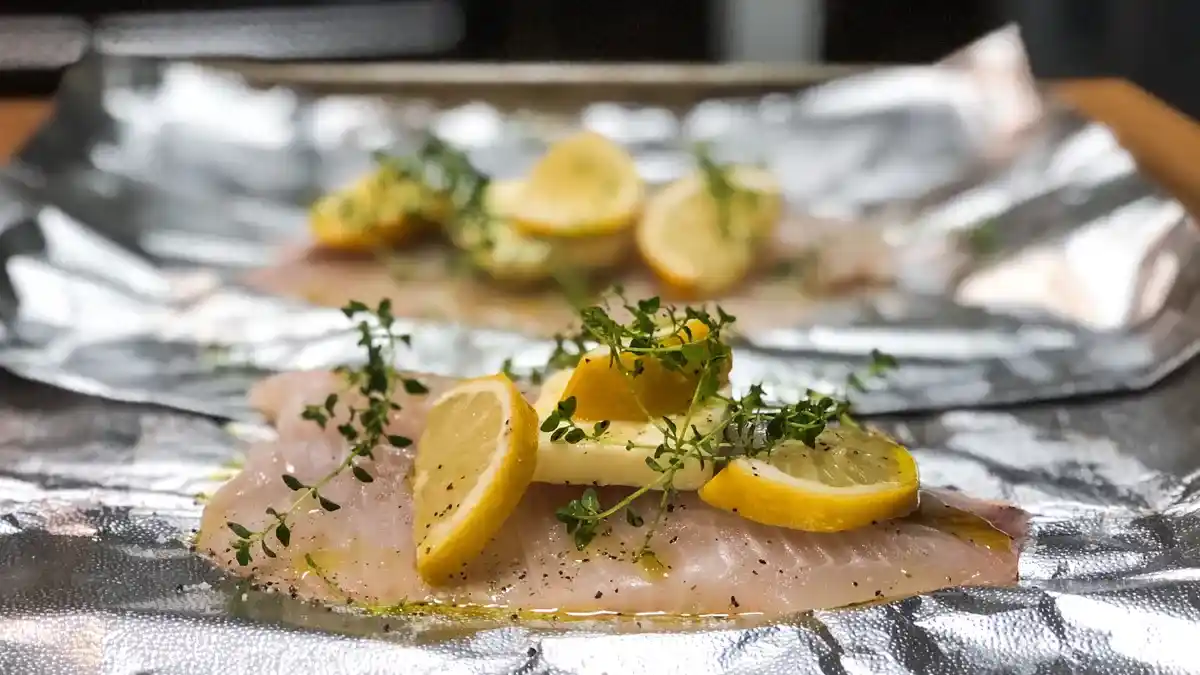
Fish stays soft when it is cooked gently, kept covered or moistened, and pulled from heat as soon as it flakes. The most reliable methods are baking at moderate heat and poaching in a shallow liquid. Moderate heat is usually easier on the texture than very high heat, which can dry the surface quickly.
- Choose fillets about 3/4 to 1 1/2 inches thick. Thicker pieces hold moisture better; verify that the flesh looks even and not ragged; a problem is a tail end so thin that it will overcook before the thick part is done.
- Check for bones before cooking. Run clean fingers along the center seam and remove any pin bones with tweezers; verify the surface feels smooth; a problem is any sharp point that could remain hidden after cooking.
- Use a gentle seasoning base. Brush with 1 to 2 teaspoons of olive oil or a small pat of butter per fillet, then add lemon juice, lemon slices, or chopped dill; verify the fish is lightly coated, not swimming in fat; a problem is heavy acid or salt sitting on the fish too long and tightening the surface.
- Bake at 350°F to 375°F. Set the fish in a single layer in a baking dish or on a lined sheet pan; verify the oven is fully preheated; a problem is starting in a cold oven, which makes timing unpredictable.
- Cover loosely for extra moisture. Use foil or a lid for part of the bake, especially for cod or tilapia; verify steam can circulate without sealing the fish tightly; a problem is a tight wrap that traps condensation and washes away seasoning.
- Poach in barely simmering liquid. Keep broth, water, or milk at a gentle shimmer, not a rolling boil; verify small bubbles only at the edge of the pan; a problem is boiling, which tightens the flesh and tears delicate fillets.
- Check for doneness early. Start looking after 10 minutes for thin fillets and 15 minutes for thicker ones, then lift a fork into the thickest point; verify the fish flakes into large pieces with slight resistance; a problem is waiting for it to look opaque all the way through, which often means it is already dry.
- Let it rest 2 to 3 minutes. Leave the fish in the pan briefly before serving; verify the juices settle and the flakes hold together; a problem is cutting immediately and losing moisture onto the plate.
The texture test matters more than a timer. Fish is done when the flakes separate without crumbling into dry threads. A little translucence in the center can disappear during carryover cooking, especially in a covered dish. If a fork has to fight the fish, it has gone too far.
See also safe food temperatures for fish and easy soft side dishes for seniors.
What are the best not-fried soft fish recipes?
For Soft Fish Recipes for Seniors That Are Not Fried, four reliable choices are baked lemon cod, foil salmon, poached tilapia, and fish baked with a light cream or broth sauce. Each one keeps the flesh moist and gives the cook one clear route to a fork-tender result without breading or frying.
1) Baked lemon cod
Lay cod fillets in a baking dish, brush with olive oil, add lemon slices, and bake at 375°F until the fish flakes. This works well because cod is mild and lean, so the lemon brightens it without overpowering the flesh. The drawback is dryness if it stays in too long, so keep the fillets covered for part of the bake if they are thin.
2) Foil-baked salmon
Place salmon on a piece of foil or parchment, add a little butter, dill, and lemon, then fold into a loose packet and bake at 350°F. The packet traps steam and helps the fish stay soft. This is often an easy recipe for a senior who dislikes fishy odor, but it is less suitable if the person wants a very low-fat meal, because salmon already carries more fat than white fish.
3) Poached tilapia with herbs
Slide tilapia into a shallow pan of water, broth, or milk with parsley or dill and keep the liquid just below a simmer. Poaching gives a very tender texture and avoids the crust that can bother sensitive teeth. The downside is that tilapia can become fragile and break apart, so it is better for a bowl meal than for a tidy plated fillet.
4) Baked white fish with a light sauce
Bake cod, haddock, or another white fish under a thin sauce made from milk, yogurt, or a mild broth reduction with lemon. The sauce protects the surface from drying out and makes swallowing easier for many people who prefer a moist bite. The trade-off is that too much sauce can make the plate watery, so use just enough to coat the fish, not drown it.
5) Salmon with mashed sides
Serve baked salmon with mashed potatoes or mashed cauliflower so the meal stays soft from the first bite to the last. This is not a fish recipe in the narrow sense, but it solves a real problem: dry fish gets harder to eat when paired with crisp vegetables or crusty bread. A soft side keeps the whole meal workable.
A good soft fish recipe should smell mild, flake in large pieces, and still look juicy on the plate. If the fish is chalky, the recipe has failed its basic job, no matter how elegant the seasoning may be.
Which seasoning works best when the goal is mild flavor?
Lemon is one of the best seasonings for soft fish because it lifts flavor without adding grit, heat, or a hard crust. Mild seasoning works best when it supports the fish instead of covering it up.
The simple formula is acid plus fat plus herbs. Lemon juice or slices provide brightness; olive oil or butter adds moisture; dill, parsley, chives, or a little garlic powder add flavor without much chewing work. For cod and tilapia, that combination is usually enough. For salmon, a little black pepper and dill can help balance the richer flesh.
The key limit is time. Acid can change texture if it sits on fish too long before cooking, especially on thinner fillets. A short rest while the oven preheats is fine; a long marinade is less useful for this kind of dish. Salt also deserves restraint. A light pinch brings out flavor, but a heavy hand can make the surface taste harsh and encourage dryness if the fish sits uncovered.
This is where many generic recipes go wrong: they talk about “simple seasoning” and then pile on chili flakes, coarse rubs, or a thick breadcrumb top. Those may taste fine, but they do not match the goal here. Soft fish for seniors should be easy to chew and easy to swallow, not merely “healthy-looking.”
For a simple pairing idea, see easy lemon sides for fish and soft herbs for mild cooking.
When should I stop and choose another meal?
Choose another meal when the fish cannot be made safely soft, when chewing is too painful, or when the texture still feels risky after cooking. In those cases, the problem is not the recipe; it is the fit between the food and the person.
Frequent coughing or throat clearing during meals: This can point to swallowing difficulty, not just a picky texture preference — pause the fish and ask a qualified professional about safer textures.
History of choking on flaky foods: Even soft fish can break into loose pieces that are hard to control — choose a smoother protein option until the issue is assessed.
Very dry or overcooked fillets: Dry fish becomes stringy and harder to manage — discard the overcooked portion or repurpose it into a moist mash only if the texture is still appropriate.
Large numbers of pin bones or uncertain boning: Bones change the meal from soft to hazardous — use a different fillet or ask for fully boneless fish from the fish counter.
Strong nausea or aversion to fish odor: Even mild fish may be rejected if the smell is too much — switch to another soft protein for that meal rather than forcing it.
Strict medical soft-food instructions: A general soft recipe may not match a prescribed texture level — follow the exact plan given by the clinician instead of improvising.
The rule is simple: if the fish cannot be made soft, moist, and bone-free, it is the wrong tool for that meal. That is not failure; it is good sorting.
What mistakes make soft fish turn tough?
The biggest mistakes are overcooking, using high heat, skipping bone checks, and choosing dry finishing methods. Each one costs texture first and flavor second.
- Cooking until it looks completely opaque throughout. The consequence is dry, stringy fish. The fix is to pull it when it flakes and still looks moist in the center.
- Using a hot pan for “a quick sear.” The consequence is a hard exterior that defeats the point of a soft meal. The fix is baking or poaching instead of frying or searing.
- Leaving thin fillets uncovered in the oven. The consequence is moisture loss in 10 to 15 minutes. The fix is foil, parchment, or a light sauce.
- Relying on breadcrumbs for texture. The consequence is a crust that is harder to chew and can feel scratchy. The fix is a soft topping, such as a spoon of sauce or a few lemon slices.
- Ignoring bones because the package says “boneless.” The consequence is an unpleasant bite and possible injury. The fix is a quick finger check before cooking.
- Serving the fish alone on a dry plate. The consequence is a meal that dries out as it cools. The fix is to pair it with mashed potatoes, rice, or another soft side.
A good soft fish plate should pass a simple test: the fork should enter easily, the flakes should separate with little pressure, and the bite should stay moist from first forkful to last. If any one of those fails, the method needs adjusting.
How should the recipe change for thicker fish or very small appetites?
Thicker fish needs a slightly longer, gentler bake, while very small appetites do better with smaller portions and a stronger moisture cue. A 6-ounce fillet can be enough for one meal, but a 3-ounce portion may be easier if appetite is low. For thicker fillets, cover the dish partway through baking so the outside does not dry before the center is done.
For small appetites, softer sides matter as much as the fish itself. A spoon of mashed potato, a little rice, or a soft vegetable puree can make the plate feel complete without adding chew. The goal is a meal that feels manageable, not large. If needed, break the fish into smaller flakes before serving so each bite stays easy to handle.
Salmon often works well for small appetites because it brings more flavor in a smaller portion. Cod and tilapia can also work, especially when paired with a light sauce. The right choice depends on how much chewing energy the person has that day, not just on the recipe.
For more meal-planning help, see soft dinner ideas for seniors and protein foods for soft diets.
Drafted with AI; not yet reviewed by a person.