Last updated: November 19, 2026
In short: a heart-healthy senior breakfast plan is usually built in the store, not at the table. In this Heart-Healthy Senior Breakfast Shopping, Storage, and Convenience — The Complete Guide, buy foods with short ingredient lists, keep sodium low, choose fiber-rich staples, and store them so breakfast is easy to reach in 1 to 5 minutes, not a chore. If a breakfast needs a lot of cooking, heavy lifting, or a long cleanup, it is often the wrong fit for many older adults.
A good breakfast for heart health also has to work on tired mornings, with arthritis, limited appetite, or a small kitchen. That means choosing foods that are easy to open, easy to portion, and easy to keep safe in the fridge or pantry. For medical questions about sodium, cholesterol, diabetes, or kidney disease, a clinician or registered dietitian should guide the final plan. For a broader look at meal planning, see the senior nutrition guide and low-sodium grocery list.
Key takeaways
- A practical shopping list often starts with plain staples: oats, yogurt, fruit, eggs, unsalted nuts, and whole-grain bread.
- Sodium matters early in the day, and the FDA says the Daily Value for sodium is 2,300 mg.
- Convenience is not the same as ultra-processed food; many fast breakfasts can still be simple and heart-aware.
- Storage matters as much as shopping because spoilage, hard-to-open packages, and clutter can stop a healthy habit fast.
- The easiest wins are foods that need little cooking, little chewing, and little cleanup.
What should I buy first?
Start with foods that need little prep and fit a lower-sodium, higher-fiber breakfast pattern. A good default cart often includes plain oats, unsweetened yogurt, fruit, eggs, whole-grain bread, nut butter, and unsalted nuts or seeds. The American Heart Association and USDA MyPlate both point toward meals built around fruits, vegetables, whole grains, and lean proteins rather than sugary packaged breakfast foods, and that pattern works well at breakfast too.
Source examples: USDA MyPlate and American Heart Association heart-healthy eating.
The first place to look is the label, not the front of the box. “Heart healthy,” “made with whole grain,” or “low fat” on the package front can still hide a lot of sodium or added sugar on the Nutrition Facts panel. A better rule is to compare products by serving size, sodium, added sugars, fiber, and saturated fat. If the serving size is tiny, the front-of-pack promise may not mean much at breakfast. For package-reading tips, see the nutrition label guide.
A simple cart for one week can stay lean. Think of 3 or 4 breakfasts built from the same core foods so nothing spoils before it is used. For example, oats can become porridge on one day, overnight oats on another, and a topping for yogurt later in the week. A whole grain bread loaf can carry eggs one morning and nut butter the next.
There is one group this approach is not for: seniors who need a strict therapeutic diet for kidney disease, heart failure, swallowing problems, or diabetes should not rely on a general shopping list alone. The right breakfast may need a sodium cap, fluid limit, texture change, or carbohydrate target that a clinician sets.
Which labels matter most?
The label that matters most is the Nutrition Facts panel, then the ingredient list, then the package claims. The front of the box can be useful, but it is the least reliable place to judge a breakfast food. A product can look tidy on the shelf and still bring a lot of sodium, sugar, or refined starch to the plate.
For heart health, four numbers deserve the most attention. Sodium should stay as low as practical; the FDA uses 2,300 mg as the Daily Value, which gives a useful ceiling for a full day. Saturated fat should stay modest, because many breakfast meats, pastries, and creamy spreads push it up fast. Fiber should be higher, especially when the food is a grain, cereal, or bread. Added sugars should be lower, since sweetened yogurt, cereal, pastries, and instant oatmeal packets can turn breakfast into dessert.
The ingredient list gives another clue. If sugar, syrup, refined flour, or salt appears near the top, the food is doing less for heart health than the package art suggests. Plain oats, plain yogurt, eggs, fruit, and unsalted nuts are easier to trust because they are less processed and easier to recognize. That does not make every packaged food bad; it just means a shorter list usually gives the shopper more control.
A practical label habit is to compare two similar products side by side before leaving the aisle. Plain oatmeal and flavored instant packets are a good example. One may be easier to cook, but the other often brings more sugar and less control over flavor. The same comparison works for yogurt, bread, cereal, and nut butter. For more aisle-by-aisle help, see the heart-healthy pantry basics.
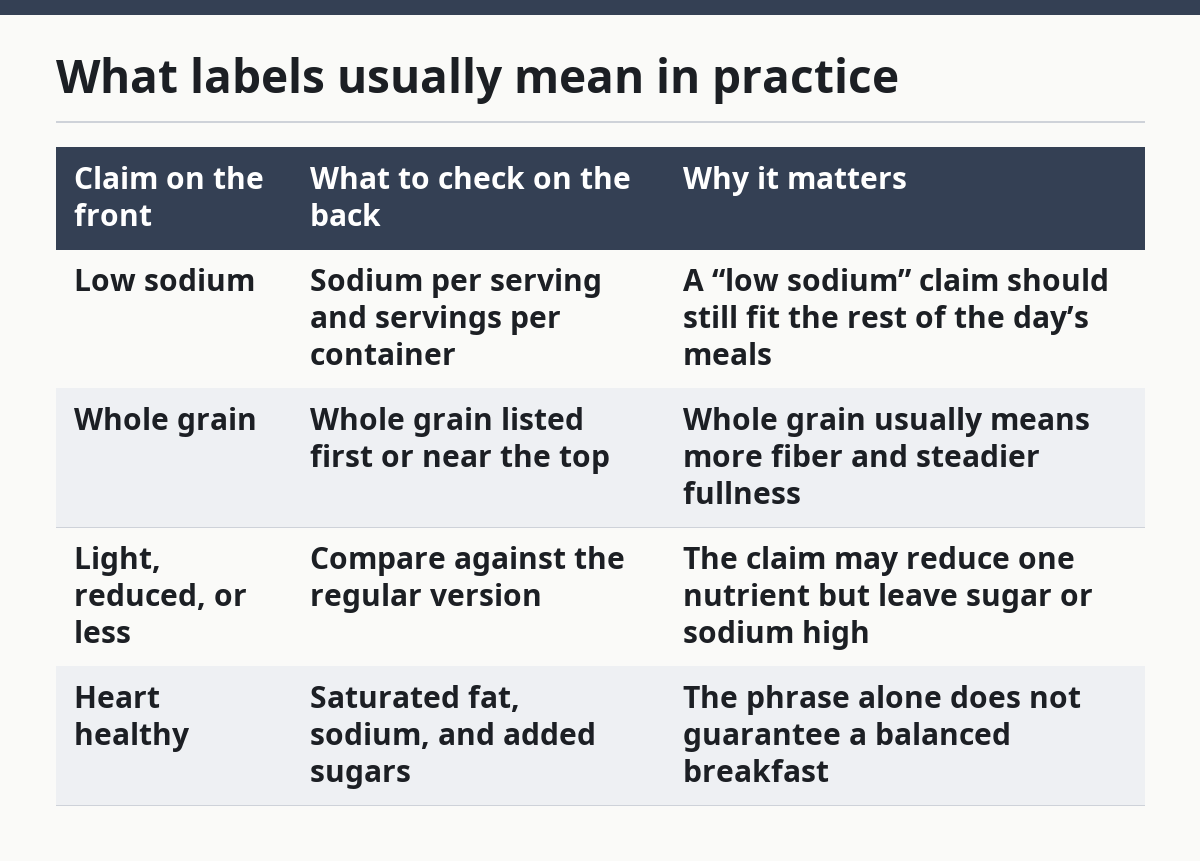
What labels usually mean in practice
| Claim on the front | What to check on the back | Why it matters |
|---|---|---|
| Low sodium | Sodium per serving and servings per container | A “low sodium” claim should still fit the rest of the day’s meals |
| Whole grain | Whole grain listed first or near the top | Whole grain usually means more fiber and steadier fullness |
| Light, reduced, or less | Compare against the regular version | The claim may reduce one nutrient but leave sugar or sodium high |
| Heart healthy | Saturated fat, sodium, and added sugars | The phrase alone does not guarantee a balanced breakfast |
One more shopping rule helps older adults who are short on time: if the label needs a magnifying glass every time, it is probably not the best repeat buy. Clear labels, familiar brands, and simple ingredients reduce mistakes at the shelf and at home.
How do I store breakfast foods safely?
Store breakfast foods by temperature, opening date, and how often they are used. The goal is to prevent spoilage, reduce food waste, and keep the easiest foods in the most reachable spot. For most senior households, that means a front-of-fridge shelf for yogurt and eggs, a clear pantry bin for oats and cereal, and a small counter space for fruit that ripens at room temperature.
Cold foods belong in the refrigerator quickly, not after a long trip through the kitchen. Eggs, yogurt, milk, and opened nut butter all need a habit of going back to the cold shelf right away if the label says they should be refrigerated. Fresh berries and cut fruit should also be stored in clean containers so they are visible and likely to be eaten before they spoil. For food safety basics, see the refrigerator storage tips.
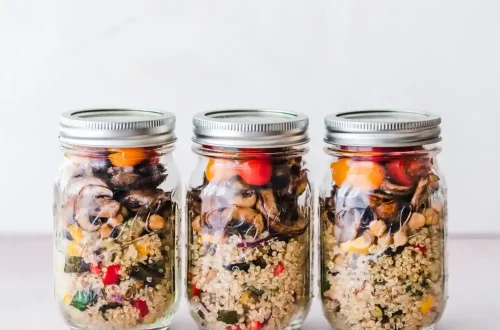
Dry foods are simpler, but they still need care. Oats, whole-grain cereal, nuts, and seeds should be kept in sealed containers away from heat and moisture. That helps them keep their texture and taste. If a package is hard to open, a transfer into a labeled container can make the food easier to use the next morning.
Portioning matters, too. Smaller containers can help someone with a small appetite or weak hands avoid a large, heavy bag. Single-serving containers can be useful, but they cost more per ounce and may create more packaging waste. Bulk containers are often cheaper and less wasteful, but only if the food gets used before it stales or goes bad.
The storage rule that many generic guides miss is simple: put the easiest breakfast items at eye level. If healthy food is buried behind leftovers or placed on a high shelf, it will be skipped. Convenience is partly about nutrition, but it is also about reach.
What is the easiest heart-healthy breakfast setup?
The easiest heart-healthy breakfast setup is a short list of foods that can assemble in minutes with almost no cooking. The best setup for many seniors uses one grain, one protein, one fruit, and one simple drink, such as oats, yogurt or eggs, berries or banana, and water or unsweetened tea. That formula keeps shopping, storage, and cleanup simple.
This is where convenience food earns its place. Plain instant oats, microwavable oatmeal with no added sugar, pre-washed fruit, unsalted nuts, and hard-boiled eggs can all fit a heart-aware pattern if the label supports it. The problem is not convenience itself; the problem is when convenience hides a lot of salt, sugar, or saturated fat. A frozen breakfast sandwich, for example, may save time but still bring more sodium than a simple bowl of oats and fruit.
The right choice also depends on chewing and appetite. A senior with dental pain or a weak bite may do better with soft foods such as yogurt, oatmeal, or scrambled eggs. Someone with a bigger appetite may need a fuller plate with whole-grain toast and nut butter. The point is not one perfect meal. The point is a repeatable structure that is easy to finish.
A basic comparison helps show the trade-offs.
| Breakfast choice | Convenience | Heart-health fit | Main drawback |
|---|---|---|---|
| Plain oats with fruit | Very easy | Strong | Needs a few minutes of cooking or soaking |
| Unsweetened yogurt with fruit and nuts | Very easy | Strong | Some brands still have added sugar |
| Egg on whole-grain toast | Easy | Strong | Requires cooking and a pan |
| Breakfast sandwich from the freezer case | Very easy | Mixed | Often higher in sodium and saturated fat |
| Pastry or sweet roll | Very easy | Weak | Usually low fiber and high in refined carbs |
This setup is not ideal for someone who wants a hot breakfast with meat every day, or for a person who needs very low sodium. Those readers may need a more tailored plan, because the most convenient breakfast is not always the healthiest one.
Which convenience foods are worth it?
The convenience foods worth buying are the ones that save effort without hiding a poor nutrition profile. Plain oatmeal cups, unsalted nut packs, shelf-stable fruit in juice rather than syrup, whole-grain bread, and no-sugar-added applesauce can all be useful if the label is reasonable. The trick is to use convenience as a tool, not a reason to stop reading the package.
Microwavable foods are especially useful for seniors who stand less, bend less, or avoid heavy pans. The microwave can turn oatmeal, scrambled eggs, or frozen fruit into breakfast with very little cleanup. However, microwave-friendly does not always mean low sodium. Frozen breakfast bowls, breakfast burritos, and many ready-made sandwiches are often designed for taste first, not heart health.
Shelf-stable foods can also solve a real problem. A pantry that holds plain oats, nut butter, low-sugar cereal, and canned fruit in juice gives a person backup breakfasts when fresh groceries run out. This matters for seniors who do not shop often or who depend on a ride. A backup breakfast should be good enough to eat on its own, not just a filler food to get through the morning. For more shelf-stable ideas, see the pantry breakfast list.
Some convenience foods are not worth the trade-off. Sweet pastries, high-sodium frozen meals, and heavily flavored instant cereals may be fast, but they often make the rest of the day harder. They can leave a person hungry again soon or push the day’s sodium too high before noon. If a food is only convenient because it requires no thought, it may be too costly for daily use.
How do I build a shopping list that lasts all week?
Build a shopping list that lasts by mixing fresh, refrigerated, and shelf-stable foods in small amounts. A good list uses foods that overlap across several breakfasts so the same purchase can appear in different forms over 5 to 7 days. That reduces waste and makes the kitchen feel less crowded.
A useful weekly list usually has five parts: one grain, one protein, one fruit, one backup snack, and one flavor item. Oats or whole-grain bread can be the grain. Eggs, yogurt, or unsalted nut butter can fill the protein role. Fruit can be bananas, apples, berries, or frozen fruit, depending on what ripens fastest and what the budget allows. A backup snack might be plain crackers or nuts. Cinnamon, vanilla, or no-salt seasoning can add flavor without pushing sodium up.
The biggest shopping mistake is buying too many items that only work one way. A box of cereal that nobody likes after two bowls becomes clutter. A large yogurt tub may be efficient, but not if it spoils before it is eaten. Small, repeatable purchases often beat large, ambitious ones in a senior kitchen.
A second mistake is shopping while hungry and buying by front-of-box promises. That leads to pastries, sweet cereal, flavored coffee drinks, and snack bars that look healthy but behave like dessert. A short list and a set meal pattern help keep the cart focused. If a store trip is tiring, a written list can prevent the extra lap through the aisles that triggers impulse buys.
What foods are hardest for seniors to manage?
The hardest foods for seniors to manage are the ones that are hard to open, hard to chew, hard to store, or hard to judge by the label. A shrink-wrapped container that requires strong grip strength can be more of a barrier than a sodium problem. A breakfast food can be nutritionally sound and still fail in real life because the package or texture gets in the way.
Tough textures matter. Toast that is too dry, nuts that are too hard, and coarse cereals can be difficult for people with dental issues or swallowing problems. Very sweet foods can also be hard to regulate because they do not satisfy hunger for long. If breakfast does not keep a person full through the morning, the next snack may be a salty one.
Large packages are another problem. A gallon-size container, bulk cereal box, or large bag of fruit may look economical, but it can be difficult to move, lift, or finish before it spoils. Smaller containers cost a bit more per ounce, yet they may make the food usable. That trade-off is often worth it for seniors who live alone or do not cook much.
There is also an emotional barrier that generic articles miss: when breakfast choices feel complicated, people stop trying. The answer is not more rules. The answer is fewer decisions. A short rotation of 3 to 5 breakfasts, built from the same small set of foods, is much easier to repeat than a perfect plan that needs a different recipe every morning. For a simpler system, the easy breakfast ideas for older adults may help.
What should I keep on hand for emergencies?
Keep on hand 3 to 5 shelf-stable breakfasts that still fit a heart-aware pattern. That way, a broken fridge, missed grocery trip, bad weather day, or low-energy morning does not push breakfast toward pastries or salty packaged food. The emergency foods should be foods you would still be willing to eat on an ordinary morning.
A sensible emergency shelf can include plain oats, unsalted nuts, shelf-stable milk or a milk alternative if it fits the diet, whole-grain cereal with a short ingredient list, and fruit packed in water or juice rather than syrup. These foods work because they need no long prep and can still be combined into a filling meal. Even one or two of them can keep breakfast on track for several days.
The emergency shelf should also include a way to add protein and fiber without much effort. Nut butter, low-sugar cereal, or canned fruit can do that job. If the person prefers savory food, whole-grain toast with nut butter or eggs can be a better fit than sweet cereal. The point is to keep options simple enough that breakfast still happens.
A backup plan is not only about health. It is about reducing stress. A senior who knows there is always something suitable in the pantry is less likely to skip breakfast or settle for a packaged snack. That matters on mornings when energy, memory, or mobility is low.
What does a one-week breakfast pattern look like?
A one-week breakfast pattern works best when it repeats a few ingredients instead of building a new meal every day. The goal is not variety for its own sake; it is a breakfast routine that is easy to shop for, easy to store, and easy to finish. A pattern with 3 main breakfasts is often enough for one week.
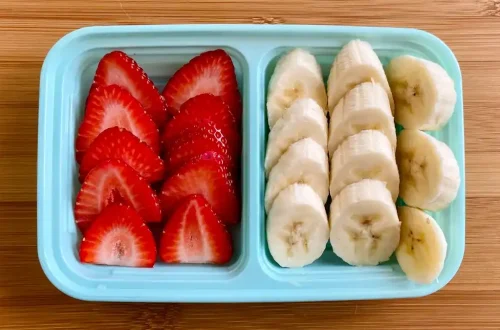
One simple pattern is oats on two days, yogurt on two days, and eggs or toast on the other days. Fruit can move through all three meals. For example, berries can top oats, bananas can go with yogurt, and an apple can sit beside toast. A small amount of unsalted nuts or seeds can add texture where chewing is not a problem.
Another pattern uses one cold breakfast and one hot breakfast. Cold breakfasts are good for busy mornings and hot weather. Hot breakfasts may be more satisfying in colder months or for someone who wakes up with a small appetite. Both can still fit the same heart-healthy shopping list if the ingredients are chosen well.
A pattern like this is not for someone who needs daily meal prep in exact portions or who has a medically prescribed diet with tight limits. It is a practical default for many older adults who want breakfast to become easier rather than more complicated. If a breakfast plan makes the fridge crowded or the mind tired, it is too complex.
How do I decide what is worth the shelf space?
Decide what is worth the shelf space by asking three questions: will it get eaten, is it easy to open, and does it help the heart-healthy pattern? A food that fails on one of those questions is not a keeper, no matter how healthy it looks on paper. Shelf space is part of the nutrition plan.
Fresh fruit often deserves the best shelf space because it is visible and versatile. Yogurt belongs near the front because it is ready to eat and usually needs no cooking. Oats and whole-grain bread deserve dry storage because they are reliable and adaptable. Processed snack cakes and sugary cereal should lose space to foods that can do more than one job.
The kitchen should be set up for the person who uses it, not for an ideal version of that person. If the senior cooks standing up, the most used foods should sit between waist and shoulder height. If lifting is hard, heavy items should stay on low shelves. If vision is limited, large-print labels or clear bins can reduce mistakes.
This is also where cost and convenience meet. A small amount of planning can reduce waste enough to offset some of the price difference between basic groceries and convenience foods. The best shelf is not the fullest shelf. It is the one that makes a heart-healthy senior breakfast the easiest choice on a tired morning.
FAQ
What is the single best breakfast for heart health?
There is no single best breakfast for every senior, but plain oats with fruit is one of the strongest default choices. It is easy to shop for, easy to store, and easy to keep low in sodium and added sugar. A clinician should guide the choice if a person has diabetes, kidney disease, or another medical diet.
Are eggs okay for a heart-healthy senior breakfast?
Yes, eggs can fit a heart-healthy breakfast when they are paired with better sides and not drowned in salt or butter. The rest of the plate matters more than the egg alone. Whole-grain toast, fruit, and a modest cooking fat are usually a better fit than bacon, sausage, or a salty cheese-heavy sandwich.
Is oatmeal better than cereal?
Often, yes, plain oatmeal is easier to keep heart-friendly than many boxed cereals. It usually has less added sugar and more room for the shopper to control flavor and portion size. Some cereals can still work, especially if they are whole-grain and low in sugar, but the label has to do the work.
What should I avoid buying for breakfast?
Avoid buying breakfast foods that are high in sodium, added sugar, or saturated fat, especially when they are also low in fiber. That usually includes pastries, many frozen breakfast sandwiches, and sweetened cereals or instant oat packets. A food that looks convenient but leaves the person hungry soon after is usually a poor buy.
How can I make breakfast easier if I live alone?
Make breakfast easier by keeping the same 3 to 5 foods on hand each week and placing them where they are easiest to reach. Use small containers, clear labels, and foods that need little cleanup. A simple routine is more likely to stick than a complicated plan that depends on energy being high every morning.
Drafted with AI; not yet reviewed by a person.