Last updated: November 19, 2026
Key Takeaways
- Aim for about 5 grams of fiber or more at breakfast while keeping added sugar, saturated fat, and sodium in check.
- Common high-fiber breakfast foods for seniors include oats, berries, applesauce, chia seeds, and whole grain cereal.
- Easy high-fiber breakfasts for seniors include yogurt bowls, softened cereal bowls, fruit-and-grain toast, and overnight mixtures that can sit in the fridge for 4 to 12 hours.
- Fruit-and-grain pairings can make breakfast feel complete instead of repetitive.
Heart-healthy high-fiber breakfast ideas for seniors should focus on foods that are easy to chew, quick to assemble, and rich in soluble fiber, not just a bowl of plain oats. This topic, Heart-Healthy High-Fiber Breakfast Ideas for Seniors, centers on whole grains, fruit, seeds, and dairy or fortified alternatives so breakfast can support heart health without feeling repetitive. According to the American Heart Association and the USDA Dietary Guidelines, fiber-rich breakfasts can fit a heart-healthy pattern when added sugar, saturated fat, and sodium stay in check. See also the senior heart-healthy breakfast planning hub and the high-fiber foods guide.
What makes a high-fiber breakfast heart-healthy for seniors?
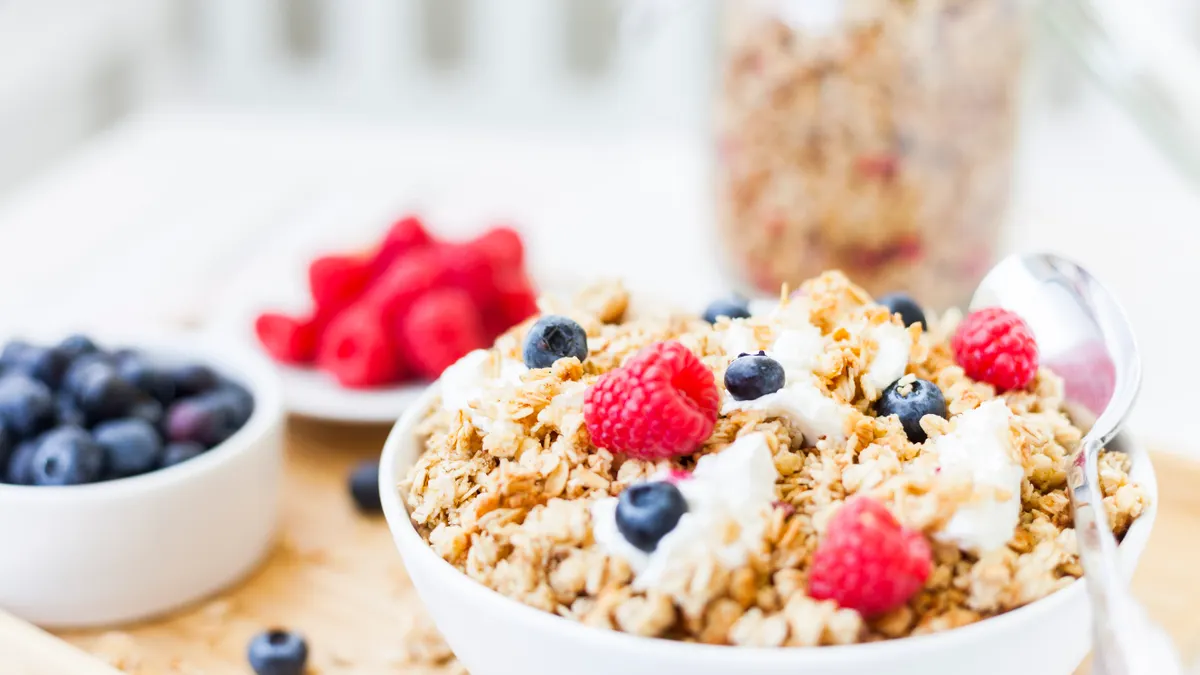
A heart-healthy high-fiber breakfast gives you about 5 grams of fiber or more in one meal, while keeping added sugar, saturated fat, and sodium in check. For older adults, that usually means choosing soft fruits, intact grains, and seeds that fit a simple routine instead of requiring a lot of cooking. The American Heart Association advises limiting added sugars and saturated fat, which makes plain oats, fruit, and unsweetened dairy or fortified alternatives practical choices. For related meal ideas, see the heart-healthy breakfast checklist and fiber for seniors.
The biggest payoff comes from soluble fiber, the type that helps slow digestion and can support healthier cholesterol levels. Oats, apples, berries, chia seeds, and psyllium are the names that come up most often for that reason. A breakfast built around those foods tends to be better for the heart than pastries, refined cereal, or toast with jam alone.
For seniors, texture matters as much as nutrition. Crunchy bran cereal can be a good choice for some people, but it is not ideal if chewing is difficult, dentures are loose, or dry foods feel hard to swallow. In those cases, softer combinations work better: oatmeal, unsweetened yogurt, ripe fruit, or a soaked seed pudding. If blood sugar management is also part of the picture, keep the fruit whole or lightly mashed instead of turning breakfast into juice.
A useful rule is to build breakfast from 3 parts:
- A fiber base, such as oats or whole grain cereal.
- A fruit, such as berries, banana, or applesauce with no added sugar.
- A boost, such as chia seeds, ground flaxseed, or nuts if chewing allows.
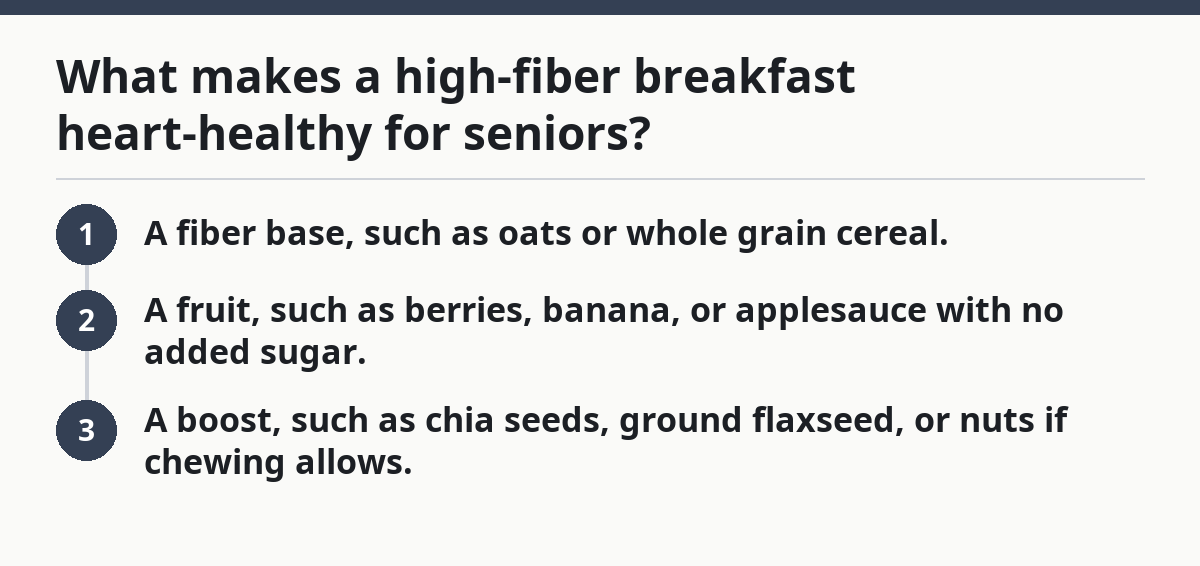
That structure makes it easier to hit a stronger fiber total without a complicated recipe. It also keeps breakfast from becoming the same oatmeal bowl every morning, which is one reason people give up on high-fiber eating.
Which high-fiber breakfast foods belong in a senior’s kitchen?
The most useful high-fiber breakfast foods for seniors are oats, berries, applesauce, chia seeds, and whole grain cereal. These foods are familiar, easy to find, and flexible enough to use in different combinations through the week. The USDA Dietary Guidelines for Americans 2020–2025 recommends choosing whole grains and nutrient-dense foods, which fits these breakfast staples well. See also the whole grain breakfast guide and heart-healthy pantry staples.
Oats deserve their reputation, but they do not need to be the only answer. Rolled oats cook into a soft bowl in about 5 to 10 minutes. Steel-cut oats take longer, usually 20 to 30 minutes, so they are better for planned mornings or batch cooking. Both give you a warm base that is easy to chew.
Berries add fiber without a lot of volume. Blueberries, raspberries, and blackberries work well because they break down easily with a spoon. Fresh berries are fine when they are in season, but frozen berries are often just as useful for breakfast because they thaw quickly in a hot cereal or yogurt bowl.
Applesauce helps when chewing is the issue. Unsweetened applesauce brings fruit fiber in a soft form, which makes it useful for seniors with sensitive teeth or dentures. It also works as a topping for oats, whole grain toast, or cottage cheese. The trade-off is that applesauce can be easy to overdo if it is sweetened, so unsweetened varieties are the better everyday pick.
Chia seeds are a small but useful add-in. A tablespoon or two can thicken yogurt, soften overnight oats, or add texture to a pudding-style breakfast. They do need liquid to work well, which means they are not ideal for someone who wants a dry, grab-and-go meal. Whole grain cereal can fill that role, as long as it has meaningful fiber and not just a healthy-sounding label.
A plain hot cereal and a sugary cereal are not equivalent just because both come in a box. If the front of the package says “whole grain,” check the nutrition facts panel for fiber and added sugar. A cereal with at least 3 grams of fiber per serving is a more useful starting point than one with 1 gram and a lot of sweetness. For product-style comparisons, the whole grain cereal guide can help.
What are easy high-fiber breakfasts for seniors?
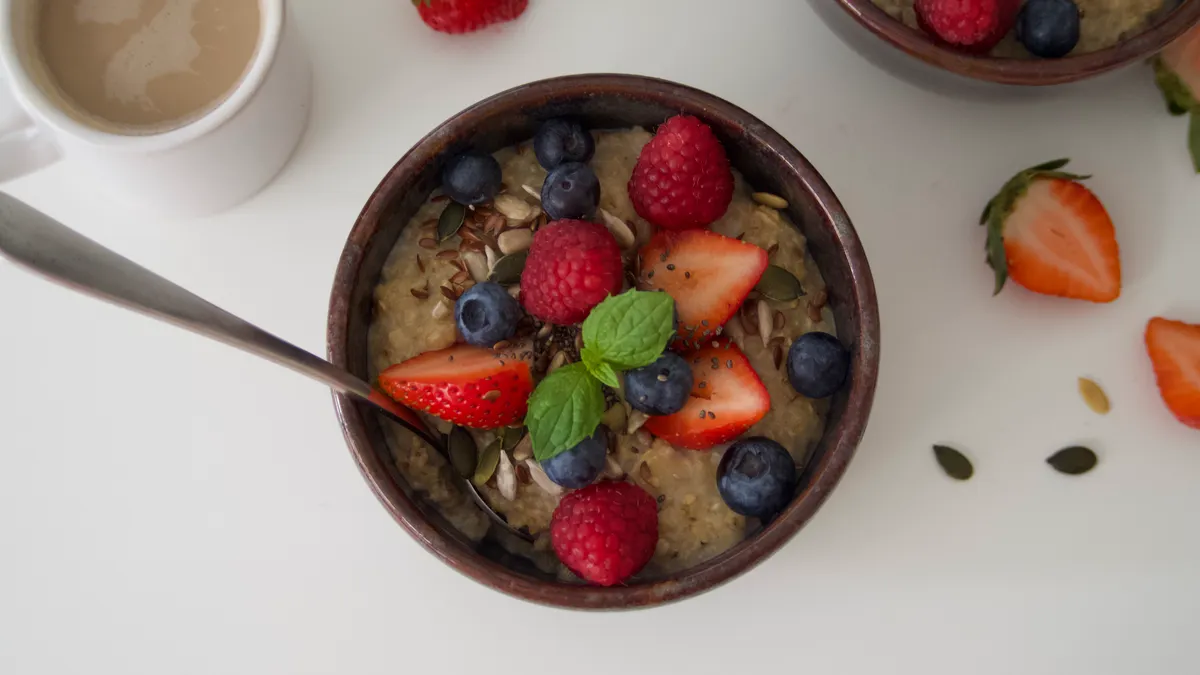
Easy high-fiber breakfasts for seniors are yogurt bowls, softened cereal bowls, fruit-and-grain toast, and overnight mixtures that can sit in the fridge for 4 to 12 hours. The easiest versions use soft textures and ingredients that do not need much knife work or stove time. For step-by-step options, see the easy senior breakfast recipes and no-cook breakfast ideas.
Here is a simple way to build one in 5 steps:
- Start with one base food, such as 1 cup of whole grain cereal, 1/2 cup cooked oats, or 3/4 cup plain yogurt with chia seeds mixed in. This gives the breakfast structure.
- Add one fruit, such as 1/2 cup berries, 1 small chopped pear, or 1/4 to 1/3 cup unsweetened applesauce. This adds flavor and fiber without a lot of chewing.
- Add a fiber booster, like 1 tablespoon chia seeds, 1 tablespoon ground flaxseed, or a spoonful of chopped nuts if chewing is comfortable. This raises the fiber in a small amount of food.
- Include a protein partner if the meal needs more staying power, such as Greek yogurt, milk, or a boiled egg on the side. This helps the breakfast feel complete.
- Taste before adding sweetener. If it still needs more flavor, use cinnamon, vanilla, or a few extra berries instead of sugar.
That pattern works because it is repeatable. It can turn into a berry yogurt bowl on Monday, applesauce oats on Tuesday, or whole grain cereal with banana and chia on Wednesday. The ingredients change, but the method stays the same.
The main mistake is making the breakfast too dry or too bulky. Dry cereal without enough milk can be hard to swallow, and a mountain of bran can upset digestion. A better approach is to start small and increase fiber gradually, especially if breakfast has been low-fiber for a long time. A sudden jump can cause gas, bloating, or discomfort, which is enough to make someone abandon the habit.
For seniors who need a breakfast that feels lighter, a softer combination works best: yogurt, berries, and chia; toast with nut butter and sliced banana; or applesauce stirred into warm oats. These are plain foods, not trendy ones, and they are still useful. For more on soft textures, see the soft foods for seniors guide.
Heart-healthy combinations that go beyond plain oatmeal
Because plain oatmeal is only one option, these heart-healthy combinations mix fruit and grain so breakfast feels complete instead of repetitive. A fruit-and-grain pairing also makes it easier to get both soluble and insoluble fiber in the same meal.
A few useful combinations:
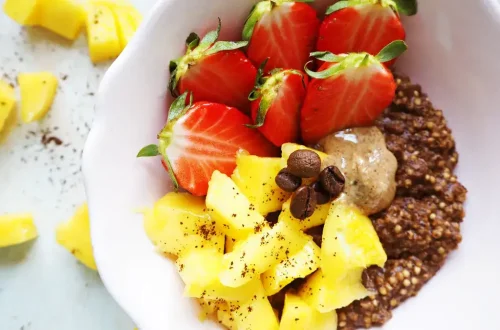
- Whole grain cereal + berries + milk or soy milk: This is the fastest option when breakfast needs to happen in under 3 minutes. Choose a cereal with at least 3 grams of fiber per serving and keep an eye on added sugar.
- Greek yogurt + chia seeds + raspberries: This gives a thick, spoonable breakfast with a softer texture. The chia needs about 5 to 10 minutes in liquid to soften, longer if you want a pudding-like texture.
- Whole wheat toast + nut butter + banana slices: This works well for seniors who want something familiar and easy to hold. One slice of toast with a thin layer of nut butter and fruit can be more satisfying than plain toast with jelly.
- Warm oats + unsweetened applesauce + cinnamon: This is not just oatmeal by another name; it is a fruit-forward bowl that uses applesauce for softness and flavor. It is useful when chewing is difficult.
- Bran-style hot cereal + berries + walnuts: This can be a stronger fiber breakfast for people who tolerate grain well. If nuts are hard to chew, swap in ground flaxseed.
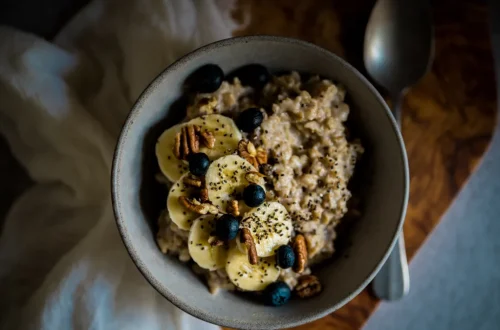
- Overnight oats + chia seeds + blueberries: This is one of the easiest make-ahead options. It can sit overnight in a lidded container and be eaten cold or warmed in the morning.
The fruit matters here. Berries are especially useful because they bring a lot of flavor in a small serving, and they fit well with dairy, grains, and seeds. Applesauce is useful when texture is the problem, but it should not be the only fruit on rotation. A mix of berries, apple, banana, and pear keeps breakfast from going flat.
One thing I would not recommend is a breakfast built mostly on fruit juice and white toast. It may feel light, but it does not deliver the same fiber pattern as whole fruit plus whole grain.
How do you make breakfast easier to chew without losing fiber?
You make breakfast easier to chew by choosing soft grains, cooked fruit, and soaked seeds instead of skipping fiber altogether. The goal is to reduce chewing work, not to give up on texture that helps the heart.
Soft foods that still bring fiber include:
- cooked oatmeal or other hot cereals
- unsweetened applesauce
- ripe mashed banana
- soft berries
- soaked chia seeds
- whole grain cereal softened with milk or yogurt
A few texture fixes help a lot. If cereal is too dry, let it sit in milk for 2 to 3 minutes before eating. If chia pudding is too thick, add an extra 2 to 4 tablespoons of milk. If oats feel heavy, thin them with milk and top with berries instead of packing in more grains. Small changes like that keep the meal comfortable.
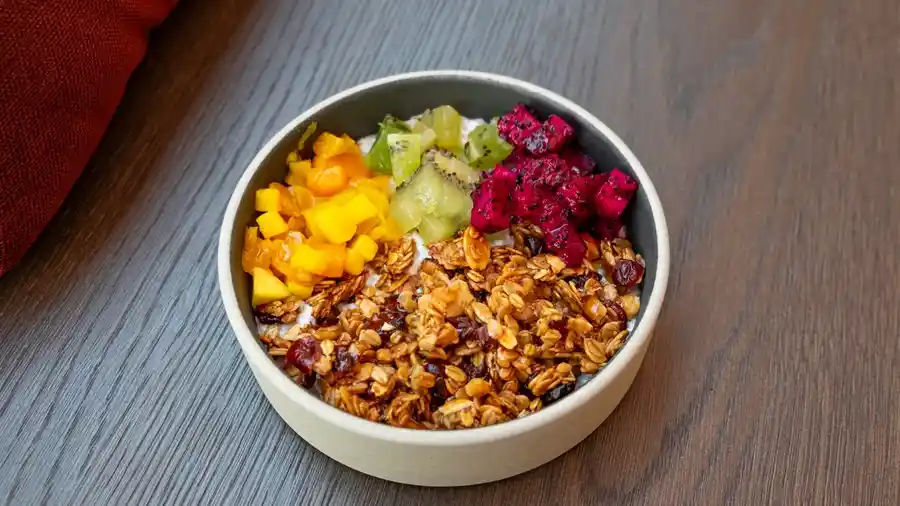
This is also where seniors can get into trouble with “healthy” foods that are not actually easy to manage. Granola can be too crunchy. Raw apple slices can be a poor choice if chewing is limited. Thick dry bran muffins can be hard to swallow without liquid. The fix is not to avoid fiber; it is to change the form.
A simple approach is to keep a soft-fiber trio on hand: oats, berries, and applesauce. Then add chia seeds or ground flaxseed when you want more fiber without more chewing. That trio covers a lot of breakfast situations, from a quick bowl to a full plated meal.
If swallowing is difficult or meals regularly feel risky, a clinician or dietitian should help tailor texture and fiber level. That matters more than any recipe. Fiber is useful, but safety comes first.
What mistakes make a high-fiber breakfast less heart-healthy?
The biggest mistakes are loading breakfast with sugar, choosing fiber that is too rough for the mouth, and adding fiber too quickly. Each one can make a healthy plan backfire.
Sugar is the easy one to spot. Sweetened cereal, flavored instant oatmeal packets, and syrup-heavy toppings can turn a fiber breakfast into a dessert. The fix is plain grains plus your own fruit and spices. Cinnamon, nutmeg, vanilla, and berries usually give enough flavor without a sugar rush.
The second mistake is using a food that is technically high in fiber but not practical for the person eating it. A senior who can manage steel-cut oats may be fine with them. A senior with poor dentition may do better with rolled oats, applesauce, and yogurt. The right choice is the one that can be eaten comfortably every day.
The third mistake is pushing fiber too fast. A breakfast that jumps from almost no fiber to 15 grams overnight can cause gas and discomfort. A better plan is to add one new fiber food every few days, then adjust. If breakfast already includes whole grain cereal, try adding berries first, then chia seeds, then fruit plus nuts if chewing allows.
A final mistake is forgetting fluid. Fiber works best with enough liquid, especially when chia seeds, oats, or bran are in the bowl. Water, milk, or an unsweetened fortified alternative can help the meal sit better.
This is not a place for one-size-fits-all rules. A breakfast that works for one senior may be wrong for another, especially if diabetes, swallowing trouble, kidney disease, or medication timing is part of the picture. A doctor or dietitian can help when those issues are in play.
If a reader wants to build a broader routine, the senior heart-healthy breakfast planning hub can help with the rest of the week’s structure.
A simple 7-day rotation that keeps breakfast from getting boring
A simple 7-day rotation works better than trying to invent a new breakfast every morning. The point is to repeat a few reliable combinations so the fiber habit sticks.
Here is a practical weekly pattern:
- Day 1: Whole grain cereal, milk, and berries
- Day 2: Oats with unsweetened applesauce and cinnamon
- Day 3: Greek yogurt with chia seeds and raspberries
- Day 4: Whole wheat toast with nut butter and banana
- Day 5: Overnight oats with blueberries
- Day 6: Bran-style hot cereal with soft fruit
- Day 7: Yogurt bowl with applesauce and ground flaxseed
The ingredients can be swapped based on what is on hand. If berries are expensive that week, use bananas or pears. If yogurt is not appealing, use milk with cereal. If the breakfast needs to be softer, tilt toward applesauce and cooked grains. If more texture is wanted, keep the fruit whole and add nuts only when chewing is comfortable.
Shopping is easier when the pantry has 5 staples: oats, whole grain cereal, chia seeds, applesauce, and frozen berries. That short list covers most of the breakfasts above. It also reduces the temptation to default to pastries or refined cereal when the fridge is empty.
The best plan is not the fanciest one. It is the one that gets eaten, tastes decent on a weekday morning, and does not leave the eater feeling too full or too hungry an hour later.
Why is fiber important for heart health?
Fiber is important for heart health because it helps improve the overall quality of the diet and can support healthier cholesterol levels, especially when soluble fiber is part of the meal. A breakfast built around oats, berries, apples, and seeds is usually more heart-friendly than one built on refined grains and added sugar. If heart disease or cholesterol treatment is already in the picture, a clinician can help with the right amount. For more detail, the American Heart Association and the National Institutes of Health both explain how fiber fits into heart-healthy eating.
What are easy high-fiber breakfasts for seniors?
Easy high-fiber breakfasts for seniors include whole grain cereal with berries, yogurt with chia seeds, oats with applesauce, and toast with nut butter and banana. These meals are fast, soft enough for many older adults, and simple to adjust for appetite or chewing needs. A 5-minute breakfast is more likely to become a habit than an elaborate recipe.
Drafted with AI; not yet reviewed by a person.