Last updated: November 19, 2026
Quick answer: High-Protein Heart-Healthy Breakfasts for Seniors: Best Foods and Recipe Ideas usually work best when they deliver about 20 to 30 grams of protein, stay low in sodium and saturated fat, and are simple enough to make in 10 to 20 minutes. The best choices often use familiar foods like eggs, Greek yogurt, cottage cheese, nut butter, milk, and tofu, then keep the cooking simple enough for a weekday morning.
What a heart-healthy, high-protein breakfast needs to do
A good breakfast for a senior should be filling, gentle on the heart, and simple enough to make in 10 to 20 minutes. That means building the plate around protein, adding fiber when possible, and keeping salty add-ons like bacon, sausage, and processed cheese out of the main routine.
Protein matters because older adults often need a little more help preserving muscle, especially if appetite is smaller than it used to be. A breakfast that includes 20 to 30 grams of protein is a practical target for many people, though the right amount depends on health conditions, total daily intake, and advice from a clinician or dietitian. If kidney disease or another medical issue is in play, that advice matters even more.
Heart-healthy does not mean bland. It means choosing foods with less saturated fat and sodium most of the time, then using herbs, fruit, pepper, cinnamon, lemon, or a small amount of avocado for flavor. A breakfast made from 2 eggs, 3/4 cup plain Greek yogurt, or 1 cup low-fat cottage cheese can fit that pattern much more easily than a breakfast sandwich built around processed meats.
The other piece is effort. Many seniors do best with breakfasts that use a bowl, a skillet, or a toaster oven, not a long recipe list. If a breakfast takes more than 15 minutes on most mornings, it usually gets skipped. Simple wins here.
For a broader meal pattern, the hub on heart-healthy breakfast recipes for seniors gives the bigger picture; this page focuses on High-Protein Heart-Healthy Breakfasts for Seniors: Best Foods and Recipe Ideas that are easier to rotate through the week.
Which foods give the most protein without pushing sodium up?
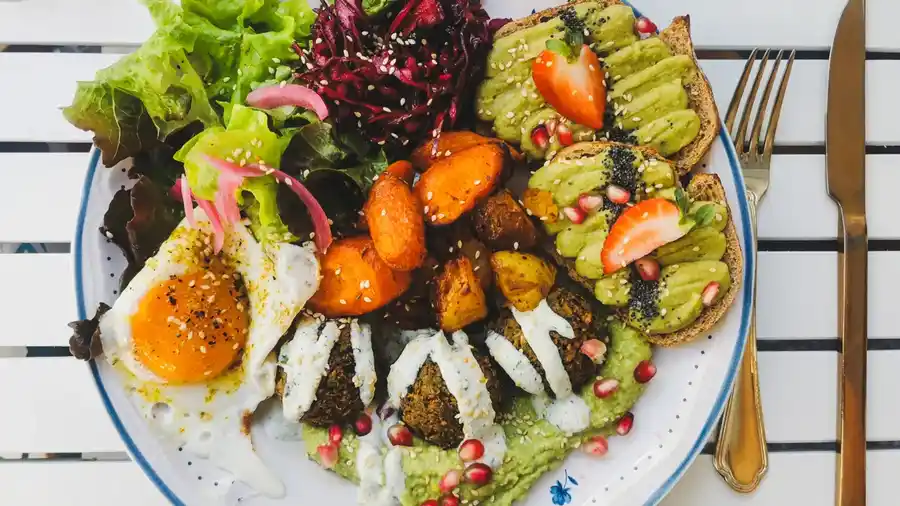
For High-Protein Heart-Healthy Breakfasts for Seniors: Best Foods and Recipe Ideas, the most useful foods are eggs, plain Greek yogurt, low-sodium cottage cheese, milk, tofu, and unsalted nut butter. Each brings protein in a form that can work at breakfast without forcing a lot of extra cooking.
Eggs are useful because 1 or 2 eggs can anchor a meal, and they pair well with vegetables. For a lower-saturated-fat approach, combine whole eggs with extra egg whites if needed. A scramble made with 2 whole eggs plus 2 egg whites is a common structure that keeps the plate familiar while raising protein.
Greek yogurt is one of the easiest protein upgrades because it needs no cooking. Choose plain yogurt and add fruit, chia, flax, cinnamon, or chopped nuts. Flavored yogurts often bring more sugar than a senior needs at breakfast, and some also carry extra sodium or a texture that is less satisfying than plain yogurt with toppings.
Cottage cheese works well when the sodium level is checked on the label. Low-sodium versions are worth seeking out if breakfast is a daily habit. It can be spooned into a bowl with peaches, berries, or sliced tomato and pepper.
Milk helps when appetite is low. A 1-cup glass can be used with cereal, blended into eggs, or warmed with oats if another meal is being built around it later in the day. For people who avoid dairy, unsweetened soy milk is usually the closest swap for protein; almond or oat milk usually brings less protein.
Tofu deserves a place here because it takes on the flavor of the pan. Firm tofu crumbled with turmeric, pepper, and chopped vegetables makes a breakfast scramble that is naturally low in saturated fat and easy to season without salt.
Nut butter is useful, but the portion matters. A thin layer on whole-grain toast or a spoonful stirred into yogurt adds protein and richness, yet it also adds calories quickly. Choose unsalted peanut or almond butter when possible.
For food-safety and label guidance, the USDA FoodData Central database and the American Heart Association’s nutrition guidance are worth checking for ingredient details and heart-smart patterns.
How do I build a breakfast that is filling but still easy on the heart?
I build it in 3 parts: one protein anchor, one produce or whole-grain side, and one flavor layer that does not rely on salt. This keeps the meal balanced without turning breakfast into a cooking project.
- Pick a protein base for the morning. Use 2 eggs, 3/4 to 1 cup Greek yogurt, 1 cup cottage cheese, or 3/4 cup crumbled tofu. This gives the meal its staying power.
- Add one supporting food. Put the protein on 1 slice of whole-grain toast, 1/2 cup berries, 1/2 cup sautéed spinach, or a small bowl of sliced tomatoes. That adds volume and helps the plate feel complete.
- Choose one gentle fat or flavor. Use 1 teaspoon olive oil in the pan, 1 tablespoon chopped walnuts, 1 tablespoon nut butter, or a pinch of cinnamon and pepper. The breakfast feels satisfying without needing bacon or heavy cheese.
- Keep the salt habit small. Use herbs, garlic powder, onion powder, dill, paprika, or lemon instead of reaching for a shaker. The result is a breakfast that tastes finished but still fits a heart-healthy pattern.
- Make the texture easy to chew. Soft scrambled eggs, yogurt bowls, cottage cheese, or tofu scramble are often easier than crisp toast piled high with dry ingredients. That matters for anyone with dental issues or a smaller appetite.
A useful rule is this: if the plate has protein, color, and one simple carb, breakfast usually works. If it is all refined bread or all dairy with no produce, it tends to fall short on staying power. That is why High-Protein Heart-Healthy Breakfasts for Seniors: Best Foods and Recipe Ideas tend to be built from a few dependable parts rather than a long ingredient list.
Easy egg-based breakfast ideas that work on busy mornings
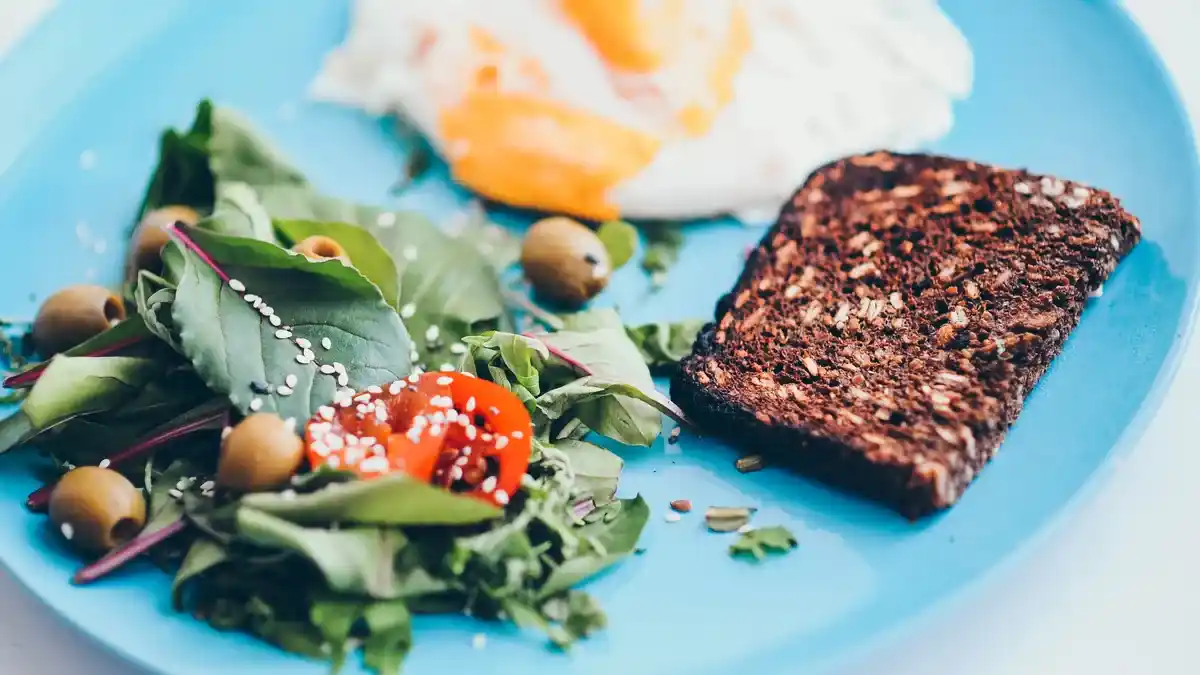
Egg-based breakfasts are the most flexible choice when the goal is high protein with low effort. A nonstick skillet and a 10-inch / 25 cm pan are enough for most of them.
One fast option is a vegetable scramble. Whisk 2 eggs with 2 tablespoons milk, pour into a lightly oiled skillet over medium-low heat, and add 1/2 cup chopped spinach, mushrooms, or tomatoes. Stir gently for about 4 to 5 minutes, until the eggs are just set. The milk makes the eggs softer, which many older adults prefer.
A second option is a make-ahead egg muffin. Whisk 6 eggs with 1/4 cup milk, 1 cup chopped vegetables, and a small handful of shredded cheese if desired. Pour into a greased 6-cup muffin tin and bake at 350°F / 175°C for about 18 to 22 minutes. The muffins should be firm in the center. These reheat well in 30 to 45 seconds in a microwave, which makes them useful for mornings when standing at the stove is not appealing.
A third option is an egg-and-toast plate with avocado. Top 1 slice whole-grain toast with 1/4 avocado and 1 or 2 eggs, cooked however the eater likes them. Keep the seasoning simple: black pepper, lemon juice, or chili flakes. This is not the right choice if toast is hard to chew or if avocado is poorly tolerated, but it works well for many people who want a familiar breakfast.
The main drawback of egg breakfasts is repetition. Eating the same scramble every day gets old, and that can lower appetite. Rotating vegetables, changing the herb mix, or serving the eggs with yogurt or fruit on the side usually fixes that problem. For that reason, High-Protein Heart-Healthy Breakfasts for Seniors: Best Foods and Recipe Ideas work better when eggs are one of several rotating options.
What are practical yogurt and cottage cheese bowls?
Yogurt and cottage cheese bowls use plain dairy, fruit, and a small crunchy topping so the meal stays high in protein without turning sugary or heavy. A 3/4-cup to 1-cup base is usually enough for a senior breakfast, depending on appetite.
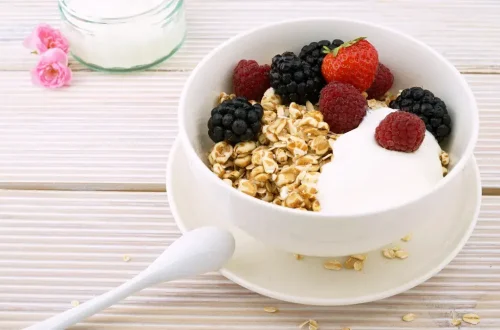
A plain Greek yogurt bowl can start with 3/4 to 1 cup yogurt, then add 1/2 cup berries, 1 tablespoon chopped walnuts, and cinnamon. If a little sweetness is needed, use a few slices of banana or a teaspoon of honey rather than a flavored yogurt cup. The bowl works because the yogurt carries the protein while the fruit adds texture and color.
A cottage cheese bowl can be even simpler. Spoon 1 cup low-sodium cottage cheese into a bowl, then top with sliced peaches, pineapple, cucumber, or tomato and pepper. Fruit makes it breakfast; savory toppings make it a light meal later in the morning. This option is especially useful when chewing is easier than cooking.
If the texture of cottage cheese is a problem, blend it into a smoother spread or mix it with yogurt 1:1. That softens the curds while keeping the protein higher than a fruit-only bowl. The same trick works with unsweetened applesauce or mashed berries if the fruit needs to be gentler.
The limitation here is obvious: these bowls do not suit everyone. Someone who dislikes dairy, has trouble swallowing thin or mixed textures, or needs a very warm breakfast may do better with eggs or tofu. Still, for speed and protein density, yogurt and cottage cheese are hard to beat.
Can tofu and nut butter really belong at breakfast?
Yes, tofu and nut butter both fit breakfast well, but they work best in different ways. Tofu is a cooked protein base; nut butter is a small add-on that boosts flavor and fullness.
Tofu scramble is the stronger choice when the goal is to replace eggs or lower saturated fat. Crumble 3/4 cup firm tofu into a skillet with 1 teaspoon olive oil, turmeric, black pepper, and 1/2 cup chopped vegetables. Cook over medium heat for 5 to 7 minutes until the tofu is hot and the vegetables soften. Tofu absorbs seasoning well, so a little garlic powder or smoked paprika goes a long way. Use low-sodium seasoning blends, since some commercial blends are very salty.
Because tofu absorbs seasoning well, it can also carry the vegetable part of breakfast without much extra effort. That makes it one of the more versatile choices in High-Protein Heart-Healthy Breakfasts for Seniors: Best Foods and Recipe Ideas, especially when a softer texture is helpful.
Nut butter is better when breakfast needs a quick protein bump rather than the main protein source. Spread 1 tablespoon of unsalted peanut or almond butter on toast, or stir it into plain Greek yogurt. Because nut butter is dense, a little is enough. A heavy hand can turn a heart-smart breakfast into a calorie-heavy one.
Instead of treating nut butter as the main event, use it to support a meal that already has protein and produce. That keeps the breakfast more balanced and makes the flavor feel richer without leaning on processed foods.
People with peanut or tree-nut allergy should obviously avoid nut butter and choose another protein. For them, yogurt, eggs, tofu, or low-sodium cottage cheese are better paths.
What mistakes make a “healthy” breakfast less heart-friendly?
The biggest mistake is adding protein with salty processed foods instead of simple whole foods. Bacon, sausage, breakfast meats, and many frozen breakfast sandwiches can push sodium up fast, and they often bring more saturated fat than a senior needs at breakfast.
A second mistake is treating flavored yogurt or sweetened coffee as if it solves breakfast. That kind of meal may taste easy, but it can leave a person hungry again in an hour. Plain Greek yogurt, eggs, cottage cheese, or tofu keep breakfast anchored longer. If diabetes, kidney disease, or another medical condition is involved, a clinician or registered dietitian can help choose a safer breakfast pattern.
A third mistake is making breakfast too dry or too hard to chew. Dry toast with a thin scrape of peanut butter is not the same as a soft egg scramble or a yogurt bowl. If chewing is tiring, choose softer foods and cook them to a gentler texture.
The last mistake is trying to fix everything with supplements or protein powders. Those can have a place, but they are not the easiest first move for most seniors. Real food is usually simpler, cheaper, and more satisfying. If swallowing, appetite, kidney health, or weight loss are concerns, a clinician or registered dietitian should help set the target.
The short version: choose foods that add protein quietly, not foods that shout with sodium or sugar.
Key Takeaways
- A good senior breakfast should give protein, be easy to eat, and keep sodium and saturated fat modest.
- Eggs, plain Greek yogurt, cottage cheese, milk, tofu, and unsalted nut butter are the most practical building blocks.
- Soft textures matter; many seniors do better with scrambles, bowls, or tofu than with dry, crunchy breakfasts.
- Flavor can come from fruit, herbs, pepper, cinnamon, lemon, and vegetables instead of salty toppings.
- If kidney disease, swallowing trouble, or another medical issue is involved, protein goals should be set with professional guidance.
Why do seniors need more protein at breakfast?
Seniors often need breakfast protein to help maintain muscle and stay full until the next meal. A morning meal with eggs, Greek yogurt, cottage cheese, tofu, or milk is usually more useful than toast or cereal alone, especially when appetite is small. If there is kidney disease or another condition, protein needs should be reviewed with a clinician.
What is a high-protein breakfast that is heart-healthy?
A high-protein breakfast that is heart-healthy usually uses plain, minimally processed foods and keeps sodium and saturated fat in check. Examples include scrambled eggs with vegetables, Greek yogurt with berries and walnuts, or tofu scramble with whole-grain toast. The best version is one that is filling, not salty, and easy to repeat.
How can i add protein without adding too much sodium?
Use foods that are naturally higher in protein and low in salt, like plain Greek yogurt, eggs, low-sodium cottage cheese, tofu, milk, and unsalted nut butter. Skip bacon, sausage, and many packaged breakfast meats, then season with herbs, pepper, cinnamon, or lemon instead of extra salt. Checking the label on cottage cheese and yogurt helps too.
Drafted with AI; not yet reviewed by a person.