Last updated: November 19, 2026
Soft-texture heart-healthy mains and entrées for seniors — The Complete Guide explains how to make meals that are easy to chew, gentle to swallow, and low in saturated fat, sodium, and added sugar. Quick answer: 1 plate can be enough when it includes a soft protein, a tender vegetable, and a moist starch. The best versions aim for enough protein to help preserve strength while using moist cooking methods, soft vegetables, whole grains, beans, fish, and tender poultry.
Key Takeaways
- Soft texture does not have to mean bland food or purees all day.
- Heart-healthy mains work best when they stay moist, mildly seasoned, and easy to portion.
- Protein matters because many seniors struggle to eat enough of it at one meal.
- Sodium, saturated fat, and dry textures are the main problems to control.
- A meal that is too fibrous, too crunchy, or too salty can be a bad fit even if it is “healthy.”
- If swallowing is difficult, a clinician or speech-language pathologist should guide texture changes.
What makes a main dish both soft and heart-healthy?
A good soft-texture heart-healthy main is tender enough to chew with little effort and structured enough to carry protein, vegetables, and fiber without turning into mush. The practical target is simple: the food should break apart easily with a fork, stay moist on the plate, and avoid the salt-heavy sauces that often appear in restaurant and packaged meals.
That combination matters because heart-healthy eating is not just about cutting fat. It also means keeping sodium in check, choosing unsaturated fats more often than saturated ones, and building meals from foods that support blood pressure and overall cardiovascular health. The American Heart Association’s dietary guidance is a useful reference point here, especially on sodium, saturated fat, and produce-heavy meals. The U.S. Dietary Guidelines for Americans 2020–2025 also support limits on sodium and saturated fat.
Soft texture becomes a problem when cooks solve it the wrong way. A dish can be easy to chew and still be poor for the heart if it leans on butter, cream, processed meat, or heavy gravy. It can also be heart-healthy on paper and still fail a senior at the table if it is dry, stringy, crusted, or full of seeds and tough skins.
The sweet spot is a meal such as baked fish with a soft grain and cooked vegetables, turkey meatballs in a tomato-based sauce, or lentil stew simmered until the legumes are tender. These choices can be mild, moist, and filling without requiring a knife and a lot of jaw strength. They also scale well for one person or a family table, which matters when a caregiver is cooking for more than one diet at once. A simple pattern like this can make dinner easier in 1 meal instead of 3 separate dishes.
The wrong fit is a plate built around crisp textures, tough cuts, or heavy seasoning. Fried chicken, crusty steaks, raw cabbage slaw, popcorn shrimp, and chewy breaded cutlets can be frustrating or unsafe depending on the person’s chewing ability and swallow status.
What texture level should seniors aim for?
The safest texture target is usually the least restrictive one that a person can handle comfortably, but that choice should be confirmed with swallowing needs in mind. For many seniors, that means soft and moist foods that need little chewing but still hold their shape; for others, it may mean minced, chopped, or pureed meals under a clinician’s direction.
The reason to be specific is that “soft” covers a wide range. A fork-tender roast, a flaky baked fish, a well-cooked egg dish, and a smooth bean soup are all soft, but they are not equally easy to eat. A person with only mild chewing trouble may manage tender chunks. Someone with dysphagia may need a much more controlled texture, sometimes using the International Dysphagia Diet Standardisation Initiative, or IDDSI, framework.
That framework is worth knowing because it gives a shared language for texture. If a doctor, dietitian, or speech-language pathologist says “IDDSI Level 6” or “minced and moist,” the kitchen knows what to produce instead of guessing. This matters more than a recipe title. “Healthy chicken casserole” can be fine for one person and completely wrong for another.
A useful rule in the home kitchen is this: if the food crumbles into dry bits, resists a fork, or needs a hard bite to break apart, it is not soft enough for many seniors. If the food is so loose that it separates into liquid and solids on the fork, it may not hold together well either. The middle ground is moist, cohesive, and easy to shape on the spoon or fork.
The right texture also depends on dentures, dry mouth, Parkinson’s disease, stroke recovery, and medication side effects. Those issues change chewing and swallowing more than age alone. A healthcare professional should be involved if swallowing is painful, coughing occurs during meals, or weight is dropping. That guidance is especially important when several of those factors appear together.
Which cooking methods work best for soft, heart-healthy entrées?
The best cooking methods are baking, poaching, steaming, braising, slow-cooking, and gentle simmering because they can keep food moist without adding much saturated fat or sodium. These methods also help proteins stay tender, which is the difference between an entrée that disappears easily and one that gets pushed around the plate.
Baking works well for fish, turkey meatloaf, stuffed peppers, and egg-based casseroles. A covered dish or a sauce helps prevent drying. Poaching is ideal for delicate fish and chicken breast when the final dish will be served with broth, herbs, or a light sauce. Steaming keeps vegetables soft without turning them greasy, and it is useful when building a plate with soft carrots, squash, green beans, or cauliflower.
Braising and slow-cooking are especially helpful for tougher cuts and legumes. A chicken thigh can become tender in a tomato, onion, and herb sauce after slow simmering. Dry beans and lentils can be cooked until they hold together but are no longer firm. The benefit is texture control: you can stop cooking when the food is fork-tender instead of depending on a crust or breading.
What does not help? Frying, pan-searing to a hard crust, and relying on salty bottled sauces. These methods may improve flavor, but they also often create sharp edges, tough surfaces, and excess fat. A crisp crust is a liability when chewing is hard. A salty glaze can be a liability when blood pressure is part of the picture.
A practical shortcut is moisture layering. Use a soft protein, add a sauce or broth, and include a tender starch. That is why baked salmon with dill yogurt sauce, soft brown rice, and cooked spinach works better than plain salmon on a dry plate. Moisture should come from the dish itself, not just from a glass of water on the side.
Soft-texture heart-healthy mains for seniors: the best categories
The most reliable categories are fish, tender poultry, eggs, beans, tofu, and slow-cooked lean meats because they can all be made moist without becoming difficult to chew. These ingredients also give a useful spread of protein, which helps a senior avoid the common trap of eating vegetables and starches but too little protein.
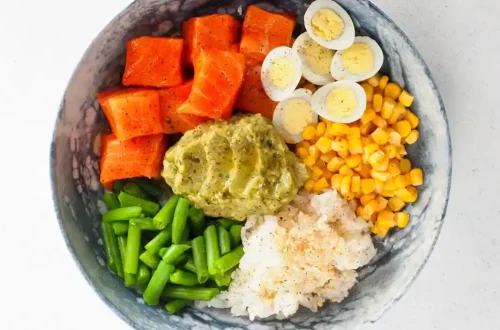
Fish is one of the easiest wins. Baked salmon, cod, pollock, tilapia, and trout can all be made soft with foil packets, light tomato sauces, or herb broth. Fish flakes naturally when cooked properly, which makes portioning easier. The downside is that overcooking turns it dry very quickly, so a short cooking time matters.
Poultry works best when it is minced, chopped, or braised in liquid. Ground turkey patties, shredded chicken in a vegetable stew, and turkey meatballs are often easier than a whole breast. White meat can get stringy, so a sauce matters. Dark meat can stay moister, but it should be prepared without heavy skin-on fat or salty seasoning blends.
Egg dishes are often overlooked. A soft vegetable frittata, egg custard-style casserole, or scrambled eggs with chopped spinach can be filling and gentle on the mouth. They are especially useful for smaller appetites because they do not require large portions to deliver protein. The limitation is that egg dishes can become rubbery if cooked too long.
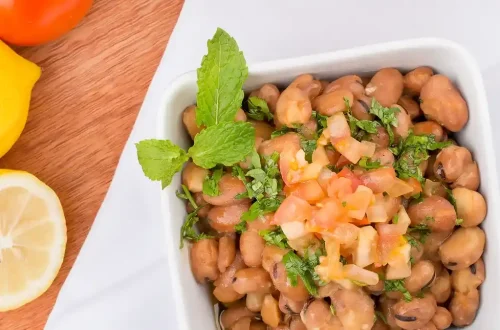
Beans and lentils are strong heart-healthy choices, but they must be cooked to the right softness. Lentil stew, split pea soup, hummus with a soft grain side, and bean-based chili with extra simmering can all fit well. The drawback is that skins and pieces can bother some people, so texture needs to be checked. Some seniors also experience gas or bloating from legumes, which is worth considering if a meal plan suddenly shifts toward beans.
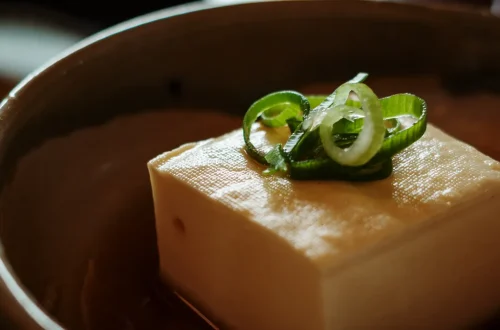
Tofu and soft soy foods can work well when seasoned gently and cooked in a sauce. They are useful when chewing is hard because they break apart easily. The main trade-off is flavor: tofu absorbs seasoning, so bland preparation is the usual failure point.
Slow-cooked lean meats can be a fit when they are shredded or finely chopped and served moist. Think pot roast made with leaner cuts, braised beef in small portions, or pork loin cooked until tender. The issue is fat and salt control. A rich gravy can erase the heart-healthy value fast.
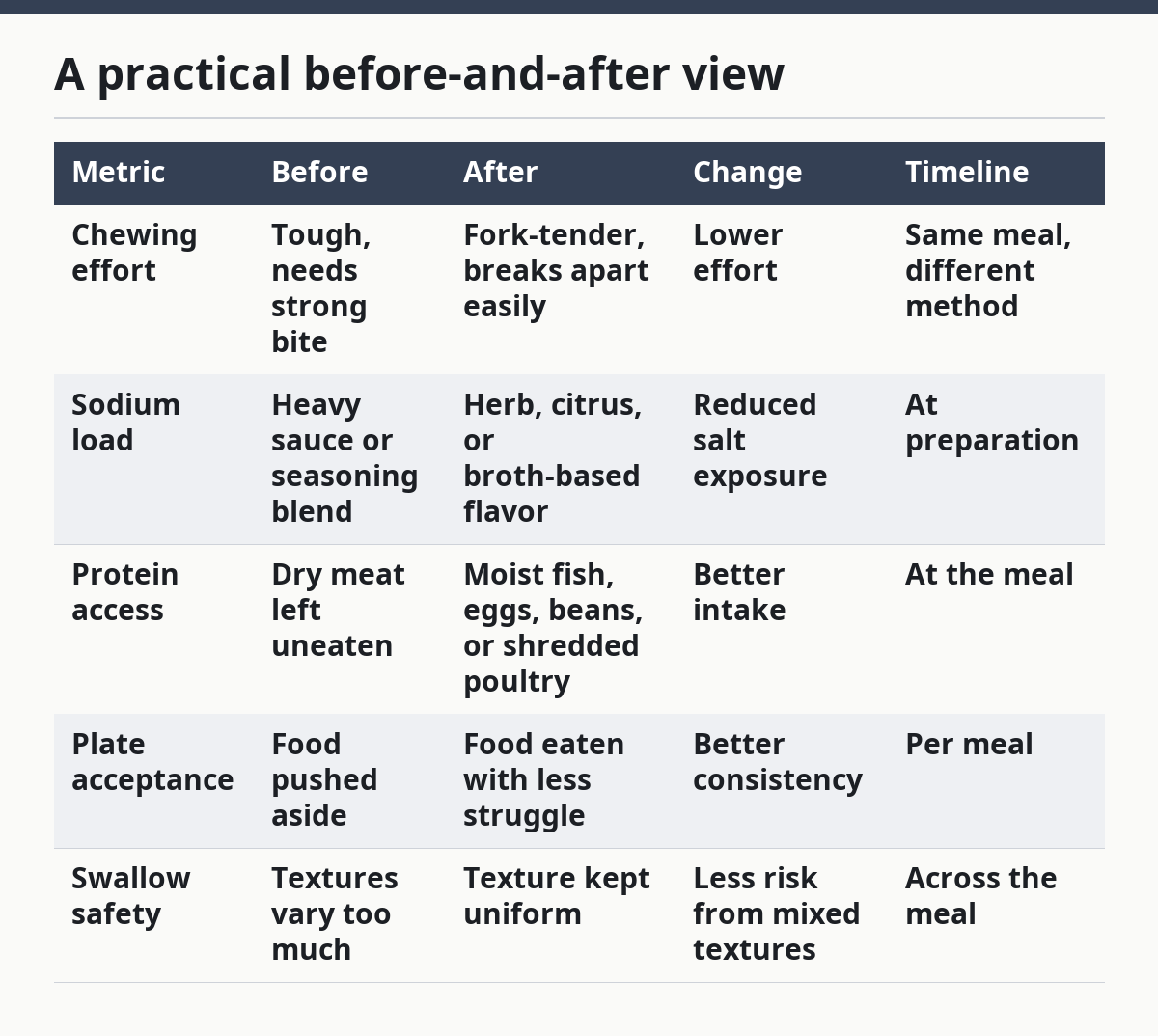
A practical before-and-after view
| Metric | Before | After | Change | Timeline |
|---|---|---|---|---|
| Chewing effort | Tough, needs strong bite | Fork-tender, breaks apart easily | Lower effort | Same meal, different method |
| Sodium load | Heavy sauce or seasoning blend | Herb, citrus, or broth-based flavor | Reduced salt exposure | At preparation |
| Protein access | Dry meat left uneaten | Moist fish, eggs, beans, or shredded poultry | Better intake | At the meal |
| Plate acceptance | Food pushed aside | Food eaten with less struggle | Better consistency | Per meal |
| Swallow safety | Textures vary too much | Texture kept uniform | Less risk from mixed textures | Across the meal |
What ingredients should be used more often in Soft-Texture Heart-Healthy Mains and Entrées for Seniors?
The best ingredients are soft vegetables, unsalted broths, fruit purées used as flavoring, olive oil in modest amounts, oatmeal or other tender grains, and herbs that do not depend on salt for taste. These ingredients build flavor and moisture without making the dish heavy.
Cooked vegetables should be the default, not the exception. Carrots, zucchini, squash, spinach, peas, green beans, beets, cauliflower, and sweet potatoes all soften well when steamed, roasted until tender, or simmered in broth. The point is not to hide vegetables in a puree unless that is medically needed; it is to cook them until they are easy to chew.
Whole grains are helpful when they are chosen in forms that stay tender. Oatmeal, soft brown rice, quinoa cooked a little longer than usual, barley, and soft whole-wheat pasta can all work. The caution is that some whole grains stay chewy by nature. If a grain feels scratchy or dry, it may be better to switch to a softer version rather than insist on a textbook “whole grain” label.
Healthy fats matter, but the amount should be modest. Olive oil, canola oil, avocado, nut butters, and ground flax can add calories and help food stay moist. The mistake is to pour too much oil or use nut pieces that increase chewing difficulty. Smooth nut butter is usually easier than chopped nuts. A spoonful can improve both texture and energy density for someone who eats small meals.
Herbs, citrus, garlic, ginger, vinegar, onion, and tomato can give a meal enough flavor that it does not need a lot of salt. That matters because bland food usually fails twice: it tastes flat, and it often gets rescued with sodium-heavy seasoning. The better habit is to build flavor during cooking, not at the table with a salt shaker.
Dairy can be used carefully when tolerated. Plain yogurt, low-fat milk, and small amounts of cheese can help with creaminess, but many creamy sauces become saturated-fat-heavy very quickly. A lighter yogurt-based sauce can often do the job with less heaviness than cream.
What should be avoided or limited?
The main things to limit are salty processed foods, hard crusts, dry meats, stringy vegetables, and fried or heavily breaded entrées. Those foods are often the worst combination for seniors because they are difficult to chew and not ideal for heart health at the same time.
Processed meats are the clearest example. Ham, bacon, sausage, pepperoni, deli slices, and many canned meat products are often high in sodium and sometimes saturated fat. They can also be chewy or irregular in texture. A soft breakfast sausage patty may seem convenient, but it is usually not the strongest choice for heart health.
Hard crusts and dry exteriors create unnecessary work. Toasted breading, crisped chicken skin, seared steak edges, and overly baked casseroles often crumble or resist the bite. For someone with dentures, dry mouth, or weak chewing muscles, that can turn dinner into frustration. If a dish needs a crust to be appealing, it probably needs a different design.
Raw vegetables can also be a problem when chewing is limited. Raw celery, carrot sticks, broccoli stems, and cabbage slaw are healthy in another context, but they are not automatically senior-friendly. Cooked vegetables give the same general nutritional direction with much less effort.
Thick, sticky foods deserve caution too. Peanut butter in a thick layer, bread that is too chewy, and dense sticky rice can be hard to manage. Even when they are heart-healthy, they may not be a good match for someone at risk of swallowing trouble. Small portions or thinner spreads can make them safer.
The wrong fit is a menu that asks a senior to “just chew more” or “just take smaller bites” without changing the food. That advice is not enough when the dish itself is the obstacle.
How do you build a full meal without making it hard to chew?
A balanced soft-texture meal is easiest when it follows a simple pattern: one tender protein, one soft vegetable, and one soft starch, all kept moist with a sauce or broth. That structure makes the plate feel complete without adding a lot of complexity.
A salmon plate can include baked salmon, mashed sweet potatoes, and well-cooked green beans with olive oil and lemon. A chicken plate can use shredded chicken in gravy, soft rice, and cooked carrots. A vegetarian plate can use lentil stew, soft barley, and spinach cooked down until tender. Each of those meals gives the plate shape without demanding that every bite be the same texture.
Portion size matters too. Seniors with small appetites often do better with smaller plates and more concentrated nutrition. A giant mound of food can look exhausting. A modest serving of protein with vegetables and a soft starch often feels more manageable. If the person needs more calories, the answer should be more nutrient-dense food, not a bigger pile of dry food.
It also helps to keep mixed textures under control. A soup with soft chicken and vegetables can work well. A soup with hard croutons or chewy crusted toppings can undo the benefit. The same goes for casseroles. If the top layer is dry and the bottom is moist, the first bite may be fine and the next five may not.
Temperature can matter. Some older adults tolerate warm foods better than very hot or very cold ones, especially if dentures or sensitivity are involved. A dish that is slightly cooled but still moist may be easier to eat than one straight from the oven.
The cleanest strategy is to cook for the most limited texture need in the room, then let others add pepper, lemon, or herbs at the table if they want more flavor. That keeps the main dish usable for the person who most needs it.
What does a one-day menu actually look like?
A one-day menu can be built around oatmeal, a soft protein lunch, and a moist dinner so the senior does not face one difficult meal after another. The key is not perfection; it is repetition of foods that are predictably easy to chew and good for the heart.
Breakfast might be oatmeal cooked with milk or fortified soy milk, topped with mashed banana and cinnamon. Lunch could be a tuna or salmon salad made smooth with yogurt instead of heavy mayonnaise, served with soft whole-grain bread or a tender grain bowl. Dinner might be baked cod with a lemon herb sauce, mashed cauliflower or potatoes, and cooked zucchini. If snacks are needed, options like applesauce, yogurt, cottage cheese if tolerated, or soft fruit work better than crackers and pretzels.
A vegetarian day can be just as practical. Breakfast can be soft scrambled eggs or oatmeal. Lunch might be lentil soup with a soft roll or spoonable grain side. Dinner could be tofu and vegetable stir-fry cooked until tender, served over soft rice. The caution is to avoid a stir-fry that is crisp by design; it should be tender, not crunchy.
For caregivers, batch cooking helps. A pot of lentil soup, a tray of baked fish, or shredded chicken in broth can be portioned for several meals. That reduces the number of times a person is forced to face a dry, badly timed dinner. It also lowers the chance that cooking fatigue leads to salt-heavy convenience food.
The best menu is the one that a real person will eat three days in a row. A technically perfect plate that sits untouched is not a good plate.
What should caregivers and families watch for?
Caregivers should watch for coughing during meals, pocketing food in the cheeks, long meal times, unexplained weight loss, and refusal of foods that used to be acceptable. Those signs can mean the texture is wrong, the appetite is falling, or swallowing has changed and needs professional attention.
A meal that takes an hour every day is a warning sign. So is a plate that looks fine but comes back half-eaten because the protein was too dry or the vegetables were too fibrous. Seniors often do not say, “This is hard to chew.” They may just eat less.
Dentures are another factor. Loose or poorly fitting dentures can make foods that seem soft enough feel impossible. A dish with small pieces may be better than a large slice. Moist, cohesive food usually beats crumbly food. If the senior says food feels “stuck” or “scratchy,” that feedback should not be dismissed.
Medication changes can also shift appetite and saliva. Dry mouth can make even soft foods feel more difficult. In that case, sauces, gravies, soups, and moist casseroles become more useful. If swallowing seems unsafe, the correct move is not trial and error in the kitchen; it is a medical evaluation.
This is also where the limits of a general guide matter. A heart-healthy recipe is not automatically safe for every senior. Someone recovering from a stroke, managing Parkinson’s disease, or living with diagnosed dysphagia may need texture modification that goes beyond ordinary soft cooking. A speech-language pathologist or dietitian can help match the food to the need.
FAQ
What is the easiest heart-healthy dinner for a senior with chewing problems?
A baked fish or shredded chicken dish with a soft vegetable and a moist starch is usually the easiest place to start. The meal should be fork-tender, lightly seasoned, and served with sauce or broth so it does not dry out. A clinician should guide the plan if swallowing is also a concern.
Are eggs a good option for soft-texture heart-healthy meals?
Yes, eggs are often one of the most practical soft proteins for seniors. Soft scrambled eggs, egg casseroles, and tender frittatas are easy to chew and can be paired with vegetables or whole grains. The main caution is overcooking, which can make eggs rubbery.
Can a senior with heart concerns still eat beans and lentils?
Yes, beans and lentils are often a strong choice because they provide protein and fiber. They need to be cooked until very tender and seasoned without too much salt. If the senior has gas, bloating, or trouble with skins and bits, the texture may need to be adjusted.
What foods are usually too hard for seniors with soft-texture needs?
Hard crusts, dry meats, raw crunchy vegetables, chewy bread, and fried or breaded foods are often poor choices. They can be difficult to chew and are not the best match for heart-healthy eating. If a food resists the fork or breaks into dry fragments, it usually needs a softer substitute.
When should a professional be involved?
A professional should be involved if the senior coughs during meals, loses weight, avoids food because of chewing, or has a known swallowing disorder. A doctor, dietitian, or speech-language pathologist can help match texture and nutrition to the person’s actual needs. That is especially important after stroke or when dementia, Parkinson’s disease, or dental problems are part of the picture.
Drafted with AI; not yet reviewed by a person.