Last updated: November 19, 2026
Key Takeaways
- Slightly sturdy bread that slices cleanly and softens in the pan helps French toast hold together.
- Use 2 eggs, 1/2 cup milk, and cinnamon for a light custard that stays pourable.
- Cook over medium heat for about 2 to 3 minutes per side so the toast stays soft.
- Fresh fruit, unsweetened yogurt, and cinnamon add flavor without much salt or sugar.
Soft Heart-Healthy French Toast Recipes for Seniors can fit a heart-healthy breakfast plan when they use sturdy bread, an egg-and-milk soak that stays light, and toppings that add flavor without much sodium. It is a better fit than dry toast for seniors who want something tender, warm, and familiar without turning breakfast into dessert. For general guidance on healthy eating patterns, see the National Institute on Aging and the American Heart Association. National Institute on Aging and American Heart Association.
Why French toast works for a softer, heart-healthy breakfast
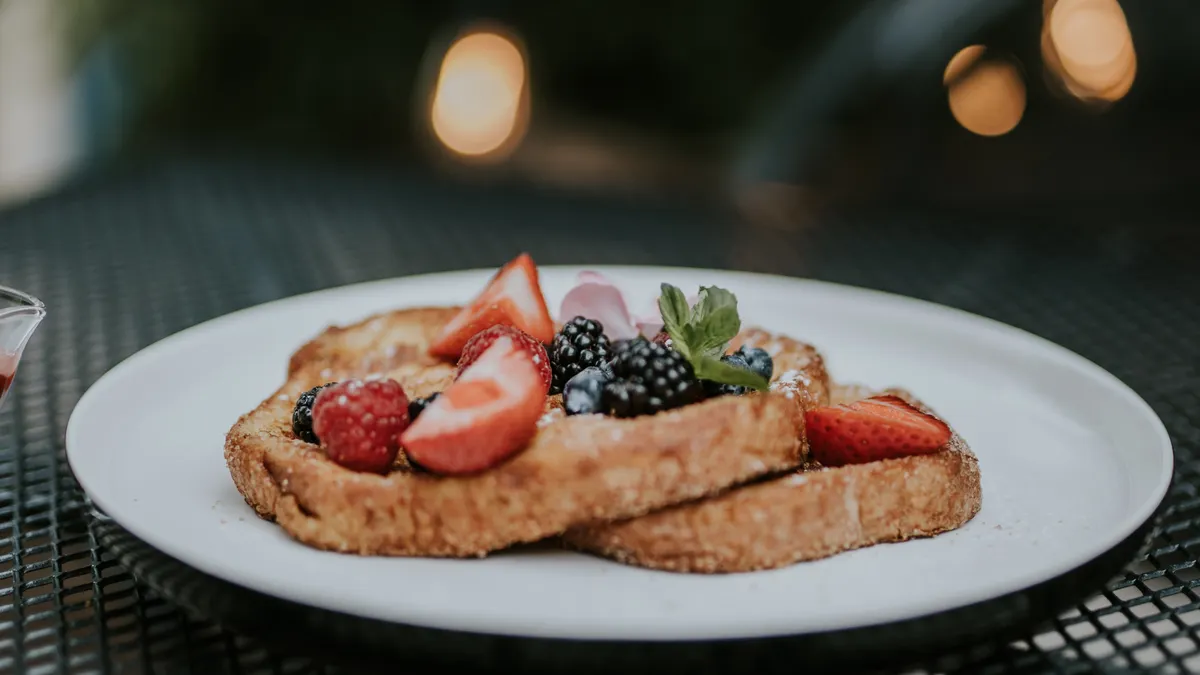
French toast works because it turns plain bread into a moist, easy-to-chew breakfast in about 10 minutes on the stove, and Soft Heart-Healthy French Toast Recipes for Seniors can stay heart-conscious if the toppings and batter are kept simple. The real job is not to make it rich; it is to make it gentle on the mouth while avoiding the salt and heavy add-ons that push it away from a healthy routine.
For seniors, that usually means three decisions: pick bread that softens well, use enough egg and milk to coat without soaking into mush, and finish with fruit instead of syrup-heavy toppings. Whole-grain bread can bring more fiber than white bread, but a loaf that is too dense may feel chewy after cooking. A standard 8- to 10-inch skillet is enough for two slices at a time, which helps the toast brown evenly without drying out.
This page stays focused on French toast itself. For a broader starting point, the hub on heart-healthy breakfast recipes for seniors can help you compare other breakfast styles before you settle on one that suits the person eating it. You can also check older-adult eating advice from the NIA’s healthy eating guide.
What bread makes French toast soft without falling apart?
The best bread is slightly sturdy, slices cleanly, and softens in the pan without collapsing. Thin sandwich bread can turn flimsy, while very dense artisan loaves may stay chewy in the center, so the sweet spot is often medium-thick sliced bread, cut about 3/4 inch to 1 inch thick.
Good options include:
- Soft whole-wheat sandwich bread
- Brioche-style bread if it is not too sweet and is used sparingly
- Challah, which absorbs custard well but is richer
- Oat bread or potato bread, if the slice is firm enough to hold liquid
The bread should be a day or two old if possible. That little bit of dryness helps it absorb the egg mixture without disintegrating. Fresh bread can work, but it needs a shorter soak, usually 10 to 15 seconds per side instead of a long dip. If the bread is very stale, the outside may brown before the center softens, so let the soaked slices rest for 1 minute before cooking.
A common mistake is choosing bread only because it is “healthy” on the label. A very coarse whole-grain loaf may be more fibrous, but if it takes work to chew, the meal misses the point. Fiber still matters, but the best bread is the one that cooks tenderly and is pleasant to eat.
How do you make the egg mixture light and heart-friendly?
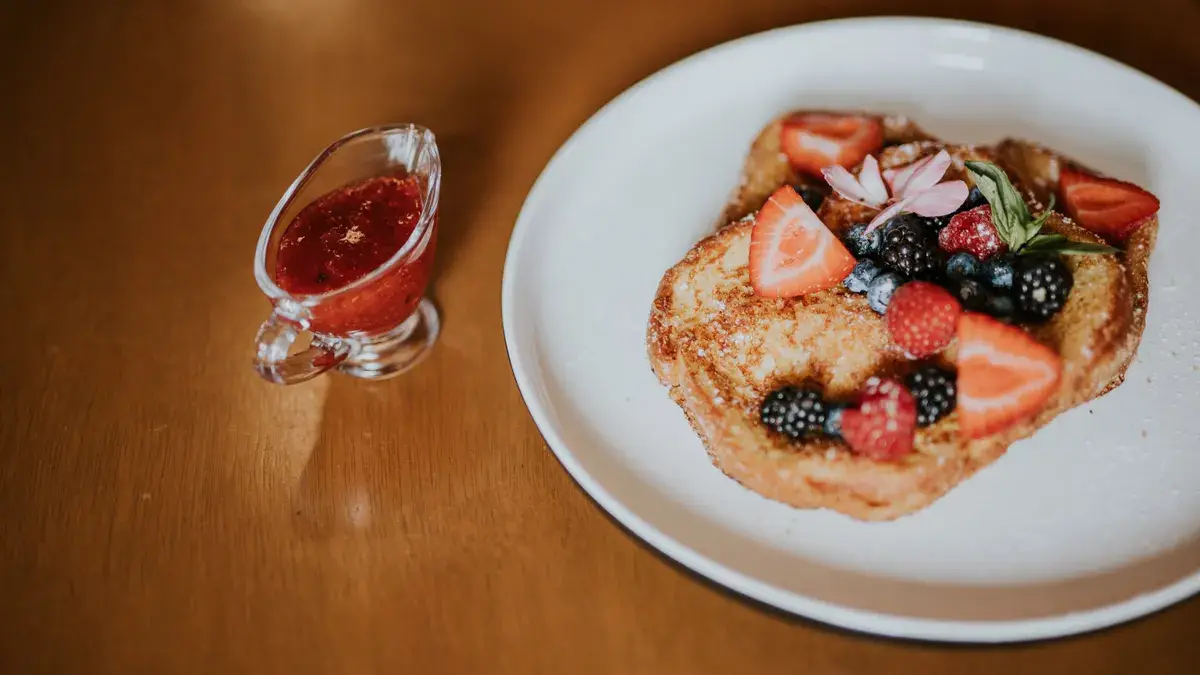
A light egg mixture starts with 2 eggs, 1/2 cup milk, and cinnamon, then stops before it becomes a thick custard. That ratio gives enough coating for 4 slices of bread without drowning them, and it keeps the finished toast tender rather than eggy.
Use this simple base:
- 2 large eggs
- 1/2 cup low-fat milk or unsweetened milk alternative
- 1/2 teaspoon cinnamon
- 1/4 teaspoon vanilla, optional
- Pinch of nutmeg, optional
Whisk the eggs first until the yolks and whites are fully combined, then add the milk and spices. A fork works, but a small whisk gives a smoother mixture in under 30 seconds. If the goal is softness, milk matters more than cream. Whole milk is richer, but low-fat milk keeps the result lighter while still giving the bread enough moisture.
This is also where sodium sneaks in if you are not careful. Some flavored milks, packaged egg mixtures, or seasoning blends add salt that does not improve the dish. Cinnamon and vanilla give the batter enough warmth on their own. If you want a little more flavor, orange zest or a touch of grated apple can work without increasing salt.
The trade-off is simple: more milk makes the toast softer, but too much milk can leave a pale, soggy slice that never sets. If the bread is soft to begin with, keep the soak short. If it is firmer, let it sit longer, but not so long that the center turns damp and heavy.
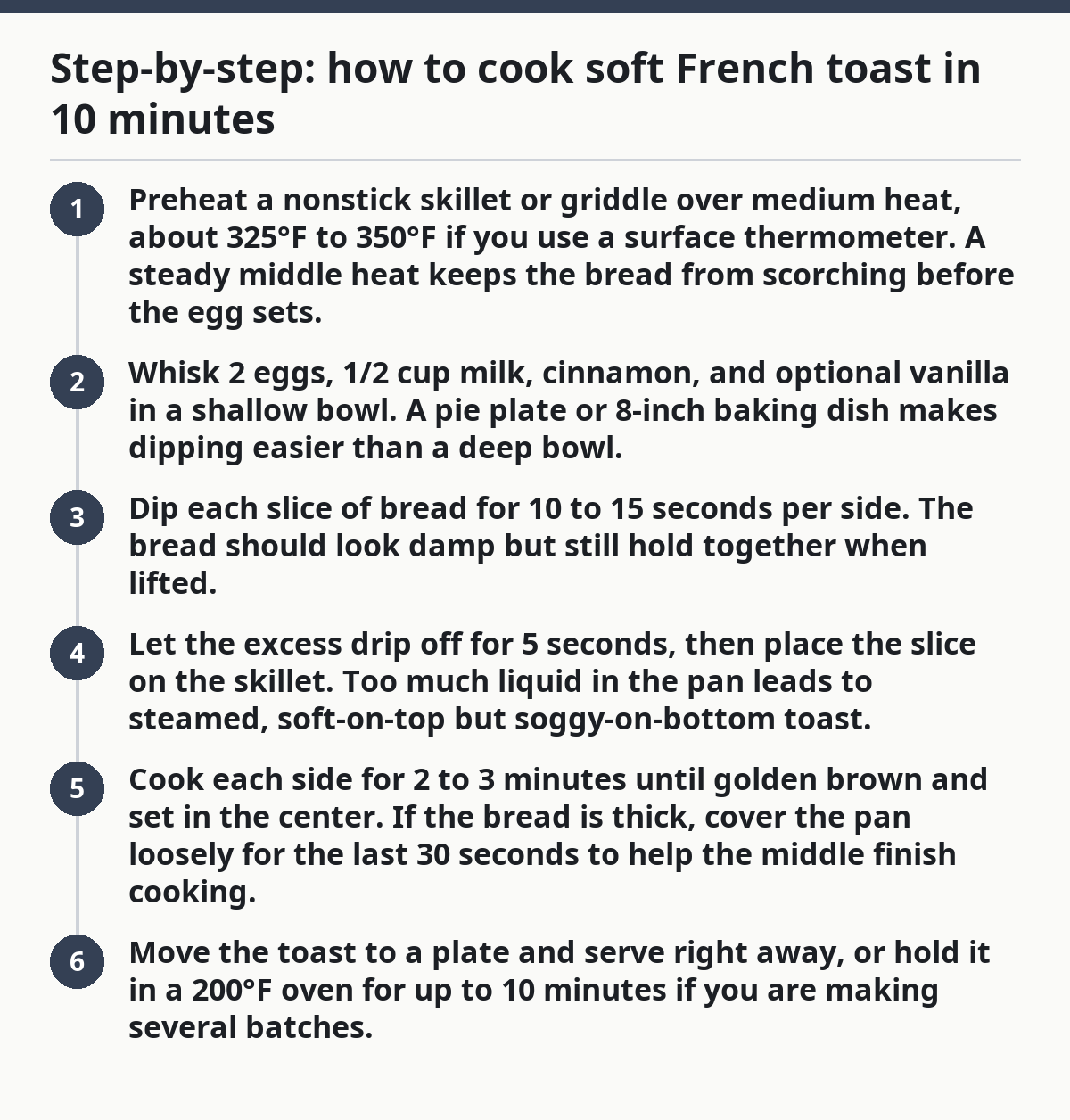
Step-by-step: how to cook soft French toast in 10 minutes
Soft French toast cooks best over medium heat for about 2 to 3 minutes per side, with enough butter or oil to keep the crust from drying out. The goal is a golden outside and a custardy center that is set, not wet.
- Preheat a nonstick skillet or griddle over medium heat, about 325°F to 350°F if you use a surface thermometer. A steady middle heat keeps the bread from scorching before the egg sets.
- Whisk 2 eggs, 1/2 cup milk, cinnamon, and optional vanilla in a shallow bowl. A pie plate or 8-inch baking dish makes dipping easier than a deep bowl.
- Dip each slice of bread for 10 to 15 seconds per side. The bread should look damp but still hold together when lifted.
- Let the excess drip off for 5 seconds, then place the slice on the skillet. Too much liquid in the pan leads to steamed, soft-on-top but soggy-on-bottom toast.
- Cook each side for 2 to 3 minutes until golden brown and set in the center. If the bread is thick, cover the pan loosely for the last 30 seconds to help the middle finish cooking.
- Move the toast to a plate and serve right away, or hold it in a 200°F oven for up to 10 minutes if you are making several batches.
For a softer bite, do not press the toast with a spatula. That squeezes out the custard you want to keep. If the first slice browns too fast, lower the heat by one notch. If it comes out pale after 3 minutes per side, raise the heat slightly or use a thinner slice next time.
This method works because it controls three things at once: soak time, heat, and thickness. If any one of those runs too far, the result shifts from tender to soggy or from soft to tough.
Which toppings keep French toast low in sodium and still flavorful?
Fresh fruit, unsweetened yogurt, and a light sprinkle of cinnamon keep French toast flavorful without relying on salty or sugary toppings. A few sliced strawberries, blueberries, or soft peaches give sweetness and moisture, while plain Greek yogurt adds a cool, creamy contrast that fits the dish well.
Good topping ideas include:
- 1/4 cup berries per serving
- 2 to 3 tablespoons plain Greek yogurt
- Thinly sliced banana
- Warm apples cooked with cinnamon
- Unsalted chopped walnuts, if chewing is not an issue
Greek yogurt is especially useful because it adds body without turning the breakfast into a syrupy pile. Choose plain, unsweetened yogurt so the sugar stays under control. If the senior eating it prefers a smoother texture, stir the yogurt with a teaspoon of milk until it loosens slightly.
Fruit pairings matter because they solve both taste and texture. Soft berries and ripe banana complement tender toast without requiring much chewing. Cooked apples can be even easier to manage than raw fruit, especially if they are simmered for 3 to 4 minutes with cinnamon until just soft. That keeps the breakfast gentle while still feeling complete.
The main thing to avoid is heavy syrup, salted butter, or sugary cream toppings. Those choices drown out the egg custard and make the meal less useful for a heart-conscious breakfast pattern. If you want a little sweetness, a drizzle of maple syrup is better than a pour, but fruit usually does the job with less sugar and more fiber.
Make-ahead French toast for busy mornings
French toast can be prepped ahead by mixing the batter for 24 hours, slicing the bread the night before, or cooking the slices in advance and reheating them in a 300°F oven for about 8 minutes. That makes it practical for mornings when standing at the stove is hard or when breakfast needs to be ready fast.
Three make-ahead routes work well:
- Batter only: Whisk the eggs, milk, and cinnamon the night before and refrigerate in a covered container. Stir again before dipping because the spices settle.
- Bread ready to go: Slice the bread and store it in a sealed bag or container so breakfast assembly takes less than 5 minutes.
- Cooked slices: Make a batch, cool it on a rack, then refrigerate. Reheat in a 300°F oven until warm through, usually 8 to 10 minutes.
The best make-ahead choice depends on the eater. If freshness matters most, prep the batter only. If morning energy is limited, cook the whole batch and reheat later. Reheated French toast will be a little less crisp, but it can still stay soft and pleasant if it is warmed on a baking sheet rather than microwaved into rubberiness.
This is not the right approach for someone who needs a very crisp exterior or wants every slice made to order. It is a convenience method, not a restaurant method. Still, for seniors who prefer routine and gentler mornings, having a ready batch can make a real difference.
Common mistakes that make French toast dry, soggy, or too hard
The biggest mistakes are using bread that is too thin, soaking it too long, and cooking over high heat. Each one changes the texture in a different way: thin bread tears, a long soak turns the center mushy, and high heat leaves the outside browned before the middle softens.
Here is what goes wrong and what to do instead:
- Bread that is too fresh or too thin: It falls apart in the pan. Use thicker slices, about 3/4 inch, or let the bread dry slightly first.
- Too much egg mixture: The toast turns wet and heavy. Dip briefly and let the extra liquid drip off before cooking.
- Heat that is too hot: The outside browns fast but the center stays underdone. Stay at medium heat and give each side the full 2 to 3 minutes.
- Too much syrup or butter on top: The breakfast becomes richer and less heart-friendly. Use fruit, yogurt, or a light drizzle instead.
The honest limitation is that French toast is still bread-based. It is softer than plain toast, but it is not ideal for every chewing problem, and it is not the answer if someone needs food that practically melts with no chewing at all. For that kind of need, a different breakfast format is usually a better choice.
Used well, though, French toast fills a useful gap: familiar, soft, warm, and easy to adapt without salt-heavy toppings or oversized portions.
FAQ
What bread is best for soft French toast?
The best bread is medium-thick and slightly sturdy, such as soft whole wheat, challah, or potato bread. It should absorb the egg mixture without collapsing, and slices about 3/4 inch to 1 inch thick usually give the best soft texture.
How do you make french toast lower in sodium?
French toast stays lower in sodium when you use plain bread, fresh eggs, unsalted butter or a small amount of oil, and toppings like fruit or plain Greek yogurt. Cinnamon, vanilla, and fruit give flavor without needing salted add-ins or packaged mixes. For ingredient guidance, see the American Heart Association’s sodium advice.
Can french toast be heart healthy for seniors?
Yes, French toast can fit a heart-healthy pattern when it is made with modest portions, low-fat milk, minimal added sugar, and fruit instead of heavy syrup. It is not the same as a vegetable-heavy breakfast, but it can be a practical, softer choice when prepared simply. For older adults, the NIA’s nutrition guidance is a useful reference.
Drafted with AI; not yet reviewed by a person.