Last updated: August 10, 2026
Quick Answer: How many soft vegetable side dishes should you plan per meal?
Plan on two to three soft vegetable side dishes for one meal. Usually, that’s enough. The best soft vegetable side dishes for seniors on a low-sodium diet stay tender without turning salty, bland, or hard to chew. Honestly, I’d steer a family caregiver toward vegetables that collapse easily, then add flavor with herbs, garlic, citrus, onion, vinegar, and a little healthy fat instead of salt. And if kidney disease, heart failure, swallowing trouble, or multiple medicines are part of the picture, speak with a qualified health professional about the person’s specific limits first.
Key Facts / Key Takeaways
- Soft is about texture; low-sodium is about seasoning and ingredients.
- A dish can be tender and still be high in sodium.
- A low-sodium side can still be unsafe if swallowing problems are present.
- Salt substitutes are not right for everyone; ask a clinician before using them.
- Fresh or frozen vegetables usually make sodium control easier than packaged mixes.
- Flavor can come from herbs, citrus, garlic, onion, vinegar, and olive oil.
- Soft vegetables are best cooked close to serving to avoid mushy texture.
I write about food and health with a practical bias. Real-world dinners matter to me more than neat theory; I care about what a person can serve tonight without making the meal harder to eat or riskier to manage.
The Real Difference Between “Soft” and “Low-Sodium”
Soft and low-sodium are not the same target, and that’s where a lot of meals go sideways. Soft refers to texture. Low-sodium is about seasoning and ingredients. A dish can be gentle enough for sore teeth and still be packed with salt. Or it can be low in sodium and so dry or fibrous that nobody wants the second bite.
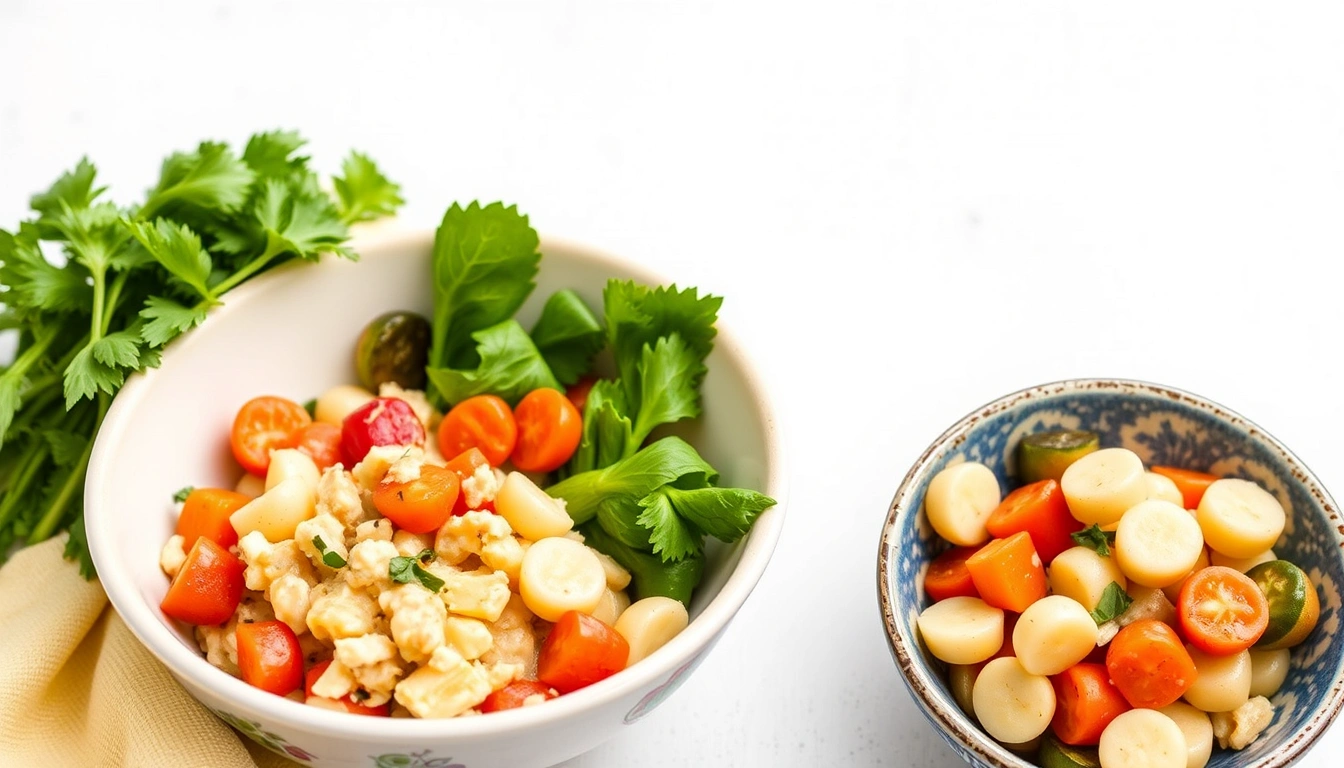
For seniors, the better dish usually does three things at once: it cooks until the vegetable yields easily to a fork, it avoids salty packaged flavorings, and it brings enough moisture that each bite feels easy to swallow. Steamed carrots with dill, mashed cauliflower with olive oil, or braised zucchini with tomatoes often work better than a raw salad, roasted Brussels sprouts with bacon, or a casserole built on soup mix. Simple. Not fancy.
The common mistake is treating “healthy” like it means “plain.” That route gets old fast. In low-sodium cooking, I’d rather see a generous hand with lemon zest, thyme, parsley, roasted garlic, or a mild sauce made from unsalted broth than a heavy-handed shake of salt substitute. Salt substitutes can help some people, but not everyone; people with certain kidney issues or medications should ask a clinician before using them. One review of sodium-related dietary management notes that individual medical conditions change what is appropriate, so a general article should not replace personalized advice. In that setting, a generic recipe can go from helpful to risky in a hurry.
My recommendation is straightforward: pick vegetables that soften well, then season with acid, herbs, and a little fat. That combination delivers more flavor than most readers expect, and it keeps the side dish usable for the person who actually has to eat it.
Soft Vegetable Side Dishes: Who Should Actually Use This (and Who Shouldn’t)
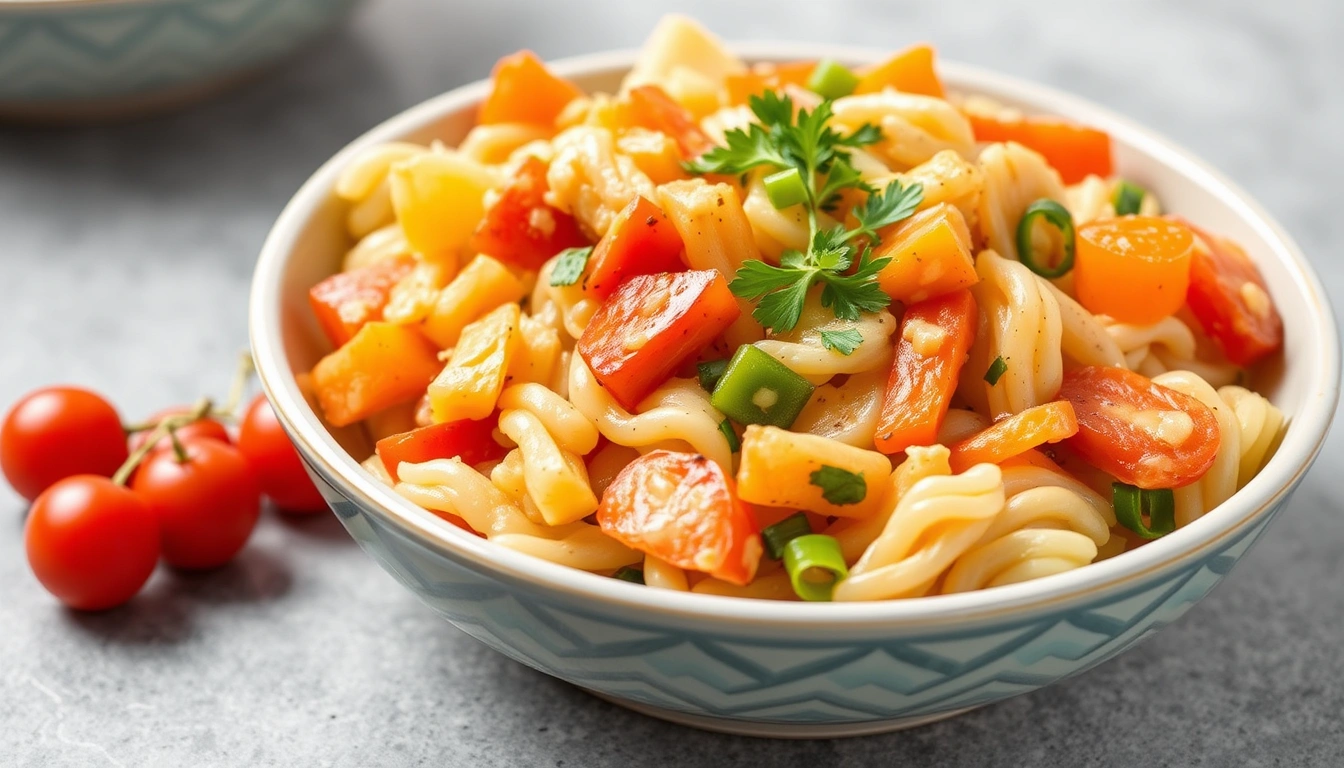
Soft vegetable sides work well for seniors who need food that is easy to chew, easy to swallow, and easy to keep interesting without leaning on salt. I’d choose this style for someone with dental problems, fatigue at mealtime, a reduced appetite, or a preference for foods that do not require much chewing. It also suits caregivers who need dependable sides made from inexpensive vegetables and reheated without much drama.
The upside is practical. Soft vegetables can sit beside fish, poultry, beans, eggs, or grain dishes without crowding the plate. They also soak up flavor well, which matters when sodium is off the table. Squash, carrots, spinach, green beans, cauliflower, beets, zucchini, eggplant, and sweet potatoes all have a shape-shifting quality when cooked gently; they become mashable, spoonable, or very tender with the right method.
But not every “soft” vegetable is actually easy for every senior. Stringy green beans, overcooked broccoli stems, and slippery mushrooms can still be awkward for some people. And if someone has swallowing problems, “soft” is not enough; texture level matters more than taste. A dish that looks harmless to one eater can be unsafe for another. That’s why I wouldn’t treat a general article like a medical plan. A qualified clinician or speech-language pathologist should guide texture decisions when swallowing is a concern.
Who should skip this approach? Someone who only likes crisp vegetables may find these dishes unsatisfying unless they’re using soft foods for a short period. People on strict fluid or potassium limits also need individualized guidance, since some soft vegetables are not the right fit for every medical situation. Low-sodium does not mean unlimited. Not even close.
The Specific Situations Where These Dishes Win
This approach wins when the meal has to solve more than one problem at once. I’d reach for soft vegetable sides when the main dish is already simple and the side needs to add color, moisture, and comfort without making chewing harder. Think baked fish with mashed cauliflower, roast chicken with glazed carrots, or a plain omelet with spinach cooked until tender.
The real strength here is control. You can make a vegetable soft without making it salty. That’s harder than it sounds because many common shortcuts are sodium-heavy: canned soups, seasoned bread crumbs, bouillon, soy sauce, and boxed mixes. Once those are gone, the cook has to use technique instead of convenience. Gentle steaming, simmering in unsalted broth, sautéing with onion, or finishing with lemon juice and herbs can keep the plate lively.
I also like these dishes for people whose appetite has become unpredictable. A soft vegetable that smells good and tastes familiar is easier to accept than a sharp, heavily seasoned side. Warm carrots with a little cinnamon, mashed peas with mint, or tender squash with nutmeg can feel more inviting than a cold vegetable platter. The trick is restraint. Too much spice can overwhelm; too little leaves the dish flat.
The weakness? Soft vegetables often collapse if overcooked. That may sound minor, but the difference between “tender” and “mushy” changes whether the person wants a second bite. Overcooking also strips away visual appeal. I wouldn’t use this style when the meal needs crunch, contrast, or a long hold time on the table. Soft vegetables are best made close to serving.
The Honest Side-by-Side
| Criteria | Soft vegetable side dishes | Other low-sodium side options | Winner for this condition |
|---|---|---|---|
| Chewing effort | Usually easier to chew and more forgiving | May include crisp, chewy, or dry textures | Soft vegetable sides for sore teeth or fatigue |
| Swallowing comfort | Can be adapted to spoonable textures | Many sides stay too firm or crumbly | Soft vegetable sides when swallowing is a concern |
| Sodium control | Easy to keep low if you cook from fresh or frozen vegetables | Often hidden sodium in sauces, mixes, and broths | Soft vegetable sides with simple ingredients |
| Flavor without salt | Accepts herbs, citrus, garlic, and olive oil well | Some sides rely more on salty seasoning blends | Soft vegetable sides for low-sodium cooking |
| Meal appeal | Comforting and familiar when cooked well | Can feel repetitive or dry | Soft vegetable sides for comfort meals |
| Risk of overcooking | Higher; texture can turn mushy quickly | Some sides are more forgiving | Other sides if the cook is distracted |
| Works with appetite loss | Often easier to eat in small portions | Large, dry, or heavy sides may be skipped | Soft vegetable sides for small appetites |
| Medical flexibility | Needs attention for kidney or swallowing issues | Also needs attention, but sometimes less texture-sensitive | Depends on the person’s clinical limits |
| Prep simplicity | Usually straightforward | Varies widely | Soft vegetable sides for quick home cooking |
The table points to a pretty clear pattern: soft vegetable sides are the better everyday choice when texture and sodium both matter. Their main weakness is not nutrition; it’s execution. Cook them carelessly, and they go limp and dull. Fixable, yes. But it takes attention.
Our Verdict: Which One to Choose and Why
Choose soft vegetable side dishes if the senior needs food that is easier to chew, easier to swallow, and easier to season without salt. Choose other low-sodium sides if the person still enjoys firmer textures and the meal needs more structure or contrast. Neither if swallowing problems are active, kidney restrictions are unclear, or the person has been told to follow a very specific nutrition plan without medical guidance.
My pick is soft vegetable sides for most seniors on a low-sodium diet because they solve the two biggest barriers at once: texture and taste. A bowl of tender carrots, mashed cauliflower, braised zucchini, or soft green beans can be comforting without relying on sodium. That matters when appetite is already fragile.
I would not pretend every vegetable belongs in this category. Asparagus can be stringy. Broccoli can get woody. Peas can be fine mashed but odd left whole for some eaters. The better move is to match the vegetable to the method. If it softens evenly, it belongs on the short list.
For flavor, I’d start with the basics: olive oil or a little butter, garlic, onion, lemon, pepper, dill, parsley, thyme, rosemary, or a splash of vinegar. Unsalted broth can help, but it’s easy to overuse and make the dish watery. There’s the trade-off. You gain control over sodium, but you lose the one-step convenience of salty packaged seasonings. To me, that’s a worthwhile swap in this category.
When to Reconsider This Choice Entirely
There are a few situations where I’d step back and rethink the whole plan.
Because swallowing difficulty changes the stakes, if the senior has swallowing difficulty, “soft” is not enough as a label. Texture changes may need to be more precise than a home cook can safely judge. A qualified clinician or speech-language pathologist is the right person to guide that.
Second, if the person has kidney disease or has been told to limit potassium or fluids, some of the vegetables that seem ideal on paper may not be the right choice. Spinach, potatoes, tomatoes, and certain other vegetables can be important to discuss individually. This is one of those cases where general advice can mislead.
Next, if the person strongly dislikes mushy textures, I would not force this category as a default. You can make low-sodium vegetables that stay a little more structured, such as tender-roasted green beans or just-softened carrots, as long as chewing remains comfortable. A meal that is technically perfect but emotionally unappealing still misses the mark.
Finally, if the low-sodium target is extremely strict, packaged “healthy” vegetable products may still be too salty. That includes some frozen sides, canned vegetables, and restaurant-style vegetables that look harmless. Rinsing canned vegetables can help in some cases, but it does not erase all sodium. Reading labels matters more than the front-of-package claims.
If I had to give one plain rule, it would be this: use soft vegetables when the goal is comfort plus sodium control, but stop and ask for tailored advice when medical restrictions are specific. That’s the line that keeps a helpful food choice from turning into a bad assumption.
Simple Ways to Make Them Taste Good Without Salt
If you want these sides to stay useful week after week, the seasoning has to do real work. I’d build flavor in layers. Start with an aromatic base like onion or garlic, cook the vegetable until tender, then finish with one bright note and one fresh herb. Lemon juice, vinegar, dill, parsley, basil, or chives can wake up a soft vegetable that would otherwise taste flat.
A few combinations are especially reliable. Carrots like dill, thyme, ginger, or orange zest. Cauliflower works well with garlic, pepper, parmesan-style flavor without much cheese, or a touch of nutmeg. Green beans are better with lemon and almonds, though the nuts should be used only if chewing is easy. Squash fits with sage, cinnamon, or a little brown sugar substitute if the person likes a sweeter side. Spinach works well with garlic and a light squeeze of lemon.
I’d be cautious with salt substitutes and heavy cheese sauces. Both can solve one problem and create another. Salt substitutes are not universally safe, and cheese sauces can become sodium traps. Cream is not automatically better either; it can make the dish richer but harder to digest for some people.
The simplest test I use in my head is this: if the seasoning makes the vegetable taste more like itself, it’s probably on the right track. If the seasoning covers everything up, the dish is probably trying too hard. For seniors, especially those on low sodium, the goal isn’t a perfect restaurant imitation. It’s a side dish the person will actually eat, comfortably and regularly.