Last updated: November 19, 2026
Quick answer: 5 breakfast options usually work best to start with for seniors who need softer textures—oatmeal, moist eggs, plain yogurt, cream of wheat, and a smoothie that matches the swallow plan. In this guide, Heart-healthy breakfast ideas for seniors with texture needs — The Complete Guide means choosing foods that are soft enough to manage, while still keeping fiber, protein, and lower sodium in the meal.
A heart-healthy breakfast for seniors with texture needs should be soft enough to chew or swallow safely, but still built around fiber, protein, and low-sodium foods that support cardiovascular health. The most useful options are usually moist, easy to eat, and flexible enough to fit a person’s chewing limits, denture fit, or swallowing plan.
What a heart-healthy breakfast for texture needs should do
A good breakfast for this situation should be soft, moist, nutrient-dense, and easy to swallow without relying on added salt, butter, or sugar. That means choosing foods that are gentle in the mouth and still cover the basics: whole grains or another fiber source, a protein food, and a fruit or vegetable if it fits the texture plan.
Texture matters because the wrong breakfast can be tiring, painful, or unsafe. Dry toast, flaky pastries, raw apple slices, and crumbly sausage are common troublemakers. For a senior with chewing trouble or dysphagia, those foods can increase the chance of coughing, pocketing food in the cheeks, or avoiding breakfast altogether. That is a nutrition problem as much as a comfort problem.
The heart-health part matters just as much. The American Heart Association recommends patterns that emphasize fruits, vegetables, whole grains, lean proteins, nuts, seeds, and low-fat dairy, while limiting sodium, saturated fat, and added sugars. A practical breakfast uses that pattern in a form the person can actually eat. You do not need a “perfect” meal; you need one the person will finish safely and repeatedly. The Heart-healthy breakfast ideas for seniors with texture needs approach works best when the food is realistic, not idealized.
A few good examples are oatmeal cooked soft with mashed berries, scrambled eggs made moist, Greek yogurt with very soft fruit, cottage cheese if tolerated, and smoothies thickened to the right level when swallowing guidance allows them. For some people, puréed foods are the right choice. For others, minced-and-moist or soft-and-bite-sized foods work better. The correct texture should come from a speech-language pathologist or dietitian when swallowing is involved.
A breakfast that checks both boxes is usually simple, not fancy. That is the point, and it is why Heart-healthy breakfast ideas for seniors with texture needs can stay practical at home.
How do I make breakfast safe if chewing or swallowing is hard?
A safe breakfast starts with the right texture level, then moves to moisture, portion size, and pace. If a senior has a swallowing diagnosis, the texture should match the care plan from a clinician, not a guess from the kitchen.
For texture needs, the first job is to avoid mixed textures that separate in the mouth, like cereal in milk, soup with floating chunks, or toast with runny jelly. Those combinations can be difficult for someone who has trouble coordinating chewing and swallowing. Foods should hold together or be smooth enough to swallow cleanly. Dry crumbs also matter; a muffin that flakes everywhere can be harder to manage than a moist oatmeal bowl even if both seem “soft.”
Because of that, moisture is the next tool. Add a spoonful of plain yogurt to oatmeal, soften scrambled eggs with a little milk or a sauce, or fold very finely chopped fruit into cottage cheese. A drizzle of unsweetened applesauce can help stabilize texture without adding much sodium. For savory breakfasts, moist mashed avocado on soft whole-grain bread may work for some people, but only if bread texture is appropriate and the person can handle it safely.
Portion size matters too. Large servings can overwhelm someone with fatigue, poor denture fit, or a slower swallow. A smaller plate with 3 or 4 planned components is often better than a big pile of food. A breakfast might include half a cup of oatmeal, one scrambled egg, and a few spoonfuls of soft fruit instead of a full diner-style plate. That smaller plate can also make Heart-healthy breakfast ideas for seniors with texture needs easier to finish.
The pace also matters. Sit upright, take one food at a time, and allow enough time to finish without rushing. If coughing, wet voice, or food residue keeps happening, the answer is not to “try harder.” The answer is to ask for a swallowing evaluation.
Heart-healthy breakfast ideas that work with soft or puréed textures
The best heart-healthy breakfast ideas for soft or puréed diets are oatmeal, egg dishes, yogurt bowls, blended smoothies, and carefully prepared grain bowls. Each one can be adjusted for texture without losing the nutrition profile that supports heart health.
1. Creamy oatmeal with soft fruit
Cook old-fashioned oats until very soft, then stir in ground flaxseed and a spoonful of unsweetened nut butter if allowed. Top with mashed berries, peeled stewed apples, or very soft banana. Oatmeal is useful because it is naturally soft and can be made even easier to chew. If sodium is a concern, avoid instant packets that come with flavoring and added salt.
2. Scrambled eggs with moisture
Scrambled eggs can be one of the most useful breakfast foods for seniors because they are naturally soft and bring protein without much sodium. Cook them gently, keep them moist, and avoid browning them into a rubbery texture. If cheese is added, use a small amount and choose a lower-sodium option when possible.
3. Greek yogurt with very soft fruit
Plain Greek yogurt gives protein and calcium, and it is easy to spoon through when swallowing is not a problem with smooth textures. Stir in mashed banana, pureed peaches, or applesauce. Choose plain yogurt instead of fruit-on-the-bottom versions, which often carry a lot of added sugar.
4. Smoothie with controlled thickness
A smoothie can be a good choice when swallowing guidance permits liquids of that thickness. Blend yogurt or milk with fruit, oats, peanut butter, or silken tofu for extra protein. The key is consistency: no ice chunks, no seeds, and no thin watery separation at the bottom.
5. Cottage cheese with soft fruit or mashed avocado
Cottage cheese works well for some seniors because it is soft and rich in protein. Texture tolerance varies, though, because the curds can bother some people. If it fits the plan, pair it with soft peaches, pears, or avocado for a satisfying, easy breakfast.
6. Cream of wheat or other hot cereal
Hot cereals can be easier to swallow than dry cereal and are easy to fortify with milk, cinnamon, or mashed fruit. Choose versions with no added sugar when possible and keep the texture smooth. This is especially helpful when a person wants a warm breakfast but cannot manage crunchy toppings.
7. Soft whole-grain French toast or oatmeal pancakes
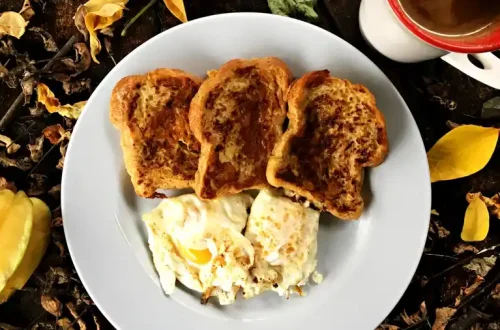
If bread is tolerated, French toast made from soft whole-grain bread can be easier than dry toast. Soak it well, cook it until tender, and serve it without crisp edges. Oatmeal pancakes can also work if they are moist and served with fruit puree instead of syrup.
These ideas are not all equally useful for every person. Yogurt is a poor choice if dairy upsets the stomach. Cottage cheese may be too textured for some swallowing plans. Smoothies are not safe for everyone, especially if a clinician has recommended a thicker or thinner liquid level than the blend produces. The right breakfast is the one that fits the person, not the trend. For that reason, Heart-healthy breakfast ideas for seniors with texture needs should always be matched to the individual.
What foods should I avoid at breakfast?
The breakfast foods to avoid are the ones that are dry, crumbly, sticky, stringy, or easy to choke on, especially if the person has chewing limits or swallowing trouble. That usually includes hard toast, dry cereal, bacon strips, sausages with tough casing, nuts, granola, raw apple chunks, and sticky pastries.
Dry foods are a common problem because they take more saliva and more chewing to manage. That can be hard for a senior with dry mouth, dentures, poor appetite, or a medication side effect that reduces saliva, so it is worth checking with a dentist, physician, speech-language pathologist, or dietitian if this keeps happening. Granola looks healthy, but it is often too crunchy and difficult to chew cleanly. A bran muffin can also be misleading: it sounds wholesome, but it may be dry and crumbly enough to become difficult to swallow.
Stringy or tough proteins are another issue. Bacon, ham with gristle, and sausages with a firm skin can be hard to break down in the mouth. If a person wants a savory breakfast, soft scrambled eggs or a tender egg casserole is usually a better fit. Very firm cheese can also be problematic unless it is grated fine or melted into a softer dish.
Sticky foods deserve special caution. Thick peanut butter by the spoonful, chewy dried fruit, and sticky bagels can cling to the roof of the mouth or the throat. For heart health, many of these foods also bring unnecessary sodium or saturated fat, especially processed breakfast meats and heavily salted cheese.
The goal is not to ban every food that is chewy. The goal is to notice whether a food keeps its shape, falls apart too soon, dries out in the mouth, or requires more effort than the person can manage safely. If a breakfast item causes coughing, fatigue, or leftover food in the mouth, it should be changed. That is why Heart-healthy breakfast ideas for seniors with texture needs need ongoing adjustment, not a one-time plan.
How can I keep breakfast heart-healthy without making it bland?
A heart-healthy breakfast can still taste good if it uses herbs, spices, fruit, and texture contrast that does not create swallowing problems. The trick is to add flavor without depending on salt, butter, or sugary toppings.
Cinnamon works well in oatmeal, cream of wheat, yogurt, and smoothies. Vanilla, nutmeg, and a little unsweetened cocoa can also add flavor without changing texture much. For savory dishes, use mild herbs such as chives, dill, or parsley in egg dishes or mashed avocado. A small amount of pepper may be fine for some people, but it should not irritate the mouth or throat.
Fruit is one of the easiest ways to improve flavor and nutrition at the same time. Mashed berries, stewed apples, peaches packed in juice, and ripe banana can all add sweetness and moisture without the salt load of many breakfast meats or packaged foods. If fruit texture is a problem, cook it down or puree it.
Healthy fats can improve both flavor and satisfaction, but portion size matters. A spoonful of ground flaxseed, chia gel, or smooth nut butter can enrich oatmeal or yogurt. For some people, a thin spread of avocado on soft bread is more manageable than butter-heavy toast. These foods bring calorie density that may help seniors who eat small portions, but they still need to fit the swallowing plan.
The biggest flavor mistake is trying to solve blandness with sugar or salt. Sweetened cereals, flavored yogurts, and packaged breakfast sandwiches often taste better at first, but they can work against heart-health goals. Better flavor usually comes from better preparation, not more seasoning, and that supports Heart-healthy breakfast ideas for seniors with texture needs without making them harder to eat.
A simple 7-day breakfast rotation for different texture needs
A practical 7-day rotation makes breakfast easier to repeat and easier to shop for, and it helps avoid falling back on pastries or processed meats. The meals below are examples, not a prescription, and each one should be adjusted to the person’s texture level and medical plan.
Day 1: Creamy oatmeal with mashed banana and cinnamon.
Day 2: Soft scrambled eggs with a spoonful of mashed avocado.
Day 3: Plain Greek yogurt with pureed peaches and ground flaxseed.
Day 4: Cream of wheat with soft berries or applesauce.
Day 5: Smoothie with yogurt, banana, and oats, blended until uniform.
Day 6: Cottage cheese with very soft pears or a fruit puree.
Day 7: Soft French toast made from whole-grain bread with fruit puree on top.
This kind of rotation works because it uses the same core foods in different forms. That makes shopping easier and reduces the chance that a senior gets stuck with one breakfast that is tolerated only once in a while. It also helps caregivers notice patterns. If oatmeal is always easy but yogurt causes coughing, the pattern becomes obvious after a few mornings.
The rotation can be simplified even further. A two-breakfast repeat is enough for many households: one sweet option and one savory option. That is often better than buying a dozen specialty products that sit in the fridge. The point is consistency, not novelty.
The main drawback of a routine like this is boredom, especially when the same texture appears day after day. Some seniors get tired of soft foods, especially if they have been on a texture-modified diet for a long time. The way around that is to vary flavor, temperature, and presentation. Warm oatmeal one day, chilled yogurt the next, and a savory egg dish later in the week can make the same texture level feel less repetitive. That small amount of variety can keep Heart-healthy breakfast ideas for seniors with texture needs usable over time.
What should a caregiver or family member check before serving breakfast?
A caregiver should check the prescribed texture, the person’s alertness, the mouth and denture fit, and the meal’s moisture before breakfast is served. That quick check is often more important than the recipe itself.
Start with the texture prescription if there is one. Many swallowing plans use terms such as puréed, minced and moist, or soft and bite-sized. Those terms are not interchangeable. A food that looks “soft enough” to one person may not meet the actual plan. If there is no formal swallowing plan but there are repeated choking episodes, a clinician should be involved rather than relying on trial and error.
Next, check the person’s state that morning. Fatigue, sleepiness, dry mouth, and medication timing can change swallowing performance. A breakfast that was fine yesterday may be harder today if the person is unusually tired or not fully alert. If the person is coughing before the first bite, that is a reason to pause and reassess.
Also look at the mouth. Loose dentures, sore spots, and missing teeth can change how a food should be prepared. Oatmeal may be fine, but a piece of soft toast may still be too hard if the denture fit is poor. Clean dentures and good oral hygiene matter because leftover food in the mouth can increase discomfort and make later swallowing harder.
Finally, prepare a calm eating setup. Upright posture, enough time, and a quiet table help. A rushed breakfast is a poor breakfast. For many seniors, 15 extra minutes at the table does more for safety than a more expensive ingredient ever will.
What are the best heart-healthy breakfast ideas for seniors with texture needs?
The best choices are soft oatmeal, moist eggs, plain yogurt with soft fruit, cream of wheat, and smoothies that match the swallow plan. Those foods are useful because they can be made heart-healthy without becoming hard, dry, or difficult to manage.
A good breakfast is not just “soft.” It has protein, fiber, and enough moisture to be eaten comfortably. Oatmeal and other hot cereals are often the easiest place to start because they are naturally soft and easy to flavor without salt. Eggs are helpful because they are filling and adaptable. Yogurt and soft fruit add protein and a different texture, while smoothies can work when liquid consistency is safe.
The foods to be most cautious with are dry toast, crunchy cereal, granola, nuts, sticky pastries, and breakfast meats with tough or salty processing. Those foods are often marketed as normal breakfast staples, but they are usually a poor fit for seniors with chewing or swallowing limits. They can also push sodium and saturated fat higher than they should be.
Not every senior needs the same solution. A person with missing teeth may need moist, soft foods but not a strict purée. A person with dysphagia may need a much more controlled texture. The right breakfast depends on the actual limitation, not on age alone. When in doubt, the safest move is to get guidance from a speech-language pathologist, dietitian, or physician familiar with swallowing and cardiac nutrition.
What if the senior has both low appetite and texture needs?
A senior with low appetite and texture needs usually does better with small, high-value breakfasts than with a full plate of food. The best approach is to reduce volume while keeping protein and calories concentrated in a form that is easy to eat.
That might mean half a cup of oatmeal fortified with milk and ground flaxseed instead of a large bowl. It might mean one soft egg, not two, plus a few spoonfuls of fruit. It may also mean serving breakfast later in the morning if appetite is poor early in the day. For some people, breakfast is more acceptable when it looks manageable rather than abundant.
Temperature can help with appetite. Some seniors eat better when the food is warm; others prefer chilled yogurt or a cold smoothie. Texture-friendly foods let you experiment without changing the nutritional structure too much. A person who resists dry hot cereal may accept a creamier, warmer version. Someone who ignores fruit at breakfast may eat it when it is stewed or pureed.
When appetite is very poor, liquid nutrition can be useful if it is safe for swallowing and approved by the care team. But liquid calories should not become an automatic substitute for balanced meals. Many commercially prepared nutrition drinks are higher in sugar than people realize, and some are not ideal for heart-health goals if used heavily. They can still have a place, especially for a person at risk of weight loss, but they should be chosen with a clinician when possible.
The hard truth is that a perfect cardiac diet does not help if the person cannot swallow enough of it. In that case, safety, intake, and comfort have to come first, with heart-health choices built inside those limits. That practical balance is central to Heart-healthy breakfast ideas for seniors with texture needs.
Key Takeaways
- Soft foods can still support heart health if they include protein, fiber, and limited sodium.
- Oatmeal, moist eggs, yogurt, cream of wheat, and controlled-thickness smoothies are often the easiest starting points.
- Dry, crumbly, sticky, and crunchy breakfast foods are usually the biggest problem for seniors with texture needs.
- The right texture depends on the person’s actual chewing or swallowing plan, not just on whether a food seems “soft.”
- A small, repeatable breakfast routine often works better than a complicated menu.
FAQ
What is the easiest heart-healthy breakfast for a senior with chewing problems?
Soft oatmeal is often the easiest place to start. It is gentle to chew, easy to flavor with cinnamon or fruit puree, and simple to make heart-healthy without added salt.
Can a senior with texture needs still eat eggs for breakfast?
Yes, if the eggs are cooked softly and moistened enough. Scrambled eggs are often a strong choice because they provide protein and can be kept tender instead of rubbery.
Are smoothies a good breakfast for heart health?
They can be, as long as the ingredients and thickness fit the person’s swallowing plan. Use unsweetened yogurt or milk, fruit, and optional oats or nut butter, and avoid adding a lot of sugar.
What breakfast foods are hardest for seniors with swallowing issues?
Dry toast, crunchy cereal, nuts, granola, sticky pastries, and processed breakfast meats are often the hardest. These foods can break apart, dry out, or require more chewing than a senior can safely manage.
Should I ask a doctor before changing breakfast textures?
Yes, if there is choking, coughing, wet voice, or a known swallowing diagnosis. A speech-language pathologist, dietitian, or physician can help match the meal texture to the person’s safety needs.
Drafted with AI; not yet reviewed by a person.