Last updated: November 19, 2026
Quick Answer: A good Heart-Healthy Breakfast Ideas for Seniors After Surgery plan can start with 3 parts: 1 protein, 1 soft carb, and 1 moist side. This guide shows what to put on the plate, what to skip, and how to build a breakfast that sits well when appetite is small.
Heart-healthy breakfast after surgery needs to be soft, low-salt, protein-forward, and easy to sip or swallow. For seniors recovering after surgery, this Heart-Healthy Breakfast Ideas for Seniors After Surgery approach keeps the meal simple, and it helps you decide what to eat without overloading the plate.
Start with the recovery goal, not the recipe
Picture this: you’re back home after surgery, you’re hungry but not very hungry, and the wrong breakfast can sit like a brick. The safest post-surgery breakfast is usually one that is gentle on digestion, gives protein, and does not overload you with salt or grease.
That sounds simple. It isn’t. After surgery, many seniors need food that is easy to tolerate at 7 a.m., not just food that sounds healthy in the abstract.
The best way to think about breakfast is by job, not by dish: protein helps rebuild tissue, fluid helps with dry mouth and breakfast meds, low sodium supports a heart-healthy pattern, and soft texture lowers chewing work and can feel easier on the stomach.
Here’s the catch: “heart-healthy” does not mean dry toast and nothing else. A plain plate can leave you weak by midmorning.
A better plate usually has one protein, one soft carb, and one moist side:
- Scrambled eggs with toast and applesauce
- Yogurt with soft fruit
- Cottage cheese with toast or fruit
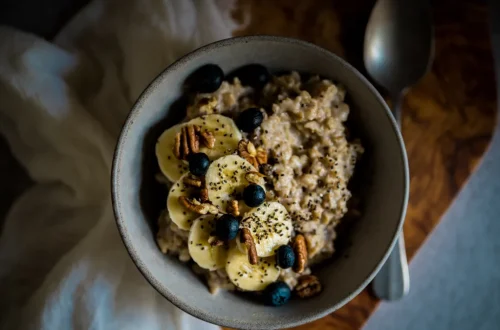
- Oatmeal with yogurt stirred in
For more broad planning, the hub on senior heart-healthy breakfast planning can help you build the rest of the day around this meal. The breakfast itself should still stay simple.
What makes a breakfast easy on the body after surgery?
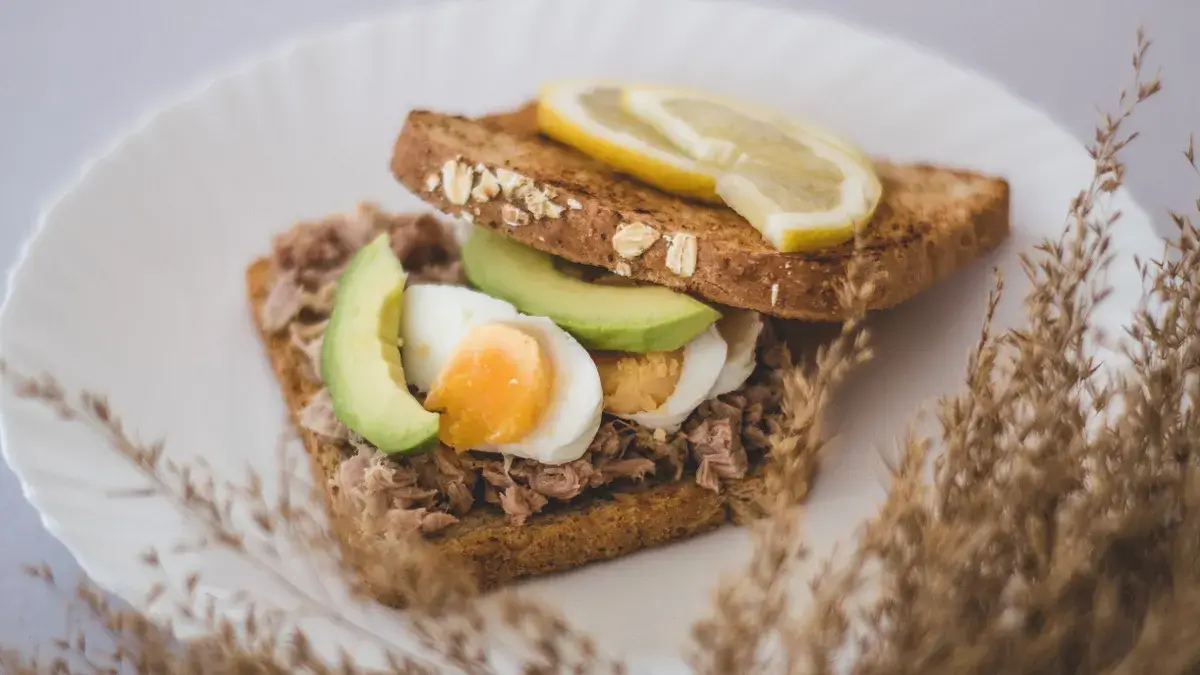
Picture this: you’re choosing food with a sore belly, dry mouth, or a low appetite, and every bite has to earn its place. The easiest breakfast after surgery is usually soft, moist, and modest in size, with no hard crusts, heavy spice, or greasy extras.
The body often handles small meals better in the first part of recovery. That is why a few spoonfuls of yogurt may go down better than a full plate of bacon, hash browns, and buttered toast.
A practical recovery breakfast usually follows these rules:
- Keep textures soft: yogurt, scrambled eggs, applesauce, cottage cheese.
- Choose foods that carry moisture: oatmeal, fruit cups in juice, soft toast with spread.
- Use gentle seasonings: mild herbs, cinnamon, a little vanilla.
- Keep portions small and repeatable.
That does not mean bland forever. It means predictable for now. If the stomach feels unsettled, a breakfast with fewer moving parts is easier to manage than a mixed casserole or a greasy sandwich.
Use these simple pairings:
- Scrambled eggs + toast + applesauce — a warm protein, a soft grain, and a smooth fruit.
- Yogurt + banana or peaches — cool, easy to swallow, and quick to serve.
- Cottage cheese + toast — soft protein with a familiar crunch from the bread.
- Oatmeal + yogurt — a bowl that can be loosened with milk or water if needed.
These options also keep the Heart-Healthy Breakfast Ideas for Seniors After Surgery pattern practical, because they are simple enough to repeat on a low-energy morning. None of them needs a long prep session when energy is low.
How do I build a heart-healthy post-surgery breakfast?
You build it in 3 parts: protein, soft carb, and a moist side. That structure gives the plate enough staying power without making breakfast feel heavy.
Picture this: you’re standing in the kitchen at a small counter, one eye on the clock and one eye on your appetite. A tidy breakfast plan keeps you from grabbing the first thing in the fridge.
Use this simple order:
-
Pick the protein first.
Choose scrambled eggs, yogurt, or cottage cheese. If the meal needs to feel warmer, eggs are usually the easiest fit. If cold food sounds better, yogurt or cottage cheese may work. -
Add a soft carb.
Toast, oatmeal, or a slice of soft bread gives the meal shape. A single slice is often enough at first. If chewing feels tiring, choose a softer toast or soak oatmeal until it is tender. -
Add a moist side.
Applesauce is useful because it is smooth and easy to portion. Soft fruit works too if it does not irritate the stomach. -
Add a drink at the table.
Water, milk, or a weakly flavored beverage can make the meal easier to finish. Sip slowly if the stomach feels touchy. -
Keep the plate small.
One small bowl and one small plate are often enough. A giant breakfast can look healthy and still be too much.
A few examples work well:
- 1 bowl of yogurt, 1 slice of toast, 1 small cup of applesauce
- 2 scrambled eggs, 1 slice of toast, water
- 1 small bowl of cottage cheese, soft fruit, tea or water
This is a good place to mention a trade-off: a very low-fat breakfast can be easier on the stomach, but if it has no protein, it may leave you hungry again too soon. The Heart-Healthy Breakfast Ideas for Seniors After Surgery approach works best when protein stays in the frame.
What should I choose for protein after surgery?
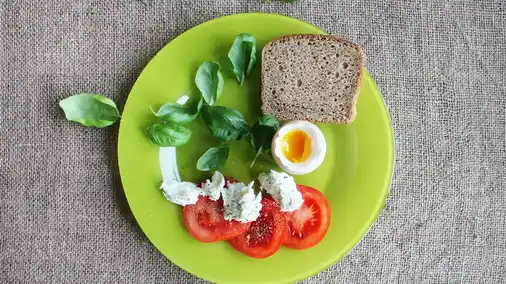
Choose easy-to-eat protein that does not come with a lot of salt or grease. For many seniors, that means scrambled eggs, yogurt, and cottage cheese before anything fancier.
Picture this: you want something that helps recovery, but you also want breakfast to feel calm, not like a restaurant order. Protein is the part of the meal that usually does the most work for that goal.
Here’s how the common options compare:
- Scrambled eggs: Warm, soft, and familiar. They are a strong choice when you want a savory breakfast. The downside is that eggs can turn rubbery if cooked too long, and extra butter or cheese can push the meal in the wrong direction for a heart-healthy plate.
- Yogurt: Quick, cool, and easy to swallow. It works well when appetite is low. The downside is that some cups are loaded with sugar, so plain or lightly sweetened yogurt is usually the cleaner fit.
- Cottage cheese: Soft and high in protein, with little chewing needed. The downside is sodium, which can be high in some brands, so the label matters.
- Toast with spread: Helpful as a side, but not enough by itself for recovery.
A plain egg breakfast can be a better match than a pastry, but it needs balance. A white slice of toast and applesauce can round out the plate without making it greasy.
A simple rule helps here: if the protein is the star, keep the rest of the plate quiet. Heavy sausage, salty bacon, and fried sides can crowd out the easier choices.
Which foods fit best when digestion is touchy?
Foods with soft texture and low grease fit best when digestion is touchy, especially in the first days after surgery. That means applesauce, yogurt, cottage cheese, toast, and gently cooked eggs tend to be safer bets than rich, crunchy, or spicy foods.
Picture this: you’re eating on a morning when your stomach feels a little off, and the goal is not “big breakfast.” The goal is “breakfast that stays down.”
Good choices usually include:
- Applesauce for a smooth side
- Yogurt for cool protein
- Cottage cheese for soft protein
- Toast for a dry, simple grain
- Scrambled eggs for a warm, mild main dish
Less helpful choices tend to be:
- Greasy sausage or bacon
- Hard, dry muffins
- Heavy cream sauces
- Very spicy potatoes
- Big servings of raw fruit with tough skins
The reason is simple. Right after surgery, the stomach often prefers plain, short ingredient lists. A bowl of oatmeal or a cup of yogurt is easier to manage than a pile of mixed food with lots of fat and salt.
If nausea is part of the picture, room-temperature foods may feel better than hot, strongly scented ones. If dry mouth is the issue, a moist breakfast beats a dry one every time.
One useful trick: keep the first breakfast of the day easy to finish. A half-serving that stays down is far better than a full plate that gets abandoned.
How can hydration fit into breakfast without making it messy?
Hydration fits into breakfast best as small sips with the meal, not a giant drink chugged all at once. That matters after surgery because some seniors feel full fast, and a huge drink can crowd out food.
Picture this: you’re at the kitchen table with a cup, a bowl, and a low appetite. The drink should help the meal go down, not replace it.
A few useful options:
- Water in a small glass
- Warm tea if it soothes the stomach
- Milk if it agrees with you
- Thin soup or broth only if it is part of the care plan
There’s a practical balance here. Too little fluid can make breakfast feel dry and uncomfortable. Too much fluid at once can make the stomach feel sloshy or bloated.
Use these habits:
- Take a few sips before eating if the mouth feels dry.
- Keep a drink within reach during the meal.
- Sip between bites rather than gulping.
- Stop if the stomach feels overly full.
If swallowing is hard, that is a different issue and needs medical attention. This article is about breakfast planning, not swallowing disorders.
A simple breakfast plate and a calm drink often work better together than either one alone.
A practical 1-day breakfast pattern for recovery
A practical recovery breakfast pattern gives you one repeatable plan you can use tomorrow morning without thinking hard. It should take about 10 minutes to put together if the ingredients are ready.
Picture this: you open the fridge half awake, and you need a meal that does not ask for effort. This is where a fixed pattern helps.
Use this template:
- Main protein: scrambled eggs, yogurt, or cottage cheese
- Soft side: toast or applesauce
- Drink: water, tea, or milk if tolerated
One example day:
- Morning: scrambled eggs, toast, applesauce, water
- Next morning: yogurt, soft fruit, toast, tea
- Another morning: cottage cheese, toast, applesauce, water
This kind of rotation keeps breakfast from getting dull without forcing a lot of cooking. It also helps when appetite changes from day to day.
A few mistakes are common:
- Making the meal too big
- Choosing salty meats because they are easy
- Relying on pastries, which fill you up fast but do little for recovery
- Skipping protein because it is easier to grab plain toast
Here’s the best rule on this page: if the meal feels like work, it is probably too complicated for early recovery.
For general planning beyond breakfast, the hub on senior heart-healthy breakfast planning is the next stop. This page stays focused on the post-surgery meal itself.
What breakfast foods are easiest after surgery?
The easiest breakfast foods after surgery are soft foods that need little chewing and sit lightly on the stomach. Yogurt, applesauce, scrambled eggs, toast, and cottage cheese are common examples because they are simple to portion and easy to finish.
If the stomach is sensitive, keep the meal small and plain. Avoid heavy grease and strong spice until eating feels normal again.
How much protein is helpful after surgery?
A helpful amount of protein after surgery is enough to make breakfast feel complete, not just light. For many seniors, that means including one clear protein source such as eggs, yogurt, or cottage cheese at the meal.
The right amount can vary with the surgery, appetite, and care plan. If the eating pattern is limited or the meal keeps getting skipped, a registered dietitian or clinician can help tailor the plan.
What should a senior avoid eating right after surgery?
A senior should avoid greasy, very salty, or hard-to-chew foods right after surgery if they upset the stomach or make breakfast too tiring. Bacon, sausage, fried potatoes, and pastry-heavy meals are common troublemakers.
If there is nausea, swelling, swallowing trouble, or a special post-op diet order, follow that care plan first. A simple breakfast is often the better choice until recovery settles down.
Key Takeaways
- A good post-surgery breakfast is soft, protein-forward, and easy to tolerate.
- Scrambled eggs, yogurt, applesauce, toast, and cottage cheese are practical starting points.
- Small portions work better than a big plate when appetite is low.
- Keep salt, grease, and heavy spice down while recovery is still fresh.
- A drink at breakfast helps, but small sips usually work better than a large glass.
For the best fit, build breakfast around what the stomach accepts first, not what sounds impressive on paper.
Drafted with AI; not yet reviewed by a person.