Last updated: November 19, 2026
Quick Answer: 1 simple rule works best for most older adults—build lunches around vegetables, beans, whole grains, fish, eggs, yogurt, nuts, and fruit, then keep snacks small, unsalted, and not sugary. Senior heart-healthy lunch and snack ideas are easiest to follow when they are low in sodium, high in fiber, and easy to chew, prepare, and portion. For readers comparing options in the Senior Heart-Healthy Lunch and Snack Ideas — The Complete Guide, the point is to make meals practical, not perfect.
What makes a lunch heart-healthy for older adults?
A heart-healthy lunch for seniors is one that keeps sodium, saturated fat, and added sugar low while still providing enough protein, fiber, and fluid to carry the body through the day. The American Heart Association’s general advice to limit sodium, choose unsaturated fats, and emphasize fruits, vegetables, and whole grains is the right framework here; the National Institute on Aging also stresses nutrient-dense foods as appetite can shrink with age.
That sounds broad, but the practical target is narrow: a lunch should be filling without being heavy. A plate built from one lean protein, one high-fiber starch, and two vegetable servings is easier on the cardiovascular system than a sandwich stacked with deli meat, cheese, and salty condiments. A bowl of lentil soup with whole-grain bread, for example, gives fiber and protein without the sodium load common in packaged meals. A salmon salad with olive oil and vinegar does the same, with the added benefit of omega-3 fats.
The mistake many people make is treating “heart healthy” as a single food rule, so it helps to look at the whole pattern and, when needed, consult a professional; the American Heart Association and National Institute on Aging both support that broader approach. A lunch can be low in saturated fat and still be poor for blood pressure if it is packed with sodium. It can be low in sodium and still fall short if it leaves an older adult hungry an hour later. That is why texture matters too: softer foods help when chewing is difficult, and moist foods are often easier to swallow for seniors with dry mouth or dental issues.
For readers who need a simple standard, I use three checks. First, the meal should look balanced, not meat-heavy. Second, it should not rely on packaged sauces or cured meats, so it helps to consult a professional if sodium needs are medically specific; the National Heart, Lung, and Blood Institute’s DASH eating pattern is useful here because it was built for blood-pressure control rather than short-term dieting. Third, it should be something a person could eat regularly, not a “special diet” lunch that gets abandoned after two days.
What should a senior heart-healthy lunch include?

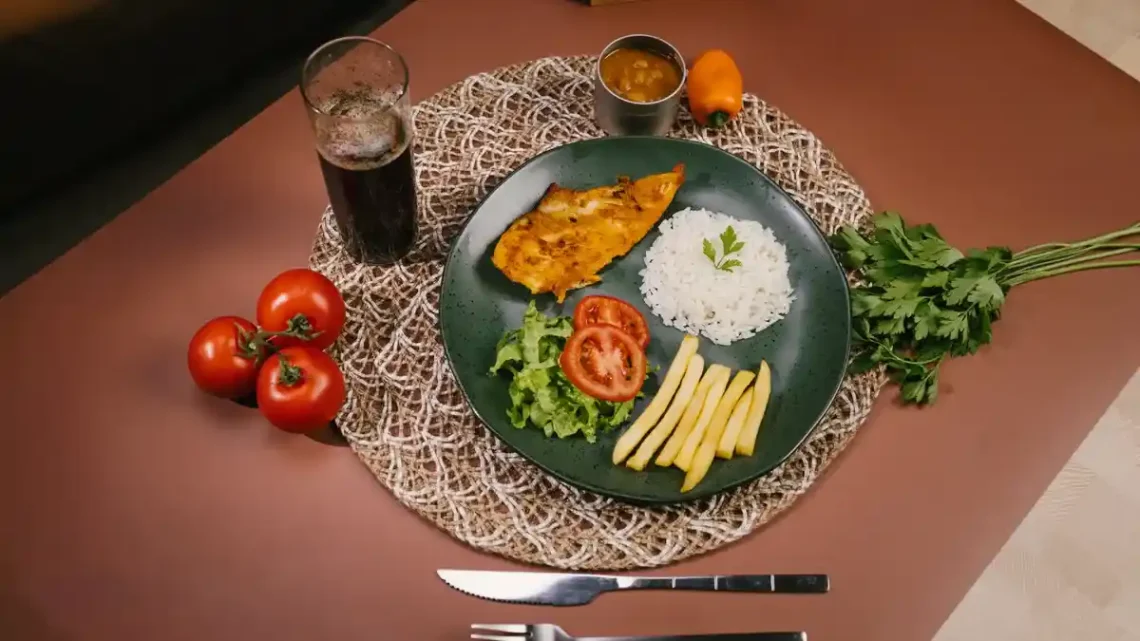
A senior heart-healthy lunch should include vegetables, a lean protein, a fiber-rich carbohydrate, and a source of unsaturated fat. That combination helps with satiety, blood sugar steadiness, and blood-pressure support without depending on large portions.
A useful way to build the meal is this:
- 1/2 plate non-starchy vegetables
- 1/4 plate protein
- 1/4 plate whole grains, starchy vegetables, or fruit
- 1 small serving of healthy fat
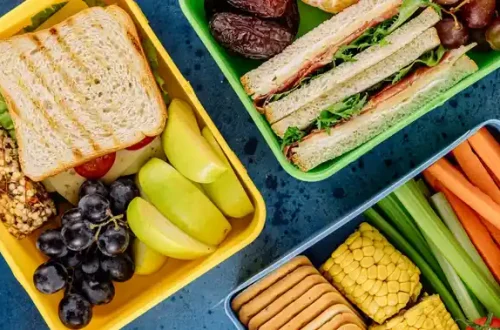
That model works because it is visual and repeatable. A senior does not need to count grams at every meal to make a better choice. A person who eats a turkey sandwich on white bread with chips and a pickle is getting a very different sodium profile than someone eating a tuna-and-bean salad with tomatoes, cucumber, and a slice of whole-grain bread.
Good proteins for lunch include skinless chicken, canned salmon or tuna packed in water, beans, lentils, tofu, eggs, and plain Greek yogurt used in dips or dressings. Good carbohydrates include brown rice, quinoa, oats, barley, whole-grain bread, sweet potato, and fruit. Good fats include olive oil, avocado, walnuts, almonds, and seeds. The problem foods are usually obvious: processed deli meats, bacon, sausage, fried foods, creamy sauces, and oversized portions of cheese.
This is also where portion size matters more than most generic articles admit. Older adults may need less total food than they did at 40, but they still need protein and micronutrients. A lunch that is too small can lead to afternoon fatigue and snacking on crackers, cookies, or other quick carbs. A lunch that is too large can feel uncomfortable and may crowd out later meals. The sweet spot is a meal that feels satisfying in 20 minutes and does not produce a salt-heavy aftertaste.
If appetite is poor, soften the texture instead of shrinking the nutrition. A bean soup, a yogurt bowl with nuts and berries, or a tuna salad served in lettuce cups can be easier to eat than a dry chicken breast. If chewing is difficult, cooked vegetables, ripe fruit, mashed avocado, and flaky fish are better choices than raw celery sticks and tough meat.
Senior heart-healthy lunch ideas that are practical, not fussy
Senior heart-healthy lunch ideas are most useful when they can be assembled in 10 to 15 minutes and do not require a long ingredient list. The best options usually use leftovers, pantry staples, and simple seasoning rather than specialized “diet” products.
-
Salmon salad bowl
Use canned salmon, mixed greens, cucumber, tomato, chickpeas, and olive oil with lemon. Salmon gives protein and omega-3 fats, while chickpeas add fiber. If sodium is a concern, choose low-sodium canned fish when available and rinse the chickpeas. -
Lentil vegetable soup with whole-grain toast
Lentils bring fiber and plant protein, and soup is often easier to chew and swallow. Make it with carrots, celery, onion, spinach, and no-salt-added broth if possible. This is a strong choice for someone with a small appetite because it hydrates as well as nourishes. -
Turkey and avocado wrap
Use a whole-grain tortilla, fresh turkey breast that is not highly processed, avocado, lettuce, tomato, and mustard. This can be heart-friendlier than a deli-meat sandwich, but the quality of the turkey matters. Heavily processed sliced turkey can still be sodium-dense. -
Bean-and-vegetable grain bowl
Combine brown rice or quinoa with black beans, roasted vegetables, and a spoon of plain yogurt or tahini sauce. This is especially helpful for readers who want meatless lunches without feeling hungry later. -
Egg salad on whole-grain bread
Use chopped egg with plain Greek yogurt or a small amount of olive-oil mayonnaise, plus celery or herbs. This is a better choice than an egg salad loaded with mayonnaise and served on white bread. For someone watching cholesterol, the overall pattern matters more than a single food, but the rest of the day should stay balanced. -
Tuna salad with apples and walnuts
Mix tuna with diced apple, celery, and a light dressing, then serve with whole-grain crackers or greens. The fruit adds crunch and a little sweetness without turning the meal into dessert. -
Vegetable omelet and fruit
Eggs can be a good lunch protein, especially for older adults who struggle to eat meat. Add spinach, mushrooms, peppers, and onions, then pair with a pear or orange.
A good rule: if the lunch tastes bland, that is not automatically a problem. Too much salt often makes food feel “better” than it is. Use herbs, pepper, garlic, onion, citrus, vinegar, dill, parsley, basil, and mustard before reaching for the salt shaker.
Which snacks support heart health without spoiling lunch?
Heart-healthy snacks for seniors are small portions of fiber, protein, or healthy fat that do not come packaged with lots of sodium or added sugar. The goal is to prevent energy crashes, not to create a second meal.
Strong snack choices include:
- A small handful of unsalted nuts
- Apple slices with peanut or almond butter
- Plain yogurt with berries
- Carrot sticks with hummus
- Cottage cheese if sodium is not an issue and the portion is modest
- Whole fruit, such as pears, oranges, berries, or kiwi
- Air-popped popcorn with no butter and light seasoning
- Half a sandwich on whole-grain bread with avocado or egg
- Unsalted seeds, such as pumpkin or sunflower seeds, in a small portion
The part many articles skip is the timing. A snack works best when it fills a gap, not when it follows lunch by 30 minutes out of habit. If lunch is complete and balanced, a snack may not be needed. If there is a long stretch until dinner, a planned snack can prevent overeating later. That matters for older adults with diabetes, blood-pressure concerns, or medications that affect appetite.
A snack should usually be small enough to fit in one hand or one small bowl. A large muffin, a bag of chips, or a “snack bar” with a long ingredient list can become a disguised dessert. If chewing is difficult, choose softer options like yogurt, banana, applesauce with no added sugar, hummus, or mashed avocado on toast.
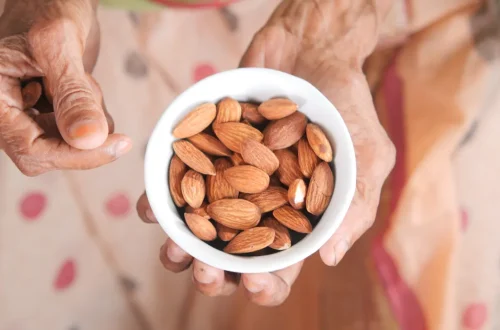
Nuts deserve a special mention. They are heart-friendly in small portions because they contain unsaturated fats, but they are calorie-dense. An honest trade-off is that a “healthy” nut snack can become too much food very quickly if it is poured from a large bag. Pre-portioning into small containers solves that problem.
What should seniors avoid at lunch and snack time?
Seniors should limit processed meats, salty packaged foods, deep-fried items, sugary drinks, and large portions of sweets if the goal is heart health. These foods are not banned, but they are poor default choices because they push sodium, saturated fat, or added sugar upward fast.
The usual lunch offenders are deli meat, bacon, sausage, ham, pizza, fried chicken, creamy pasta salads, and large restaurant sandwiches that can carry far more sodium than a home meal. Snack offenders include chips, pretzels, crackers eaten by the handful, pastries, candy, and sweetened yogurt cups that look healthy but act like dessert. Even some soups and frozen lunches marketed as “light” can be sodium-heavy.
This is where label reading matters. The exact numbers on a package matter more than the front-of-box claims. A product can say “made with whole grains” and still be high in sodium. It can say “low fat” and still contain added sugar. A senior trying to eat for blood pressure or cholesterol should check sodium per serving, saturated fat per serving, and whether the serving size is realistic. If a package says it contains two servings but the portion will be eaten all at once, the label must be read that way.
There is also a digestion trade-off. Some seniors do better with smaller, frequent meals; others do not. Grazing all day can make it too easy to keep eating crackers, sweets, or chips. For many readers, three structured meals with one planned snack is better than an all-day snack pattern. That is especially true if weight is stable and appetite is reasonably normal.
Who is this approach not for? A person with swallowing trouble, kidney disease, diabetes medication changes, or a recent cardiac event may need a more specific plan from a clinician or registered dietitian. This guide is for general heart-friendly eating, not for replacing medical nutrition advice.
How can seniors make these meals easier to prepare every day?
Seniors can make heart-healthy lunches and snacks easier by using repeatable ingredients, simple prep, and low-effort storage. Therefore, the most useful routine is usually the least complicated one.
A practical weekly setup might include:
- 2 proteins: cooked chicken, eggs, tuna, salmon, tofu, or beans
- 2 grains: brown rice, quinoa, whole-grain bread, or oats
- 4 vegetables: greens, tomatoes, cucumbers, carrots, peppers, or broccoli
- 2 fruits: apples, oranges, berries, pears, or bananas
- 2 snack proteins or fats: nuts, yogurt, hummus, or nut butter
That shopping pattern keeps decision fatigue low. A refrigerator with cooked grains, washed greens, and one ready protein makes lunch assembly almost automatic. Leftovers matter here too. Dinner can become tomorrow’s lunch if the cooking style stays moderate on salt and oil.
Some readers do better with simple assembly meals than with cooking. A plate of cottage cheese, tomato, whole-grain toast, and fruit can be a valid lunch. So can hummus, whole-grain pita, sliced cucumber, and a hard-boiled egg. The quality of the pattern matters more than whether the meal was “cooked.”
Small tools can help without turning the kitchen into a project. A sheet pan, a microwave-safe container, a salad spinner, and small storage containers for nuts and hummus are enough for most people. The limitation is obvious: if arthritis, tremor, or low energy makes chopping difficult, the plan should rely more on ready-to-eat produce, frozen vegetables, canned beans, and pre-cooked grains.
The most sustainable plan is not the most impressive one. It is the one that produces a decent lunch five days a week and a reasonable snack when needed. That consistency is what makes a heart-friendly pattern useful.
A simple 5-day lunch and snack plan
A 5-day plan helps because it turns good intentions into repeatable meals with specific ingredients and portions. The point is not variety for its own sake; it is reducing daily guesswork.
Day 1
Lunch: Salmon salad bowl with greens, chickpeas, cucumber, tomato, and whole-grain bread
Snack: Plain yogurt with berries
Day 2
Lunch: Lentil vegetable soup and a slice of whole-grain toast
Snack: Apple slices with peanut butter
Day 3
Lunch: Turkey and avocado wrap with lettuce and tomato
Snack: Unsalted nuts in a small portion
Day 4
Lunch: Bean-and-vegetable grain bowl with quinoa and roasted vegetables
Snack: Carrot sticks with hummus
Day 5
Lunch: Vegetable omelet with fruit and whole-grain toast
Snack: Air-popped popcorn
This kind of plan is useful because it shows the same principles in different forms: protein, fiber, produce, and controlled portions. It also keeps sodium-heavy convenience foods from becoming the default. If a person wants to eat the same lunch two or three days in a row, that is fine. Repetition is often easier than novelty, especially for older adults managing fatigue or mobility limits.
The weak point in any weekly plan is boredom. That is real. The answer is not to abandon the pattern, but to rotate seasonings, vegetables, and textures. Lemon one day, dill the next, balsamic vinegar the next. Swap chickpeas for lentils, spinach for romaine, apple for orange. Small changes keep the meals usable without changing the structure.
What is the most suitable heart-healthy lunch for a senior with a small appetite?
A suitable heart-healthy lunch for a senior with a small appetite is a nutrient-dense meal that is soft, moist, and easy to finish in one sitting. Soup, yogurt-based meals, eggs, fish, beans, and cooked vegetables usually work better than dry, bulky plates.
A small appetite changes the strategy. The goal is not to eat a lot of volume; it is to make every bite count. A bowl of lentil soup with soft vegetables, a piece of whole-grain toast, and fruit can offer more nutrition than a large plate of crackers and cheese. A smoothie made with plain yogurt, berries, spinach, and nut butter can also work, though it should not become a sugar drink in disguise.
Texture is a major issue that generic advice often misses. Many older adults do not avoid healthy meals because they dislike them; they avoid them because they are too dry, too tough, or too much work to chew. Soft-cooked vegetables, flaky fish, mashed beans, ripe fruit, and soups solve that problem better than raw salads with a pile of hard toppings.
There is also a practical limit to high-fiber meals. Fiber is valuable for heart health and digestion, but if a person is not used to it, a sudden jump can cause bloating. That is one reason to increase beans, vegetables, and whole grains gradually, with enough water. A good heart-healthy lunch should support the body, not overwhelm the gut.
The suitable choice is the one that fits the person in front of the plate. For one senior, that is salmon and vegetables. For another, it is soup and toast. For another, it is eggs and fruit. The heart-healthy standard stays the same; the form can change.
Key Takeaways
- A heart-healthy lunch for seniors should combine vegetables, lean protein, whole grains, and unsaturated fat in portions that are easy to manage.
- Snacks work best when they are small, unsalted, and built from fruit, nuts, yogurt, vegetables, or hummus.
- Sodium is a bigger problem than many people realize, even in foods that look healthy on the package.
- Soft, moist foods matter when chewing, swallowing, or appetite is an issue.
- The most useful meal plan is the one that can be repeated most days, not the one that sounds perfect on paper.
Is a sandwich heart-healthy enough for lunch?
Yes, a sandwich can be heart-healthy if it is built with the right bread, protein, and toppings. Whole-grain bread, less-processed protein, lots of vegetables, and a light spread are the parts that matter most.
A turkey sandwich on white bread with deli meat, cheese, and mayo is not the same as a whole-grain sandwich with egg, avocado, tomato, and greens. The difference is usually sodium, fiber, and fat quality. If the sandwich is paired with fruit or vegetables instead of chips, it is even better.
Are snacks necessary for every senior?
No, snacks are not necessary for every senior. Some older adults do well with three meals a day and no snack at all, while others need one small snack to prevent low energy or overeating at dinner.
The right answer depends on appetite, medication schedule, activity level, and whether the person is losing weight. A snack should solve a problem, not become routine by default. If lunch is balanced and dinner comes soon after, skipping the snack is often fine.
Can seniors still eat eggs and nuts if they are watching their heart?
Yes, seniors can usually eat eggs and nuts as part of a heart-healthy pattern. The important point is the whole diet, not a single food in isolation.
Eggs can fit well when they are not always paired with bacon or butter-heavy sides. Nuts are valuable because they contain unsaturated fats, but the portion should stay modest because they are calorie-dense. If there is kidney disease, cholesterol treatment, or another medical issue, a clinician or dietitian can give more specific guidance.
What is the easiest heart-healthy snack to keep on hand?
The easiest heart-healthy snack to keep on hand is a piece of fruit with a small portion of nuts or a spoonful of nut butter. It is simple, portable, and usually requires no cooking.
Plain yogurt, hummus with vegetables, or unsalted popcorn are also easy to keep available. The best option is the one that is ready before hunger becomes urgent, because urgent hunger tends to produce salty or sugary choices.
Drafted with AI; not yet reviewed by a person.