Last updated: November 19, 2026
Key Takeaways
- Build senior sandwiches with whole grains, lean protein, and a moist, low-sodium spread.
- Choose breads and wraps that stay soft and flexible after chilling.
- Combine lean protein, vegetables, and a light spread for better texture and balance.
- Seal in moisture, layer ingredients well, and wrap tightly for a 2- to 4-hour wait.
Heart-Healthy Sandwich and Wrap Ideas for Seniors work best when they are easy to chew, easy to pack, and built around whole grains, lean protein, vegetables, and low-sodium spreads. This guide explains how to keep the food soft, flavorful, and practical for everyday lunches, with choices that fit older adults who want something simple and heart-conscious. The Heart-Healthy Sandwich and Wrap Ideas for Seniors here focus on texture, portability, and sodium control.
What makes a sandwich heart-healthy for seniors?
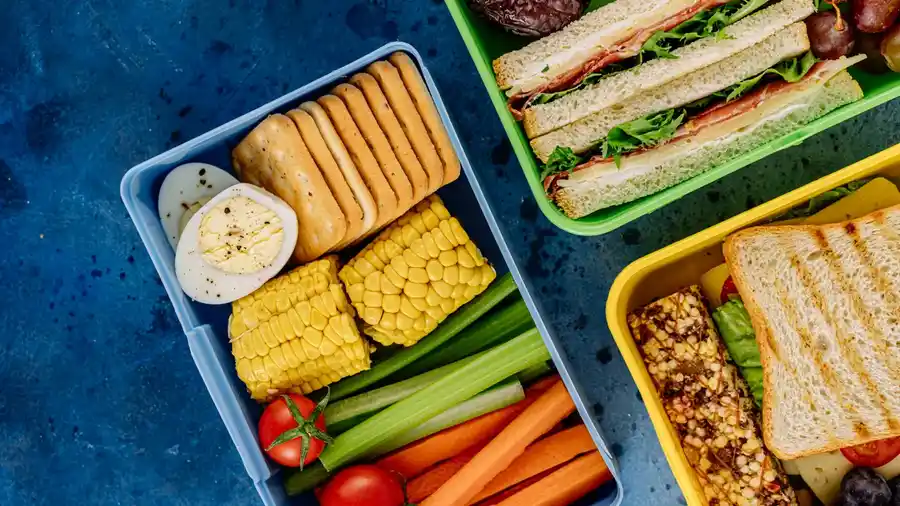
A heart-healthy sandwich for seniors starts with a whole-grain base, a lean filling, and a spread that adds moisture without loading on salt. That usually means whole-grain bread, a tortilla, or another soft wrap; turkey or chicken; and vegetables like lettuce and cucumber.
The pattern matters more than any single ingredient. A sandwich built on white bread, processed meat, and mayonnaise can be heavy on sodium and saturated fat even if it looks small. A better choice uses 2 slices of whole-grain bread or 1 medium tortilla, then fills the rest with produce and protein.
There is a trade-off, and it helps to say it plainly: the most heart-conscious sandwich is not always the easiest one to eat. Dense seeded bread can be nutritious but tough for some older adults. A very thin wrap may roll neatly but tear if it is overfilled. The sweet spot is soft enough for comfort, sturdy enough to hold together, and simple enough to make in 10 minutes.
For readers who want more lunch structure beyond sandwiches and wraps, the hub on Senior Heart-Healthy Lunch and Snack Ideas can sit alongside this page. This article stays focused on sandwich and wrap assembly, not the broader lunch plan.
A useful standard is to build each sandwich around three parts:
- Base: 1 sandwich thin, 2 slices of bread, or 1 tortilla.
- Protein: 2 to 3 ounces of turkey, chicken, or another lean option.
- Produce and spread: at least 1 to 2 layers of vegetables plus a moist spread.
That formula keeps portions reasonable without feeling skimpy. It also makes it easier to keep sodium under control, since the flavor comes from fresh vegetables, herbs, lemon, mustard, or yogurt rather than salty meats and sauces.
Which bread and wrap choices work best?
The most practical bread and wrap choices are soft whole grains, pliable tortillas, and other bases that do not crumble after refrigeration. For many seniors, that means whole-grain bread with a fine crumb, a spinach tortilla, or a plain whole-wheat wrap that bends without cracking.
I would start with the wrap or bread before I think about the filling. A dry, brittle base ruins the meal even when the inside is solid. If the person has trouble chewing, choose bread that is soft but not airy, such as standard sandwich bread labeled whole grain or whole wheat. If the person prefers wraps, look for tortillas that stay flexible at room temperature and after a short chill in the refrigerator.
Here are practical picks:
- Whole-grain bread: Good for classic sandwiches and easier portion control. Two slices are usually enough for one lunch.
- Tortillas: Good for wrap-style lunches and easy rolling. One 8- to 10-inch tortilla is a common lunch size.
- Thin sandwich bread: Useful when the goal is less bulk, especially if a thicker loaf feels too heavy.
- Soft flatbread: A workable option when a wrap needs a sturdier shell.
The main mistake is choosing bread by fiber alone. Very seedy loaves can be a poor fit if chewing is difficult, and some “healthy” wraps are large enough to hide a lot of filling. That can turn lunch into a calorie-heavy meal without making it more nourishing.
A practical test is simple: bend the bread or tortilla slightly before filling it. If it cracks, flakes, or feels stiff, it is not the right choice for an easy lunch. If it folds without tearing and does not collapse under a moderate filling, it is a good candidate.
For people who need softer chewing, lightly warming the tortilla for about 10 to 15 seconds can make it easier to roll. Bread does not need to be toasted unless the person prefers it, because toasted edges often dry out by lunchtime.
Heart-healthy sandwich and wrap fillings that stay satisfying
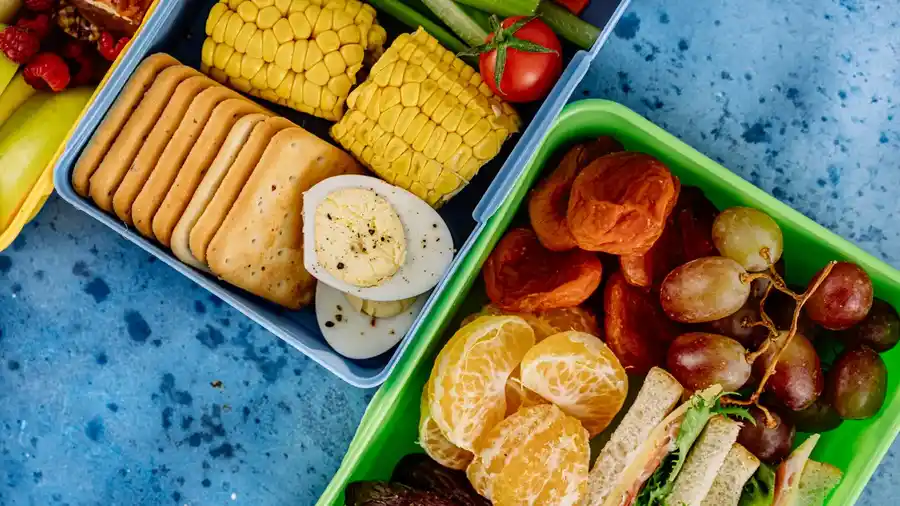
Heart-healthy sandwich and wrap fillings should combine lean protein, crisp vegetables, and a spread that adds moisture, such as Greek yogurt spread or avocado. Turkey, chicken, lettuce, and cucumber are all strong building blocks because they bring protein and freshness without much salt when chosen carefully.
A good filling is not just “low sodium.” It should also hold texture after sitting for 2 to 4 hours in a lunch bag or refrigerator. That is why dry tuna salad clones and over-sauced fillings often disappoint. The goal is flavor plus structure.
Use this pattern:
- Protein: sliced turkey, leftover chicken, or chopped chicken salad made with yogurt instead of heavy mayonnaise.
- Crunch and freshness: lettuce, cucumber, tomato slices, shredded carrot, or thin bell pepper strips.
- Moisture: Greek yogurt spread, mashed avocado, or a thin layer of hummus if sodium is acceptable for the person.
- Flavor: black pepper, dill, basil, lemon juice, or a light mustard.
Three combinations work especially well:
- Turkey, lettuce, cucumber, and yogurt spread on whole-grain bread.
- Chicken, avocado, and lettuce in a tortilla with a squeeze of lemon.
- Turkey, cucumber, and tomato with a thin mustard layer on soft whole-wheat bread.
Avoid piling on multiple salty ingredients at once. Turkey plus cheese plus pickles plus bottled dressing can add up fast. A little cheese can fit into a heart-conscious lunch, but it should not crowd out the vegetables or become the main flavor.
This is the place where many generic lunch lists go wrong, so it is worth checking ingredient labels and, when medical conditions are involved, consulting a clinician or dietitian for guidance. A sandwich can look modest and still be a salty meal if the base is oversized, the meat is heavily processed, or the spread is loaded with sodium. The USDA’s Dietary Guidelines for Americans also emphasize limiting sodium and choosing nutrient-dense foods.
If the person eats slowly, keep wet vegetables away from the bread until just before serving. Tomato slices, for example, are useful but can soften the bread quickly. Put them between lettuce layers or pack them separately if the lunch will sit for a while.
How do you keep sandwiches from drying out?
You keep sandwiches from drying out by sealing the bread with a spread, layering moist ingredients against drier ones, and wrapping the sandwich tightly for a 2- to 4-hour wait. A thin barrier of Greek yogurt spread, avocado, or mustard can do more for texture than extra meat or cheese.
The most common cause of a dry sandwich is not the bread itself. It is poor layering. Bread touches dry protein, then sits in the air, and the sandwich feels stale by lunch. A smarter build protects the bread from direct contact with dry ingredients.
Use this order:
- Spread first. Put Greek yogurt spread, mashed avocado, or a thin mustard layer on both slices of bread or on the tortilla.
- Add greens next. Lettuce or spinach can act like a moisture barrier.
- Place protein in the middle. Turkey or chicken goes between the vegetables.
- Add wetter vegetables last. Cucumber, tomato, or sliced peppers go inside the leafy layer, not directly on the bread.
- Wrap tight. Use parchment, foil, or a reusable sandwich wrap so the sandwich stays compact.
A few extra tricks help:
- Pack tomatoes separately if the sandwich will sit for hours.
- Use sliced avocado close to the center, not directly against a moist wrap that may soften.
- If using bread, choose slices that are not too thick. Thick bread can taste dry faster.
- For wraps, do not overfill. An overloaded tortilla splits along the seam and leaves the filling exposed.
The trade-off is that moisture and crunch compete. More juicy vegetables mean better flavor, but also a greater chance of sogginess. That is why lettuce is doing so much work here: it adds freshness, gives structure, and protects the bread.
A senior-friendly lunch bag should also be simple. A cold pack and an insulated bag can keep the sandwich in better shape for several hours. That is practical food safety, not fussiness, and it matters when lunch is packed in the morning and eaten later in the day.
Simple portable lunch ideas you can actually pack
The most useful portable lunch ideas are the ones that can be assembled in 5 to 10 minutes and still taste good after sitting in a lunch bag. A turkey wrap, chicken sandwich, or avocado-and-vegetable roll-up is usually easier to manage than a stacked deli-style sandwich.
Portability matters because seniors often need a lunch that travels well without falling apart. That means fewer loose fillings, fewer drippy sauces, and a shape that can be held in one hand if needed.
A few reliable ideas:
- Turkey lettuce-cucumber sandwich: Use 2 slices of whole-grain bread, turkey slices, cucumber rounds, and a thin yogurt spread.
- Chicken avocado wrap: Place chicken, avocado, and lettuce in a tortilla, then roll tightly and cut once on a diagonal.
- Turkey and tomato wrap: Use a tortilla, mustard, turkey, lettuce, and thin tomato slices tucked behind the greens.
- Chicken salad sandwich with Greek yogurt: Mix chopped chicken with Greek yogurt, celery if desired, and pepper; spread lightly on whole-grain bread.
- Lettuce-heavy veggie wrap with turkey: Keep the filling modest so the wrap stays closed and easy to bite through.
For packing, a few measurements help:
- Keep the sandwich to 1 wrap or 2 slices of bread.
- Aim for 2 to 3 ounces of protein.
- Use 1 to 2 cups of vegetables if the sandwich can hold it without becoming bulky.
- Chill packed lunches in an insulated bag with a cold pack for roughly 2 to 4 hours before eating if refrigeration is not available.
One thing I would avoid is making the wrap so large that the first bite becomes awkward. Oversized tortillas are common, but they can be hard to handle and too filling for some older adults. A smaller wrap that stays neat is often the better lunch.
If chewing is a concern, cut the sandwich into halves or quarters. Smaller pieces are easier to manage and less likely to pull apart. That small step often makes the difference between a lunch that gets eaten and one that gets set aside.
Common mistakes that make a healthy sandwich less healthy
The biggest mistakes are using too much sodium, choosing bread that is too dry, and treating “healthy” add-ons like a free pass for oversized portions. Those habits can turn a decent lunch into a meal that is heavy, bland, or hard to eat.
The first mistake is relying on processed meats as the main protein. Even when turkey or chicken appears on the label, deli-style versions can be much saltier than simple roasted slices. The fix is to choose less processed turkey or chicken when possible and use herbs, mustard, or yogurt for flavor.
The second mistake is overloading the sandwich with cheese and salty condiments. Cheese can be part of a heart-conscious lunch, but it should stay in the supporting role. A sandwich with cheese, pickles, olives, and salty dressing can become sodium-heavy very quickly.
The third mistake is forgetting texture. A sandwich that is too wet falls apart; one that is too dry feels hard to chew. The answer is balance, not excess. Lettuce, cucumber, and yogurt spread can handle a lot of that job if they are layered well.
The fourth mistake is skipping the bread choice entirely and assuming all wraps are equal. They are not. Some tortillas are thin and flexible, while others are large, dense, and easy to overfill. A good wrap should be sturdy enough for the filling but still soft enough to roll without cracking.
This is also where the wrong food philosophy shows up. A heart-healthy sandwich is not a “diet” sandwich. It should be filling, flavorful, and manageable for the person eating it. If it is so bare that it feels punishing, the plan will not last more than a few lunches.
When a sandwich needs to be very low in sodium for a medical reason, it is sensible to ask a clinician or dietitian for guidance on the person’s broader meal plan. That is especially useful if there are also kidney, blood pressure, or swallowing concerns.
Heart-Healthy Sandwich and Wrap Ideas for Seniors that work week after week
The most dependable sandwich and wrap ideas are the ones that use the same small set of ingredients in different combinations. If the pantry has whole-grain bread, tortillas, turkey, chicken, avocado, lettuce, cucumber, and Greek yogurt spread, lunch can stay varied without becoming complicated.
A few weekly combinations make planning easier:
- Monday: turkey, lettuce, cucumber, yogurt spread, whole-grain bread
- Tuesday: chicken, avocado, lettuce, tortilla
- Wednesday: turkey, tomato, mustard, soft whole-wheat bread
- Thursday: chicken salad made with Greek yogurt in a wrap
- Friday: turkey and cucumber with lettuce in a tortilla
That rotation works because it balances comfort with variety. The bread changes, the protein changes, and the vegetables change, but the method stays the same. That is exactly what most seniors need: not a recipe project, just a lunch that is easy to repeat.
A final judgment call: these ideas are not ideal for someone who dislikes soft sandwiches, needs a very high-protein meal, or has trouble chewing even tender bread. In that case, the texture should be adjusted first, not the heart-healthy goal. Soft bread, smaller portions, and moist fillings are the right starting point.
The safest way to think about this lunch is simple. Build around whole grains, lean protein, and vegetables; keep the sodium low; and protect the bread from drying out. Do that, and the sandwich or wrap becomes a lunch that is practical, satisfying, and easy to keep in regular rotation.
What makes a sandwich heart-healthy for seniors?
A heart-healthy sandwich for seniors uses whole grains, lean protein, vegetables, and a low-sodium spread. It avoids heavy processed meats, oversized portions, and salty condiments that can push the meal in the wrong direction. Texture matters too, because a sandwich that is too dry or too tough is less likely to be eaten.
Drafted with AI; not yet reviewed by a person.