Last updated: November 19, 2026
Quick answer: Heart-Healthy Egg White Breakfast Ideas for Seniors work well as a lighter, high-protein breakfast, and a practical serving is 3 to 4 egg whites cooked with vegetables and 1 teaspoon of olive oil. They can fit a heart-conscious morning routine without the extra saturated fat that comes with whole eggs or heavy add-ins. The best versions stay soft, use lower-sodium fillings, and pair egg whites with vegetables like spinach, mushrooms, bell peppers, and tomatoes.
Key takeaways
- Egg whites give you a lean breakfast base that works well with vegetables and small amounts of low-sodium cheese.
- Lower to medium heat, a short cook time, and gentle stirring or folding often help egg whites stay softer.
- Spinach, mushrooms, bell peppers, and tomatoes add volume, color, and flavor without relying on salt.
- Olive oil helps keep egg whites from sticking, but 1 teaspoon is usually enough for a single pan.
- Seniors who need chewing support may still need a softer recipe than a standard scramble, so texture matters as much as ingredients.
What makes egg white breakfast dishes heart-healthy for seniors?
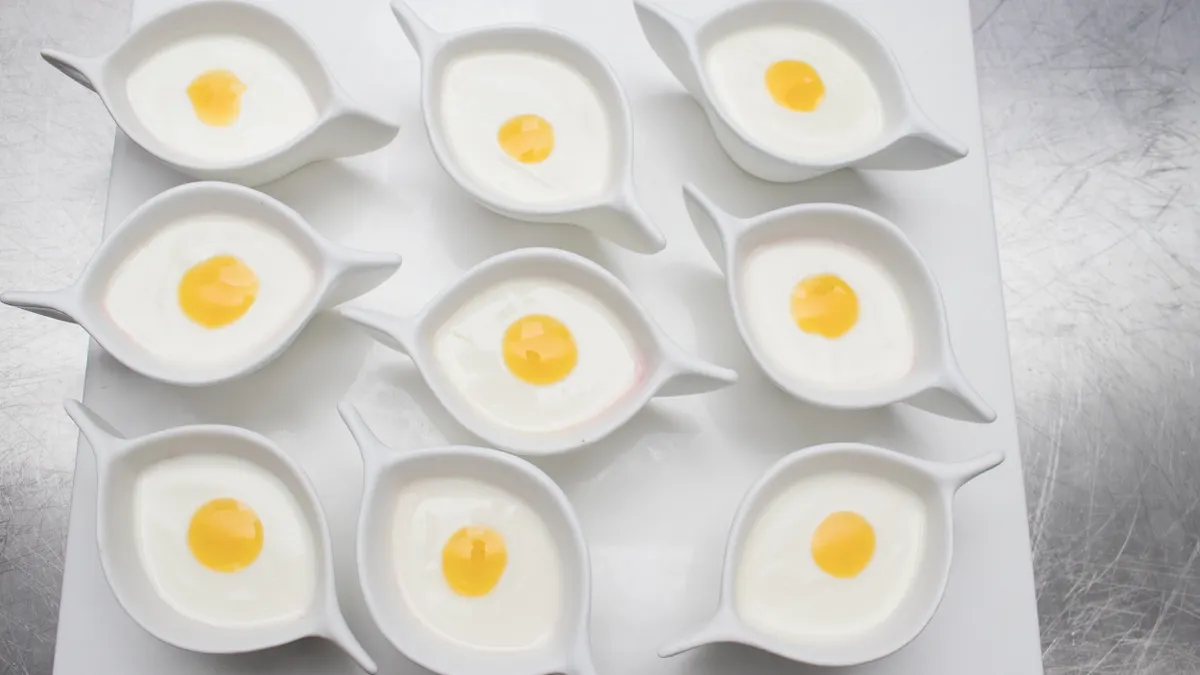
Egg white breakfast dishes can be heart-healthy for seniors because they are naturally low in fat and easy to build around vegetables, herbs, and small amounts of cheese. For seniors watching sodium, cholesterol intake, or overall heaviness at breakfast, egg whites create a lighter base than many sausage, bacon, or butter-heavy morning plates.
According to the American Heart Association, replacing foods higher in saturated fat with leaner choices is one practical way to support heart health, and egg whites fit that pattern well. The point is not to make egg whites bland. The point is to use them as a carrier for foods that support a heart-conscious meal: spinach, mushrooms, bell peppers, tomatoes, and a modest amount of low-sodium cheese. That combination gives color, moisture, and flavor without turning breakfast into a salt bomb.
A practical serving often starts with 3 to 4 egg whites, cooked in a small skillet with 1 teaspoon olive oil. That portion gives enough structure for a breakfast plate without becoming oversized. If appetite is small, the same mixture can be cooked into a thinner omelet or a softer scramble and served with fruit or whole-grain toast.
This is not the right choice for someone who needs very soft, almost custard-like textures all the time. Egg whites can turn rubbery if they are overcooked, and that matters more for seniors with dry mouth, dental issues, or trouble chewing. For those readers, the cooking method is the difference between a breakfast they will eat and one they will avoid.
For a broader morning plan, the hub on Senior Heart-Healthy Breakfast Planning can help with how egg white dishes fit alongside oats, fruit, and other breakfast staples.
Egg white scrambles that stay soft and satisfying
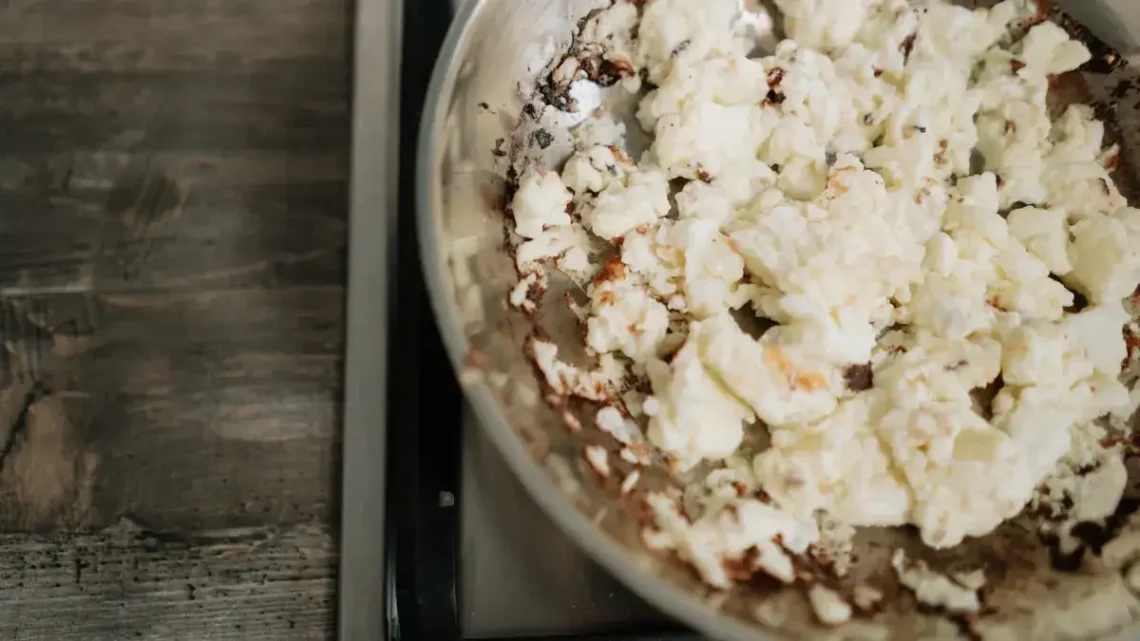
Egg white scrambles stay soft when you use low heat, stop cooking early, and add vegetables that release moisture. A dry scramble is the most common failure, and it is easy to avoid.
Start with 3 egg whites in a bowl. Add a pinch of black pepper, chopped spinach, sliced mushrooms, or diced bell peppers. Heat a nonstick skillet over medium-low heat with 1 teaspoon olive oil. Pour in the egg whites and stir slowly with a silicone spatula for 2 to 3 minutes, pulling the eggs from the edges toward the center. The eggs should look just set but still glossy when you turn off the heat.
A better scramble for seniors often includes vegetables already softened in the pan. Mushrooms take well to a 3- to 4-minute sauté before the egg whites go in. Bell peppers can be diced small so they soften faster. Spinach wilts in under a minute, so it is useful when you want color without extra cooking time.
Use a small amount of low-sodium cheese if you want more flavor. About 1 tablespoon of crumbled feta-style cheese or shredded low-sodium cheddar is enough for one serving. More than that can crowd out the vegetables and push the sodium higher than necessary.
The trade-off is texture versus speed. Lower to medium heat gives a slower breakfast, but it usually leaves egg whites softer. Higher heat can make breakfast faster, but it often firms up the whites more quickly. If breakfast needs to be ready in under 5 minutes, keep the vegetable mix cooked ahead and add the egg whites last.
For another simple option, the same heart-healthy breakfast planning approach can help you decide when to use a scramble instead of oatmeal or yogurt.
How do I make an egg white omelet without drying it out?
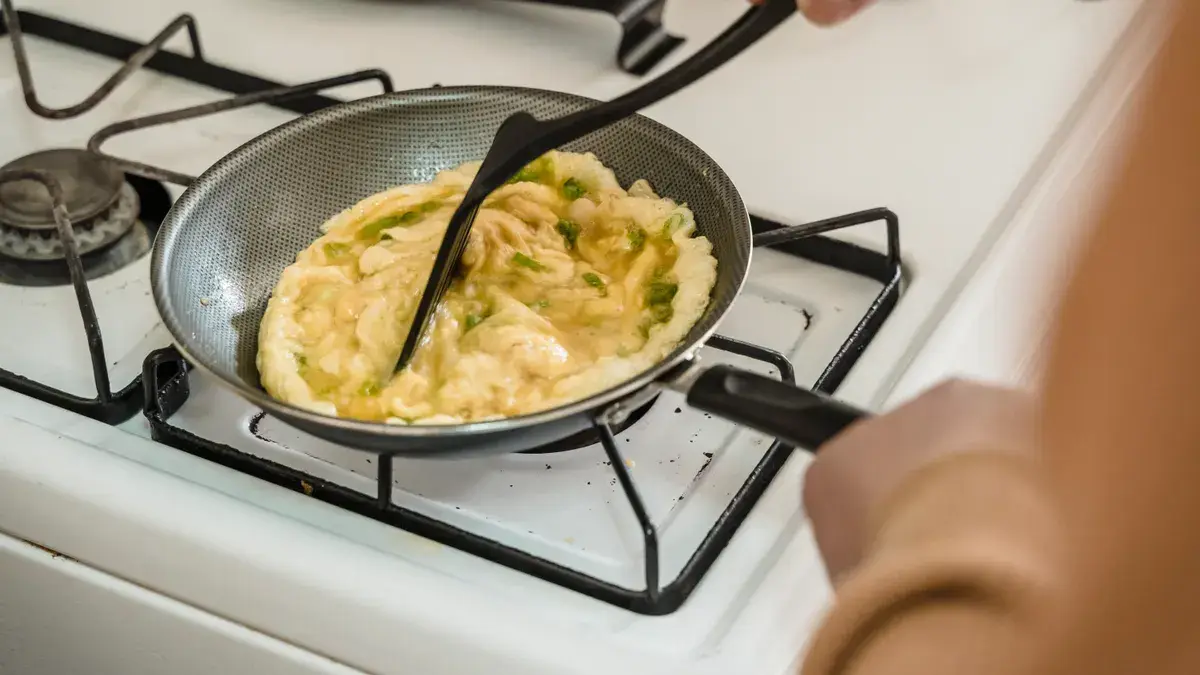
An egg white omelet stays tender when you cook it in one thin layer, fill it lightly, and fold it as soon as the surface is mostly set. The mistake most people make is waiting until the eggs look fully dry in the pan, which leaves the inside tough.
Use 4 egg whites for one omelet in an 8-inch skillet. Warm the pan over medium-low heat with 1 teaspoon olive oil. Pour in the egg whites and tilt the pan so the mixture covers the bottom. After about 1 minute, lift the edges gently and let uncooked egg flow underneath. When the top still looks slightly moist, add a small handful of fillings: spinach, mushrooms, bell peppers, or finely diced tomatoes.
Fold the omelet after another 30 to 60 seconds, then remove it from the heat. The carryover heat finishes the center without drying the edges. If you want cheese, add 1 tablespoon of low-sodium cheese before folding so it melts inside.
This style works well for seniors because it creates a softer center than a thick scramble. It also keeps the filling contained, which makes the plate easier to eat neatly. The downside is that omelets can tear if the pan is too hot or the filling is too bulky. A packed omelet is more likely to split and leak than a thin one.
A good rule is simple: if the vegetables take longer than 5 minutes to cook, soften them first. Raw mushrooms or hard bell pepper strips can leave the omelet uneven and force the eggs to overcook while the filling catches up.
For a related method, easy senior omelet tips can help keep the texture consistent.
Best lower-sodium fillings for egg whites
Lower-sodium fillings for egg whites work best when they are vegetables with moisture and mild flavor, plus a small amount of cheese only when you need it. Spinach, mushrooms, bell peppers, and tomatoes are the most useful choices because they add color and taste without relying on added salt.
Spinach works fast and gives the egg whites a fresher taste. Mushrooms add a meaty texture, which helps breakfast feel substantial. Bell peppers bring sweetness and crunch if you want contrast. Tomatoes soften the dish and create a little natural juiciness, especially when chopped small and drained briefly on paper towel if they are very wet.
If you want a cheese element, choose a low-sodium cheese and keep the amount modest. Strong-flavored cheeses can make a small portion taste complete with only 1 tablespoon per serving. That is enough for flavor without turning the dish into a salty breakfast.
Here is a practical combination list that works in a 10-inch pan or a 2-egg-white omelet style dish:
- 1/4 cup chopped spinach
- 1/4 cup sliced mushrooms
- 2 tablespoons diced bell pepper
- 2 tablespoons chopped tomato
- 1 teaspoon olive oil for the pan
The main limitation is moisture balance. Tomatoes and spinach can water down the eggs if you add too much at once. Cook watery vegetables first or use less of them. This keeps the eggs tender rather than soggy. If the pan looks flooded, the eggs will steam instead of set cleanly, and the texture will turn uneven.
These fillings also make egg whites more useful as a repeat breakfast. Plain egg whites get old fast. Vegetable-based fillings change the flavor enough to keep the dish from feeling repetitive across the week. For more variety, see low-sodium breakfast ideas and vegetable breakfast recipes.
A simple egg white breakfast formula you can repeat all week
A repeatable egg white breakfast formula is: 3 to 4 egg whites, 1 cup of vegetables, 1 teaspoon olive oil, and 1 tablespoon of low-sodium cheese if needed. That ratio gives a balanced dish without making the pan crowded or the flavor flat.
Use this 4-step method:
- Heat a nonstick skillet over medium-low heat and add 1 teaspoon olive oil. The pan should be warm, not smoking, so the eggs start gently instead of grabbing the surface.
- Add the vegetables that need the most time first, such as mushrooms or bell peppers, and cook them for 2 to 4 minutes. The goal is softened edges and less water in the pan.
- Whisk 3 to 4 egg whites with black pepper or dried herbs, then pour them in. Stir slowly for a scramble or leave them still for an omelet. Expect the edges to set before the center.
- Take the pan off the heat while the eggs still look slightly glossy. The residual heat finishes them in about 30 seconds to 1 minute, which helps prevent a dry texture.
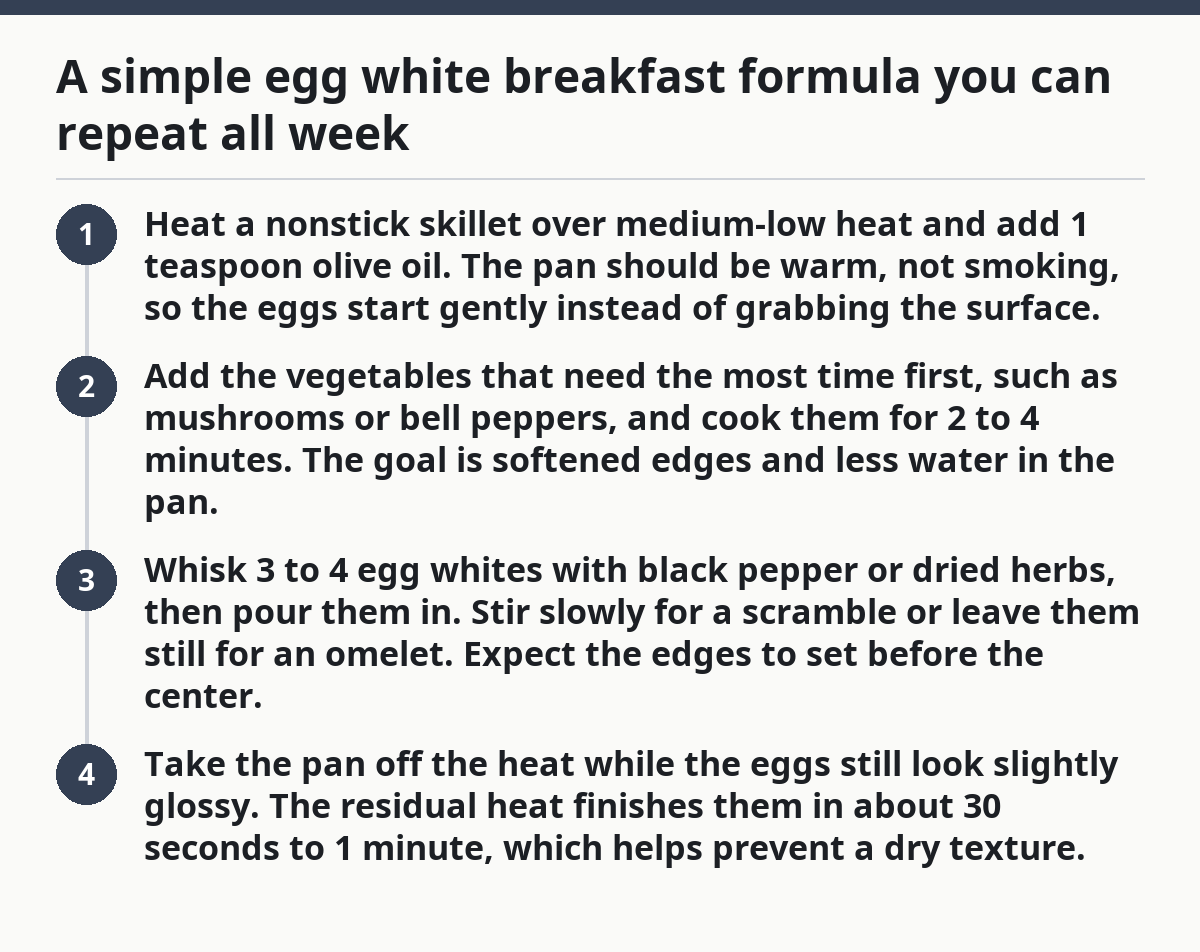
This formula is useful because it scales easily. If appetite is smaller, use 2 egg whites and half the vegetables. If the morning is busier, cook a double batch of vegetables ahead of time and refrigerate them for up to 3 days, then add fresh egg whites in the morning.
The cost of simplicity is repetition. A plain version can get boring if you never vary the vegetables or seasoning. Rotate the mix with spinach one day, mushrooms the next, and tomatoes on another morning. Keep the method the same so the dish stays easy to remember.
For meal-planning support, the Senior Heart-Healthy Breakfast Planning page can help you pair egg whites with other easy breakfasts.
What to avoid if you want a heart-healthier result
The biggest things to avoid are butter-heavy pans, salty processed add-ins, and overcooking. Those choices can turn a light egg white breakfast into a dense, high-sodium meal that no longer fits the goal.
Bacon, sausage, and ham bring salt and saturated fat that work against a heart-conscious breakfast. Even if they taste good with eggs, they change the dish from a lighter protein base into a heavier plate. The same issue comes up with regular cheese added in large amounts. A handful of cheese can overwhelm the rest of the meal.
Overcooked egg whites are another problem. They become firm and dry quickly, especially in a skillet that is too hot. That matters for seniors because dry texture can make breakfast less pleasant and harder to chew. Medium-low heat is not a fancy tip; it is the difference between a soft breakfast and a rubbery one.
Do not rely on salt to fix weak flavor. A better approach is to cook mushrooms until they brown slightly, use sweet bell peppers, or add chopped tomatoes. Black pepper, garlic powder, and dried herbs also help without turning the dish salty. The American Heart Association recommends keeping sodium in check, which makes these simple flavor choices especially useful.
This style of breakfast is not ideal for someone who needs very soft foods all day and cannot tolerate even a lightly set egg white. In that case, a different breakfast texture may be more appropriate. Egg whites can be part of a heart-healthy pattern, but they are not the answer for every chewing or swallowing concern.
Can egg white breakfasts be part of a weekly senior breakfast plan?
Yes, egg white breakfasts can fit into a weekly senior breakfast plan when they rotate with other simple meals and do not carry all the weight of breakfast every day. A practical pattern is to use egg whites 2 or 3 mornings a week and mix in other heart-conscious breakfasts on the remaining days.
That rotation helps with boredom and keeps the cooking process realistic. A senior who wants breakfast in under 10 minutes may do well with egg white scrambles on busy mornings and something else, like oatmeal or yogurt, when a different texture is desired. The point is variety without complicated prep.
It also helps to decide the role of the meal before cooking. If breakfast needs to be the main protein source, 3 to 4 egg whites plus vegetables is a strong choice. If the meal will be paired with fruit and whole-grain toast, a smaller portion may be enough. That makes the plate easier to finish and reduces waste.
For readers building a larger routine, the egg white breakfast dish works best as one tool in a week of simple, heart-conscious meals. It is not the whole plan, but it is one of the easiest breakfast tools to keep on repeat.
Are egg whites heart-healthy for seniors?
Yes, egg whites can be a heart-healthy breakfast choice for many seniors when they replace higher-fat, higher-sodium breakfast foods. They are best used with vegetables and a light hand on cheese, butter, or processed meats. If cholesterol, kidney needs, or other medical issues are part of the picture, a clinician or dietitian can help tailor the right portion. The American Heart Association and the USDA Dietary Guidelines both support choosing lean proteins and limiting saturated fat as part of a heart-conscious diet.
How do you cook egg whites without making them rubbery?
Egg whites stay less rubbery when they are cooked over medium-low heat and removed from the pan before they look fully dry. A nonstick skillet and about 1 teaspoon of olive oil help too. The eggs should finish from residual heat, not from a long time in the pan. For more detail, USDA Food Safety and Inspection Service guidance emphasizes safe handling and proper cooking practices that help keep texture from turning dry.
What can you add to egg whites for more flavor without salt?
You can add sautéed mushrooms, spinach, bell peppers, tomatoes, black pepper, garlic powder, and small amounts of low-sodium cheese. A little olive oil in the pan also helps flavor. Cooking the vegetables first is often the biggest difference, because browned mushrooms and softened peppers bring more taste than salt does.
Drafted with AI; not yet reviewed by a person.