Last updated: November 19, 2026
Quick Answer: A practical heart-healthy yogurt bowl for seniors is 3/4 to 1 cup of plain yogurt, up to 1 cup of fruit, and 1 to 2 tablespoons of seeds or nuts, which keeps the bowl simple, filling, and easy to adjust. Heart-Healthy Yogurt Bowl Ideas for Seniors work best when you use plain yogurt, keep added sugar low, and choose toppings that are easy to chew. According to the American Heart Association and the NIH/NIA, plain, unsweetened choices are the safer everyday base for heart-minded breakfasts.
Key Takeaways
- Start with plain yogurt, then add about 1 cup fruit, 1 to 2 tablespoons seeds, and a small nut portion.
- Use yogurt first, fruit second, crunch last, with flavor added sparingly.
- Lower-sugar toppings include berries, kiwi, peach, chia, flaxseed, and unsalted nuts.
- Each bowl should focus on energy, texture, or easier eating.
Therefore, Heart-Healthy Yogurt Bowl Ideas for Seniors are easiest to build with plain yogurt, fruit, and a small handful of nuts or seeds. These bowls can keep added sugar low, stay friendly to blood pressure goals, and still feel filling enough for breakfast.
What makes a yogurt bowl heart-healthy for seniors?
A heart-healthy yogurt bowl starts with unsweetened yogurt and tops out at about 1 cup of fruit, 1 to 2 tablespoons of seeds, and a small portion of nuts. That mix keeps sugar in check, adds protein and fiber, and avoids the salt that sneaks into many packaged breakfast foods.
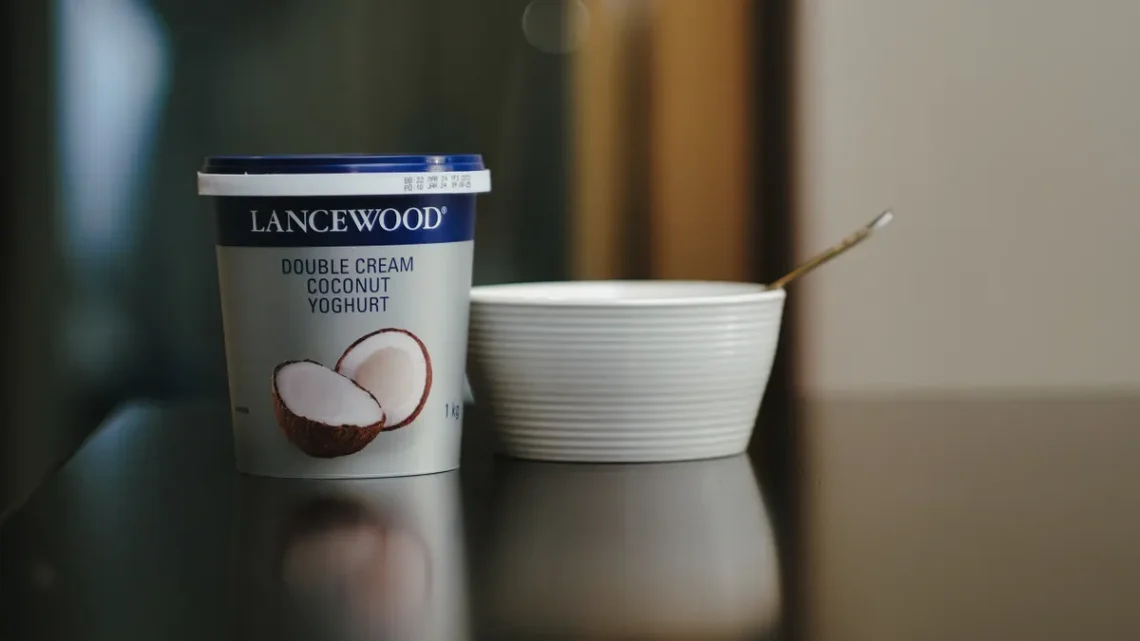
For many seniors, the main issue is not yogurt itself. It is the build around it. Flavored yogurts, sweetened granolas, candied nuts, and fruit-on-the-bottom cups can turn a simple bowl into a dessert. Plain greek yogurt and low-fat yogurt are better bases because they give you control. Greek yogurt usually brings a thicker texture and more protein. Low-fat yogurt can feel lighter and easier to stir if thick yogurt is hard to eat.
However, a heart-friendly bowl also needs texture balance. Soft berries, sliced banana, chopped ripe peach, or stewed apple work well. Chia seeds and ground flaxseed add fiber without making the bowl heavy. Walnuts fit the pattern too, but the portion matters: a small sprinkle is enough. Cinnamon helps with flavor when you want less sugar, and it does not change the bowl’s texture.
Because appetite changes with age, the best bowl is the one that is comfortable to finish. A breakfast that is too sweet can leave a crash later. A bowl that is too dry can be hard to swallow. A bowl that is too large can feel like a chore. The goal is a breakfast that takes 5 minutes, uses a 1-cup or 1 1/2-cup bowl, and still feels complete.
The hub for broader breakfast planning is Senior Heart-Healthy Breakfast Planning, which can help you keep yogurt bowls in rotation without repeating the same toppings every morning.
How do I build a yogurt bowl that actually tastes good?
A good yogurt bowl follows a simple formula: yogurt first, fruit second, crunch last, and flavor in small amounts. That order gives you a bowl that tastes fresh instead of bland, and it keeps toppings from sinking into a puddle.
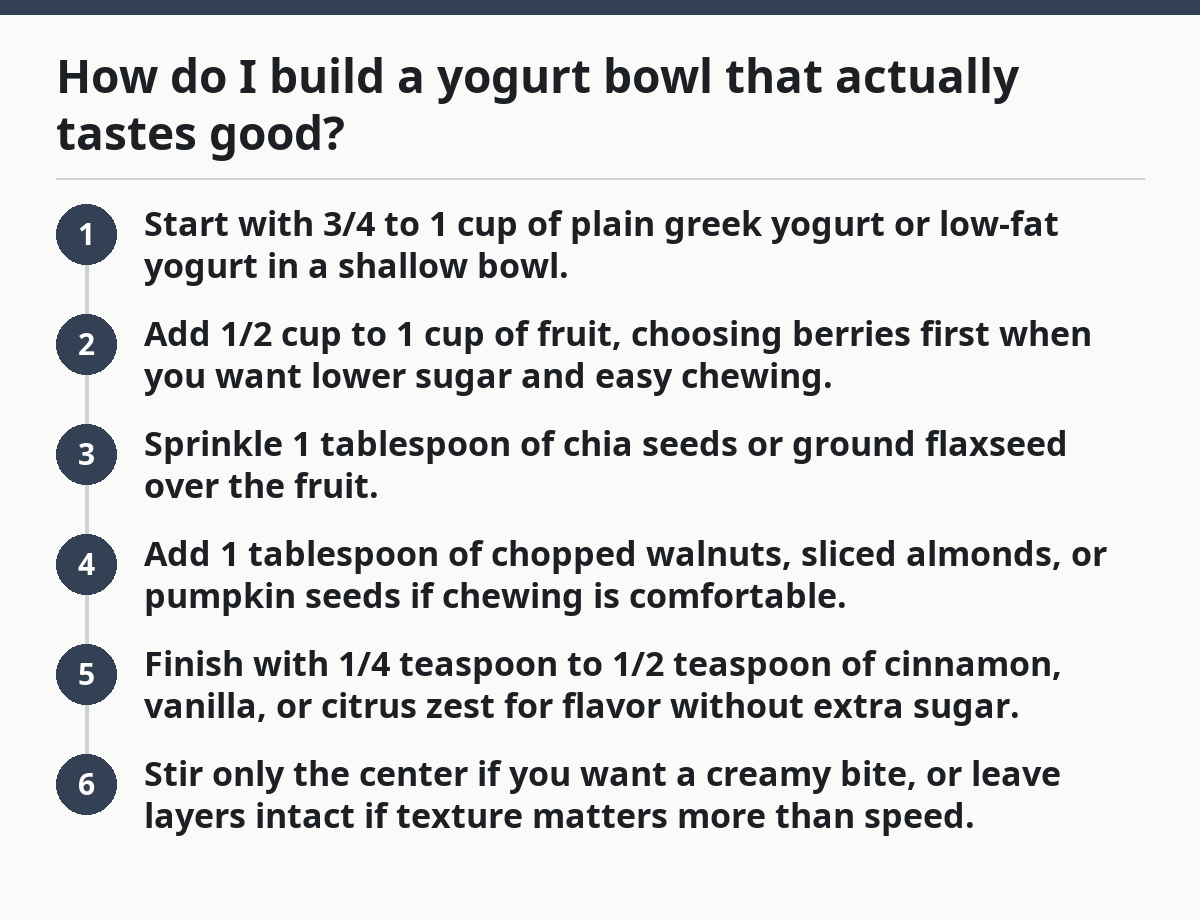
- Start with 3/4 to 1 cup of plain greek yogurt or low-fat yogurt in a shallow bowl.
- Add 1/2 cup to 1 cup of fruit, choosing berries first when you want lower sugar and easy chewing.
- Sprinkle 1 tablespoon of chia seeds or ground flaxseed over the fruit.
- Add 1 tablespoon of chopped walnuts, sliced almonds, or pumpkin seeds if chewing is comfortable.
- Finish with 1/4 teaspoon to 1/2 teaspoon of cinnamon, vanilla, or citrus zest for flavor without extra sugar.
- Stir only the center if you want a creamy bite, or leave layers intact if texture matters more than speed.
That structure works because every layer has a job. Yogurt delivers protein and creaminess. Fruit brings sweetness and moisture. Seeds add fiber and a little body. Nuts add flavor and staying power. Cinnamon gives the bowl enough character that you do not need syrup or honey.
If the bowl tastes flat, the fix is usually not more sugar. Try a pinch more cinnamon, a few extra berries, or a spoonful of finely chopped fruit. If it feels too tart, use a riper banana slice or a small amount of vanilla. If it feels too thick, loosen it with a spoonful of milk.
The mistake to avoid is piling on three crunchy toppings at once. A bowl with walnuts, granola, coconut, and seeds can become hard to chew and easy to overeat. One crunchy element is enough for most seniors.
Which toppings are best for lowering added sugar?
The best lower-sugar toppings are berries, chopped kiwi, sliced peach, chia seeds, ground flaxseed, and unsalted nuts. They add flavor and texture without relying on syrupy fruit cups, flavored granola, or sweetened coconut.
Berries are the easiest place to begin. Blueberries, raspberries, blackberries, and sliced strawberries bring sweetness with a bright finish. They also mix well with plain yogurt, which keeps the bowl from tasting empty. Frozen berries work too if they are thawed first, especially in winter when fresh fruit is less appealing.
Chia seeds and ground flaxseed deserve a regular spot because they are simple to use. A tablespoon or two is enough. Chia softens in yogurt after about 5 minutes, which can help the bowl feel fuller. Ground flaxseed blends in more smoothly and disappears into the yogurt, which is useful if a grainy texture bothers you.
Walnuts are the nut I would reach for first in a heart-healthy bowl. They taste rich in a small amount, so you do not need much. Use chopped walnuts rather than large halves if you want easier spooning. Keep them unsalted and plain.
Cinnamon is the quiet workhorse here. It gives the impression of sweetness without actual sugar. A little goes a long way, so start with 1/4 teaspoon.
What does not belong in the everyday version: honey in a heavy pour, sweetened dried cranberries, chocolate chips, and high-sugar granola. They are not forbidden, but for daily use they are best treated as occasional add-ins, and people with diabetes, kidney disease, or blood pressure concerns should check with a clinician or dietitian about what fits their plan. If you want sweetness, use fruit first and let the yogurt stay plain.
Heart-Healthy Yogurt Bowl Ideas for Seniors
Heart-Healthy Yogurt Bowl Ideas for Seniors work best when each bowl has one clear purpose: energy, texture, or ease of eating. These ideas keep the ingredients simple and the portions reasonable.
1. Berry-cinnamon yogurt bowl
Use 1 cup plain greek yogurt, 1/2 cup blueberries, 1/2 cup sliced strawberries, 1 tablespoon ground flaxseed, and 1/4 teaspoon cinnamon. This is the cleanest everyday version and one of the easiest to keep low in sugar.
2. Walnut-pear yogurt bowl
Use 3/4 cup low-fat yogurt, 1/2 cup diced ripe pear, 1 tablespoon chopped walnuts, and a pinch of cinnamon. Pear softens well and gives a milder sweetness than banana.
3. Banana-chia yogurt bowl
Use 1 cup plain yogurt, 1/2 medium banana sliced thin, 1 tablespoon chia seeds, and a few walnut pieces. This one feels more filling and works well when a senior wants a breakfast that lasts beyond midmorning.
4. Peach-flax yogurt bowl
Use 1 cup greek yogurt, 1/2 cup chopped peach, 1 tablespoon ground flaxseed, and a light dusting of cinnamon. If the peach is ripe, this bowl needs very little else.
5. Apple-walnut yogurt bowl
Use 3/4 to 1 cup yogurt, 1/2 cup grated apple or finely chopped soft apple, 1 tablespoon chopped walnuts, and cinnamon. Grated apple is a smart choice if chewing raw chunks is tiring.
6. Soft berry yogurt bowl
Use 1 cup yogurt, 1/2 cup mashed raspberries or thawed berries, and 1 tablespoon chia seeds. This bowl is useful when a softer texture is preferred without turning breakfast into soup.
7. Savory-leaning yogurt bowl
Use plain greek yogurt, chopped cucumber, a few chopped walnuts, and dill if sweet breakfasts are tiring. This is a narrower fit, but it can help seniors who do not want fruit every morning.
Therefore, the best bowl depends on appetite, chewing comfort, and how sweet the breakfast should feel. A person who wants a lighter start may prefer low-fat yogurt with berries. A person who needs more staying power may do better with greek yogurt plus seeds and walnuts. All of these stay within a 5-minute prep window once the fruit is washed or cut.
What portions work best for seniors?
The best portion for most seniors is a bowl that looks modest but still includes protein, fruit, and a small fat source. A practical range is 3/4 cup to 1 cup yogurt, 1/2 cup to 1 cup fruit, and 1 to 2 tablespoons total of seeds or nuts.
That range matters because yogurt bowls can become oversized quickly. A 2-cup bowl loaded with fruit, nuts, and granola may look healthy, but it can be more than a breakfast needs. Smaller bowls are easier to finish and easier to digest for many older adults. A shallow bowl also helps with portion control because the food looks fuller than it is.
A good rule is to choose one main texture and one accent texture. For example, berries plus chia works. Berries plus walnuts works. Berries plus chia plus walnuts plus granola is usually too much unless appetite is very high. If a senior has a small appetite, keep the bowl simple and add only one crunchy topping.
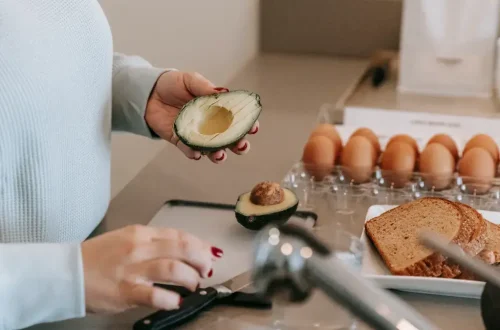
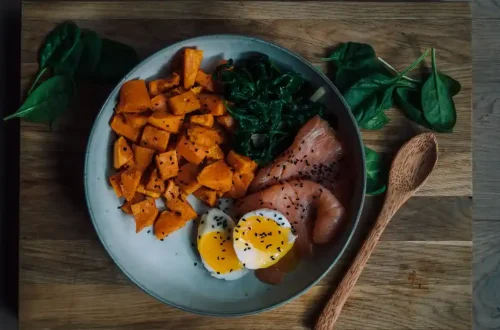
For a fuller breakfast, pair the bowl with something plain and unprocessed, such as a boiled egg or a slice of whole-grain toast. That keeps the yogurt bowl from carrying the whole meal alone. If swallowing is a concern, keep nuts finely chopped and use softer fruit instead of hard fruit chunks.
The most useful question is not “How much can fit in the bowl?” It is “What amount will be eaten comfortably before the yogurt gets warm or watery?” For most people, a breakfast bowl should be finished in about 10 minutes, not stretched over half an hour.
Common mistakes that make a yogurt bowl less heart-friendly
The biggest mistake is choosing flavored yogurt as the base, because it often brings more sugar than the bowl needs. The fix is plain greek yogurt or low-fat yogurt, then sweeten with fruit and cinnamon.
A second mistake is using too much dried fruit. Dried cranberries, raisins, and mango pieces are easy to overpour, and they concentrate sugar in a small handful. If dried fruit is used at all, keep it to a teaspoon or two and pair it with berries.
A third mistake is leaning on granola for crunch. Many granolas are dense, sweet, and easy to overeat by the 1/2-cup. If a crunch is wanted, chopped walnuts or chia seeds usually make more sense for a heart-health focus.
A fourth mistake is ignoring texture comfort. Large nut pieces, dry coconut shreds, or firm apple chunks can make the bowl awkward to chew. That costs the reader enjoyment and can lead to skipping breakfast. The better move is to chop nuts finely, choose soft fruit, or grate firmer fruit.
A fifth mistake is making the bowl taste like a punishment. If the bowl is too tart, too plain, or too repetitive, it will not last as a habit. Use vanilla, cinnamon, citrus zest, or a few ripe berries to keep it appealing. A breakfast that gets eaten regularly is better than an ideal bowl that sits in the fridge.
Accordingly, Heart-Healthy Yogurt Bowl Ideas for Seniors work best when you change one part at a time: fruit, texture, or spice. That way the bowl stays familiar, but breakfast does not feel identical every morning.
How can I keep yogurt bowls interesting all week?
You can keep yogurt bowls interesting by changing just one part at a time: fruit, texture, or spice. That way the bowl stays familiar, but breakfast does not feel identical every morning.
One simple rotation is to keep the base the same for 3 days and swap the topping pattern. For example, use plain greek yogurt on Monday with berries and flaxseed, low-fat yogurt on Tuesday with peach and cinnamon, and plain yogurt on Wednesday with banana and walnuts. The bowl stays easy to assemble because the shopping list remains short.
Another approach is to prep toppings in 3 small containers. One can hold washed berries, one can hold chopped nuts, and one can hold a seed mix of chia and ground flaxseed. That keeps morning prep to about 2 minutes. If fruit is soft enough, portion it into 1/2-cup containers so you only have to open and spoon.
Flavor changes matter too. Cinnamon works for one bowl, vanilla for another, and lemon zest for a fresher taste. You do not need a long ingredient list. Three or four base ingredients, used well, are enough.
The trade-off is that yogurt bowls are not ideal for every senior every day. If dairy does not sit well, if swallowing is difficult, or if a cold breakfast is unappealing in winter, another breakfast format may be a better fit. This page stays with yogurt bowls because that is the right tool for the query, but the bowl should serve the eater, not the other way around.
Is yogurt a heart-healthy breakfast for seniors?
Yes, yogurt can be a heart-healthy breakfast for seniors when it is plain, portioned well, and topped with fruit, seeds, or nuts instead of sugar-heavy add-ons. Plain greek yogurt and low-fat yogurt are the strongest starting points because they let you control sweetness and sodium. According to the American Heart Association, plain and low-sugar choices make it easier to keep added sugar in check. If dairy does not agree with the person eating it, that needs a different breakfast plan.
What toppings are best for a low-sodium yogurt bowl?
The best low-sodium toppings are fresh berries, banana, peach, chia seeds, ground flaxseed, cinnamon, and unsalted walnuts. These choices add flavor without relying on salty packaged mixes or flavored add-ins. It is also smart to check labels on nuts and granola, because some versions carry added salt.
How can I make yogurt more filling in the morning?
Make yogurt more filling by adding protein, fiber, and a small amount of fat. Plain greek yogurt, 1 tablespoon of chia or flaxseed, and a few walnuts usually do more for satiety than extra fruit alone. Keeping the bowl in the 3/4-cup to 1 1/2-cup range also helps it feel like a real breakfast, not a snack.
According to the National Institute on Aging, simple breakfasts that are easy to chew and prepare can be a better daily fit for many older adults, especially when appetite is small. For more ideas, see Healthy Breakfast Ideas for Older Adults, Low-Sodium Breakfast Tips, and Heart-Healthy Snack Ideas.
Drafted with AI; not yet reviewed by a person.