Last updated: October 30, 2026
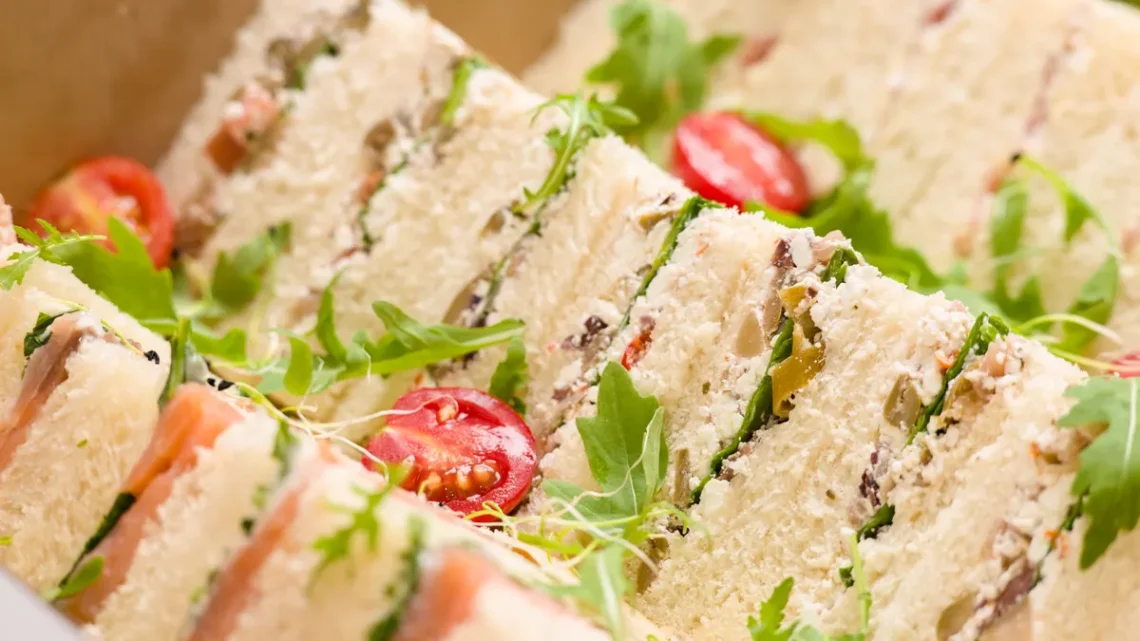
Quick Answer: 5 soft heart-healthy sandwich fillings for seniors are tuna salad, chicken salad, egg salad, mashed avocado, and mashed beans. Soft Heart-Healthy Sandwich Fillings for Seniors should be easy to chew, low in sodium, and rich in protein or healthy fats. The best choices are usually soft enough to mash with a fork, spread cleanly on soft bread, and hold together without dry crumbs, so lunch feels manageable instead of tiring.
What makes a sandwich filling heart-healthy and soft?
A good filling is moist, seasoned without much salt, and soft enough to eat without a lot of chewing. That usually means mashed avocado, finely chopped chicken salad, tuna mixed with yogurt, egg salad, or beans that have been partly mashed. It also means skipping hard add-ins like celery chunks, raw onion, and thick crusty bread.
For seniors, the goal is not just “healthy.” It is a lunch that is easy to bite, easy to swallow, and still satisfying enough to keep hunger away for 3 to 4 hours. A filling that is too dry can be hard on dentures or sore gums. A filling that is too salty can work against a heart-healthy plan.
The sweet spot is simple:
- soft texture
- modest salt
- enough protein to hold the meal
- a little healthy fat for flavor and moisture
That is why this page focuses on sandwich fillings rather than full sandwich recipes. The filling is where you can control the sodium, texture, and protein without making lunch complicated. For the broader meal pattern, the [heart-healthy soft meals for seniors] hub can sit alongside these ideas.
One trade-off matters. The softer the filling, the less crunch you get. That is a good trade for many older adults, but it is not ideal for someone who wants crisp vegetables or a very “fresh” bite. In that case, use a softer vegetable garnish on the side instead of putting it inside the sandwich.
Which soft sandwich fillings work best for seniors?
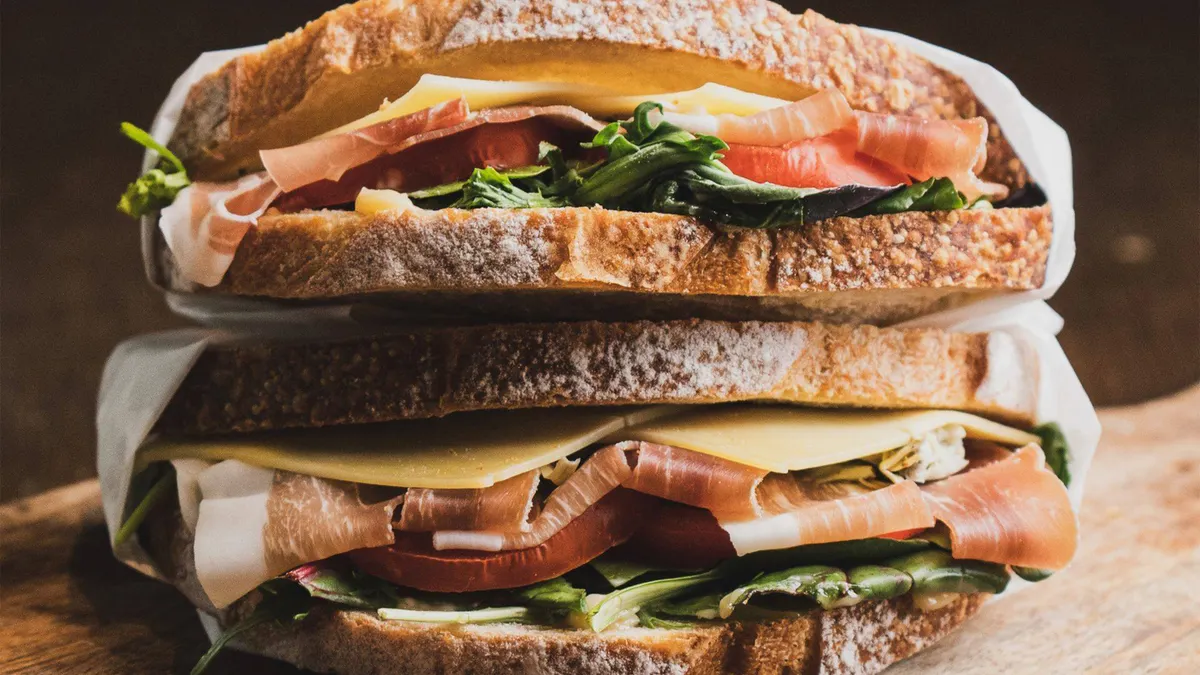
These soft sandwich fillings for seniors are among the most practical options: tuna salad, chicken salad, egg salad, mashed avocado, yogurt-based spreads, and mashed canned beans. Each one can be made soft, filling, and more heart-friendly with a few small changes.
1) Tuna salad
Tuna is one of the easiest protein fillings to adapt. Choose tuna packed in water, drain it well, and mix it with plain yogurt or a small amount of olive-oil mayonnaise. Add lemon juice, black pepper, or dill instead of extra salt. If you want more body, mash in a little avocado.
Best for: a filling that is soft, cool, and quick to spread.
Watch out for: tuna packed with extra salt or fishy add-ins that overpower the sandwich.
2) Chicken salad
Chicken salad works well if the chicken is finely shredded or chopped very small. Use cooked chicken breast, canned chicken with lower sodium if available, and bind it with yogurt or a light mayonnaise mix. A teaspoon of mustard can add sharpness without needing much salt.
Best for: seniors who want a familiar, mild lunch.
Watch out for: big chunks of chicken or celery, which can be hard to chew.
3) Egg salad
Egg salad is soft, cheap, and easy to season with paprika, chives, or pepper. Mash the eggs well, then mix in yogurt or light mayo until the texture is smooth. If the filling feels dry, add a spoonful more binder rather than more salt.
Best for: a smooth filling that sits well on soft bread.
Watch out for: overcooking the eggs, which can make the filling rubbery.
4) Mashed avocado
Avocado gives a creamy texture without needing much added fat. Mash it with lemon juice and pepper, then spread it thickly on bread or blend it with egg or tuna for more protein. Since avocado is soft but not very high in protein on its own, it works best as a base, not the whole filling.
Best for: a no-cook lunch with very little chewing.
Watch out for: using only avocado when the meal needs more staying power.
5) Yogurt-based spreads
Plain Greek yogurt can replace some or all of the mayo in tuna, chicken, or egg salad. It keeps the filling moist and adds protein. Use unsweetened yogurt only; flavored yogurt does not belong in a sandwich filling.
Best for: reducing saturated fat while keeping the texture creamy.
Watch out for: thin yogurt that makes the filling runny.
6) Mashed canned beans
Canned beans can be a strong no-cook option if they are rinsed first and mashed with a fork. White beans, chickpeas, and black beans all work. Mix them with olive oil, lemon, or a little yogurt for a soft spread. This is a useful choice for anyone who wants a plant-based filling.
Best for: fiber and softness in one spread.
Watch out for: whole beans left unmashed, which can feel lumpy.
How do you make sandwich fillings low sodium?
You make sandwich fillings low sodium by starting with lower-salt ingredients, rinsing canned foods, and using acid, herbs, and texture instead of extra salt. That is the easiest way to keep flavor without turning lunch into a sodium-heavy meal.
Here is a practical method that works for tuna, chicken salad, egg salad, and bean spreads:
- Choose the base with the least salt built in, such as plain cooked chicken, no-salt-added beans, or tuna packed in water.
- Drain canned ingredients well, then rinse beans under cool water for about 10 to 20 seconds to wash off surface salt.
- Mash or chop the filling until it is soft enough to spread with a spoon or fork.
- Add a moist binder such as plain yogurt, mashed avocado, or a light mayonnaise-style spread, 1 tablespoon at a time.
- Season with lemon juice, dill, parsley, garlic powder, pepper, or paprika before reaching for the salt shaker.
- Taste the mixture after 30 seconds, then adjust with herbs or acid rather than a big pinch of salt.
The biggest mistake is using low-sodium bread with a salty filling. That cancels part of the benefit. Another mistake is hiding flavor with pickles, olives, processed cheese, or bottled dressings that can push sodium back up fast. According to the American Heart Association, cutting sodium is a core part of heart-healthy eating, and the FDA notes that many packaged foods contribute most of the sodium people eat. American Heart Association, FDA
A better approach is to think in layers:
- one soft protein base
- one creamy binder
- one bright note like lemon
- one herb or spice
That keeps the filling interesting enough to eat without salt overload. For a heart-healthy lunch, it also helps to keep portions modest. A filling that tastes rich in a 1/2-cup serving often goes farther than a bland one spread too thin.
If a person has a sodium restriction from a clinician, it is worth checking labels closely on canned tuna, canned chicken, mayonnaise-style spreads, and bread. Those are common places where sodium hides. For label reading, the FDA’s Nutrition Facts label guide is a useful reference.
Which breads are easiest for older adults to chew?
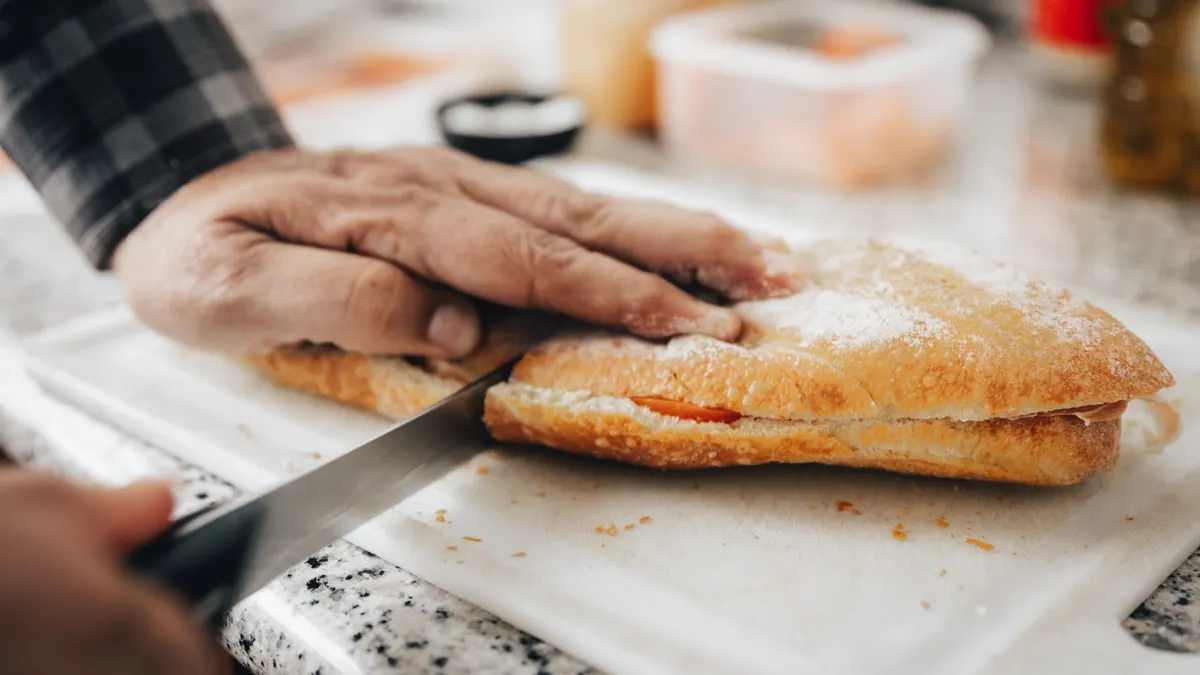
The easiest breads for older adults to chew are soft sandwich bread, thin-sliced whole wheat bread, soft rolls, tortillas, and wraps with a flexible texture. A bread that bends without cracking is usually easier on teeth, gums, and dentures than a thick crusty loaf.
For sandwich fillings, the bread matters as much as the filling. A soft filling can still be hard to eat if the bread is dry or tough. Good choices include:
- sandwich bread with a tender crust
- whole grain bread sliced thin
- potato bread or milk bread when available
- small tortillas for a softer bite
- pita only if it is very fresh and pliable
The target is a bread that presses easily under your fingers. If it springs back hard or leaves a shower of crumbs, it may be too dry. Toast is often the wrong choice here, even if it seems “lighter,” because it turns a soft filling into a harder chew.
A simple fix is to spread fillings edge to edge so the bread absorbs a little moisture. Another is to make the sandwich, wrap it, and let it sit for 5 minutes before serving. That short rest softens the bread slightly without making it soggy. For comparison shopping, the bread and grains section on MyPlate can help with everyday choices.
Who this is not for: if the person needs a texture-modified diet because of swallowing problems, a standard soft sandwich may still be the wrong shape or consistency. In that case, ask a speech-language pathologist or dietitian for guidance before changing meals on your own. The National Institute on Deafness and Other Communication Disorders explains swallowing disorders and why texture can matter.
What are the easiest no-cook lunch ideas with soft fillings?
The easiest no-cook lunch ideas are tuna salad, mashed avocado with egg, yogurt chicken salad, and mashed bean spread, all served on soft bread or a wrap. These are fast, filling, and practical when lunch needs to happen in 10 minutes or less.
Here are four combinations that stay on the soft side:
-
Tuna and avocado on soft bread
Mix drained tuna with mashed avocado, lemon, and pepper. Spread it on sandwich bread or a soft roll. This gives protein plus creaminess without cooking. -
Egg salad wrap
Mash hard-boiled eggs with plain yogurt and a little mustard. Roll it into a soft tortilla. If the tortilla cracks, warm it very briefly or choose a fresher one. -
Chicken salad with yogurt
Use finely chopped cooked chicken, plain yogurt, and dill. Spread on thin-sliced bread. This is a good choice when you want a familiar flavor and less mayo. -
White bean spread with herbs
Mash rinsed canned cannellini beans with olive oil, lemon, and garlic powder. Use it like a hummus-style filling in a sandwich or wrap.
The advantage of no-cook fillings is that they make lunch easier on low-energy days. The drawback is that the texture can become repetitive if every sandwich is just “soft and plain.” A small amount of flavoring helps a lot. Lemon, mustard, dill, parsley, and black pepper do more work than most people expect.
No-cook lunches also need care with storage. If a filling includes tuna, chicken, eggs, or yogurt, keep it cold and use it promptly. A chilled filling is usually safer and holds together better than one left sitting at room temperature. For food safety basics, the USDA Food Safety and Inspection Service is a reliable place to check temperatures and storage guidance.
How do you keep soft fillings from getting dry or mushy?
You keep soft fillings from getting dry or mushy by adding binders in small amounts and adjusting the texture before assembling the sandwich. The goal is a filling that clings to the bread instead of cracking, dripping, or falling out.
Dry fillings usually happen when the base is too lean. Tuna drained too hard, chicken chopped too fine without enough binder, or egg salad with too little yogurt can all feel crumbly. The fix is simple: add 1 teaspoon to 1 tablespoon of yogurt, mashed avocado, or light mayo at a time until the filling just holds together.
Mushy fillings happen when too much liquid goes in at once. That can come from overusing yogurt, adding watery chopped vegetables, or mashing beans until they turn soupy. To correct that, stir in more of the protein base, or add a thicker ingredient such as mashed egg, more tuna, or a spoonful of extra beans.
A few texture rules help:
- Chop ingredients finely, not into puree.
- Mash with a fork instead of a blender unless you want a paste.
- Add wet ingredients last.
- Let the mixture sit for 2 minutes, then check the texture again.
This is especially useful for seniors who are sensitive to dry mouth. A filling with enough moisture is easier to swallow and less tiring to chew. Still, “moist” does not mean “runny.” A filling that slides off the bread usually needs more structure, not more liquid.
What mistakes make a heart-healthy sandwich filling less useful?
The biggest mistakes are using salty ingredients, making the texture too rough, and forgetting protein. Those three problems turn a simple lunch into something harder to chew, less filling, or less suitable for a heart-healthy plan.
Common errors and what they cost:
- Too much sodium — jars, dressings, deli-style add-ins, and salty breads can push the meal in the wrong direction. Use plain bases, rinse canned items, and season with herbs.
- Too many crunchy mix-ins — raw onion, big celery chunks, nuts, and tough greens can make the filling hard to chew. Swap in minced herbs or very finely chopped soft vegetables instead.
- No protein — avocado alone or a thin bean spread may be soft, but the lunch may not hold hunger away long enough. Pair softer fats with egg, tuna, chicken, yogurt, or beans.
- Too much dryness — lean fillings without enough binder can be uncomfortable. Add moisture gradually instead of piling on salt or extra bread.
- Crusty bread — even a good filling can fail on a hard roll. Choose bread that bends and slices cleanly.
The best fillings for seniors are usually the ones that are easy to finish. That sounds obvious, but it is where many generic sandwich articles miss the mark. A filling is not successful because it sounds nutritious on paper; it is successful if the person can chew it comfortably at noon and still want to eat it tomorrow.
Key Takeaways
- Soft fillings should spread easily, stay moist, and keep chewing work low.
- Tuna, chicken salad, egg salad, avocado, yogurt-based mixtures, and mashed beans are the most useful building blocks.
- Low sodium comes from rinsing, choosing plain ingredients, and seasoning with herbs, lemon, and pepper.
- Soft bread matters as much as the filling; dry crusty bread can ruin an otherwise good lunch.
- The best sandwich filling is usually one that is easy to eat, not just easy to describe.
What are soft sandwich fillings for seniors?
Soft sandwich fillings for seniors are fillings that need little chewing and stay moist enough to eat comfortably. Tuna salad, egg salad, chicken salad, mashed avocado, yogurt-based spreads, and mashed beans are common examples. They work best when finely mixed and served on soft bread.
How do you make sandwich fillings low sodium?
Sandwich fillings become lower in sodium when the ingredients are chosen carefully and seasoned without much salt. Use unsalted or lower-sodium canned foods, rinse beans, choose plain yogurt, and add flavor with lemon, pepper, dill, mustard, or garlic powder instead of salty condiments.
What bread is easiest for older adults to chew?
Soft sandwich bread, thin-sliced whole grain bread, soft rolls, tortillas, and pliable wraps are usually easiest to chew.
Drafted with AI; not yet reviewed by a person.