Last updated: November 19, 2026
Key Takeaways
- Protein foods, oats, chia seeds, berries, avocado, and plain yogurt can help breakfast last longer by adding protein, fiber, and fat.
- In about 5 minutes, build a filling low-salt breakfast with one fast protein, one fiber-rich base, and one topping that adds body.
- Add to eggs, yogurt, oats, avocado, and toast in ways that boost fullness without depending on salt for flavor.
- Common mistakes that make breakfast feel light include under-portioning, skipping protein, and choosing foods that are easy to eat fast but hard to stay full on.
Breakfast can be more filling without adding salt by building it around protein, fiber, and healthy fat instead of relying on salty toppings or processed foods. How to Make Breakfast More Filling Without Adding Salt comes down to keeping the breakfast meal balanced: start with one protein source, one high-fiber food, and one fat source, then adjust the portion so the plate actually holds you until the next meal.
Use this breakfast formula first
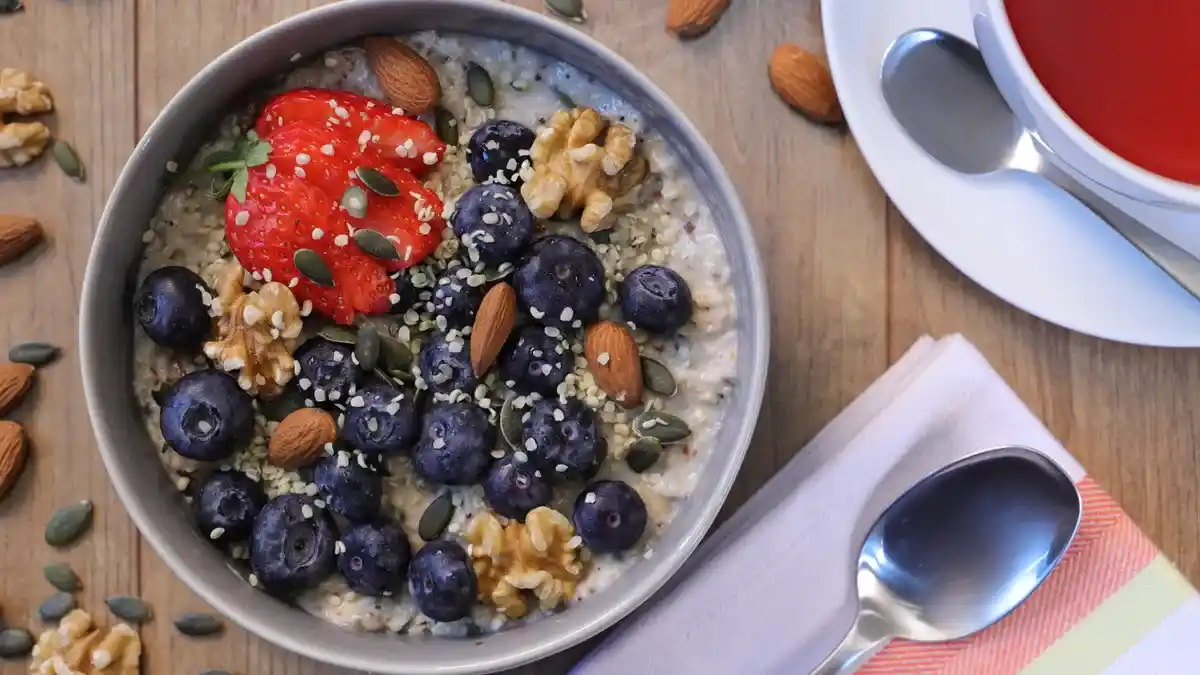
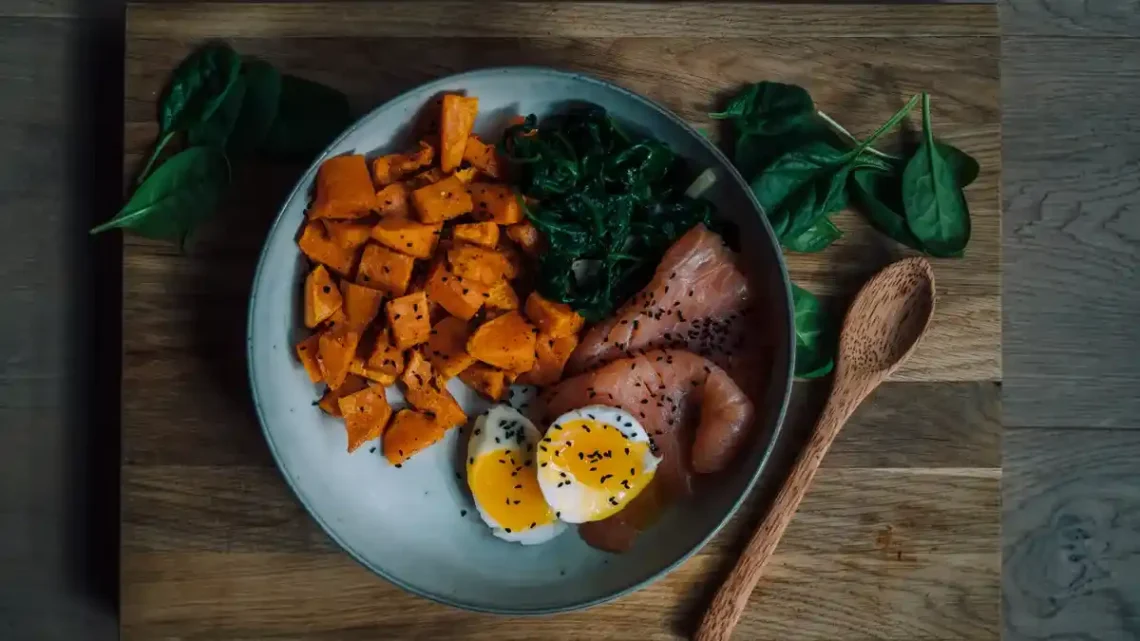
Use this formula first: 1 protein food, 1 fiber-rich food, and 1 fat source at the same meal, then keep the portion large enough to be satisfying. That usually means a breakfast plate or bowl that includes something like eggs or yogurt, oats or berries, and avocado, nut butter, or chia seeds.
- Pick the protein anchor. Choose one main protein food such as 2 eggs, ¾ to 1 cup of plain yogurt, or a spoonful of nut butter alongside another protein source. The meal works when it has a clear base instead of only toast, fruit, or cereal.
- Add a slow-digesting carb or fruit. Use oats, whole grain toast, berries, or another high-fiber fruit. A bowl with ½ cup dry oats cooked into a larger serving or a slice of whole grain toast with fruit will feel steadier than a white bagel alone.
- Add a fat that sticks with you. Include ¼ avocado, 1 to 2 tablespoons nut butter, or 1 tablespoon chia seeds. Fat slows how quickly the meal leaves the stomach, which helps the breakfast feel less airy.
- Keep the volume visible. Build enough food to see a full plate or a full bowl. A small yogurt cup or one dry piece of toast often looks “healthy” but does not stay with you.
- Eat the meal in one sitting. A 10 to 15 minute breakfast that is actually finished usually satisfies better than grazing on a few bites and calling it done.
If that formula leaves you hungry, the problem is usually not salt. It is too little protein, too little fiber, or a portion that is simply too small for the morning. This approach fits the broader Senior Heart-Healthy Breakfast Planning hub because it keeps the meal filling without turning it into a salty recipe.
Which foods make breakfast stay with you longer?
Protein foods, oats, chia seeds, berries, avocado, and plain yogurt make breakfast stay with you longer because they work on different parts of fullness. Protein helps the meal feel substantial, fiber adds bulk, and fat slows digestion enough that the meal does not disappear in 30 minutes.
The most useful additions are the ones you can mix into foods you already eat:
- Eggs: Use 2 eggs as the base of a plate, or add one egg to oats or toast if you want a larger meal without much extra effort. Eggs are useful because they turn a light breakfast into an actual meal with almost no sodium added by the food itself.
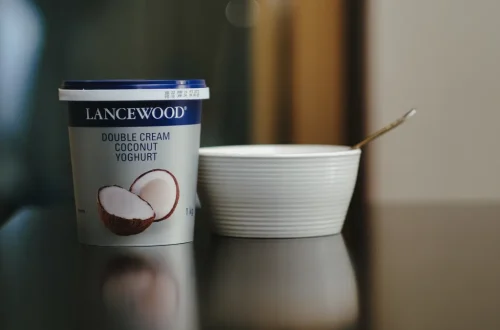
- Plain yogurt: Choose plain yogurt and add berries, chia seeds, or a spoonful of nut butter. A ¾ cup serving often feels more filling than a sweetened single-serve cup because the added sugar is not doing the work of satiety.
- Nut butter: Use 1 to 2 tablespoons on toast, fruit, or oats. Peanut, almond, or sunflower butter adds density quickly, though the portion matters because it is calorie-dense.
- Chia seeds: Stir 1 tablespoon into yogurt or oats and let it sit for several minutes. Chia thickens the meal and adds fiber, which can make a bowl feel larger without adding salt.
- Berries: Add ½ to 1 cup. Berries give volume, some fiber, and strong flavor, which helps a lower-salt breakfast taste complete.
- Avocado: Use about ¼ to ½ fruit on toast, with eggs, or in a bowl. Avocado adds creaminess and makes the meal feel less dry and more finished.
- Oats: Oats are one of the easiest ways to make breakfast more filling because they absorb liquid and turn into a bigger serving. A cooked bowl looks and feels more substantial than many dry breakfast foods.
According to the Cleveland Clinic, foods with protein, fiber, and healthy fat can help meals feel more satisfying, which is why these ingredients are useful here. According to the USDA, plain yogurt, oats, fruit, and eggs fit easily into a lower-sodium breakfast pattern.
The trade-off is that these foods do not all work the same way. Nut butter and avocado help fullness fast, but they add calories quickly. Berries and oats add volume more gently, but they may not be enough on their own for a very hungry morning.
How do you build a filling low-salt breakfast in 5 minutes?
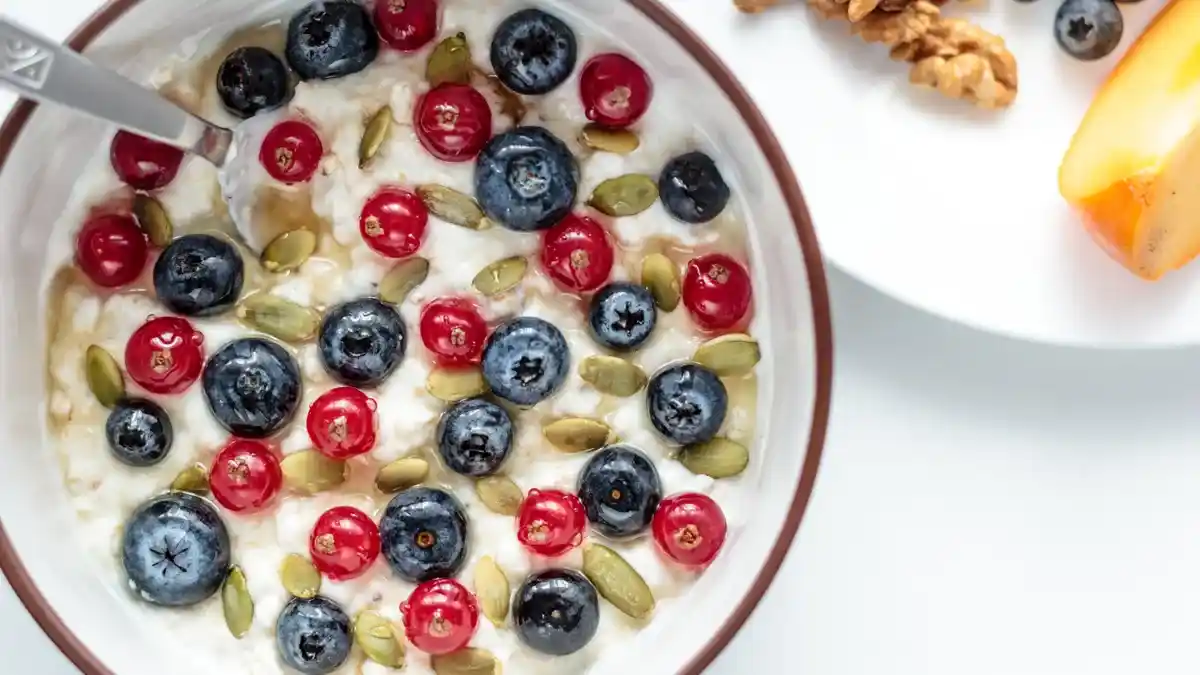
You build a filling low-salt breakfast in 5 minutes by using one fast protein, one fiber-rich base, and one topping that adds body. The point is not to cook an elaborate meal; it is to make a plain breakfast feel complete without leaning on salty cheese, cured meats, or packaged mixes. If you are not sure a simple pattern is right for you, consult a registered dietitian or clinician, especially if you are managing blood pressure or another medical condition.
A simple 5-minute pattern looks like this:
- Start with plain yogurt or pre-cooked eggs. Pour ¾ to 1 cup plain yogurt into a bowl, or reheat 2 cooked eggs if they are already available. This gives you a strong base before you add anything else.
- Add a high-fiber layer. Mix in ½ cup berries or 2 to 4 tablespoons oats. The bowl should look fuller immediately, not like a small serving with garnish on top.
- Add one dense topping. Stir in 1 tablespoon chia seeds or 1 to 2 tablespoons nut butter. If you are using toast, spread the nut butter thickly enough that the bread does not feel like the main event by itself.
- Use one extra volume food. Add sliced fruit, a second slice of toast, or a few more spoonfuls of oats if you are still not seeing enough food on the plate.
- Pause before you leave the table. A breakfast that is eaten standing up often feels less satisfying than the same food eaten seated.
This method fits people who want breakfast to be quick and simple before noon. It is less ideal if you only want a light snack, because the goal here is satiety, not minimal calories. If you need low-sodium breakfast recipes for seniors, that is a separate page with a different job; this page is about the strategy behind the meal, not a list of recipes.
What to add to eggs, yogurt, oats, avocado, and toast
Add to eggs, yogurt, oats, avocado, and toast in ways that increase fullness without depending on salt for flavor. Each of these foods can carry a breakfast on its own if you give it enough protein, fiber, or fat.
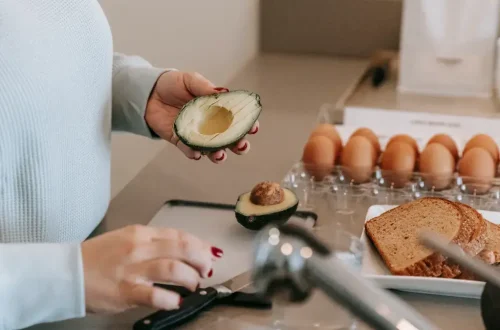
- Eggs: Pair 2 eggs with whole grain toast and avocado. If you want more staying power, add fruit on the side rather than salt-heavy seasoning. Eggs alone can feel too small unless they are part of a plate.
- Yogurt: Use plain yogurt with berries, chia seeds, and a spoonful of nut butter. That combination gives creamy texture, fruit volume, and a thicker bite than yogurt alone.
- Oats: Make oats with milk or another unsalted base, then top with nut butter, berries, or chia seeds. Oats become more filling when they are cooked into a larger bowl instead of left thin and watery.
- Avocado: Put avocado on whole grain toast and add sliced eggs or a scoop of yogurt on the side. Avocado is filling, but it is not enough by itself for most people.
- Toast: Toast becomes more satisfying when it is not naked. Add nut butter, avocado, or eggs, and choose whole grain bread when possible for more chew and more fiber.
- Berries: Berries work best as a volume food, not the main food. Use them to make a yogurt bowl or oatmeal feel larger and fresher.
According to the American Heart Association, whole grains, fruits, and unsalted toppings are useful ways to build meals without relying on sodium. The Academy of Nutrition and Dietetics also recommends combining protein, fiber, and healthy fat to improve satiety.
A common mistake is using just one of these foods and expecting it to carry the whole morning. One slice of toast with a thin spread, or a small yogurt cup with a few berries, may taste fine and still leave you hungry an hour later.
Common mistakes that make breakfast feel light
Common mistakes that make breakfast feel light include under-portioning, skipping protein, and choosing foods that are easy to eat fast but hard to stay full on. These are the breakfast habits that often backfire when salt is removed.
The first mistake is making breakfast too small. A single piece of fruit, one slice of toast, or a small yogurt cup often disappears quickly. The fix is to add a second component, such as 2 eggs, 1 to 2 tablespoons nut butter, or a larger serving of oats.
The second mistake is relying on fruit alone. Fruit gives flavor and some fiber, but it usually does not hold hunger by itself. Pair berries with yogurt, oats, or eggs so the meal has more staying power.
The third mistake is treating fat as optional. A breakfast with only carbohydrate can leave you hungry faster than a breakfast with avocado, nut butter, or chia seeds. If you are managing calories, cholesterol, or another health concern, check with a registered dietitian or clinician before changing fat intake. You do not need a huge amount; even 1 tablespoon of chia seeds or ¼ avocado can change the meal.
The fourth mistake is using heavily processed breakfast foods because they are “easy.” Many packaged breakfast foods are built to taste good, not to keep you full. If a food is low in sodium but also low in protein and fiber, it may not solve the real problem.
The fifth mistake is making every bite soft and quick to eat. A breakfast that requires a little chewing often feels more substantial. Whole grain toast, oats with texture, and berries all help there.
The honest limit here is that no breakfast formula fixes every appetite. If you are naturally hungry in the morning, you may simply need more food than the average serving size on the package suggests. That is not a failure of the meal; it is a sign that the plate needs to be built around your actual hunger.
How much should the plate hold if you want to stay full?
The plate should hold enough food that it looks like a real meal, not a snack dressed up as breakfast. A practical target is one solid protein source, one substantial fiber food, and one fat source, with portion sizes that make the bowl or plate visibly full.
A good visual check is this: if you put the breakfast on a dinner plate, it should not look lost in the center. For a bowl, the top should not sit far below the rim. That kind of visual fullness matters because people often under-serve breakfast when they are trying to avoid salt or calories.
Use these portions as a starting point:
- Eggs: 2 eggs as a base, or 3 if breakfast is your largest hunger point of the morning.
- Yogurt: ¾ to 1 cup plain yogurt, then add toppings.
- Oats: about ½ cup dry oats cooked into a larger bowl.
- Nut butter: 1 to 2 tablespoons.
- Chia seeds: 1 tablespoon, sometimes 2 if the texture works for you.
- Berries: ½ to 1 cup.
- Avocado: ¼ to ½ fruit.
The exact amount depends on appetite, body size, and how long you need to stay full before lunch. Someone who eats again in 2 hours may only need a moderate breakfast. Someone who needs to last until late morning may need a much larger one.
This is also where low-salt breakfast planning can go wrong for people who are managing blood pressure or other health concerns. If you are making changes for a medical reason, a registered dietitian or clinician can help you adjust portions without making breakfast too lean or too calorie-heavy. For more structure, the Senior Heart-Healthy Breakfast Planning hub can help you compare options before you settle on a routine.
A simple breakfast formula you can repeat all week
A repeatable breakfast formula is the easiest way to stay full without adding salt. Pick one base, one builder, and one topper, then rotate the ingredients so breakfast does not become boring.
Here are three combinations that work well:
- Egg plate: 2 eggs + whole grain toast + ¼ avocado + berries
- Yogurt bowl: plain yogurt + 1 tablespoon chia seeds + ½ cup berries + 1 tablespoon nut butter
- Oat bowl: cooked oats + nut butter + berries + a side of eggs if you need more protein
This pattern is useful because it does not force one recipe type. You can make a bowl, a plate, or a toast-based meal and still keep the same satiety logic: protein first, then fiber, then fat. That makes it easier to keep breakfast satisfying on busy mornings, on weekends, or when appetite changes from day to day.
The thing I would not do is chase fullness by piling on low-salt foods randomly. A mountain of fruit without protein, or oats without a fat source, can still leave you hungry. The better move is to build one breakfast that earns its place at the table.
What makes a breakfast satisfying for seniors?
A satisfying breakfast for seniors usually combines enough protein, fiber, and texture to feel like a real meal. It should be easy to chew, easy to prepare, and large enough to last through the morning, such as eggs with avocado toast or plain yogurt with oats and berries.
How can seniors add protein to breakfast without sodium?
Seniors can add protein with eggs, plain yogurt, and nut butter without depending on salty processed foods. A breakfast like 2 eggs with whole grain toast, or ¾ cup yogurt with chia seeds and berries, gives more staying power while keeping the meal simple and low in added salt.
What are easy ways to keep breakfast filling?
Easy ways to keep breakfast filling are to enlarge the portion, add one protein food, and include a fiber-rich topping. A bowl of oats with nut butter and berries, or toast with avocado and eggs, usually works better than a small snack-size breakfast because it gives the stomach more to work with.
Drafted with AI; not yet reviewed by a person.