Last updated: November 19, 2026
Key Takeaways
- Choose bread, protein, cheese, and extras carefully to keep a breakfast sandwich lower in sodium.
- A whole-grain English muffin is a practical heart-healthy bread choice for many seniors.
- Egg, spinach, and tomato on a whole-grain English muffin is a simple low-sodium option.
- Build the sandwich with a cooked egg, a smaller bread, and only one salty ingredient, if any.
Low-sodium breakfast sandwiches for seniors are easy to make when the filling stays simple and the bread and cheese are chosen with sodium in mind. This article on low-sodium breakfast sandwich ideas for seniors focuses on easy options that are portable, soft enough for many older adults, and still satisfying. The best versions often use an egg, a lower-sodium bread, and one or two flavorful add-ins such as spinach, tomato, or avocado.
A good breakfast sandwich solves two problems at once: it is portable, and it gives enough protein and texture to feel like a real meal. For seniors, that matters because breakfast can be both quick and substantial in one package. The trick is to build it with ingredients that keep salt in check without turning the sandwich dry, bland, or hard to bite.
What makes a breakfast sandwich lower in sodium?
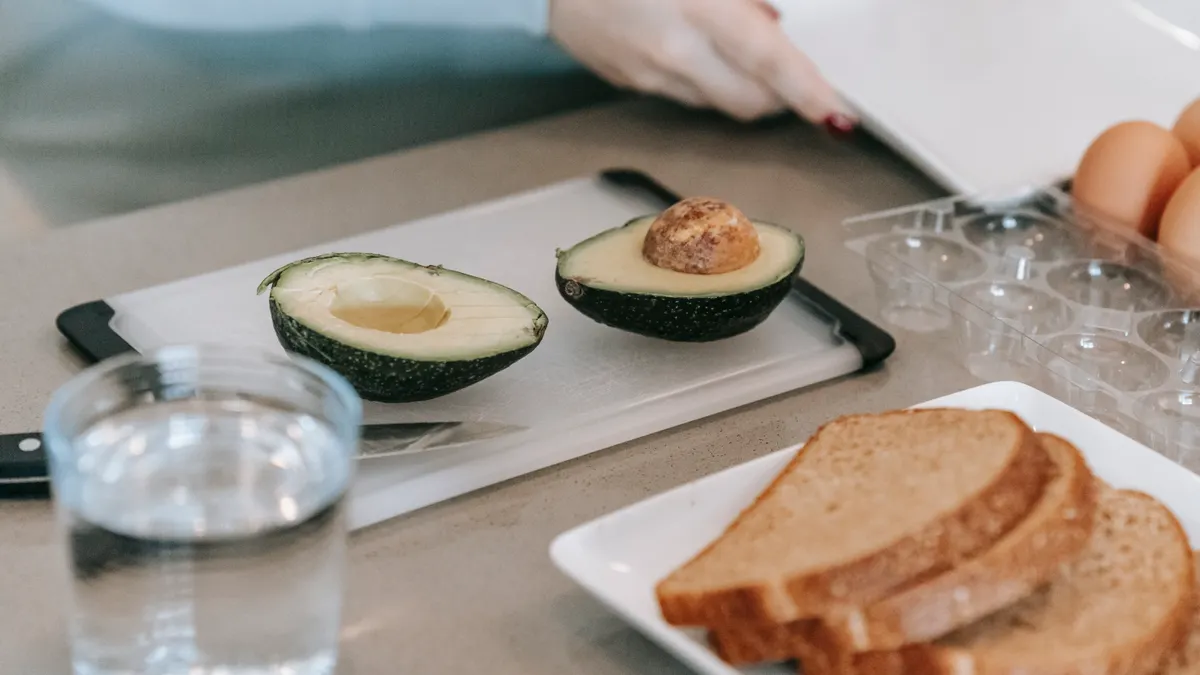
A breakfast sandwich is lower in sodium when the bread, protein, cheese, and extras are chosen carefully instead of stacked from packaged deli items. That usually means using a whole-grain English muffin, a plain egg, a modest amount of low-sodium cheese, and fresh vegetables rather than sausage, bacon, and salty sauces.
The biggest sodium spikes usually come from three places: bread, processed meat, and cheese. Many sandwich breads are not especially salty on their own, but a muffin, bun, or bagel can still add more sodium than expected. Processed meats are the hardest ingredient to control because even a small portion can carry a lot of salt. Cheese matters too. A slice of regular cheese can dominate the flavor, so a lower-sodium cheese or a smaller amount is often the better move.
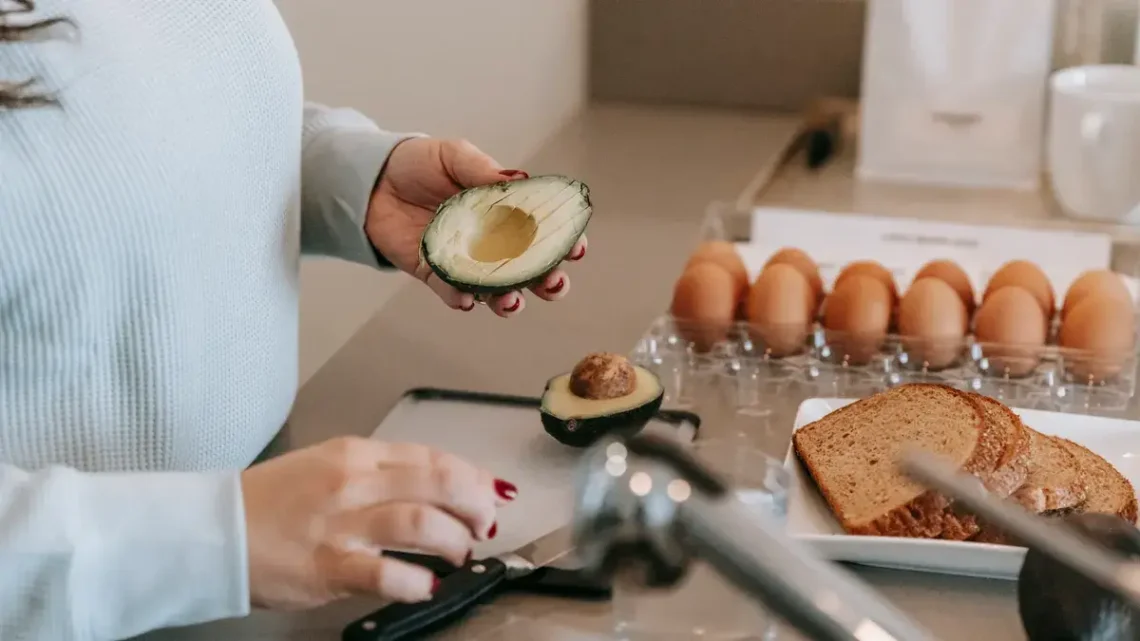
For seniors, the goal is not to make the sandwich bland. It is to keep the flavor focused. Pepper, garlic powder, chives, dill, black pepper, and a slice of tomato do more work than people expect. A thin layer of mashed avocado can also replace salty spreads and still give the sandwich moisture. If chewing is a concern, a soft-cooked egg and a lightly toasted English muffin are easier to manage than a crusty roll.
This is not the right approach if the sandwich depends on deli ham, bacon, or multiple slices of cheese to taste good. At that point, the salt climbs fast and the sandwich stops being a low-sodium choice.
For a broader meal plan, the Senior Heart-Healthy Breakfast Planning hub can help with the bigger picture. The Low-Sodium Meal Ideas for Older Adults page is another useful starting point. The Heart-Healthy Cooking for Seniors guide covers seasoning without extra salt.
Which bread works best for a heart-healthy breakfast sandwich?
A whole-grain English muffin is one of the easiest heart-healthy bread choices because it is portion-controlled, easy to hold, and usually softer than a crusty roll. A label that shows 100% whole grain is a practical sign to look for, and the Nutrition Facts panel shows the sodium amount per serving.
English muffins work well because they split cleanly and fit a fried or scrambled egg without becoming unwieldy. A thin bagel or artisan roll can be tasty, but many are larger than they need to be and can push the sodium higher. Thin sandwich bread, especially whole-wheat bread, also works well if the person wants a softer bite and less chewing. A sandwich made on two slices of bread can be easier to cut into halves than one built on a thick bun.
The useful rule is simple: choose bread that is soft enough to bite comfortably, sturdy enough to hold the filling, and not so large that the filling gets lost inside it. If the bread is very dense or very chewy, the sandwich becomes harder to manage, especially if dental work, dry mouth, or a slower eating pace is part of the picture.
Toast helps with texture. A slice of tomato or a few leaves of spinach helps with moisture. A smaller bread can also make the meal easier to finish, especially when appetite is lower. The goal is a bread that fits the eater, not just the filling.
5 low-sodium breakfast sandwich ideas that actually work
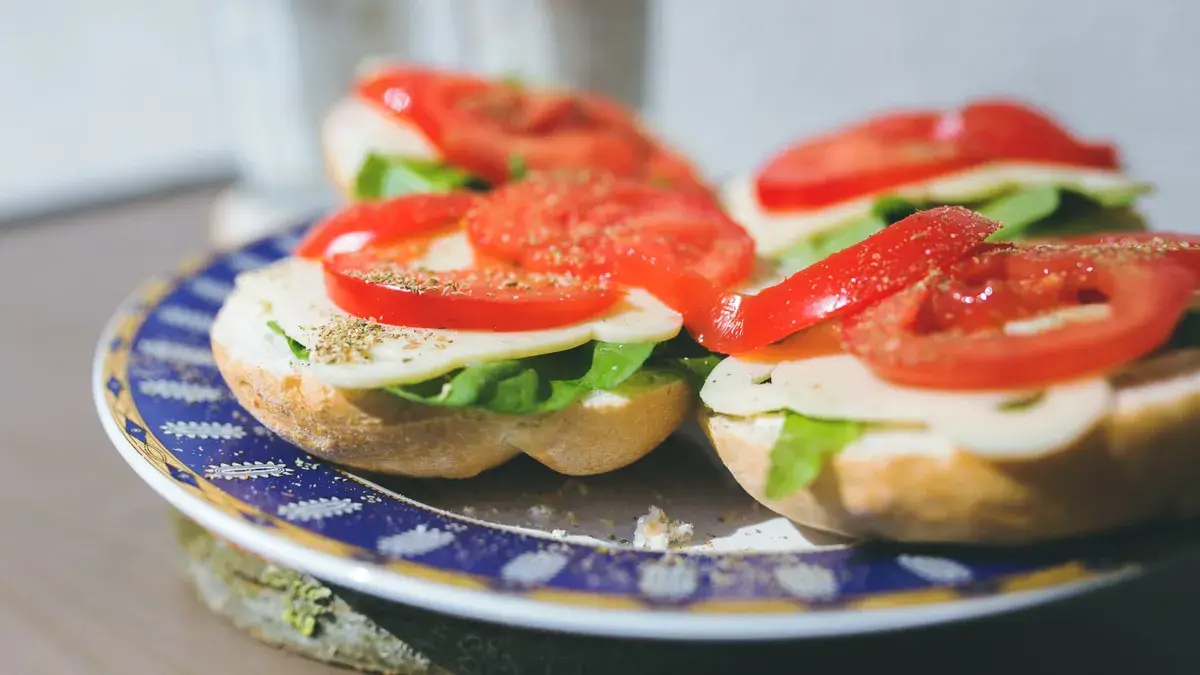
These five ideas stay practical because they rely on ingredients that are easy to find, easy to assemble, and easier to keep lower in sodium than a typical breakfast sandwich.
-
Egg, spinach, and tomato on a whole-grain English muffin. Scramble or fry 1 egg, add a handful of spinach, and top with 2 or 3 tomato slices. This is the cleanest option when the goal is a simple sandwich with very little sodium from added ingredients.
-
Egg and low-sodium cheese on toasted bread. Use 1 egg and 1 slice of low-sodium cheese on 2 slices of whole-wheat bread or a split muffin. The cheese gives the sandwich structure without needing salt-heavy condiments.
-
Avocado and egg on an English muffin. Mash 1 to 2 tablespoons of avocado onto the bread, then add a cooked egg. The avocado replaces mayonnaise or salty spreads and keeps the sandwich moist.
-
Egg white and spinach sandwich with tomato. Use 2 egg whites or 1 whole egg plus extra white, then add spinach and tomato. This keeps the sandwich light while still giving enough protein for many people at breakfast.
-
Turkey bacon and egg on a lower-sodium bread. If turkey bacon is the preference, use a small amount and build the sandwich around the egg and vegetables rather than letting the bacon carry the whole flavor. This is the compromise version, not the lowest-sodium version.
Which sandwich works best depends on the eater. Someone who wants a softer bite will usually do better with egg, spinach, and avocado. Someone who wants more savory flavor may prefer a small amount of turkey bacon with a plain egg. A senior who needs a sandwich that feels substantial without being heavy may like the egg-and-cheese version, provided the cheese is chosen carefully.
The one version I would not recommend as a standard low-sodium pick is the turkey bacon sandwich every day. It can fit occasionally, but it is the easiest of these ideas to push out of the low-sodium range.
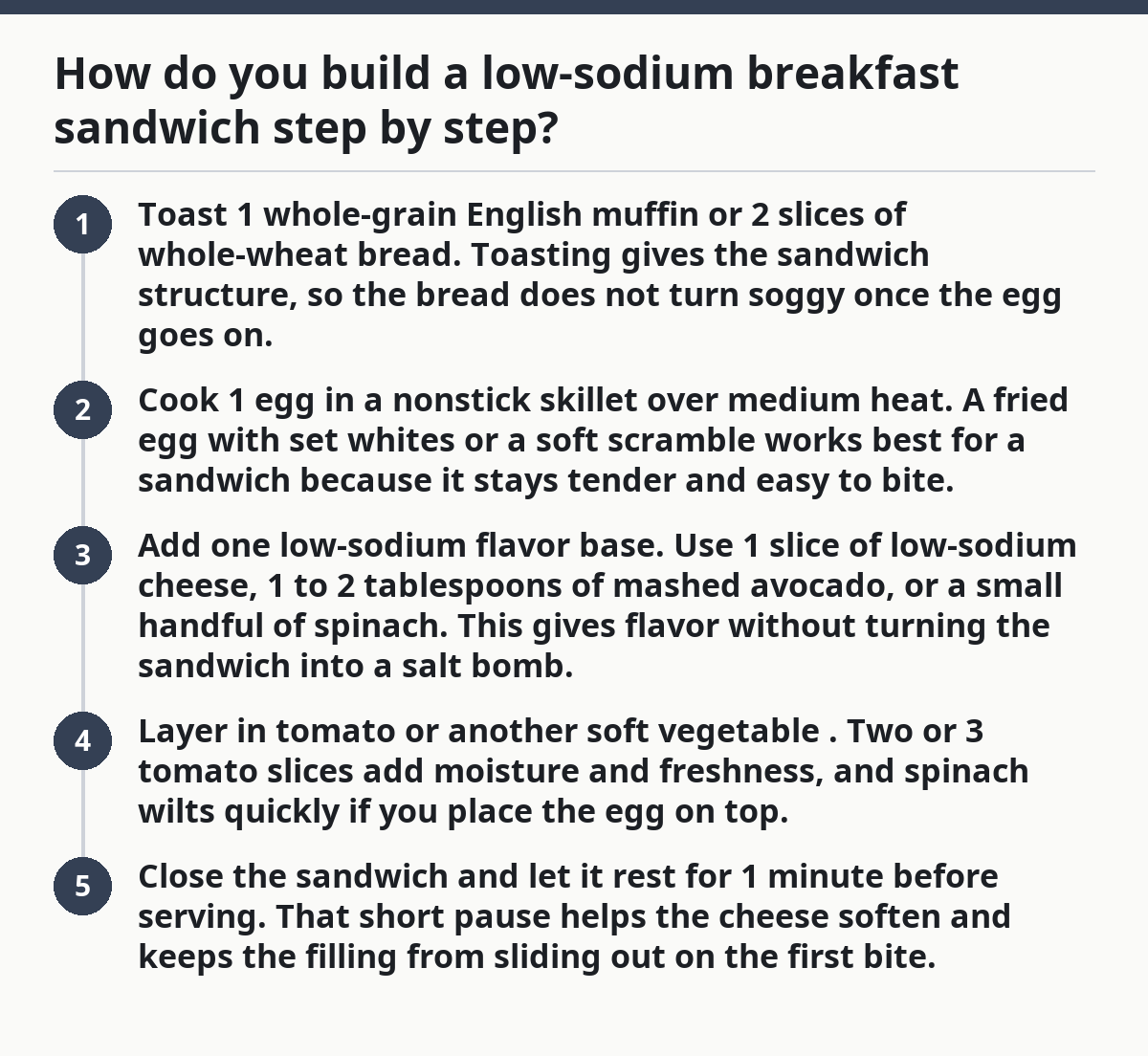
How do you build a low-sodium breakfast sandwich step by step?
You build it by cooking the egg first, choosing a smaller bread, and adding only one salty ingredient, if any, so the sandwich stays balanced. A 10-minute assembly is enough for most versions, and a nonstick skillet, toaster, and plate cover the whole job.
- Toast 1 whole-grain English muffin or 2 slices of whole-wheat bread. Toasting gives the sandwich structure, so the bread does not turn soggy once the egg goes on.
- Cook 1 egg in a nonstick skillet over medium heat. A fried egg with set whites or a soft scramble works best for a sandwich because it stays tender and easy to bite.
- Add one low-sodium flavor base. Use 1 slice of low-sodium cheese, 1 to 2 tablespoons of mashed avocado, or a small handful of spinach. This gives flavor without turning the sandwich into a salt bomb.
- Layer in tomato or another soft vegetable. Two or 3 tomato slices add moisture and freshness, and spinach wilts quickly if you place the egg on top.
- Close the sandwich and let it rest for 1 minute before serving. That short pause helps the cheese soften and keeps the filling from sliding out on the first bite.
The main mistake is overstuffing the sandwich. A tall sandwich often looks more appealing than it eats, and it can be awkward for someone who needs a neat, manageable bite. Another mistake is using salty condiments to “fix” a bland sandwich. Mustard, ketchup, and seasoning blends can add more sodium than expected, so the better fix is usually pepper, herbs, or a second slice of tomato.
A soft egg is the anchor here. If the egg is rubbery, the rest of the sandwich will feel worse, even if the ingredients are good. Aim for just-set whites and a yolk that is cooked to the eater’s preference.
Make-ahead breakfast sandwiches that stay practical
Make-ahead breakfast sandwiches work when the filling is cooked fully, cooled before wrapping, and reheated gently so the bread and egg do not turn tough. For many seniors, a freezer-friendly sandwich is more useful than a fresh one made in a rush at 7 a.m.
The practical method is to assemble each sandwich, wrap it tightly, and refrigerate for up to a few days or freeze for longer storage. Keep the fillings simple: egg, spinach, low-sodium cheese, or a thin layer of avocado if the sandwich will be eaten soon rather than frozen. Avocado is better fresh because freezing changes its texture. Tomato is also better added after reheating, since it can make the bread soggy.
Reheating matters as much as assembly. A microwave can warm the sandwich quickly, but it may soften the bread unevenly. Wrapping the sandwich in a paper towel and using short bursts helps. If a toaster oven is available, it can improve texture better than a microwave alone. Either way, the goal is a warm center and a bread surface that is not wet.
The drawback of make-ahead sandwiches is that they are less forgiving than fresh ones. If the sandwich is overloaded, the texture gets muddy after storage. If it contains too much moisture, the bread can collapse. The fix is a thinner layer of filling and a sturdier bread, not a thicker sandwich.
This is a strong option for someone who wants breakfast ready before leaving the house or before a morning medication schedule. It is less useful for anyone who wants a crisp, just-made sandwich every day.
Protein add-ins that help without adding much salt
Egg is the best protein anchor for a low-sodium breakfast sandwich because it brings structure, flavor, and familiarity without needing added salt. If more protein is needed, the lowest-sodium add-ins are the ones that stay close to the egg instead of replacing it with a heavily processed meat.
A second egg is the simplest upgrade. So is a little extra egg white. That keeps the sandwich mild and soft. Low-sodium cheese can also help, especially when the slice is thin and used mainly for melt rather than for strong cheese flavor. Turkey bacon is the least ideal of the common add-ins, but it can be used sparingly when the rest of the sandwich is kept very plain.
Spinach and tomato do not add much protein, but they improve the sandwich enough that a person often feels satisfied with less meat. That matters because a better-balanced sandwich can make a smaller portion feel complete. Avocado is not a protein food, but it helps the sandwich feel substantial, and that can reduce the urge to add another salty slice of meat or cheese.
The common trap is choosing protein by habit instead of sodium content. A breakfast sandwich with egg, spinach, and a little cheese can taste more complete than a heavier sandwich built around bacon. That is especially true for seniors who want something portable but not greasy.
If the sandwich needs to be more filling, it is usually better to add another egg or a bit more avocado than to stack on extra meat. The first choice changes texture and fullness without making the sandwich much saltier.
How do you make a breakfast sandwich lower in sodium?
Use a plain egg, a whole-grain English muffin or other lower-sodium bread, and one modest flavor add-in such as low-sodium cheese, spinach, avocado, or tomato. The fastest way to raise sodium is to add processed meat, large amounts of cheese, or salty sauces. If the sandwich tastes flat, season with pepper, herbs, or garlic powder instead of more salt.
What bread works best for a heart-healthy breakfast sandwich?
A whole-grain English muffin is one of the best choices because it is portion-controlled, soft enough for many seniors, and easy to hold. Whole-wheat sandwich bread also works well if a softer bite is easier. The best bread is the one that keeps sodium reasonable and still feels comfortable to chew and swallow.
Can breakfast sandwiches be made ahead and frozen?
Yes, breakfast sandwiches can be made ahead and frozen if the filling is cooked first and wrapped tightly. Eggs, low-sodium cheese, and spinach freeze better than avocado or tomato, which are best added fresh. Reheat gently in the microwave or toaster oven so the bread does not turn rubbery.
Drafted with AI; not yet reviewed by a person.