Last updated: November 19, 2026
Key Takeaways
- A lunch salad holds up well when the greens stay firm, the toppings stay dry until eating, and the dressing stays light or separate.
- Romaine, kale, and sturdy spring mixes with crisp stems are reliable greens for low-sodium lunch salads for seniors.
- Plain chicken, chickpeas, eggs, or tofu can help a salad stay filling without leaning on salty toppings.
- A light vinaigrette adds flavor without flooding the greens.
Low-sodium lunch salads for seniors that hold up well need to stay crisp, fill you up, and stay gentle on salt. This article on Low-Sodium Lunch Salads for Seniors That Hold Up Well focuses on greens, protein, and packing methods that keep the bowl usable hours later. The sections below settle which ingredients hold up, which ones wilt fast, and how to pack a salad that still eats well later in the day.
What makes a lunch salad hold up well?
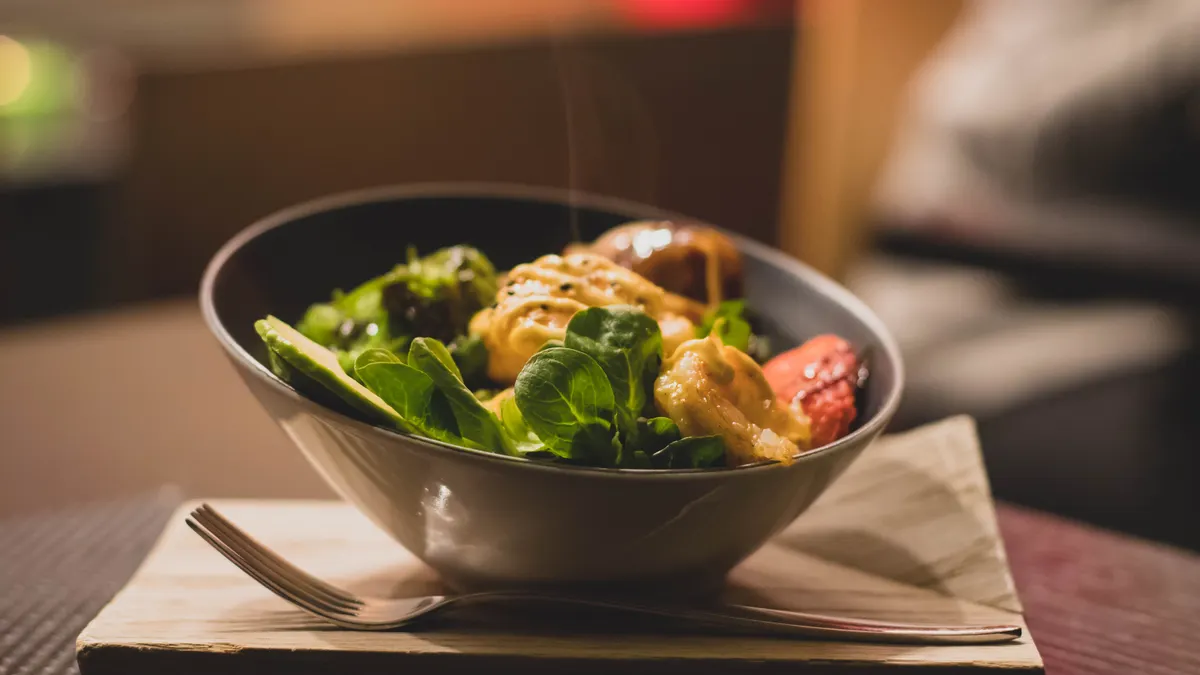
A lunch salad holds up well when the greens stay firm, the toppings stay dry until eating, and the dressing sits on the side or stays light. For seniors, that usually means leafy greens, chickpeas, chicken, cucumbers, tomatoes, and a simple vinaigrette built for texture, not salt.
Because lunch often sits for hours before it is eaten, the order of ingredients matters. Picture this: you’re making lunch at 10 a.m. and eating at 1 p.m. You want something that still looks fresh in the bowl, not a wet pile by noon. The trick is to build the salad from the bottom up.
Use sturdier greens first:
- Romaine
- Green leaf lettuce
- Kale, if you massage it lightly
- Spinach, only if you eat it sooner
Skip delicate lettuce if the salad will sit more than 2 to 3 hours. Butter lettuce and tender baby mixes collapse fast once they meet moisture. If you need a salad that lasts through a morning in the fridge, a firmer base is the safer bet.
The same rule applies to toppings. Cucumbers and tomatoes can add freshness, but they also release water. Keep them chopped a little larger, and keep juicy pieces away from the greens until serving. A dry salad feels plain for about 30 seconds; then it pays off in the last bite.
Which greens are best for low-sodium lunch salads for seniors?
Romaine, kale, and sturdy spring mixes with crisp stems work best for low-sodium lunch salads for seniors because they hold texture better than soft lettuces and do not need added salt to taste clean. If chewing is an issue, thinly sliced romaine and chopped spinach are easier to manage.
To choose the right base, start with how long the salad needs to sit. Picture this: you’re standing at the sink with a head of romaine and a bag of spinach. One gives you crunch that lasts; the other gives you a softer bite that can turn limp by afternoon.
Here’s a practical way to choose:
- Romaine for crunch and structure
- Kale for the longest hold, especially with a light massage
- Baby spinach for softer texture, but only if eaten soon
- Arugula for flavor, though it wilts quickly
Kale deserves a fair warning. It holds up well, but the leaves can feel tough if they’re left whole. Tear or chop them, then rub them with a little dressing or lemon juice so the texture softens. That step takes 1 to 2 minutes and changes the bite a lot.
Romaine is the easiest middle ground. It stays crisp, feels familiar, and pairs well with chicken or chickpeas. On the flip side, iceberg has crunch but not much staying power once it’s cut and dressed. It can also feel watery in a lunch container, which is a bad trade for anyone trying to keep a meal satisfying without extra sodium. If you are building a broader menu, that same logic fits the heart-healthy lunch strategies for seniors hub.
How should you build the protein so the salad keeps you full?
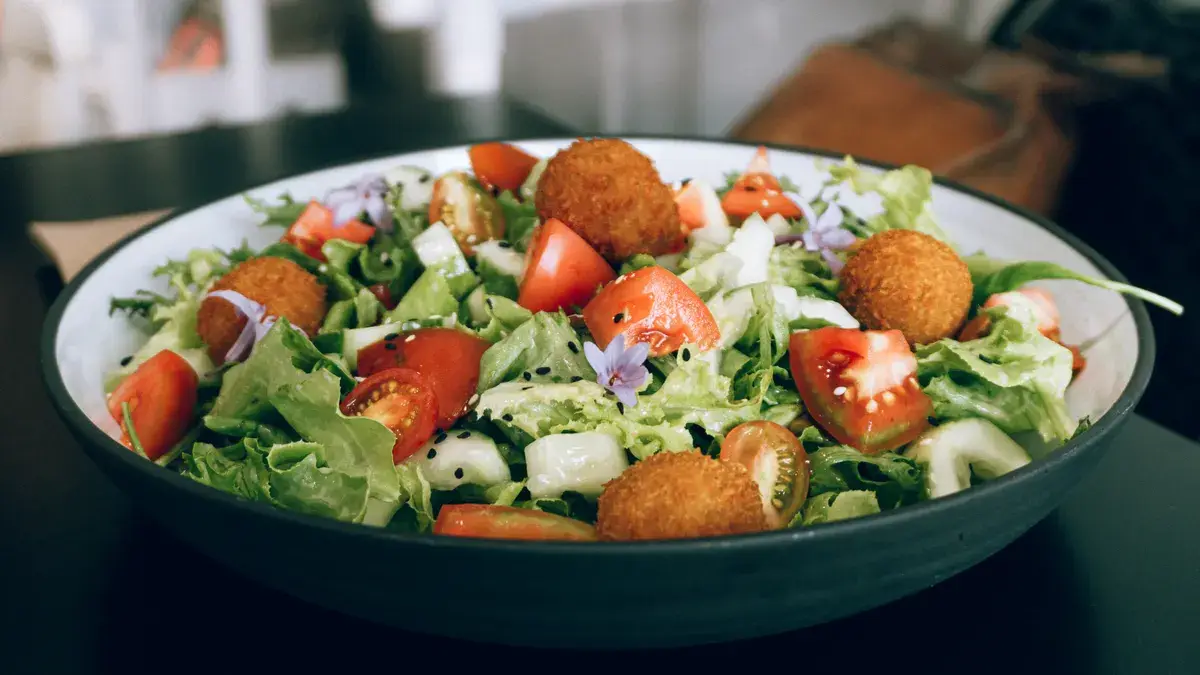
You should build the protein with plain chicken, chickpeas, eggs, or tofu so the salad stays filling without leaning on salty toppings. Protein keeps the bowl from feeling like a side dish, and it helps the meal feel complete without deli meat, bacon, or cheese-heavy add-ins.
Picture this: you’re eating at your desk and want lunch to last until dinner. A bowl of greens alone won’t do it, and a salty protein can push the sodium up fast. The better move is a clean protein with simple seasoning.
A good low-sodium protein mix usually looks like this:
- Chicken breast: cooked plain, sliced cold, and easy to portion
- Chickpeas: rinse well if canned, then dry them on a towel
- Hard-boiled eggs: simple and packable
- Tofu: especially firm tofu cut into cubes
Chicken is the most familiar option for many seniors. Use plain cooked chicken breast, then slice it thin so it eats well without extra chewing. Chickpeas are a strong plant option because they bring both bulk and bite. Rinsing canned chickpeas helps wash away some surface salt, and drying them keeps the salad from getting soggy.
Avoid turning the protein into a salt trap. Pre-seasoned rotisserie chicken, ham, salami, and most cured meats can crowd out the low-sodium goal fast, so it is worth checking labels or asking a dietitian or other health professional if you are unsure. They also soften the whole salad with grease. The better choice is plain protein plus flavor from herbs, pepper, lemon, or a light vinaigrette; the USDA FoodData Central database is a useful reference for comparing sodium in packaged and prepared foods. If the salad needs to last through the morning, keep protein in a separate compartment or a second container. That way the greens stay dry. A two-container setup takes a little more work, but it can help prevent a wet bottom layer; if you have specific swallowing, chewing, or food-safety concerns, check with a health professional.
What dressing works without making the salad soggy?
A light vinaigrette works best because it adds flavor without flooding the greens. Keep the dressing simple, low-salt, and separate until the meal starts, then use just enough to coat the leaves instead of soaking them.
Picture this: you’re opening a lunch box and want a salad that still tastes bright. Heavy ranch-style dressings can hide salt and make the bowl heavy, while a sharp vinaigrette wakes up plain greens and chicken.
A good dressing formula for this kind of lunch is:
- Oil
- Vinegar or lemon juice
- Pepper
- Herbs like dill, basil, or parsley
You do not need a long ingredient list. A vinaigrette with olive oil and vinegar is enough for most lunch salads, and it plays well with chicken, chickpeas, cucumbers, and tomatoes. If the salad includes kale, the acid also helps soften the leaves a bit.
Too much dressing can make even sturdy greens slump in 10 to 15 minutes. Too little and the bowl tastes dry. The sweet spot is usually a light coating, not a puddle.
Skip bottled dressings that list sodium near the top of the nutrition panel or that taste heavily seasoned straight from the spoon. A salad can look healthy and still carry a salt load from the dressing alone. If you want more flavor without more sodium, use mustard sparingly, add lemon zest, or lean on fresh herbs. You can do all of that without changing the salad structure.
For readers building a broader meal plan, this fits neatly with the heart-healthy lunch strategies for seniors hub and related low-sodium meal ideas. This page stays focused on the salad itself. The Mayo Clinic also notes that building meals around vegetables and lean proteins supports heart-healthy eating.
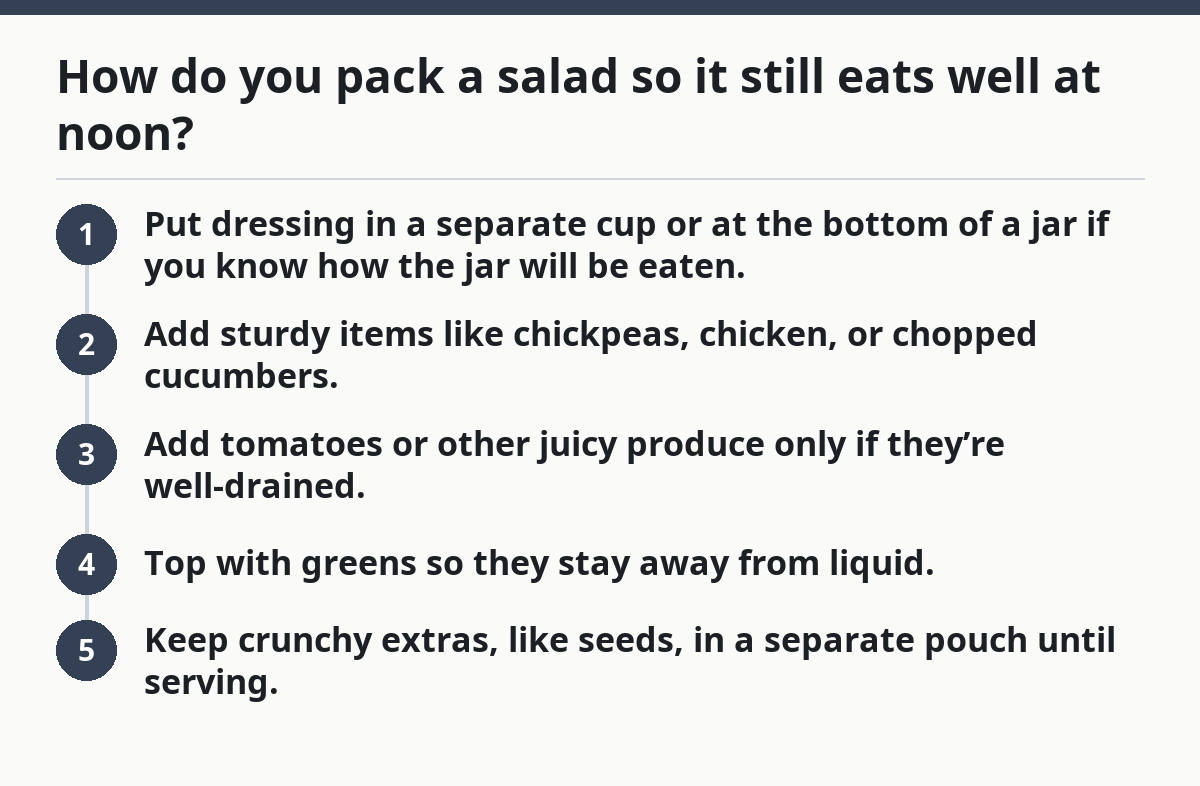
How do you pack a salad so it still eats well at noon?
You pack a salad so it still eats well at noon by keeping wet ingredients separate, using a hard container, and layering the driest items near the top or bottom depending on the container style. The goal is to protect the greens from moisture for the full 3 to 5 hours between prep and lunch.
Picture this: you’re packing lunch in the morning and you don’t want a soggy surprise later. The order of ingredients matters almost as much as the ingredients themselves. A bad pack job can ruin a good salad faster than the wrong lettuce.
Use this simple build order:
- Put dressing in a separate cup or at the bottom of a jar if you know how the jar will be eaten.
- Add sturdy items like chickpeas, chicken, or chopped cucumbers.
- Add tomatoes or other juicy produce only if they’re well-drained.
- Top with greens so they stay away from liquid.
- Keep crunchy extras, like seeds, in a separate pouch until serving.
A container with a tight lid matters too. A loose lid lets air dry out the greens and makes the whole salad smell like the fridge. A rigid container also keeps the chicken from getting squashed into the leaves. That matters for texture and food safety. The FDA’s food storage guidance is a useful reminder that cold food should be kept refrigerated until eating.
If you use tomatoes, seed them first when you can. Removing some of the watery core cuts down on puddling. If you use cucumbers, slice them thick enough to keep some crunch. Thin slices turn slippery quickly. Because of that, this step is less about fancy technique and more about respect for the lunchbox.
What are the best texture contrasts in a senior-friendly salad?
The best texture contrasts are crisp greens, soft protein, and one crunchy add-in that doesn’t need much salt. A salad gets boring when every bite feels the same, so the goal is a mix of snap, chew, and tender pieces.
Picture this: you’re halfway through lunch and the bowl still needs to feel interesting. Texture does that job better than extra dressing or salt. A good salad should have at least one crisp thing, one soft thing, and one fresh thing.
Try these combinations:
- Romaine + chicken + cucumber
- Kale + chickpeas + tomato
- Spinach + egg + cucumber
- Mixed greens + tofu + diced bell pepper
Cucumbers bring snap. Tomatoes bring juiciness. Chickpeas bring chew. Chicken brings a clean, familiar bite. If chewing is tiring, keep the pieces smaller and the greens chopped. That gives the mouth less work without turning the salad into mush.
Be careful with salty crunchy add-ins like croutons, seasoned nuts, or packaged tortilla strips. They can make a salad taste better for about 2 bites and then push the sodium too high. If you want crunch, try plain toasted sunflower seeds or unsalted pumpkin seeds in a small amount. The portion stays modest, the texture stays real, and the salad still feels like lunch. If you want more ideas, the low-sodium meal ideas hub can help you keep the rotation varied.
What mistakes make a low-sodium salad fail?
The biggest mistakes are using soft greens, over-dressing early, and leaning on processed toppings for flavor. Those choices cost you texture, freshness, and the low-sodium goal all at once.
Picture this: you’re trying to make lunch easier, not build a problem for later. A salad can fail in ways that are easy to miss at first. It may look healthy, but by noon it’s wilted, salty, and hard to finish.
Common mistakes and what they cost:
- Soft greens: they collapse fast and leave a watery bowl
- Dressing too early: the salad turns limp before lunch
- Cured meats or cheese-heavy toppings: sodium climbs quickly
- Too many juicy vegetables at once: the container fills with liquid
The fix is usually simple. Choose a firmer base, dress only what you plan to eat right away, and keep salty add-ins out of the bowl. If the salad needs more flavor, build it with herbs, lemon, pepper, garlic powder, or a little mustard in the vinaigrette instead of reaching for processed toppings.
One more mistake deserves its own callout: making the salad too small. A side salad can be fine, but a lunch salad for seniors usually needs enough protein and bulk to count as a real meal. Without that, you end up hungry an hour later and hunting for a salty snack.
A simple low-sodium lunch salad formula you can repeat
A simple repeatable formula is 2 to 3 cups of greens, 1 palm of protein, 1 to 2 crunchy vegetables, and a light vinaigrette added at the last minute. That structure keeps the salad balanced, filling, and easier to eat than a random pile of ingredients.
Picture this: you’re tired of thinking about lunch every day. You want a template, not a recipe book. The easiest way to keep salads useful is to use the same structure and swap the ingredients.
Use this formula:
- Base: romaine, kale, or spinach
- Protein: chicken, chickpeas, egg, or tofu
- Crunch: cucumbers, celery, or bell pepper
- Juice: tomatoes, if drained well
- Finish: vinaigrette with oil, vinegar, herbs, and pepper
That formula scales well. If you need a softer salad, use more spinach and chop everything smaller. If you need a heartier bowl, use more romaine and add chickpeas plus chicken. If you need something that holds for several hours, keep the dressing separate until the last possible moment.
This is also where a little planning pays off. Wash and dry greens once, cook plain chicken once, and keep a jar of vinaigrette ready in the fridge for the week. That turns lunch into assembly, not cooking. And for a reader trying to keep sodium down without getting bored, that is the whole point.
What makes a lunch salad heart-healthy?
A heart-healthy lunch salad usually leans on vegetables, lean protein, and a lighter dressing instead of salty processed toppings. It also keeps saturated fat and sodium in check, which is why plain chicken, chickpeas, cucumbers, tomatoes, and vinaigrette fit the pattern well.
For seniors, the best salads also need to be easy to chew and satisfying enough to replace a full meal. That means texture matters as much as nutrition. A salad that holds up well is more likely to get eaten, which matters more than a perfect ingredient list.
How do you keep a salad from getting soggy?
You keep a salad from getting soggy by separating wet ingredients from greens until eating time. Dressing, tomatoes, and cucumbers are the main culprits, so they should be controlled first.
Dry greens also help. Wash them early, then dry them thoroughly before storage or packing. If the leaves are still damp when the salad is built, the moisture has nowhere to go.
What can seniors put in a low-sodium salad?
Seniors can put in leafy greens, plain chicken, chickpeas, cucumbers, tomatoes, eggs, and light vinaigrette. These foods bring color, protein, and texture without relying on salty toppings.
The best choices are the ones that match chewing comfort and storage time. Sturdy greens and plain protein usually work better than soft lettuce and heavily seasoned meat.
Drafted with AI; not yet reviewed by a person.