Last updated: November 19, 2026
Key Takeaways
- A heart-healthy evening snack is usually 150 calories or less, low in sodium, and easy to eat in 5 minutes or less.
- The most filling late-night foods here are banana, yogurt, toast, nuts, and milk because they are familiar, easy to portion, and less likely to feel greasy or salty.
- A bedtime snack should fit in one small bowl, one slice, or one cup, not on a full dinner plate.
- Lower-sodium late-night snacks come from simple foods, not packaged snacks with long labels.
Heart-Healthy Late-Night Snacks for Seniors should be small, low-sodium, and easy to digest. A light evening snack can satisfy hunger without piling on salt, sugar, or a heavy stomach. The sections below sort out what works best, what to skip, and how to keep portions modest.
What makes an evening snack heart-healthy?
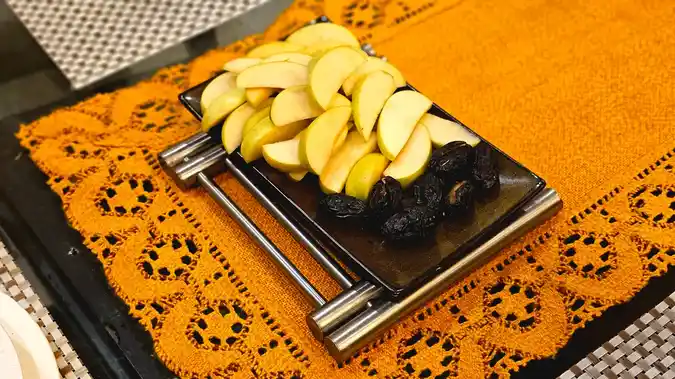
A heart-healthy evening snack is usually 150 calories or less, low in sodium, and easy to eat in 5 minutes or less. The goal is simple: calm hunger without making bedtime feel heavier.
For seniors choosing Heart-Healthy Late-Night Snacks for Seniors, the timing matters too. Picture this: you’re hungry after dinner, the kitchen is quiet, and you want something that won’t leave you feeling stuffed at 10 p.m. A smart snack uses plain foods with little added salt, sugar, or saturated fat. That means fruit, plain yogurt, whole-grain toast, or a small handful of nuts, not chips, pastries, or salted cured meats; if you have medical concerns, check with a clinician or dietitian first, and the American Heart Association recommends limiting sodium to help support heart health (https://www.heart.org/).
To keep the choice practical, use a few simple rules:
- Choose foods with short ingredient lists.
- Keep portions small enough to fit on a bread plate.
- Favor unsalted or low-sodium versions when possible.
- Pair a carb with a little protein if hunger keeps coming back.
For more meal planning help across the day, the hub on senior heart-healthy lunch and snack planning can fill in the bigger picture without making nighttime eating the focus.
Which late-night foods are light but satisfying?
The most filling late-night foods here are banana, yogurt, toast, nuts, and milk because they are familiar, easy to portion, and less likely to feel greasy or salty. The trick is to keep the serving modest and stop before the snack turns into a second meal.
For Heart-Healthy Late-Night Snacks for Seniors, that balance matters after a long day. Picture this: you wake up hungry at 11 p.m., but you do not want a full plate of food. The right snack takes the edge off and leaves you ready for bed, not overfull and restless.
A few plain combinations work well:
- Banana with a few nuts: soft fruit plus crunch, with no added sodium.
- Plain yogurt with a spoonful of fruit: cool, easy to eat, and gentle for many people.
- Whole-grain toast with a thin spread of nut butter: steady, simple, and not messy.
- Warm milk in a small mug: mild and easy to sip.
- Toast and a few slices of banana: light, sweet, and easy on the stomach.
The catch is that “healthy” can still mean too much food at night.
- A large bowl of nuts can bring a lot of calories fast.
- Sweetened yogurt can hide a surprising amount of added sugar.
- Thick buttered toast can turn a light snack into a heavy one.
- Flavored milk drinks can bring extra sugar you did not plan on.
If the food looks like something you’d eat at breakfast, lunch, and dinner all at once, it’s probably too much for bedtime.
How should seniors portion a snack before bed?
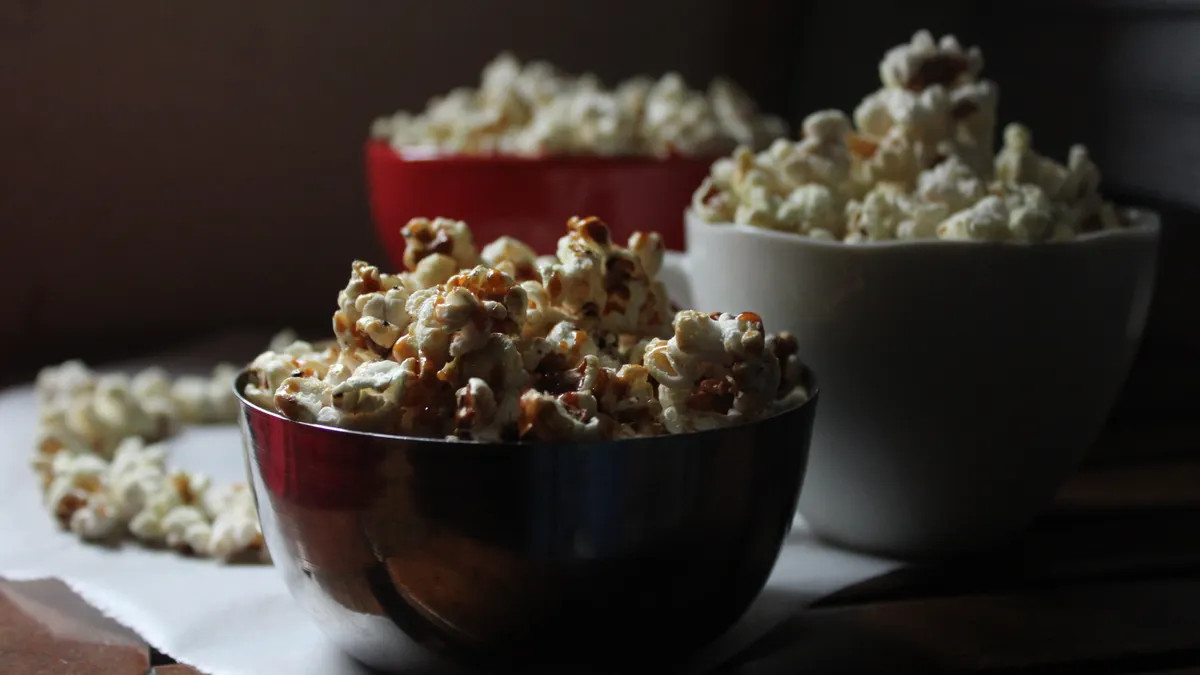
A bedtime snack should fit in one small bowl, one slice, or one cup, not on a full dinner plate. Smaller portions help you answer hunger without creating the heavy, bloated feeling that can follow late eating.
For Heart-Healthy Late-Night Snacks for Seniors, portion size does most of the work. Picture this: you have already eaten dinner, but your stomach still wants a little something. You need a clear rule, not a vague hunch. This is where portion size does the real work.
Use this simple procedure:
- Start with one food group, not three. A banana, a cup of milk, or one slice of toast is enough to begin.
- Add only one partner food if you still feel hungry. A few nuts with fruit or a thin layer of nut butter on toast is plenty.
- Put the food on a small dish or in a 1-cup bowl so the serving looks finished when it is still modest.
- Eat slowly for about 5 minutes and stop before you feel full. The goal is comfort, not a second dinner.
- If hunger comes back every night, check whether dinner was too small or too early rather than making the snack bigger.
A late-night snack works best when it stays predictable.
- Keep a plain option ready in the fridge or cabinet.
- Avoid eating straight from the bag or box.
- Use the same plate or bowl each night so portions do not drift upward.
- If chewing is hard, softer foods like yogurt, banana, or milk are easier than crunchy snacks.
A snack that feels “tiny” is usually the right size. A snack that feels like a course is not.
What late-night snacks are lower in sodium?
Lower-sodium late-night snacks are the ones that come from simple foods, not packaged snacks with long labels. Plain fruit, unsalted nuts, plain yogurt, unsalted toast, and milk are the cleanest fits for a low-sodium evening. The American Heart Association also notes that many adults should aim to keep sodium intake in check, especially when heart health is a concern (https://www.heart.org/).
For Heart-Healthy Late-Night Snacks for Seniors, the easiest low-sodium choices are often already in the kitchen. Picture this: you want something quick after a long day, and the packaged snack shelf is right there. That shelf is often where sodium hides. Crackers, seasoned chips, cheese snacks, and processed meats can all push salt higher than you expect.
A low-sodium snack is easier to build than to shop for if you know the pattern:
- Fruit: banana slices, apple slices, or berries.
- Plain yogurt: choose unsweetened when you can.
- Toast: use whole-grain bread with no salty topping.
- Unsalted nuts: keep the portion small.
- Milk: plain and simple, hot or cold.
On the flip side, some foods look harmless but are poor bedtime choices:
- Flavored crackers often bring salt without much staying power.
- Cheese-heavy snacks can be high in sodium and feel heavy late at night.
- Seasoned snack mixes can add salt fast.
- Instant soups are usually too salty for a night snack.
A low-sodium snack does not need a recipe card.
You can build one from the same five foods most seniors already keep around. Plain food is often the easiest food to keep heart-friendly after dark.
How do I make these snacks sleep-friendly?
A sleep-friendly snack is one that stays small, low in grease, and easy to digest within about 30 minutes of eating. Heavy, spicy, or very sweet foods can make bedtime less comfortable, even if the food is technically “healthy.” The NIH’s National Institute on Aging recommends paying attention to how food and drink affect sleep, especially later in the day (https://www.nia.nih.gov/).
For Heart-Healthy Late-Night Snacks for Seniors, the goal is comfort, not a late meal. Picture this: you are tired, but your stomach is still talking. The wrong snack can wake you up more than it settles you down. The right one should feel quiet and plain.
Keep these rules in mind:
- Choose soft foods if chewing at night is tiring.
- Skip very spicy toppings close to bed.
- Keep caffeine out of the picture after dinner.
- Stick with mild foods such as banana, yogurt, toast, or milk.
- Stop when the edge is off your hunger, not when you feel stuffed.
A few examples make sense at night:
- Plain yogurt if you want something cool and easy.
- Warm milk if you want a calm, simple option.
- Toast with banana if you need more staying power.
- A small handful of nuts if you want a crunchy bite, but only a small handful.
Avoid the bedtime traps that make sleep harder:
- Sugary desserts can make you want more sugar.
- Greasy foods can sit heavy.
- Very salty foods can leave you thirsty.
- Large portions can keep you awake because you feel too full.
Should a senior skip nighttime eating altogether? Not necessarily. If hunger is real, a small snack can be the better choice than trying to sleep with an empty stomach.
What are the biggest late-night snack mistakes?
The biggest mistake is turning a small evening snack into a full meal, usually with salt, sugar, and too much volume all at once. That choice can leave you thirsty, full, or awake longer than planned.
For Heart-Healthy Late-Night Snacks for Seniors, the risk is not the snack itself but the drift in portions. Picture this: you’re standing at the counter and telling yourself you’ll just have a little something. Then the bag comes out, the toast gets another layer, and the snack keeps growing. That pattern causes most of the trouble.
Common mistakes and what they cost:
- Too much sodium: you may feel thirsty or puffy afterward.
- Too much sugar: the snack tastes good fast, then fades fast.
- Too much food: bedtime feels heavy and uncomfortable.
- Too little protein: hunger returns soon after you lie down.
- Too much butter or fried food: digestion can feel slow and sluggish.
Use this instead:
- Pick one main food.
- Add one helper food if needed.
- Keep the portion small.
- Choose plain over seasoned.
A banana alone may be enough. So may a slice of toast.
The point is not to make snack time strict. The point is to keep it simple enough that you can repeat it without thinking and without waking up uncomfortable.
A simple evening snack plan you can repeat all week
A repeatable evening snack plan keeps the choices easy and the portions steady, with just 3 or 4 options on standby. The fewer decisions you make late at night, the less likely you are to overdo it.
For Heart-Healthy Late-Night Snacks for Seniors, a short routine can be easier to follow than a brand-new choice every night. Picture this: it’s late, your energy is low, and you do not want to stand in front of the fridge guessing. A short plan removes the guesswork and keeps the snack heart-friendly without turning it into a project.
Use a rotation like this:
- Monday: banana and a few unsalted nuts.
- Tuesday: plain yogurt in a small bowl.
- Wednesday: one slice of whole-grain toast.
- Thursday: warm milk in a mug.
- Friday: toast with a thin spread of nut butter.
- Weekend: choose the option that feels lightest and easiest.
A few practical rules keep the plan working:
- Buy snack foods in small packages when possible.
- Store nuts in a small container, not the full bag.
- Keep fruit washed and easy to reach.
- Use plain dairy or fortified milk if that fits your routine.
- Stop eating when the snack feels complete, even if the kitchen is still open.
One honest limit: this kind of snack plan is not for a person who needs a very strict medical diet without guidance. If salt, fluid, or blood sugar limits are part of the picture, a clinician should help set the rules.
For everyone else, the best evening snack is often the dull one, or at least the simplest one. That is not a flaw. It is the point.
What is a good snack before bed for seniors?
A good snack before bed for seniors is small, plain, and easy to digest, such as a banana, plain yogurt, whole-grain toast, a few unsalted nuts, or a small cup of milk. A safe choice is the one that takes the edge off hunger without feeling heavy or salty, and if you need personal guidance, ask a clinician or dietitian.
Which late-night foods are light but satisfying?
Light but satisfying late-night foods usually combine a soft carb with a little protein or fat, such as toast with nut butter, yogurt with fruit, or banana with a few nuts. These foods give enough staying power for bedtime without turning into a large meal.
Should seniors eat at night if they wake hungry?
Seniors should not ignore real hunger if it wakes them at night, but the snack should stay small and plain. A light option like milk, yogurt, toast, or fruit is usually a better fit than a big, salty, or sugary snack that can make sleep harder.
Drafted with AI; not yet reviewed by a person.