Last updated: August 10, 2026
Quick Answer: These easy low-sodium dinner recipes for seniors with heart health in mind can usually be made in 20 to 40 minutes and work best when each plate follows a simple pattern: one lean protein, one soft vegetable, and one gentle starch. In this guide to easy low-sodium dinner recipes for seniors with heart health in mind, I focus on repeatable meals that stay flavorful without leaning on salty shortcuts.
Key Facts / Key Takeaways
– Most easy low-sodium dinner recipes for seniors with heart health in mind use fresh or frozen vegetables, herbs, citrus, garlic, and unsalted pantry staples.
– A practical low-sodium dinner often takes 20 to 40 minutes and can reheat well for leftovers.
– Foods that commonly add hidden sodium include canned broths, seasoning packets, jarred sauces, packaged rice mixes, smoked meats, and frozen entrées.
– A heart-health dinner plan works best when it is simple enough to repeat weekly.
– Seniors who also have kidney disease, diabetes, or heart failure may need individualized guidance from a clinician or registered dietitian.
Picture a quiet kitchen at 6 p.m., not a magazine spread. For an older adult with heart concerns, I’d keep one rule in mind: dinner has to be simple enough to repeat, and low in sodium without tasting like punishment. Fresh or frozen vegetables, unsalted pantry staples, herbs, citrus, garlic, and a few dependable recipes do that job better than canned soup, deli meat, or bottled sauces.
The Dinner Pattern I Would Use First
One lean protein. One soft-cooked vegetable. One gentle starch. One sauce or seasoning that brings flavor without a salt bomb. That is the pattern I would use first for the easiest low-sodium dinners for seniors. Also, I’d aim for meals that are easy to chew, easy to digest, and easy to reheat the next day. Clean, plain, done.
For heart health, the real win is not a single flawless plate. Instead, it is a dinner routine that trims sodium often enough to matter. A generic article usually says “use less salt” and stops there; not very helpful, honestly. The practical move is to replace the ingredients that quietly carry the most sodium: canned broths, seasoning packets, jarred sauces, packaged rice mixes, smoked meats, cheese-heavy casseroles, and frozen entrées.
Here is the framework I use for each recipe in this article:
- Build flavor with onion, garlic, black pepper, oregano, thyme, rosemary, paprika, lemon, and vinegar.
- Choose low-sodium or no-salt-added versions when using canned beans, tomatoes, or broth.
- Rinse canned beans and vegetables when possible.
- Cook vegetables until tender, especially if chewing is a problem.
- Keep portions modest if appetite is smaller.
A reader looking for “easy” usually needs a dinner that takes 20 to 40 minutes, uses common ingredients, and does not require special equipment. These recipes fit that intent. They are also flexible. Need softer textures? I’d lean toward baked fish, beans, eggs, yogurt-based sauces, and roasted vegetables rather than crisp salads or chewy grilled meats. That trade-off matters.
Recipe 1: Lemon Garlic Baked Salmon with Green Beans

I’d put this first because it feels complete without being heavy. Salmon handles the protein, green beans bring fiber, and lemon plus garlic do the flavor work that salt usually tries to do. Simple. Almost unfairly simple.
Ingredients
– 2 salmon fillets
– 2 cups green beans, fresh or frozen
– 1 tablespoon olive oil
– 2 cloves garlic, minced
– Juice of 1 lemon
– Black pepper
– Dried dill or parsley
Method
1. Heat the oven to 400°F.
2. Place salmon on a lined baking sheet.
3. Toss green beans with olive oil, garlic, pepper, and half the lemon juice.
4. Put everything on the sheet and bake until the salmon flakes and the beans are tender.
5. Finish with the rest of the lemon juice and dill.
I like this one because cleanup stays low. Salmon can be swapped for cod or tilapia if affordability is the issue.
Why it works for seniors: soft texture, short cooking time, and no need for a salty sauce.
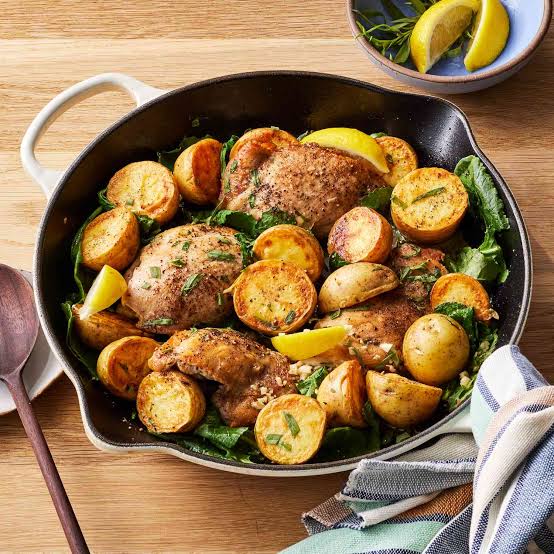
Recipe 2: Chicken, Sweet Potato, and Spinach Skillet
When energy is low and the goal is not culinary drama, this is the kind of one-pan dinner I’d make. It uses basic ingredients and holds up well for leftovers.
Ingredients
– 1 pound boneless skinless chicken breast or thigh
– 1 medium sweet potato, diced small
– 2 cups fresh spinach
– 1 small onion, sliced
– 1 tablespoon olive oil
– 1 teaspoon paprika
– 1/2 teaspoon thyme
– Black pepper
– Splash of low-sodium broth or water
Method
1. Brown the chicken in olive oil.
2. Add onion and sweet potato.
3. Stir in paprika, thyme, pepper, and a splash of broth or water.
4. Cover and cook until the sweet potato is soft and the chicken is done.
5. Fold in spinach at the end.
The timing is the catch here. Too-large sweet potato pieces can turn dinner from easy to irritating fast. I’d cut them small enough to soften in the same window as the chicken. For a senior with chewing trouble, I’d cook the sweet potato until it nearly breaks apart.
This recipe reheats well, which matters for anyone who wants dinner and one lunch from the same pan. Nice bonus.
Recipe 3: Low-Sodium Turkey and Bean Chili

A lot of chili recipes lean on canned seasoning, salty broth, and cheese on top. I’d skip all three. This version still has body and comfort, just without the sodium load.
Ingredients
– 1 pound lean ground turkey
– 1 can no-salt-added kidney beans, rinsed
– 1 can no-salt-added diced tomatoes
– 1 onion, chopped
– 1 bell pepper, chopped
– 2 cloves garlic, minced
– 1 tablespoon chili powder
– 1 teaspoon cumin
– 1 teaspoon oregano
– Black pepper
– Water as needed
Method
1. Brown turkey with onion and garlic.
2. Add bell pepper, tomatoes, beans, and spices.
3. Simmer 20 to 30 minutes, adding water if it gets too thick.
4. Taste before adding anything salty. Most of the time, it will not need it.
I’d call this a strong freezer meal. It is also one of the easiest ways to feed someone who wants “real dinner” but needs softer food. The limitation is that chili powder blends vary. Some are saltier than others, so I’d read labels before buying. Sneaky little trap.
Recipe 4: Baked Cod with Tomatoes and Zucchini
Gentle, quick, and easy to digest. That’s the appeal. The tomatoes and zucchini create enough moisture that the fish stays tender instead of dry.
Ingredients
– 2 cod fillets
– 1 zucchini, sliced
– 1 cup no-salt-added crushed tomatoes
– 1 tablespoon olive oil
– 2 cloves garlic, minced
– Basil or oregano
– Black pepper
Method
1. Heat oven to 375°F.
2. Spread zucchini in a baking dish.
3. Add tomatoes, garlic, oil, and herbs.
4. Place cod on top.
5. Bake until the fish flakes and the zucchini softens.
I prefer this over heavily seasoned fish because it does not need a crust or breading to taste finished. It also works well when chewing is difficult. The main drawback is that cod can dry out if overbaked, so I’d check it early rather than letting it sit “just a little longer.”
How Do You Make These Easy Low-Sodium Dinner Recipes for Seniors?
Because the recipes are simple, the method is simple too: choose one protein, prep one vegetable, season with herbs or citrus, and cook just until tender. Preheat the oven or heat the skillet first, then do the chopping before you begin cooking so nothing overcooks while you search for ingredients. For the easiest possible routine, batch-cook one recipe on day one and use leftovers the next day.
The biggest mistake I see in low-sodium cooking is trying to remove salt without replacing the flavor and texture it was carrying. That usually leads to bland dinners, which leads to skipped dinners. I’d rather see a senior eat a flavorful low-sodium meal three nights a week than a joyless “perfect” plan that falls apart by week two.
Packaged convenience foods labeled “healthy” are another weak spot. Some still bring a lot of sodium from broth, cheese, sauce, or seasoning blends. Under-seasoned vegetables are the other problem. Plain steamed broccoli with no acid, fat, or herb support is not a plan; it’s a chore.
If I had to name the cost of getting this wrong, it would be waste. Ingredients get bought and not used. Meals get cooked and not finished. Energy goes into managing food instead of enjoying it. A heart-health dinner plan has to work on an ordinary Tuesday night, not just on paper.
Here is the sort of shift I would expect when the plan is simplified and repeated:
| Metric | Before | After | Change | Timeline |
|---|---|---|---|---|
| Dinner prep time | 50 minutes | 25 minutes | 25 minutes less | Week 1 |
| Packaged sauces used per week | 4 | 1 | 3 fewer | Month 1 |
| Home-cooked dinners per week | 2 | 5 | 3 more | By Day 90 |
| Leftovers eaten | 1 night | 2 nights | 1 extra meal | Month 2 |
| Dinner stress level | High | Lower | Less decision fatigue | By Day 90 |
The One Change That Makes These Recipes Easier to Stick With
A short salt-free flavor kit would be my one practical upgrade, and I’d keep it visible in the kitchen. Garlic powder, onion powder, black pepper, paprika, oregano, thyme, cumin, lemon juice, and a bottle of olive oil belong in that kit. Not every dish needs all of them, but having them ready reduces the temptation to reach for salty bottled shortcuts.
I’d also keep a few low-sodium staples in rotation:
– no-salt-added beans
– no-salt-added diced tomatoes
– low-sodium broth
– frozen vegetables
– brown rice or whole-grain pasta
– eggs
– plain yogurt for sauces or topping
Plain? Yes. Boring? Not really. The list solves the real problem: decision fatigue. Seniors and caregivers do not need 30 recipes. They need 5 or 6 dinners that can repeat without turning stale. A small rotation also makes grocery shopping easier and cuts food waste.
A limitation worth saying plainly: these dinners are not ideal for someone who needs a highly restricted potassium or fluid plan unless a clinician approves the ingredients. Heart health diets can overlap with kidney disease, diabetes, or heart failure, and those needs do not always match. If a senior has heart failure, kidney disease, or takes specific medications, I’d check with a doctor or registered dietitian before making big changes.
A Simple 7-Day Dinner Rotation I Would Actually Use
To keep this practical, I’d use a rotating week instead of hunting for new recipes every night. That trims sodium, saves time, and keeps ingredients moving before they spoil.
Day 1: Lemon garlic baked salmon with green beans
Day 2: Chicken, sweet potato, and spinach skillet
Day 3: Turkey and bean chili
Day 4: Baked cod with tomatoes and zucchini
Day 5: Egg and vegetable scramble with toast and fruit
Day 6: Lentil soup made with no-salt-added broth
Day 7: Leftovers or a repeat of the easiest winner
I like this structure because it gives the cook permission to repeat meals. Repetition is not failure. For seniors, it often makes dinner safer, easier, and more likely to happen. The goal is not to impress anyone. It is to put a warm plate on the table that supports heart health without making the cook miserable.
If I were starting from scratch, I’d begin with the salmon, the skillet chicken, and the chili. Those three cover fish, poultry, and beans, and they can be adjusted for softer texture, smaller portions, or leftovers. That is the kind of dinner plan that lasts longer than a trend and does a better job than a salt-free slogan ever could.