Last updated: November 05, 2026
Quick Answer: To make ground turkey softer for senior meals, use 2 to 4 tablespoons of broth per pound, cook over medium to medium-low heat, and stop at 165°F.
Key Takeaways
- Start with the right turkey and pan for softer results.
- Broth, egg, oats, and olive oil each fix a different texture problem.
- Aim for moist, cooked meat that yields with light fork pressure.
- Change the plan if softness is not enough and professional guidance is needed.
Ground turkey can be soft enough for senior meals, but only if it is handled for moisture first and cooked gently. If someone has swallowing trouble, denture pain, or a diagnosed texture-modified diet, consult a qualified clinician or dietitian about the right texture before changing meals at home; swallowing guidance is commonly covered in clinical dysphagia resources such as the ASHA Adult Dysphagia Practice Portal and the NIDCD swallowing disorders page. This article on how to make ground turkey softer for senior meals assumes a home-cooking setting, not a prescribed diet plan.
Who this is for, and what the method assumes
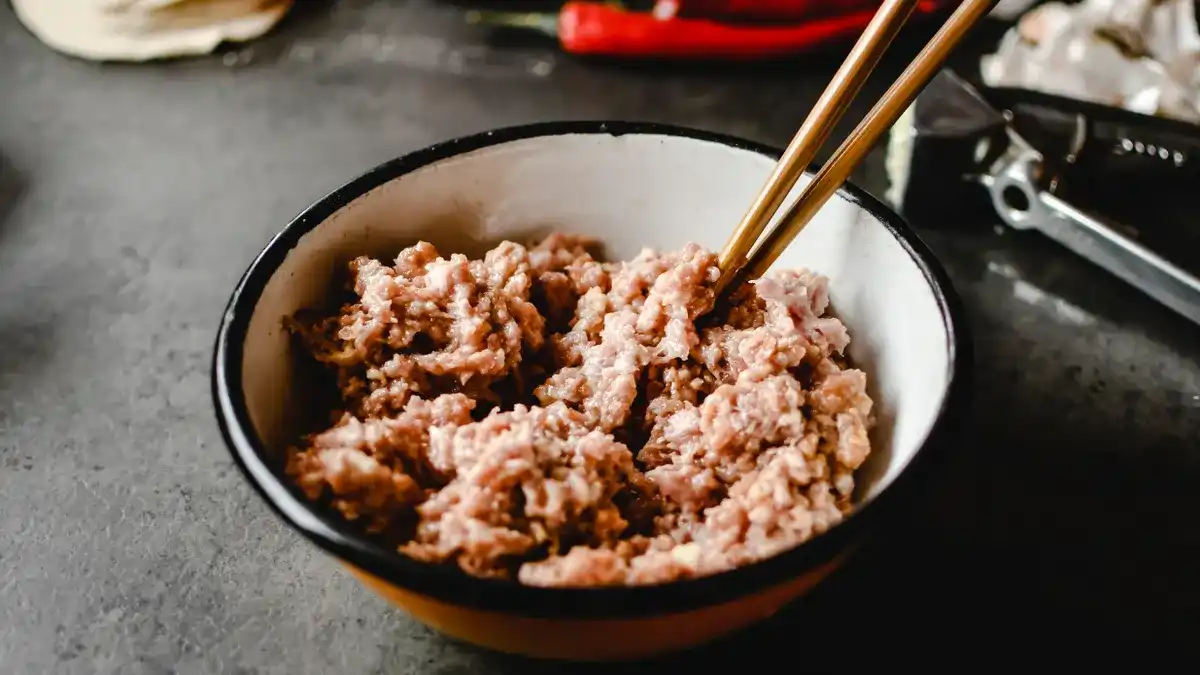
This is for anyone cooking ground turkey for an older adult who needs food that is easier to chew, lighter in mouthfeel, or less dry on the tongue. It assumes you already have raw ground turkey, a skillet or saucepan, a thermometer, and at least one moisture aid such as broth, olive oil, egg, or oats. It also assumes the turkey will be served as a meal component, not as a snack cake or baked loaf.
The method is about softness, not disguising food. That distinction matters. A softer turkey mix can still be seasoned well and still hold together, but it should break apart easily with a fork and should not feel crumbly, stringy, or chalky. If the person eating has chewing fatigue, dry mouth, or a need for very tender textures, the goal is usually to keep the meat moist all the way through cooking.
Two things can make this page different from a generic recipe: first, the texture is the priority; second, the doneness check matters more than the browning. A deeply browned skillet surface can look appetizing and still leave the inside dry. PubMed has 258 matching human records for this broader subject on senior softness, using a 2016–2026 window and the search method described below; that wider literature is thin, which is one reason practical cooking technique matters here more than broad claims do. The 100 most relevant records were read; those figures are computed across that sample on 2026-10-22 using senior[Title/Abstract] AND soft[Title/Abstract] AND humans[MeSH Terms], filtered to PubMed, publication date, 2016–2026, sorted by relevance.
If this page fits your situation, the next sections show how to soften ground turkey without turning it into a wet paste.
How do you make ground turkey softer without making it mushy?
You make ground turkey softer by adding moisture before cooking, keeping the pan heat moderate, and stopping at a safe internal temperature instead of cooking until the pan looks “done.” The basic target is tender, moist crumbles or patties that still hold shape.
- Start with the right turkey and the right pan. Choose ground turkey that is not ultra-dry in appearance and use a heavy skillet, ideally 10 to 12 inches, so the heat stays steady. Verify that the meat looks cool and loosely packed, not gray and sticky. A problem is a pan that is too small or thin, which pushes moisture out too fast.
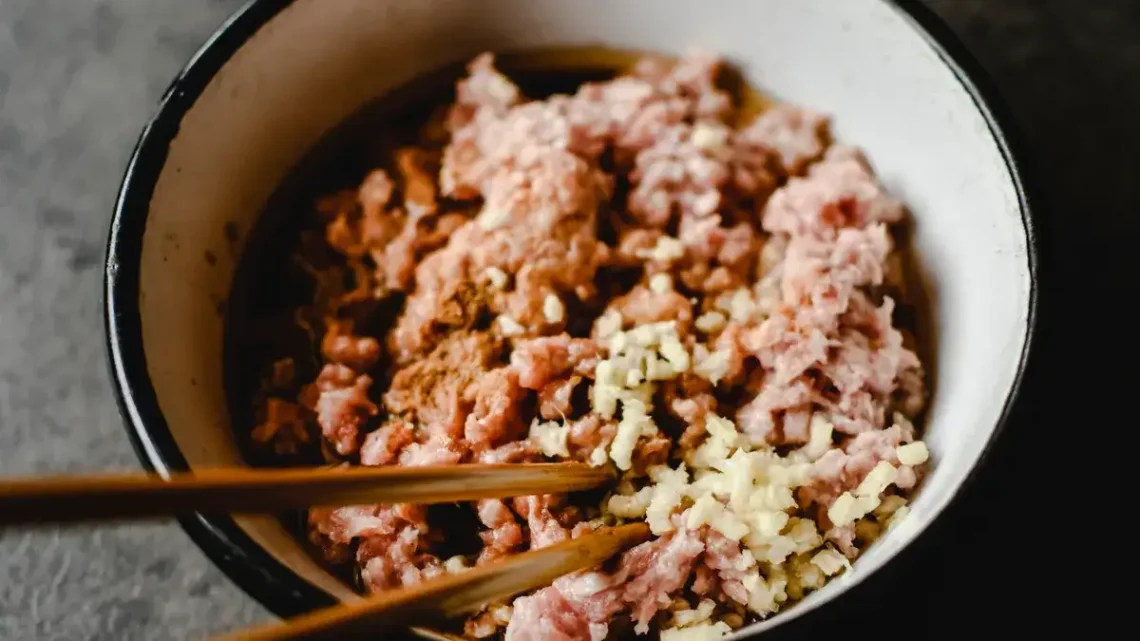
- Add a moisture base before the turkey hits the heat. Stir in 2 to 4 tablespoons of broth per pound, or 1 tablespoon of olive oil if the turkey is very lean. Verify that the meat looks slightly glossy and separates more easily. A problem is using no added liquid at all, which often leaves the final texture dry and tight.
- Use a soft binder if you need the meat to stay together. Mix in 1 beaten egg per pound, or 1/4 to 1/3 cup of finely ground oats per pound for a gentler binder. Verify that the mixture clumps without feeling stiff. A problem is too much binder, which can make the texture bready or gummy instead of soft.
- Season lightly and evenly. Use mild seasoning, such as a small amount of salt-free herb blend, onion powder, or garlic powder, rather than a heavy rub. Verify that the mixture smells savory but not sharp. A problem is over-seasoning with coarse spices, which can feel rough in the mouth and distract from texture.
- Cook over medium to medium-low heat. Break the turkey into small pieces and stir gently every 1 to 2 minutes, or shape it into small patties about 1/2 inch thick if that is easier to eat. Verify that the meat changes from pink to opaque without hard edges forming too fast. A problem is high heat, which drives off moisture before the center is done.
- Add a little broth during cooking if the pan dries out. Pour in 1 to 2 tablespoons at a time and scrape up any browned bits. Verify that steam rises and the mixture loosens slightly. A problem is adding too much liquid at once, which can cause boiling instead of tender browning.
- Check the internal temperature at the thickest point. Ground turkey is generally cooked to 165°F at the center, using a food thermometer. Verify the reading in the thickest clump or patty, not against the pan. A problem is guessing by color alone; pale meat can still be undercooked, and fully cooked meat can still be dry if overdone.
- Rest the meat for 2 to 3 minutes before serving. Move it off the heat and let the juices settle. Verify that the meat still looks moist, not tightened and stringy. A problem is serving it immediately after overcooking, which can make the texture seem much firmer than it needs to be.
The result you want is not a browned crust and not a loose stew. It is a moist, fork-tender texture that spreads easily on a plate or in a bowl. If the turkey seems dry in the pan, a spoonful of warm broth can rescue it, but once it has gone mealy, no amount of stirring will fully restore softness.
What ingredients soften ground turkey best?
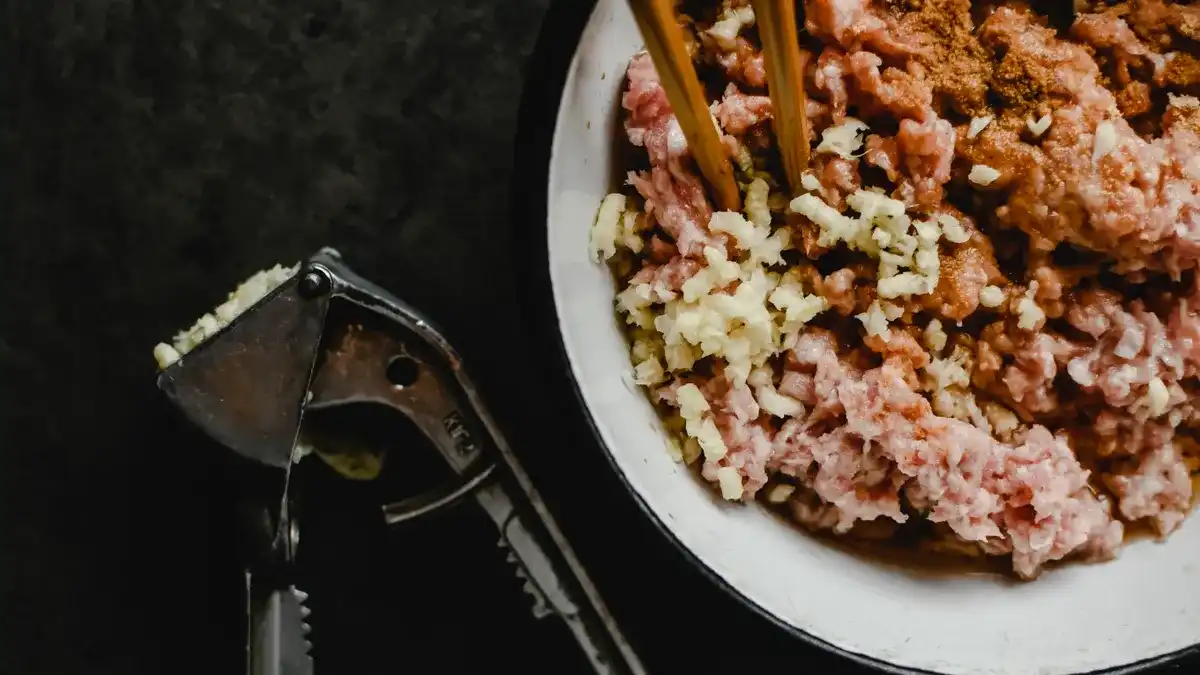
The most useful softeners are broth, egg, oats, and olive oil, because each solves a different texture problem. Broth adds moisture, egg helps the meat bind without crumbling, oats give structure with a softer bite than breadcrumbs, and olive oil cushions lean turkey that would otherwise feel tight.
A few details matter. Egg works best when you want meat that holds together for spooning, stuffing, or small patties. It can make the texture denser if you use too much. Oats need to be finely ground or very soft; whole oats can leave a chewy grainy note that is not ideal for some older adults. Broth should be low in added salt if sodium is a concern, but this page is not the place to set a diet plan. Olive oil helps with mouthfeel, especially when the turkey is extra lean, yet too much can leave the plate greasy.
Gentle seasoning also affects perceived softness. Mild herbs, a little onion powder, and a modest amount of garlic powder can make the meat taste fuller without adding rough bits. Large flakes, cracked pepper, and coarse spice blends are common reasons a dish feels harsher than it should. If swallowing is an issue, smoother seasoning usually works better than crunchy toppings.
For texture-first meal planning beyond this one ingredient, the hub on senior soft-diet protein meals can help you match protein choice to the rest of the plate.
What should I check before I serve it?
The surface should be moist, the center should be cooked, and the meat should break apart with light pressure from a fork. Those three checks tell you more than color alone.
Start with the visual cue. Good ground turkey for a softer meal usually looks opaque, lightly glossy, and tender rather than dry and pebble-like. Then test the texture with a fork. It should separate with small, soft crumbles or gentle resistance if it is shaped into patties. If it squeaks, squeals against the fork, or forms firm rubbery chunks, it was likely cooked too hard.
Then use a thermometer. A food thermometer is the most reliable way to know the center has reached the safe temperature commonly used for ground poultry. Color is inconsistent, especially if broth, herbs, or browned pan juices are present. A thermometer is also useful because senior meals often need a softer finish than the usual browned, well-dried skillet result.
This check is not just about safety; it is about stopping at the right moment before moisture is lost. If the turkey is already overcooked, adding sauce can help the plate, but it cannot fully replace internal tenderness. That is why a combination of temperature and touch is usually a better cue than appearance alone.
When should I stop and change the plan?
You should change the plan when softness alone is no longer the main issue, because some situations need a different texture, a different protein, or professional guidance. The point is not to force every turkey dish into the same shape.
There is coughing, choking, or a wet voice during meals: These can signal a swallowing problem — stop improvising and get qualified guidance before serving a soft-texture meal.
The person needs a prescribed texture-modified diet: A general “soft” texture may not match the required level — follow the diet order, not a standard recipe.
The turkey keeps turning dry even with broth and olive oil: The cooking method may be too hot or the cut too lean — switch to a gentler format such as moist crumbles, sauce-based serving, or a different protein.
There is a strong dental or jaw limitation: Even soft crumbles may be too much if chewing is painful — use a smoother preparation and ask a clinician or dietitian about the right texture.
The meal must fit a sodium-restricted plan: Many easy fixes rely on salty broth or seasoned mixes — use lower-sodium ingredients and confirm the overall meal plan with a qualified professional.
The eater has nausea, very poor appetite, or fatigue with meals: The best texture may be only part of the answer — keep portions small and ask a clinician if a different protein format is more appropriate.
If none of those apply, the method in this article is usually the right starting point. If one does apply, texture tricks at home are not enough by themselves.
What mistakes make ground turkey tougher?
The most common mistake is overcooking. Ground turkey dries out quickly because it has less fat than many other ground meats, and a few extra minutes on high heat can turn tender pieces into dry crumbs. The alternative is medium to medium-low heat with a thermometer check at 165°F.
A second mistake is skipping moisture altogether. Turkey cooked dry in a pan often becomes tight before the center is fully done. The fix is to add 2 to 4 tablespoons of broth per pound or a spoonful of olive oil for lean meat.
A third mistake is using too much binder. Too much egg or oat can make the mixture spongy, heavy, or bread-like. The better approach is a light hand: about 1 egg or 1/4 to 1/3 cup finely ground oats per pound, then stop once the mixture just holds.
A fourth mistake is chasing browning. Deep browning can be tasty, but for senior meals it often means the meat has lost the tenderness that matters most. The alternative is mild color and a moist interior, especially if the turkey will be mixed into vegetables, mashed potatoes, or sauce.
A fifth mistake is seasoning too aggressively. Large spice flakes, too much pepper, or sharp heat can make a soft meal unpleasant. Use gentle seasoning and let the texture do the main work.
What changes for very soft meals?
Very soft meals need smaller pieces, more moisture, and less browning than a standard skillet recipe. That means you may want minced turkey with a sauce, very small crumbles folded into mashed vegetables, or tiny patties cooked just until set.
If the goal is spoon-soft food, the texture can be adjusted in three ways. First, chop or crumble the turkey finer before cooking. Second, finish it in a shallow sauce or with extra broth so the surface stays moist. Third, avoid frying until the pieces are crusty. A light simmer for a few minutes after browning can soften the final texture better than extended pan-frying.
This is also the point where the limits of “softer” matter. For some eaters, soft still means easy-to-chew; for others, it means almost no chewing at all. Those are not the same target. If the person needs a formally modified texture, a general home method is not a substitute for a care plan. A clinician or dietitian can help match the meat texture to the rest of the meal, especially if the meal has to fit more than one need at once.
Can ground turkey be part of a soft diet?
Yes, ground turkey can be part of a soft diet if it is cooked moist, served in a tender form, and matched to the person’s chewing and swallowing needs. The key is preparation, not the ingredient alone.
Ground turkey is often a good fit because it can be shaped into soft crumbles, small patties, or sauce-based dishes. It also mixes well with vegetables, mashed potatoes, or soft grains when the meal needs more moisture. The drawback is that it dries out faster than fattier meats, so it needs closer attention than many people expect.
A soft diet, though, is not one single texture. In some situations, soft means tender and easy to chew. In others, it means pureed or texture-modified to a formal standard. If the person has a medical reason for the texture, the right choice depends on that plan, not on a general cooking article. When there is any doubt about swallowing safety, a qualified professional should guide the texture choice.
How do you keep ground turkey from drying out?
Use moisture before and during cooking, and stop as soon as the center reaches a safe temperature. A small amount of broth, a little olive oil, and medium heat do most of the work. If the turkey is still dry, the problem is usually too much heat or too much cooking time, not the lack of seasoning.
Drafted with AI; not yet reviewed by a person.